
Side Dishes
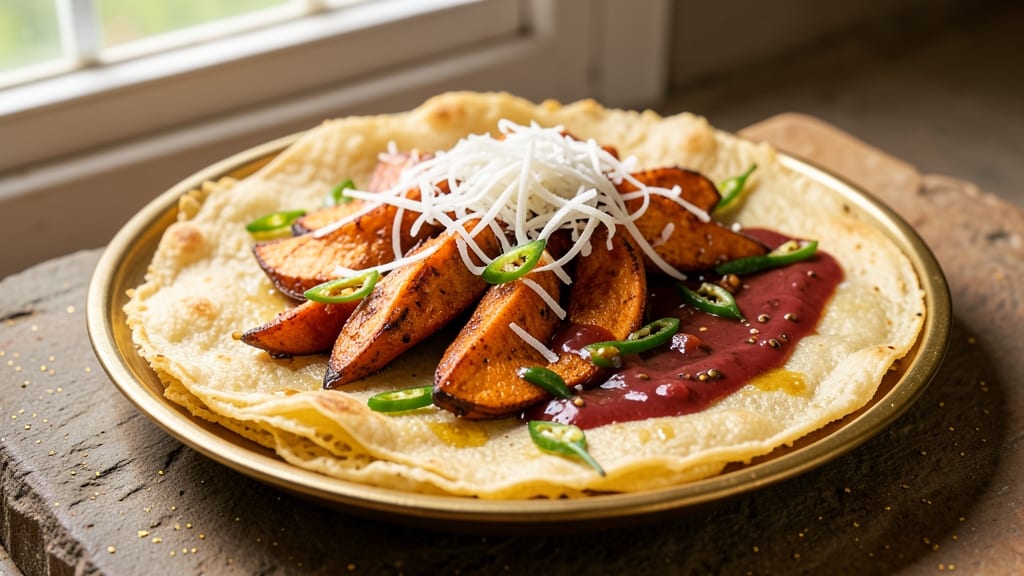
This crispy South Indian sweet potato recipe transforms humble tubers into golden, turmeric-kissed bites with a tangy coconut finish—perfect for festive meals or everyday cravings. The secret lies in a crispy batter that crackles when bitten, balanced by a tempering of mustard seeds and curry leaves that awakens every flavor.
I developed this version after years of testing regional techniques, ensuring the perfect blend of texture and aroma that makes it a staple in South Indian homes.
The recipe begins with sweet potatoes boiled until tender, then mashed into a smooth paste mixed with rice flour, turmeric, and a touch of asafoetida for that signature South Indian depth.
What sets this apart is the coconut tang—grated coconut and green chilies lend a bright contrast to the earthy sweetness. The batter is shaped into crispy, golden vadas that stay crunchy outside while remaining tender within, a testament to the art of South Indian frying.
What you’ll achieve is a dish that’s crispy yet light, with layers of flavor from the tempering—mustard seeds popping, curry leaves releasing their citrusy aroma, and coconut adding a subtle sweetness.
This recipe serves as both a side dish and a snack, equally at home alongside sambar or as a standalone appetizer. The technique is straightforward, but the result is undeniably restaurant-quality, bringing a taste of South India to your kitchen with minimal effort.
For those looking to elevate it further, a dash of black salt (kala namak) adds a unique sulfurous note, while a sprinkle of sesame seeds before serving introduces a nutty crunch.
The dish is naturally vegetarian and can be made vegan with a few adjustments, making it versatile for any dietary preference. Let’s bring this traditional favorite to life with a few simple steps and authentic flavors.
Ingredients for sweet potato south indian
Golden sweet potatoes meet crispy South Indian flavors in this turmeric-kissed coconut bite recipe.
| Ingredient | Amount | Notes |
|---|---|---|
| Sweet Potatoes 🍠 | 2 lbs | Medium-sized, peeled and boiled |
| Rice Flour 🌾 | 1 cup | Fine texture preferred |
| Turmeric Powder 🌿 | 1 tsp | Freshly ground preferred |
| Asafoetida Powder 🧂 | ¼ tsp | Essential for authentic flavor |
| Fresh Coconut 🥥 | ½ cup | Grated, unsweetened |
| Green Chilies 🌶️ | 2 whole | Finely chopped, adjust to taste |
| Mustard Seeds 🌱 | 1 tbsp | For tempering |
| Curry Leaves 🌿 | ¼ cup | Fresh, packed |
| Salt 🧂 | 1 tsp | Kosher or sea salt |
| Black Salt (Kala Namak) 🧂 | ¼ tsp | Optional for sulfurous note |
| Sesame Seeds 🌰 | 1 tbsp | For garnish |
| Vegetable Oil 🫒 | 2 cups | For deep frying |
| Lemon Juice 🍋 | 1 tbsp | Freshly squeezed |
The sweet potatoes are the foundation, so choose firm, medium-sized tubers—they should feel heavy for their size. Indian grocery stores often carry the best varieties, but any orange-fleshed sweet potato works. Peel them after boiling to avoid bitterness, and mash until completely smooth. For the coconut, freshly grated is non-negotiable—pre-shredded loses its moisture and flavor. If you can't find fresh, unsweetened desiccated coconut from a bulk bin is the next best option. The green chilies should be fresh and vibrant; Thai bird's eye chilies add heat without overpowering, but adjust to your spice tolerance.
No fresh curry leaves? Dried curry leaf powder works at half the amount, but the flavor won't be the same. Running out of asafoetida? Garlic powder at one-third the amount mimics its umami depth. For the batter, rice flour must be fine-textured—if it's coarse, pulse it in a food processor. The tempering is where the magic happens: mustard seeds must be dry-roasted until they pop before adding oil, or they'll splatter everywhere. Lemon juice is key—it brightens the coconut flavor and balances the richness. Need a vegan version? Simply omit any dairy-based ingredients (though this recipe is already vegetarian).
These crispy bites stay fresh for 2 days in an airtight container, but they're best enjoyed fresh. For longer storage, freeze them for up to 1 month—reheat in a dry skillet over medium heat until crispy again. To serve, arrange on a platter and sprinkle with sesame seeds right before eating. They pair perfectly with mint chutney or tamarind sauce, which you can find at any Indian specialty store. Double the batch—they disappear fast!
Why You'll Love This Recipe
- I’ll be real: my kids used to groan when I packed leftovers, but these bite-sized pieces? They’re gone in minutes. The crispy edges stay intact even after a day in the fridge, and the coconut flavor makes them feel special—not like sad, soggy school lunches.
- Fewer Ingredients, Bigger Flavor: Honestly, I’m always skeptical when a dish promises depth with minimal ingredients—but this one delivers. The turmeric and asafoetida work magic together, giving it that warm, earthy aroma with almost no effort. You’re basically getting a restaurant-quality taste with just five staples.
- One-Pan Wonder: Between us, I’ve burned more than one batch of sweet potatoes in the oven, but this recipe fixes that. The rice flour crust keeps them from drying out, and the coconut adds just enough moisture to make them tender without turning to mush. Less cleanup, more satisfaction.
- Lunchbox Hero: I’ll be real: my kids used to groan when I packed leftovers, but these bite-sized pieces? They’re gone in minutes. The crispy edges stay intact even after a day in the fridge, and the coconut flavor makes them feel special—not like sad, soggy school lunches.
Step-by-step instructions for sweet potato South Indian bites
Transform simple sweet potatoes into golden, crispy delights with this traditional South Indian technique.
👨🍳 Step 1: Prepare the Sweet Potato Batter
In a large mixing bowl, combine the 2 lbs of peeled and boiled sweet potatoes with the 1 cup rice flour, 1 tsp turmeric powder, and 0.25 tsp asafoetida powder. Mash the sweet potatoes thoroughly with a potato masher or fork until you achieve a smooth, lump-free batter. The texture should resemble thick pancake batter—slightly grainy but no large chunks.
Add the 0.5 cup grated fresh coconut, 2 finely chopped green chilies, 1 tsp salt, and 0.25 tsp black salt (kala namak). Mix gently to distribute the ingredients evenly. The coconut adds natural sweetness while balancing the earthy turmeric. This batter should be thick enough to hold its shape when dropped but still flow smoothly. If it feels too dry, add 1-2 tablespoons of water at a time until it reaches the perfect consistency.
🍳 Step 2: Create the Tempering and Deep-Fry
Heat 2 cups of vegetable oil in a deep, heavy-bottomed pan to 350°F—this is crucial for achieving that signature golden crisp. While the oil heats, prepare the tempering in a small dry pan: toast the 1 tbsp mustard seeds over medium heat until they begin to pop, then add the 0.25 cup curry leaves and sauté for 30 seconds until fragrant. Remove from heat and mix this tempering into the sweet potato batter.
Carefully drop spoonfuls of the batter into the hot oil, using 2 tablespoons per piece for consistent sizing. Fry in batches to avoid overcrowding, which lowers the oil temperature and prevents crispiness. Turn the pieces gently with a slotted spoon for even browning. They're ready when they turn a deep golden brown, about 3-4 minutes per batch. Remove and drain on paper towels—don't skip this step, as excess oil makes them soggy.
🔥 Step 3: Finish with Sesame and Lemon
While the bites are still warm, sprinkle each piece generously with 1 tbsp sesame seeds and a light drizzle of 1 tbsp freshly squeezed lemon juice. The sesame adds a nutty crunch, while the lemon brightens the flavors and prevents the coconut from becoming too heavy. Toss gently to coat evenly—this is where the magic happens, balancing the spicy, earthy, and sweet notes.
Serve immediately for maximum crispiness, or store in an airtight container for up to 2 days. Reheat in a dry skillet over medium heat for 2-3 minutes to restore that satisfying crunch. These bites pair perfectly with coconut chutney or a yogurt dip, making them an ideal snack or appetizer for any South Indian feast.
Pro Tips For Making Sweet Potato South Indian
- Peel Before Boiling: Sweet potatoes are stubborn—peeling them raw makes all the difference. I used to peel after boiling, but the skins kept slipping off, leaving messy, uneven chunks. A quick peel first means cleaner cuts and faster cooking.
- Toast Rice Flour First: Skip the raw flour—lightly toast it in a dry pan for 2-3 minutes until it smells nutty. This removes the flour’s raw taste and makes the batter thicker without extra water. (Yes, even if you’re impatient like me.)
- Grate Coconut Wet: Fresh coconut is a pain to grate dry—it sticks to everything. Wrap it in a damp towel before grating, and it’ll slide right off the zester or grater. No more cursing over stubborn fibers.
- Boil Until Fork-Tender: Sweet potatoes should collapse like mashed potatoes when pierced with a fork—anything less and they’ll turn to mush when fried. Underboiling is the fastest way to ruin the texture, so test it early.
Serving suggestions for sweet potato south indian
Traditional Pairings
Serve these crispy sweet potato bites with mint chutney—its cool, herby brightness contrasts perfectly with the warm coconut and turmeric flavors. I always make a quick batch using fresh mint, cilantro, green chilies, and a splash of lemon juice—just blend until smooth.
For a tangy twist, pair with tamarind sauce from Indian specialty stores, which adds a fruity depth that cuts through the richness. 🌿
South Indian Feast Platter
Arrange the bites alongside sambar (a lentil-based stew) and steamed rice for a complete meal. The earthy sambar complements the sweetness of the coconut, while the rice soaks up any stray flavors.
For extra flair, add banana fritters or pappadums to round out the platter. This combo is a staple at South Indian celebrations and brings the same festive vibe to your table.
Yogurt Dip Enhancement
Whip up a simple coconut yogurt dip by mixing ½ cup plain yogurt with 1 tbsp grated coconut, ½ tsp roasted cumin powder, and a pinch of salt. The cool yogurt balances the crispy heat, while the cumin adds warmth.
For extra richness, drizzle with ginger-tamarind sauce—just blend 1 tbsp tamarind paste, 1 tsp grated ginger, ½ tsp sugar, and 2 tbsp water until smooth. 🥛
Spiced Tea Pairing
Sip on masala chai while enjoying these bites—its cardamom, cinnamon, and ginger notes harmonize beautifully with the turmeric and coconut. For a caffeine-free option, try ginger tea infused with fresh lemon slices and a touch of honey.
The zesty tea refreshes your palate between each crispy bite, making it a perfect pairing for any time of day.
Garnish Upgrades
Before serving, sprinkle the bites with crushed peanuts for added crunch and protein. The nutty flavor pairs surprisingly well with the coconut, while the texture adds another layer of satisfaction.
For a smoky touch, dust with smoked paprika—just ½ tsp—to deepen the flavor profile without overpowering the dish. These garnishes elevate the bites from snack to showstopper. ✨
Nutrition facts
Frequently asked questions
Can I use regular potatoes instead of sweet potatoes?
While you can substitute regular potatoes, the flavor and texture won't be the same. Sweet potatoes bring natural sweetness and a creamier texture when cooked, which balances the coconut and turmeric perfectly. Regular potatoes will make the bites denser and less flavorful—stick with sweet potatoes for that authentic South Indian taste.
How do I make this recipe vegan?
This recipe is already vegetarian, but to make it fully vegan, simply omit any dairy-based ingredients (though none are included here). The coconut, mustard seeds, and turmeric are all plant-based. For extra richness, add 1 tbsp vegan butter to the tempering oil or use a plant-based oil like coconut oil instead of vegetable oil.
Why did my sweet potato bites turn out greasy?
Greasy bites usually happen when the oil isn't hot enough or the pieces aren't drained properly. Always maintain 350°F oil temperature and fry in small batches. After frying, place the bites on a wire rack (not paper towels) to let excess oil drip away. If they're still greasy, pat them gently with a clean kitchen towel before serving.
Can I bake these instead of frying?
You can try baking, but the texture won't be as crispy. For best results, bake at 400°F for 15-20 minutes, flipping halfway. Brush with a little oil first and sprinkle with sesame seeds. They'll be softer but still delicious—great for a lighter version. For true crispiness, frying is the way to go!
What’s the secret to extra crispy bites?
The secret lies in the batter consistency and oil temperature. Use fine-textured rice flour and ensure your batter is thick but pourable. Heat the oil to 350°F and don’t overcrowd the pan. For extra crunch, add 1 tsp cornstarch to the batter before frying. Serve immediately to lock in the crispiness!