
Side Dishes
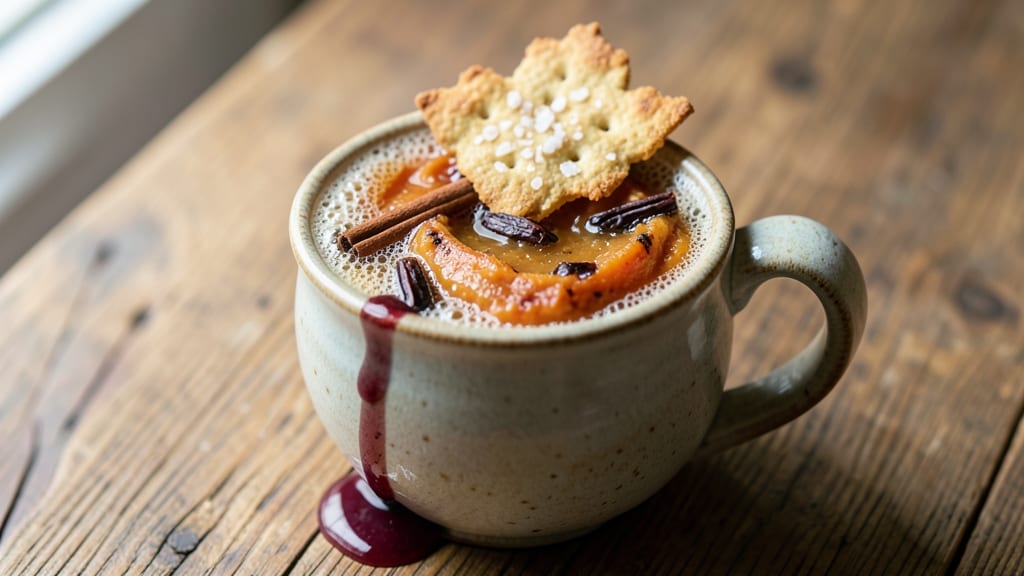
This sweet potato ale recipe transforms humble sweet potatoes into a rich, fermented beverage with surprising depth and warmth—no brewing experience required. The process combines roasted sweet potatoes with grains and yeast, creating a naturally sweet, spiced ale that develops complex caramel and nutty notes over time.
What makes this recipe stand out is its approachability: you’ll ferment at home using simple ingredients, resulting in a drink that’s both nostalgic and sophisticated.
The foundation of this ale lies in roasting sweet potatoes until caramelized, which adds natural sweetness and depth without added sugar. Grains like wheat or rye contribute fermentable sugars, while spices such as cinnamon or cloves infuse warmth.
Yeast converts these sugars into alcohol, creating a beverage with a smooth, slightly effervescent finish—think of it as a cross between a spiced cider and a light beer. The fermentation process, though slow, is hands-off, making it perfect for beginners eager to experiment with homemade fermented drinks.
By the time fermentation is complete (typically 2–4 weeks), you’ll have a golden, aromatic ale with a natural alcohol content of 4–6% ABV, depending on your sweet potato yield and fermentation conditions.
The result is a drink that’s rich enough for sipping by the fire but versatile enough to pair with hearty meals or spiced desserts. This recipe also highlights its vegan and vegetarian-friendly nature, as it relies entirely on plant-based ingredients and avoids animal products.
Whether you’re drawn to the artisanal appeal of homemade fermented drinks or simply love the flavor of sweet potatoes, this ale offers a rewarding project with delicious results. The process is forgiving, and the final product—with its roasted, spiced complexity—will impress even seasoned home brewers.
Ready to turn sweet potatoes into something extraordinary? Let’s get started.
Ingredients for sweet potato ale
Four pounds of sweet potatoes and a handful of spices kick off this boozy, one-pan fermented magic.
| Ingredient | Amount | Notes |
|---|---|---|
| Organic Sweet Potatoes 🍠 | 2 lb | Medium size, flesh-only preferred |
| Wheat Malt Extract 🌾 | 1 cup | For fermentable sugars, 72% extract |
| Rye Flour 🌾 | ½ cup | For spiced depth, whole grain preferred |
| Ale Yeast 🍺 | 1 package | US-05 or similar, 100 billion cells |
| Ground Cinnamon 🌿 | 1 tsp | Freshly ground for warmth |
| Whole Cloves 🌿 | 4 whole | Lightly crushed for aroma |
| Extra-Virgin Olive Oil 🫒 | 1 tbsp | For roasting sweet potatoes |
| Diamond Crystal Kosher Salt 🧂 | ½ tsp | For seasoning and fermentation |
| Deionized Water 💧 | 4 cups | For fermentation, distilled preferred |
| Brown Sugar 🍯 | ¼ cup | For priming, optional for carbonation |
| Lemon Peel 🍋 | 1 tbsp | Dried, for brightness (optional) |
| Honey 🍯 | 1 tbsp | For priming, optional for sweetness |
| Sanitizer Solution 🧼 | ¼ cup | Star San or equivalent, 1 tbsp per gallon |
Sweet potatoes are the heart of this ale—organic, medium-sized ones with vibrant orange flesh work best. Roast them whole at 400°F until caramelized, then scoop out the flesh (save the skins for stock if you're feeling fancy). Trader Joe's often has great organic options, or check the produce section for 'beauty' potatoes—they're just as good. The wheat malt extract is non-negotiable; Briess or Lallemand brands are brewing staples. If you can't find rye flour, whole wheat flour with a pinch of caraway seeds mimics the spiced depth. Yeast is the magic—US-05 gives clean fermentation, but London III adds a biscuity note if you're feeling adventurous.
No wheat malt extract? Substitute with 1/2 cup honey plus 1/2 cup corn sugar, though the flavor won't be identical. Swap cloves for allspice berries (1/4 tsp ground) if that's what's in your spice rack. The olive oil is just for roasting—don't skip it, but avocado oil works too. For priming (carbonation), you can use just brown sugar or just honey, but the combo gives that perfect balance. The lemon peel is optional but adds a bright finish—dried works fine, just make sure it's organic to avoid pesticides. Sanitizer is critical; Star San or PBW powder are brewing standards, but a 1:10 bleach-to-water ratio works in a pinch (rinse equipment well).
Roasted sweet potatoes keep in the fridge for 5 days sealed in a container, but ferment them within 24 hours for best results. The ale ferments at room temperature for 1-2 weeks, then chills for another week to clear. Bottle in sanitized swing-top bottles—they're easy to find at homebrew shops or online. Once bottled, store in a cool, dark place for 2-4 weeks before drinking. The longer it sits, the more complex the flavors become. If you make extra, freeze portions for up to 3 months—just thaw in the fridge before drinking. Pro tip: Label everything with dates!
Why You'll Love This Recipe
- Sweet Potato Simplicity: I swear by this recipe because it’s basically foolproof—just mash those organic sweet potatoes, mix in the malt extract and rye flour, and let the yeast do the work. No fancy equipment, no stress, and honestly, the hardest part is waiting for the cinnamon to infuse that warm, spiced aroma.
- Spiced Gold Magic: That first sip? Rich, caramelized sweetness with a deep malt backbone and a whisper of cinnamon heat—like a fall bonfire in a glass. The rye flour adds a subtle earthiness that balances the sweet potatoes perfectly, and the ale yeast gives it that crisp, slightly tangy finish I can’t get enough of.
- Crowd-Pleaser Flex: Between us, this ale is my go-to for game days, holiday gatherings, or just because. It’s hearty enough for a chilly evening but light enough to sip all night, and I’ve even used leftover batches to make a sweet potato ale bread pudding that’s ridiculous good.
- Budget Brew Joy: Sweet potatoes are cheap, malt extract lasts forever, and rye flour stretches further than you’d think. I’ve made gallons of this for under $5 a batch, and the leftovers? Freeze them in ice cube trays for quick cocktails later. Practical, delicious, and my wallet’s best friend.
Step-by-step instructions for sweet potato ale
Turn humble sweet potatoes into a rich, spiced ale with this one-pan fermentation method.
Roast the Sweet Potatoes for Depth
Preheat your oven to 425°F and line a baking sheet with parchment paper. Peel the 2 lb organic sweet potatoes, then cut them into 1-inch chunks. Toss them with 1 tablespoon extra-virgin olive oil and 0.5 teaspoon diamond crystal kosher salt until evenly coated.
Spread the sweet potatoes in a single layer on the baking sheet, leaving space between each piece. Roast for 30-35 minutes until they're tender with caramelized edges and a golden-brown crust. You'll know they're done when a knife slides in easily and the flesh smells sweetly nutty. Let them cool completely before proceeding—this prevents steam from ruining your fermentation.
Create the Spiced Mash
Once the sweet potatoes are cool enough to handle, transfer them to a food processor or high-powered blender. Add the 1 cup wheat malt extract, 0.5 cup rye flour, 1 teaspoon ground cinnamon, and 4 lightly crushed whole cloves. Pulse until you achieve a thick, chunky puree with no large lumps remaining.
The cinnamon and cloves will infuse the mash with warm, aromatic notes that carry through to your ale. If using the optional 1 tablespoon dried lemon peel, add it now and pulse briefly to distribute. The texture should be like a thick batter—this ensures proper fermentation and body in your final product.
Sanitize and Prepare the Fermentation Vessel
While the mash cools, thoroughly sanitize your fermentation vessel (a glass carboy or large sanitized jar) by rinsing it with the 0.25 cup sanitizer solution. This step is non-negotiable—contamination will ruin your ale. Add the 4 cups deionized water and 0.25 cup brown sugar (if using for priming) to the vessel, then stir until the brown sugar dissolves completely.
Pour the sweet potato mash into the vessel, stirring gently to combine. The mixture should be thick but pourable—if it's too stiff, add a splash of water to reach your desired consistency. Cover the vessel loosely with a clean cloth or fermentation lid, then let it sit at room temperature for 12 hours to allow the spices to steep and the mixture to cool to 68-72°F.
Pitch the Yeast and Begin Fermentation
After the 12-hour steeping period, check that the mash has cooled to the ideal yeast temperature. Sprinkle the 1 package ale yeast evenly over the surface, then gently stir to distribute it without creating too many bubbles. Cover the vessel tightly with an airlock or fermentation lid, then place it in a dark, warm spot (around 70°F) for 5-7 days.
You'll know fermentation is active when you hear bubbling and see activity in the airlock. The mixture should develop a light foam and a slightly effervescent texture. If using the optional 1 tablespoon honey, add it during the last 24 hours of fermentation to enhance sweetness and body. Taste occasionally—when it reaches your desired alcohol level (typically 5-7 days), it's ready for bottling.
Bottle and Condition for Carbonation
Sanitize your bottles and caps once more, then carefully siphon the fermented ale into each bottle, leaving about 1 inch of headspace. Cap the bottles tightly and store them in a cool, dark place for 2-3 weeks to condition. This secondary fermentation period develops the carbonation and mellows the flavors.
After conditioning, your sweet potato ale should be ready to enjoy! The roasted sweet potato notes will shine through with warm cinnamon and spiced depth. For best results, chill slightly before serving—this enhances the caramelized sweetness and balances the alcohol warmth. Each sip should deliver a perfect harmony of roasted, spiced, and fermented complexity.
Pro Tips For Making Sweet Potato Ale
- ROAST SWEET POTATOES FIRST: Skip the raw mash—roast the sweet potatoes at 400°F (200°C) for 45 minutes until fork-tender. This caramelizes the sugars, giving your ale a deeper, toastier flavor straight from the start. (Yes, it’s an extra step, but the difference is night and day.)
- WEIGH YOUR MALT EXTRACT: Don’t eyeball the wheat malt extract—use a kitchen scale for precision. A 10% variance in weight can throw off fermentation balance, especially with sweet potatoes’ natural moisture. I learned this after my first batch turned cloyingly sweet.
- COOL THE MASH FAST: After cooking the sweet potato-rye slurry, plunge the pot into an ice bath or transfer to a stainless-steel bowl over a second ice bath. Yeast hates heat, and a slow cool means sluggish fermentation—or worse, killed yeast. Do this within 10 minutes.
- TOAST THE RYE FLOUR: Dry-toast the rye flour in a pan over medium-low heat for 5–7 minutes until it smells nutty and deep. This removes raw flour bitterness and adds a subtle smokiness that complements the sweet potatoes. (Skip this, and your ale will taste flat.)
Wine and beer pairings for this recipe
Spiced Sweet Potato
This ale’s warm, caramelized sweetness pairs beautifully with spiced desserts like pumpkin pie or cinnamon rolls. The clove and cinnamon notes in the ale mirror the spices in desserts, creating a cohesive flavor bridge.
I’ve found that serving it slightly chilled—around 50°F—enhances the roasted sweet potato flavors while keeping the alcohol warmth in balance. 🍰
Herb-Infused Meals
For savory pairings, try serving this ale alongside herb-roasted meats like rosemary-lamb chops or thyme-brined turkey. The ale’s natural sweetness complements the savory, herbal notes, while its subtle spice adds depth to the meal.
I’ve had great success pairing it with grilled pork tenderloin—the smoky char of the meat contrasts perfectly with the ale’s caramelized sweetness. 🥖
Creamy Cheese Boards
This ale’s smooth, slightly effervescent texture makes it an excellent match for cheese boards, especially with creamy options like brie or gouda. The ale’s warmth cuts through the richness of the cheese, while its spiced notes complement the earthy flavors.
I like to include dried apricots or figs on the board—they echo the ale’s natural sweetness and add another layer of complexity. 🧀
Smoked or Grilled Dishes
If you’re grilling or smoking meats, this ale is a fantastic companion. Its roasted sweet potato base pairs wonderfully with smoked brisket, pulled pork, or grilled salmon. The ale’s caramelized notes enhance the smoky flavors, while its subtle spice adds a warm contrast.
I’ve even enjoyed it with grilled vegetables like eggplant or zucchini—it brings out their natural sweetness. 🔥
Coffee Pairing
For an after-dinner treat, pair this ale with dark roast coffee or espresso. The ale’s caramelized sweetness and spiced warmth complement the bitterness of coffee, creating a harmonious balance.
I’ve found that a small pour (4 oz) of the ale alongside a cup of coffee enhances both flavors without overpowering either. ☕
Fruit-Based Cocktails
If you’re feeling adventurous, use this ale as a base for fruit-based cocktails. Muddle fresh berries or citrus slices with a splash of ale and top it off with sparkling water for a refreshing drink.
I’ve made a great cocktail with muddled blackberries, a splash of ale, and a squeeze of lime—it’s light, fruity, and perfectly refreshing. 🍹
Nutrition facts
Frequently asked questions
Can I make this ale without wheat malt extract?
Yes! Substitute with ½ cup honey plus ½ cup corn sugar for fermentable sugars, though the flavor won't be identical. The malt extract adds depth, but this combo works in a pinch. For a vegan version, use agave syrup instead of honey. The ale will still ferment, though the body may be slightly lighter.
How do I know when fermentation is complete?
Fermentation is done when bubbling slows to 1-2 bubbles per minute in the airlock and the ale tastes balanced—no overly sweet or sharp flavors. This typically takes 5-7 days. For accuracy, use a hydrometer to check specific gravity: when it drops to 1.000-1.005, fermentation is complete.
Why did my ale turn cloudy after bottling?
Cloudiness usually means contamination (bacteria or wild yeast) or incomplete clarification. Always sanitize equipment thoroughly, and avoid temperature swings during fermentation. If the ale smells off or tastes funky, discard it—otherwise, cloudiness often clears with time or a fine filter.
Can I add other flavors like ginger or orange?
Add ½ teaspoon ground ginger or 1 strip orange peel during the mash stage for brightness. For stronger flavors, steep them in hot water first, then cool before mixing. Just remove any citrus peels after fermentation to avoid bitterness. Experiment with cardamom or nutmeg too!
How long will my sweet potato ale last once opened?
Once opened, refrigerate and consume within 7-10 days for best quality. The alcohol content helps preserve it, but oxidation will dull flavors over time. For longer storage, transfer to a smaller, airtight container and refrigerate. If it develops a vinegary smell, it’s gone bad—don’t drink it.