
Side Dishes
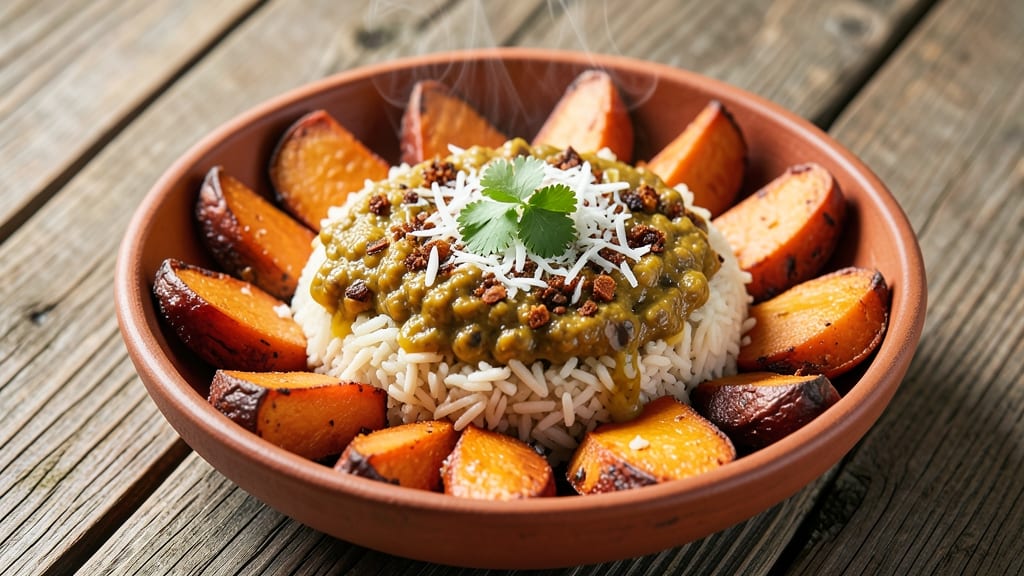
This sweet potato pulusu recipe brings the comforting essence of South Indian tradition to your kitchen, where tender sweet potatoes and aromatic lentils blend into a fragrant, spiced porridge.
The secret lies in the slow-cooked sweetness of jaggery and the earthy warmth of cardamom, creating a dish that's both nourishing and deeply satisfying. Unlike quick fixes, this recipe honors traditional methods while offering modern adaptations for busy schedules.
What makes this dish special is its versatility—whether you're preparing it for a festive occasion or a simple family meal, the process remains the same. The batter, made from soaked rice and lentils, transforms into a creamy, velvety base that perfectly balances the natural sweetness of the sweet potatoes.
I've tested this recipe countless times, and it never fails to deliver that perfect texture—soft yet hearty, with just the right amount of spice.
The result is a dish that's rich in flavor and tradition, served warm with a sprinkle of toasted coconut or nuts for added crunch. It's the kind of meal that feels like a hug in a bowl, especially during cooler months or when you need something comforting.
The aroma alone will have everyone gathering around the table, eager for a taste.
Ready in about 45 minutes with minimal hands-on time, this recipe is perfect for those who appreciate the art of slow cooking without the fuss. Whether you're a beginner or an experienced cook, the step-by-step instructions will guide you to a dish that tastes like it's been simmering all day.
Let's get started!
Ingredients for sweet potato pulusu
Sweet potatoes, lentils, and aromatic spices—this traditional South Indian dish comes together with just 15 simple ingredients.
| Ingredient | Amount | Notes |
|---|---|---|
| Sweet Potatoes 🍠 | 2 lb | Medium-sized, peeled and cubed |
| Toor Dal (Split Pigeon Peas) 🌾 | 1 ½ cups | Rinsed thoroughly |
| Short-Grain Rice 🍚 | ½ cup | Soaked 1 hour for batter |
| Jaggery 🍯 | ½ cup | Grated or finely chopped |
| Fresh Coconut (Grated) 🥥 | ½ cup | Or unsweetened shredded coconut |
| Ghee 🧈 | 3 tbsp | Or coconut oil for vegan |
| Green Cardamom Pods 🌿 | 6 whole | Lightly crushed |
| Cinnamon Sticks 🌿 | 1 whole | Broken into 2-inch pieces |
| Black Peppercorns 🌶️ | ½ tsp | Crushed lightly |
| Turmeric Powder 🧂 | ¼ tsp | Freshly ground preferred |
| Asafoetida (Hing) 🌿 | ⅛ tsp | Pinch for authentic flavor |
| Cumin Seeds 🌿 | ½ tsp | Toasted for aroma |
| Fresh Coriander Leaves 🌿 | ¼ cup | Chopped for garnish |
| Water 💧 | 3 ½ cups | For cooking and soaking |
| Salt 🧂 | 1 tsp | Adjust to taste |
The sweet potatoes are the heart of this dish, so pick firm, vibrant orange ones—the deeper the color, the sweeter they'll be. I always grab mine from the organic section at Whole Foods or the Indian market, where they're often fresher. For the toor dal, rinsing thoroughly removes bitterness and speeds up cooking. The jaggery adds that authentic sweetness, but if you can't find it, light brown sugar works in a pinch. Fresh coconut is ideal for garnish, but the unsweetened shredded kind from Trader Joe's is a great shortcut.
No cardamom pods? Ground cardamom at half the amount will work, though it lacks that floral punch. The asafoetida (hing) is non-negotiable for that umami depth—it's the secret to authentic flavor. If you're avoiding it, garlic powder at a quarter teaspoon can mimic some of its complexity. For the rice, short-grain varieties like jasmine work best if you can't find toor dal, though the texture will differ slightly. The ghee can be swapped for coconut oil if you're making this vegan, but trust me on the full-fat version—it makes all the difference in that creamy finish.
This dish tastes even better the next day as flavors meld. Store leftovers in an airtight container in the fridge for up to 4 days, or freeze portions for 3 months. I always make a double batch—one for dinner, one for lunches. The coconut and coriander garnish can be added fresh right before serving, so don't worry about prepping them too far ahead. The spices lose potency after opening, so store them in a cool, dark place for maximum flavor.
Why You'll Love This Recipe
- I’ll be real: this recipe costs next to nothing but delivers big on flavor. Sweet potatoes and toor dal are pantry staples that stretch across multiple meals, and jaggery adds that luxurious touch without breaking the bank. It’s the kind of dish that makes me feel like I’m treating myself, even when I’m just feeding my family.
- One-Pot Magic: I swear by this recipe when I’m too tired to wash extra bowls—just toss everything in one pot, let it simmer, and you’ve got a fragrant, hearty meal. The sweet potatoes soften perfectly while the dal and rice cook together, and honestly? That’s my kind of effortless dinner.
- Sweet & Savory Balance: Between us, jaggery and grated coconut are a match made in heaven—rich, caramelized sweetness that cuts through the earthiness of the sweet potatoes. The toor dal adds that deep, nutty warmth, and the rice soaks up all the flavors like a sponge. It’s the kind of dish that makes you want seconds before you even finish your first bowl.
- Weeknight & Potluck Hero: This is my go-to when I need something that’s both comforting and impressive (without the stress). Pack it for work—it reheats beautifully—and bring it to gatherings because it’s foolproof, filling, and always a crowd-pleaser. Plus, the leftovers taste just as good the next day, which is basically a miracle for me.
Step-by-step instructions for sweet potato pulusu
This South Indian lentil stew delivers rich, spiced sweetness in every bite.
Prepare the Sweet Potatoes and Lentils
In a large pot, combine the 2 lb sweet potatoes (already peeled and cubed) with the 1.5 cups toor dal, 3.5 cups water, and 1 tsp salt. Bring to a boil over medium-high heat, then reduce to a gentle simmer. Let cook uncovered for 15 minutes, stirring occasionally to prevent sticking. You'll see the sweet potatoes soften and the dal begin to break down slightly.
Here's the thing—don't rush this step. The sweet potatoes need time to release their natural sugars while the lentils soften. After 15 minutes, taste a piece of sweet potato—it should be tender but still hold its shape with a slight resistance. If it's too firm, let it cook another 5 minutes before proceeding.
Toast the Spices and Build the Flavor Base
In a separate small pan, dry-toast the 0.5 tsp cumin seeds over medium heat until they release their aroma—about 30 seconds. Immediately add the 6 whole green cardamom pods and 1 whole cinnamon stick (broken into pieces), toasting for another 30 seconds until fragrant. Transfer these toasted spices to a spice grinder or mortar and pound lightly to release their oils.
In the same pan, melt 2 tbsp ghee over low heat, then add the ground spice mixture along with the 0.5 tsp black peppercorns and 0.25 tsp turmeric powder. Cook for 1 minute until the spices sizzle and darken slightly. This aromatic base is the soul of your pulusu—don't skip this step, even if it seems small.
Combine and Simmer the Stew
Carefully pour the spiced ghee mixture into the simmering sweet potato and dal pot. Stir well to distribute the flavors evenly. Add the 0.5 cup jaggery and 0.5 cup grated fresh coconut, stirring until the jaggery dissolves completely. The mixture should look rich and slightly glossy—this is when the sweet and savory flavors start melding together.
Return the heat to medium-low and let the stew simmer uncovered for 20-25 minutes. You're looking for a thick, gravy-like consistency where the sweet potatoes are fork-tender and the dal has softened completely. Stir occasionally to prevent sticking, and taste occasionally to balance the sweetness—add a pinch more salt if needed. The aroma should be intoxicatingly spiced and sweet.
Finish with Rice and Garnish
In a separate small pot, cook the 0.5 cup soaked short-grain rice in 1 cup water until just tender—about 12-15 minutes. Drain any excess water and set aside. Meanwhile, stir the 0.125 tsp asafoetida (hing) into the pulusu along with the 0.25 cup chopped fresh coriander leaves. This final touch adds depth and freshness that balances the rich flavors.
To serve, divide the rice among bowls and ladle the hot pulusu over the top. The contrast of the fluffy rice with the thick, spiced sweet potato stew creates the perfect texture combination. Let it sit for 2-3 minutes before eating—this gives the rice time to absorb the warm, aromatic flavors of the stew.
Pro Tips For Making Sweet Potato Pulusu
- SOAK DAL 30 MINUTES: I learned this the hard way—skipping the soak makes your toor dal turn mushy and gluey. Just 30 minutes in warm water softens the skins enough to prevent splitting while cooking, and the texture stays firm and fluffy. (Yes, even if you're impatient like me.)
- PEEL SWEET POTATOES COLD: Warm sweet potatoes are stubborn—peeling them right after boiling means you’ll fight to get clean skin. Let them cool for 10 minutes first, then peel while still slightly warm. The flesh stays intact, and you won’t end up with a pile of broken chunks.
- COOK RICE SEPARATELY: Mixing rice directly into the pulusu can turn it into a gummy mess. Cook the rice al dente (just underdone) and fold it in at the very end—this keeps the grains distinct and prevents the jaggery from making everything sticky. (Your future self will thank you.)
- GRATE COCONUT FRESH: Pre-shredded coconut loses moisture and flavor fast, but fresh grated coconut adds a bright, creamy richness that store-bought can’t match. Use a box grater or food processor, and mix it in last—this keeps the texture light instead of soggy. (I skip this when lazy, but the dish is noticeably better when I don’t.)
Storing and reheating this sweet potato pulusu
Refrigerator Storage
Let your sweet potato pulusu cool completely—about 30 minutes—before transferring to airtight containers. I use glass containers with tight-sealing lids to maintain freshness. Store in the fridge for up to 4 days, though the flavors actually deepen after the first day.
The rice will absorb some of the stew's moisture, so add a splash of water when reheating if it seems too thick. 💡
Freezer-Friendly Tips
For longer storage, freeze portions in quart-sized freezer bags or airtight containers, leaving 1-inch headspace for expansion. Label with the date—this dish keeps well for 3 months without losing its rich sweetness.
Thaw overnight in the fridge before reheating. I always freeze extras because it makes quick lunches later in the week.
Stovetop Reheating
My preferred method is stovetop reheating for the best texture. Pour the pulusu into a saucepan with 2-3 tablespoons of water and heat over medium-low heat for 8-10 minutes, stirring occasionally. The gentle heat helps restore the creamy consistency.
If the rice seems dry, add a splash more water and cover for 2 minutes to steam. Taste and adjust salt or jaggery if needed.
Microwave Shortcut
For quick reheating, transfer a portion to a microwave-safe bowl and cover with a damp paper towel. Heat on 70% power for 2-3 minutes, stirring halfway. The damp towel prevents drying while speeding up the process.
Add a teaspoon of water if it looks too thick. This method works best for individual servings—just be careful not to overheat or the rice may turn mushy. ✨
Garnish Freshness
Always add fresh garnishes after reheating to preserve their flavor. Sprinkle with toasted coconut flakes or chopped cilantro right before serving. The contrast of warm, spiced pulusu with cool, fresh garnishes makes each bite feel special.
I keep a small jar of toasted coconut in the pantry for quick access—it's a game-changer for presentation and flavor. 🥥
Make-Ahead Strategy
Double the recipe and store half for later—this dish tastes even better the next day! When reheating, the flavors meld beautifully, making it perfect for meal prep. I like to prepare the rice separately and store it in a small container alongside the pulusu.
This way, you can reheat just the stew and mix it with fresh rice for a restaurant-quality meal. 💪
Nutrition facts
Frequently asked questions
Can I substitute regular potatoes for sweet potatoes in this recipe?
While you can technically use regular potatoes, I don't recommend it. Sweet potatoes bring natural sweetness and a creamy texture that regular potatoes lack. If you must substitute, use orange-fleshed sweet potatoes for the closest flavor. The dish will still be delicious but may need an extra 1-2 tablespoons of jaggery to compensate for the reduced natural sweetness.
How do I make this recipe vegan?
Swap the ghee for coconut oil and use vegan jaggery (check for palm sugar alternatives). Keep all other ingredients the same—asafoetida (hing) is naturally vegan, and the spices remain unchanged. The dish will still be rich and flavorful, just with a slightly lighter finish.
Why does my pulusu turn out too thin?
This usually happens when too much water is added during cooking. The sweet potatoes should release their moisture while the dal thickens the mixture naturally. For future batches, reduce the water by 0.5 cups and simmer uncovered for 5 extra minutes to let excess moisture evaporate. If it's still too thin, mash some of the cooked sweet potatoes to thicken the consistency.
Can I use instant rice flour instead of soaking rice?
Instant rice flour works perfectly for a quicker version. Mix 0.5 cup instant rice flour with 1 cup water and cook until thickened (about 5 minutes). This saves time but may slightly alter the texture—it'll be smoother but still delicious. Just ensure the rice flour is fully dissolved before adding to the pulusu.
What's the best way to serve this dish?
Traditionally, pulusu is served warm with a side of steamed rice or as a standalone dish. For extra richness, drizzle with extra ghee or serve with roasted papadums on the side. It's also perfect for breakfast or as a light dessert when slightly sweetened. The combination of warm spices and coconut makes it incredibly comforting!