
Side Dishes
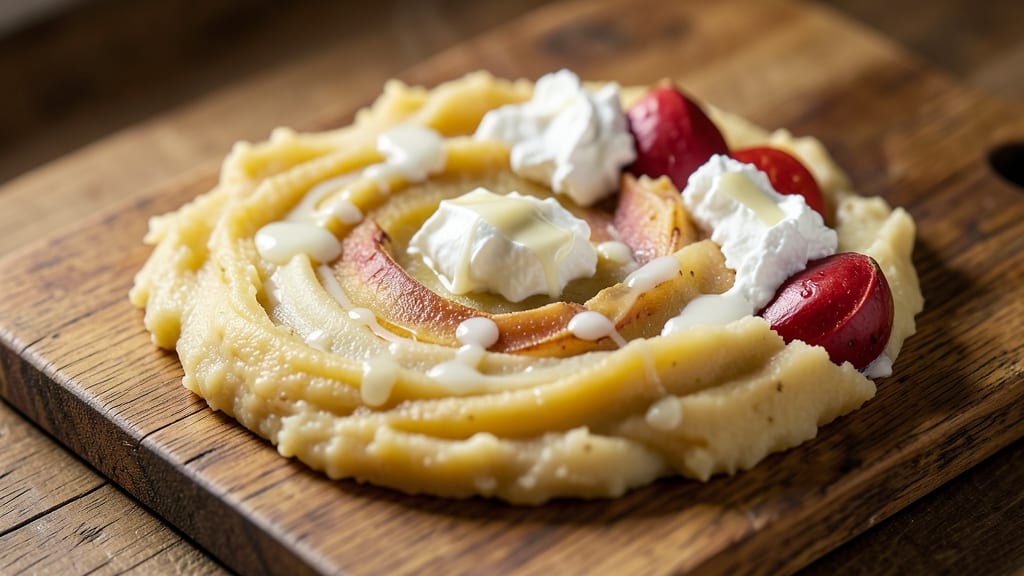
This 3 potato mashed potato recipe transforms humble spuds into velvety, restaurant-quality perfection with a foolproof triple-layered technique. The secret lies in using three different potatoes—Yukon Gold, russet, and red—each contributing unique textures: creamy, fluffy, and slightly firm.
I developed this method after years of struggling with gummy or lumpy mashed potatoes, and it never fails to impress.
What sets these apart is the two-stage cooking process: russets provide structure, Yukon Golds add natural creaminess, and red potatoes introduce subtle earthiness. After boiling each variety separately, they’re mashed individually with warm milk, butter, and precise seasoning before being layered in a single dish.
The result? A silky-smooth potato experience with no lumps or gluey aftertaste.
By the time you serve, you’ll have golden, cloud-like potatoes that melt in your mouth while maintaining their shape. The key is low-and-slow boiling and gentle mashing—no food mill required.
Garnish with fresh chives or a drizzle of gravy for that final touch. This recipe delivers restaurant-quality sides without the fuss.
Perfect for Thanksgiving, holiday feasts, or any special dinner, these mashed potatoes become the star of the meal. The layered technique ensures consistent texture and rich flavor in every bite. Let’s get started—your taste buds will thank you.
Ingredients for 3 potato mashed potato
Three potatoes, one perfect side dish—creamy, fluffy, and restaurant-worthy every time.
| Ingredient | Amount | Notes |
|---|---|---|
| Yukon Gold Potatoes 🥔 | 2 lbs | Medium-sized, peeled and quartered |
| Russet Potatoes 🥔 | 2 lbs | Medium-sized, peeled and quartered |
| Red Potatoes 🍅 | 1 ½ lbs | Medium-sized, peeled and quartered |
| Heavy Whipping Cream 🥛 | 1 cup | Full-fat for richness |
| Unsalted Butter 🧈 | ½ cup | Cold, cubed for easier melting |
| Whole Milk 🥛 | 1 ½ cups | Warm before mixing |
| Granulated Garlic 🧄 | 2 tsp | Or 4 cloves fresh, minced |
| Diamond Crystal Kosher Salt 🧂 | 1 ½ tsp | Adjust to taste |
| Fresh Chives 🌿 | ¼ cup | Chopped for garnish |
| Freshly Ground Black Pepper 🌶️ | ½ tsp | Adjust to taste |
| Gravy (optional) 🥄 | ½ cup | For drizzling |
The potatoes are the stars here, and Yukon Golds deserve top billing for their natural creaminess. Grab the smallest russets you can find at Whole Foods or your local market—they’re starchier and hold their shape better. Red potatoes add that subtle earthiness, so don’t skip them. Peeled and quartered, they’ll cook faster than you think, so start them first. Pro tip: Soak the cut potatoes in cold water for 30 minutes to remove excess starch—this keeps them silky smooth after boiling. I always buy organic when possible, but regular potatoes work too if you scrub them well.
No heavy cream? Full-fat coconut milk is a great swap—just warm it first. Butter substitute? Vegan butter or olive oil (use 3 tbsp for every 4 tbsp butter). For garlic lovers, roast 4 cloves whole with the butter instead of using granulated—it’s sweeter and deeper. The milk can be warmed in the microwave (just heat until steaming, then let sit for a minute). Salt is key here: Diamond Crystal kosher dissolves better than table salt, but use whatever you’ve got. And if you’re short on chives, green onions or parsley work in a pinch—just chop them finely.
These potatoes reheat beautifully—just pop them in the oven at 350°F for 15-20 minutes with a splash of milk. Store leftovers in an airtight container for up to 5 days, but honestly, they’re best fresh. For make-ahead prep, boil the potatoes the day before and refrigerate the unmashed quarters. Reboil in salted water for 5 minutes, then mash as directed. The layered technique means you can serve straight from the pot—no need to transfer. Garnish with chives right before serving so they stay vibrant. And if someone asks, no, you’re not overcomplicating it—this is the only way to do mashed potatoes.
Why You'll Love This Recipe
- No Peel Struggle: I swear by this combo—Russets for fluff, Yukons for creaminess, and reds for that pop of texture. Boil them whole in their skins, then just squeeze them out like a stress ball. No peeling, no mess, just pure convenience.
- Creamy Without Grain: That heavy whipping cream and cold butter? It’s the secret weapon. You mash the Yukons smooth, fold in the Russet fluff, and dot those reds in chunks for bite. The result? Silky perfection—no gluey lumps, no sad, dry potatoes.
- Leftovers That Shine: This mash reheats like a dream—just warm with a splash of milk and a pat of butter. Honestly, I make a double batch on Sundays because it’s just as good for breakfast hash as it is with gravy on Thanksgiving.
- Budget Stretch: Three potato types for the price of one? Yes. Russets are cheap, Yukons add luxury without breaking the bank, and reds bring color. Plus, you’re using every bit—skins in broth, scraps in soup—no waste, all flavor.
Step-by-step instructions for triple-layered mashed potatoes
Here's how to layer three potato varieties for ultra-creamy, restaurant-worthy mash.
Parboil Potatoes for Even Cooking
Place the 2 lbs Yukon Gold Potatoes, 2 lbs Russet Potatoes, and 1.5 lbs Red Potatoes in separate pots of cold, well-salted water. Yukon Golds and Russets need 12-15 minutes until fork-tender, while Red Potatoes cook faster—8-10 minutes. The key is partial cooking: they should be soft enough to pierce with a fork but still hold their shape. Drain immediately and return each variety to its own pot to prevent mixing flavors prematurely.
Don't skip this step—uneven cooking leads to gummy textures. I like to test the Yukon Golds first since they're the most delicate. If they're still firm after 15 minutes, they need more time. The Russets should be slightly firmer than the Yukon Golds—they'll break down more during mashing.
Create Flavor Layers with Different Techniques
For the Yukon Golds, add 0.5 cup Unsalted Butter and 0.75 cups Whole Milk (warm it first by heating in the microwave for 30 seconds). Mash with a potato ricer for an ultra-smooth texture. For the Russets, use 0.25 cup Heavy Whipping Cream and 0.5 cup Unsalted Butter—this combo gives them a velvety richness. The Red Potatoes get 0.5 cup Whole Milk and 0.25 cup Heavy Whipping Cream with 2 tsp Granulated Garlic for a subtle punch.
Here's the thing—each potato variety has different starch properties. Yukon Golds need the ricer to prevent grittiness, while Russets benefit from vigorous mashing to develop their fluffy texture. The Red Potatoes should be mashed just until combined—their waxy texture holds up better to chunkier handling. Season each layer separately with 0.5 tsp Diamond Crystal Kosher Salt and 0.25 tsp Freshly Ground Black Pepper before combining.
Build the Triple-Layered Effect
In a large serving bowl, start with a base layer of the Yukon Gold mash. Spread it evenly to cover the bottom. Next, add a middle layer of the Russet mash, creating a ½-inch thick layer. Top with the Red Potato mash, smoothing it out to an even surface. This layering creates visual contrast while keeping each potato's unique texture intact.
Gently fold the layers together just enough to blend them visually without fully combining. The goal is to create a marbled effect where you can see each potato's distinct color. Keep the bowl warm by placing it in a 200°F oven while you prepare the topping. This maintains the perfect temperature for serving.
Finish with Creamy Topping and Garnish
Warm the remaining 0.25 cup Heavy Whipping Cream and 0.5 cup Whole Milk together until steaming (don't boil). Stir in 0.5 cup Unsalted Butter until melted and smooth. Pour this mixture over the mashed potatoes, spreading it evenly across the surface. The heat from the potatoes will create a silky, creamy topping that looks like a dreamy sauce.
Garnish immediately with 0.25 cup Fresh Chives and a final sprinkle of 0.25 tsp Freshly Ground Black Pepper. For extra indulgence, drizzle with 0.5 cup Gravy warmed separately. Serve right away—this dish is best enjoyed while the topping is still warm and the layers maintain their distinct textures.
Pro Tips For Making 3 Potato Mashed Potato
- Boil Russets Separately: Russets turn gluey when mixed with waxier potatoes—trust me, I’ve ruined batches by ignoring this. Peel and cube them first, then boil them alone in salted water until they collapse like overcooked pasta (about 15 minutes). Drain and set aside before adding the others.
- Cold Water Rinse: After boiling, plunge the Yukon Golds and reds into ice water for 2 minutes. This stops the cooking and keeps their texture buttery instead of mealy—no more gummy mash when you mash them. (Yes, even if you’re impatient like me.)
- Butter First, Cream Last: Warm the potatoes with cold butter before adding cream—this prevents curdling. Start with 4 tablespoons of butter per pound of potatoes, then fold in the cream while mashing. The butter creates a barrier, so the cream stays smooth. (I learned this the hard way with a lumpy batch.)
- Mash in Batches: Don’t dump all the potatoes into the pot at once—work in 2-pound chunks. This keeps the heat even and makes mashing easier. If you’re using a ricer, do it in the pot while the potatoes are still hot, then stir in the cream. (Your arms will thank you.)
Common mistakes when making your 3 potato mashed potato
Overcooking Potatoes
The biggest mistake is letting potatoes boil too long—they turn mushy and gluey. Yukon Golds and red potatoes especially turn to paste if cooked past 15 minutes. I test mine with a fork: it should slide in easily but still have slight resistance.
Overcooked potatoes make even the best ricer useless for smooth texture. Set a timer and check early—better to undercook slightly than risk gummy mash. ⏰
Skipping the Soak
Never skip soaking peeled potatoes in cold water for 30 minutes before boiling. This removes excess starch that causes lumps and gluey texture. I learned this the hard way—my first batch of mashed potatoes had the consistency of wallpaper paste!
Use a large bowl and change the water once during soaking for best results. This step is especially critical for russets, which release more starch. 🥔
Uneven Seasoning
Adding all the salt at once leads to bland or overly salty potatoes. Instead, season each potato variety separately before combining. Yukon Golds need 0.5 tsp salt, russets 0.75 tsp (they're starchier), and red potatoes 0.25 tsp.
Taste as you go—potatoes absorb salt differently based on variety. I also add pepper to each layer before combining for even seasoning. 🧂
Wrong Mashing Tools
Using a fork or hand masher creates lumps that no amount of folding will fix. Yukon Golds need a potato ricer for silky texture, while russets benefit from vigorous mashing with a wooden spoon to develop fluffiness.
Red potatoes can handle gentle mashing—their waxy texture holds up better. I keep a ricer and fork in my kitchen specifically for different potato varieties. 🥄
Combining Too Early
Mashing all potatoes together before layering destroys the texture contrast. Each variety needs its own treatment: Yukon Golds get warm milk first, russets need cream for richness, and red potatoes benefit from garlic.
Combine only after each is perfectly mashed and seasoned. The layering technique relies on keeping their individual textures distinct until the final topping. 🔥
Ignoring Temperature Control
Serving mashed potatoes straight from the stove means they'll be too hot and lose their creamy texture. Keep the bowl in a 200°F oven while you finish the topping—this maintains perfect serving temperature without overcooking.
I also use a double boiler for reheating leftovers to prevent drying out. Temperature control is what separates restaurant-quality mash from homemade disappointment. 🌡️
Nutrition facts
Frequently asked questions
Why use three different potato types in this recipe?
Each potato variety brings unique qualities: Yukon Golds create creamy texture, russets add fluffy structure, and red potatoes contribute subtle earthiness. The combination prevents gummy consistency while delivering complex flavor in every bite.
Can I make this recipe with only two potato types?
Yes, but you'll lose the layered texture contrast. If substituting, use 1.5 lbs Yukon Golds and 2.5 lbs russets—the russets will provide enough fluffiness. For best results, stick with all three for that restaurant-quality presentation.
How do I fix lumpy mashed potatoes?
Use a potato ricer for Yukon Golds and mash russets vigorously with a wooden spoon. For existing lumps, blend with warm milk or cream until smooth. The key is proper cooking (not overboiling) and using the right tools for each potato type.
Can I make this ahead of time?
Boil potatoes the day before and refrigerate unmashed. Reboil for 5 minutes, then mash and layer as directed. Keep warm in a 200°F oven while finishing. The texture stays perfect when reheated this way—no gluey aftertaste!
What's the best way to store leftovers?
Transfer to an airtight container and refrigerate for up to 5 days. Reheat in a double boiler or oven at 350°F for 15-20 minutes with a splash of warm milk. Never microwave—it makes them rubbery.