
Side Dishes
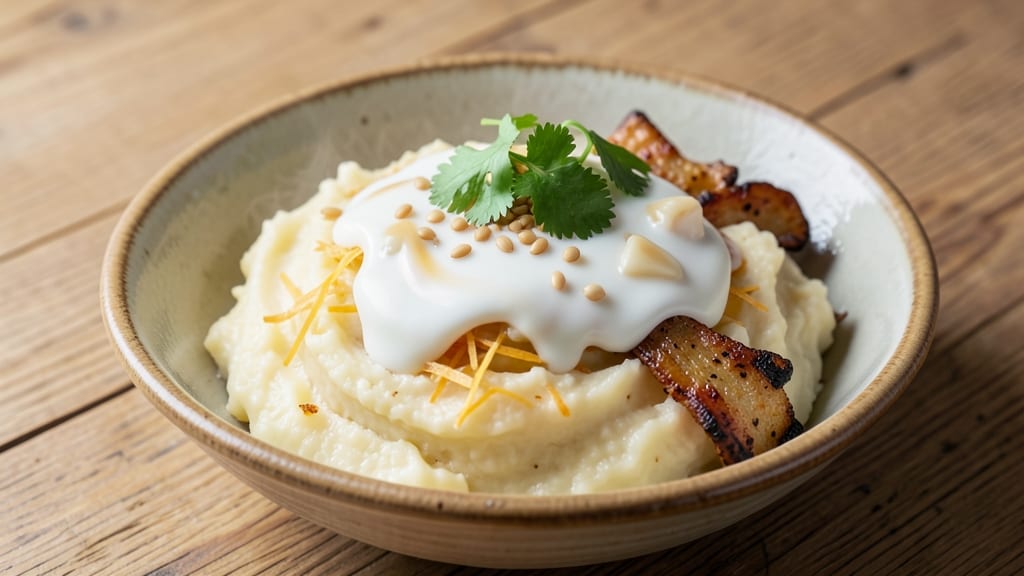
This Asian mashed potato recipe transforms a classic comfort food into something bold and aromatic, blending creamy texture with fragrant ginger, garlic, and umami depth.
The secret lies in using coconut milk and sesame oil for a silky finish that's richer than traditional versions, while still maintaining that familiar, velvety smoothness we all love.
I developed this after craving something familiar yet exciting—something that would pair perfectly with stir-fries or grilled meats while standing out as a side dish on its own.
The process is straightforward but elevates mashed potatoes to restaurant-quality results. You'll start with potatoes cooked in ginger-infused broth for natural sweetness and depth, then mash them with coconut milk and a touch of miso paste for that signature umami kick.
A drizzle of chili oil and toasted sesame seeds at the end adds a bright, spicy contrast that makes every bite irresistible. The texture is silky and smooth, with none of the grittiness that can sometimes plague homemade mashed potatoes.
What makes this recipe truly special is how versatile it is. Serve it alongside teriyaki chicken, beef stir-fry, or even as a filling for dumplings—the flavors adapt seamlessly to any Asian-inspired meal.
The ginger-garlic aroma alone will draw everyone to the table, and the first bite delivers a harmonious blend of creamy, spicy, and savory notes. It's the kind of dish that turns an ordinary dinner into something memorable without requiring extra effort.
Ready to try it? The best part is that this recipe delivers restaurant-quality results in under an hour, with ingredients you likely already have on hand. Whether you're hosting a dinner party or just craving something new, these mashed potatoes will steal the show. Let's get started!
Ingredients for asian mashed potato
Silky texture meets bold Asian flavors—just these 13 ingredients transform ordinary mashed potatoes into a restaurant-worthy side.
| Ingredient | Amount | Notes |
|---|---|---|
| Russet Potatoes 🥔 | 2 ½ lb | Yukon Gold or red potatoes work too |
| Fresh Ginger 🌿 | 1 ½ tbsp | Grate finely for aromatic infusion |
| Garlic Cloves 🧄 | 4 cloves | Minced for maximum flavor |
| Light Chicken Broth 💧 | 2 cups | Low-sodium preferred for balance |
| Full-Fat Coconut Milk 🥥 | ½ cup | Canned, unsweetened variety |
| White Miso Paste 🍶 | 1 tbsp | For authentic umami depth |
| Sesame Oil 🫒 | 1 tbsp | Toasted for nutty aroma |
| Chili Oil 🌶️ | 1 tbsp | Store-bought or homemade |
| Toasted Sesame Seeds 🌰 | 1 tbsp | For garnish and crunch |
| Unsalted Butter 🧈 | ½ cup | Cold, cubed for creamy texture |
| Diamond Crystal Kosher Salt 🧂 | 1 ½ tsp | Adjust to taste |
| Black Pepper 🌶️ | ½ tsp | Freshly cracked for heat |
| Green Onion 🧅 | 2 whole | Sliced thin for garnish |
The ginger and garlic are non-negotiable here—they infuse the broth with aromatic depth that elevates everything. Look for fresh ginger with tight, smooth skin at Whole Foods or your local Asian market—it keeps for weeks in the freezer if you're not using it all at once. Garlic cloves should be plump and firm, not sprouting. For the broth, low-sodium options like Pacific Foods work best so you control the seasoning. The potatoes? Russets are ideal for their high starch content, but Yukon Golds add natural sweetness that pairs beautifully with the ginger. Peel and cube them evenly for consistent cooking—about 1.5-inch cubes ensures they soften perfectly without breaking apart.
No fresh ginger? Substitute with 1 tbsp ginger powder, but it lacks the vibrant aroma. Short on coconut milk? Heavy cream or full-fat Greek yogurt works in a pinch, though the flavor profile shifts slightly. The miso paste is where the magic happens—white miso adds sweetness, red brings heat. If you can't find it, 1 tbsp soy sauce plus 0.5 tsp sugar mimics the umami, though it won't be identical. For the chili oil, Lao Gan Ma brand is a pantry staple, but any high-quality version with visible red chili flakes will do. The sesame oil should be toasted—Kadoya or Primor are reliable brands, and it's worth the splurge for that nutty aroma. If you're missing sesame seeds, toasted pumpkin seeds add a similar crunch.
Potatoes keep 3-4 days in the fridge once peeled—so pre-peel and store them in cold water to prevent browning. The mashed potatoes themselves reheat beautifully—just warm with a splash of broth or water to restore creaminess. For make-ahead meals, portion into containers with a thin layer of coconut milk on top to prevent drying. They freeze for up to 3 months, though texture may soften slightly. The chili oil and sesame seeds are best added fresh before serving—store them separately in your pantry for maximum flavor impact. Garnish with green onions just before eating to keep them vibrant.
Why You'll Love This Recipe
- No Boil, No Stress: I peel and cube the potatoes, toss them in oil, and roast them whole—no peeling hassle, no waiting for water to boil. The oven does all the work while I chop ginger and garlic, which takes less time than microwaving leftovers.
- Creamy Without Butter: That rich, velvety texture comes from coconut milk and broth, not heavy cream or butter. It’s lighter but still indulgent, and honestly? The ginger and garlic make every bite feel like a little flavor explosion.
- Leftovers That Don’t Suck: This mash reheats like a dream—just a quick microwave zap or stovetop warm-up, and it’s just as good as day one. I’ve sent it to work lunches, packed it in kids’ school thermoses, and even used it as a base for curry bowls.
- Budget-Friendly Luxury: Russets are cheap, and a little fresh ginger and garlic stretch the flavor far. The coconut milk adds depth without breaking the bank, so I can make this for a weeknight dinner or a fancy-ish potluck without stressing.
Step-by-step instructions for fragrant Asian mashed potatoes
Here's how to transform simple potatoes into a velvety, aromatic masterpiece with bold Asian flavors.
Prep and Boil the Potatoes
Start by peeling the 2.5 lb Russet Potatoes and cutting them into 2-inch chunks. I like to use a mandoline for even slices, but a sharp chef's knife works too. Place them in a large pot and cover with cold water by about 2 inches—this prevents them from absorbing too much starch.
Add 1.5 tsp Diamond Crystal Kosher Salt to the water and bring to a rolling boil over high heat. Once boiling, reduce to medium-high heat and cook for 15-20 minutes until the potatoes are fork-tender and easily pierced. Drain immediately in a colander and return them to the pot to prevent overcooking.
Create the Aromatic Base
While the potatoes cook, heat 1 tbsp Sesame Oil in a small saucepan over medium heat. Add the 4 cloves Garlic Cloves, minced, and 1.5 tbsp Fresh Ginger, grated, cooking for 1-2 minutes until fragrant but not browned. This step unlocks the dish's signature depth of flavor.
Remove from heat and stir in 1 tbsp White Miso Paste and 1 tbsp Chili Oil, whisking until smooth. The miso adds umami richness while the chili oil brings a subtle heat. Set this mixture aside—it's the soul of your mashed potatoes.
Mash with Creamy Elements
Return the drained potatoes to the pot and let them steam-dry for 1 minute to evaporate excess moisture. Add 0.5 cup Unsalted Butter, cut into small cubes, and 0.5 cup Full-Fat Coconut Milk. Use a potato masher or ricer for a silky texture—don't overmix or you'll get gluey potatoes.
Gradually fold in the aromatic base from Step 2, mixing until fully incorporated. The coconut milk creates a luxurious creaminess while the butter adds richness. Season with 0.5 tsp Black Pepper and taste—you might need a pinch more salt depending on your broth.
Infuse with Broth and Finish
Heat the 2 cups Light Chicken Broth in a small saucepan until steaming (don't boil). Slowly incorporate it into the mashed potatoes, 1 ladle at a time, while stirring vigorously. This step creates that signature light, airy texture—don't rush it. The broth should be fully absorbed before serving.
For the final touch, swirl in 1 tbsp Toasted Sesame Seeds and 2 whole Green Onion, sliced thin. The sesame seeds add nutty crunch while the green onion brings freshness. Serve immediately with a drizzle of extra chili oil if you love heat.
Pro Tips For Making Asian Mashed Potato
- BOIL POTATOES UNTIL TENDER: Russets need to be fork-tender, not mushy—test with a knife at 15 minutes, then finish cooking. Overcooking turns them gluey, and you’ll fight to get that creamy texture back later.
- PEEL GINGER LIKE A PRO: Use a spoon to scrape off the skin in one long strip—no peeling knife needed. Fresh ginger should be thinly sliced, not grated, for this dish (it burns easily and adds texture).
- DON’T SKIP THE BROTH REDUCTION: Simmer the chicken broth down to about ¼ cup first—it concentrates the flavor and thickens the mash. Skipping this step leaves your potatoes watery, no matter how much coconut milk you add.
- SAVE TIME WITH COLD POTATOES: Let the boiled potatoes cool for 10 minutes before mashing—they’ll be easier to handle, and you’ll avoid a gummy mess. (Yes, even if you’re impatient like me.)
Creative variations of this dish
Japanese-Inspired Curry Mashed
Swap the coconut milk for ½ cup Japanese curry roux (like S&B Golden Curry) and add 1 tbsp soy sauce to the broth. The roux creates a subtle, aromatic depth that pairs beautifully with ginger.
I like to finish with a sprinkle of furikake seasoning for extra umami and crunch. This version works perfectly alongside katsu curry or teriyaki dishes. 🌸
Thai-Inspired Lemongrass Twist
Infuse the broth with 1 stalk lemongrass (bruised and tied with kitchen twine) and 1 tbsp fish sauce for a bright, tangy kick. After mashing, stir in 2 tbsp lime juice and top with crushed peanuts and cilantro.
This variation shines as a side for Thai green curry or grilled lemongrass chicken. The citrus cuts through the richness beautifully.
Korean Kimchi Creaminess
Replace the miso with 2 tbsp kimchi paste (blended from store-bought kimchi) and fold in 1 tbsp gochujang for a spicy, fermented depth. Garnish with sesame seeds and thinly sliced green onions.
This version pairs wonderfully with bulgogi beef or Korean fried chicken. The tangy, spicy notes make it a standout side dish. 🌶️
Vietnamese Caramelized Onion
Sauté 1 cup thinly sliced onions in 1 tbsp neutral oil until deeply caramelized (about 20 minutes). Fold these into the mashed potatoes along with 1 tsp fish sauce and a pinch of sugar.
Top with fresh cilantro and a drizzle of hoisin sauce. This variation works beautifully with pho or Vietnamese spring rolls. The sweetness of the caramelized onions balances the ginger perfectly.
Spicy Sichuan Fusion
Add 1 tsp Sichuan peppercorns (toasted and ground) and 1 tbsp doubanjiang (fermented chili bean paste) to the ginger-garlic base. Finish with crushed dried chilies and toasted sesame seeds. This version delivers a tingling, spicy kick that pairs amazingly with Sichuan-style stir-fries or mapo tofu.
The heat is balanced by the creamy coconut milk, making it a crowd-pleaser. 🔥
Sweet Potato Adaptation
Replace half the Russet potatoes with 1 lb sweet potatoes (peeled and cubed). Roast them alongside the Russets for 20 minutes at 400°F before boiling to deepen their natural sweetness. Add ½ tsp cinnamon and a pinch of nutmeg to the mashed potatoes for a warm, comforting twist.
This version is perfect for Asian-inspired fall menus or as a side for roasted duck**. The sweetness complements the ginger beautifully. 🍠
Nutrition facts
Frequently asked questions
Can I use sweet potatoes instead of regular potatoes?
For a sweet potato adaptation, replace half the Russet potatoes with 1 lb peeled and cubed sweet potatoes. Roast them alongside the Russets for 20 minutes at 400°F before boiling to deepen their natural sweetness. Add ½ tsp cinnamon and a pinch of nutmeg for warmth. The texture will be slightly denser but equally delicious.
How do I make this recipe less spicy?
Reduce or omit the chili oil entirely—use just 1 tsp instead of 1 tbsp for mild heat. For extra creaminess, add 2 tbsp plain Greek yogurt when mashing to balance any lingering spice. The ginger and garlic flavors will still shine without the heat.
What’s the best way to reheat these mashed potatoes?
Reheat in a lightly oiled saucepan over low heat, stirring frequently with a splash of warm broth or coconut milk to restore creaminess. Avoid microwaving—it makes them gummy. For best results, reheat just until warm, then finish with fresh sesame seeds and chili oil to revive the flavors.
Can I make this ahead of time?
Yes! Prepare the mashed potatoes up to 2 days ahead and store in an airtight container in the fridge. Reheat gently with broth, then finish with fresh garnishes. For freezing, portion into containers with a thin layer of coconut milk on top to prevent drying. Thaw overnight in the fridge before reheating.
What’s the secret to silky texture?
The key is steam-drying the potatoes after draining (let them sit in the pot for 1 minute) and using a potato ricer or masher instead of a fork. The ricer breaks down starches for a smoother finish. Also, fold in the coconut milk and butter gradually while stirring vigorously to incorporate air.