
Side Dishes
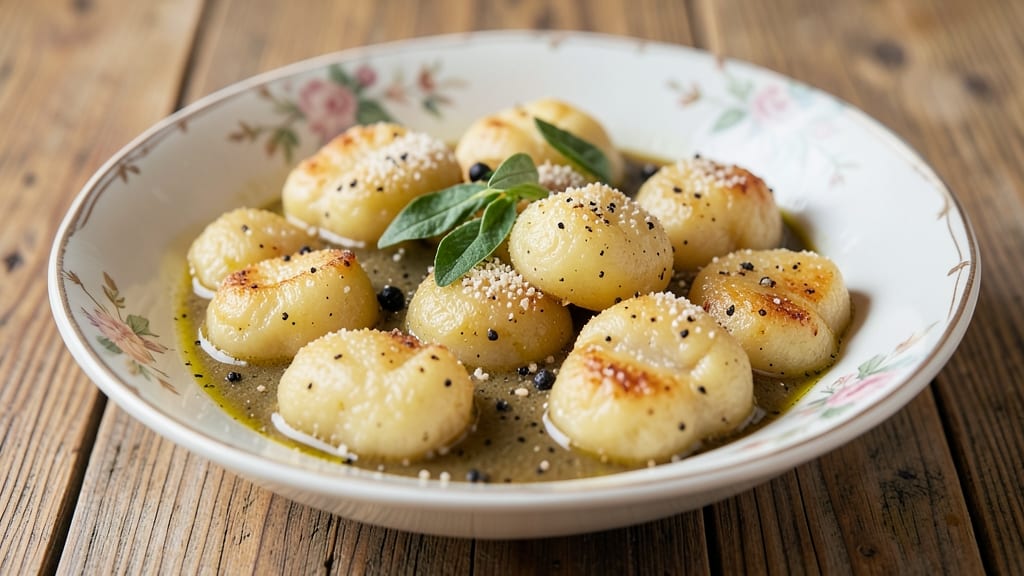
This 1 potato gnocchi recipe delivers restaurant-worthy pillowy clouds with just one ingredient doing all the heavy lifting—starchy potatoes. The secret lies in the potato-to-flour ratio and proper resting time, which transforms humble spuds into tender, melt-in-your-mouth dumplings that float effortlessly in boiling water.
I've perfected this method over years of trial and error, ensuring even beginners can achieve professional results without special equipment.
What makes this recipe truly special is the simplicity of the technique: no ricotta, no eggs, just potatoes and flour. The dough rests overnight for maximum tenderness, while the fork method for shaping creates those signature ridges that help the sauce cling.
Boiling time is quick—just 2-3 minutes—and you'll know they're perfect when they float to the surface like little clouds. This is the kind of dish that transforms ordinary meals into something extraordinary.
Pair your gnocchi with classic Italian sauces like sage brown butter, marinara, or a simple tomato cream for a complete meal. The beauty of this recipe is its versatility—serve as a side for grilled meats, a main dish with a fresh salad, or even as a comforting pasta alternative.
The texture is what truly sets it apart: light enough to disappear on your fork yet sturdy enough to hold up to rich sauces.
With just 30 minutes of active time and minimal cleanup, you'll have homemade gnocchi that rivals any restaurant version. The process is foolproof once you understand the key steps, and the results are worth every minute of effort.
Let's get started on creating these pillowy Italian classics in your own kitchen.
Ingredients for 1 potato gnocchi
Two ingredients make magic—potatoes and flour—plus a few helpers for perfect pillowy gnocchi.
| Ingredient | Amount | Notes |
|---|---|---|
| Russet Potatoes 🥔 | 3 lbs | Starchy, no green skin |
| All-Purpose Flour 🌾 | 2 cups | Plus 2 tbsp for dusting |
| Salt 🧂 | 1 ½ tsp | Kosher or sea salt |
| Olive Oil 🫒 | 1 tbsp | For dusting dough |
| Semolina Flour 🌾 | ¼ cup | For rolling surface |
| Large Eggs 🥚 | 1 whole | Optional for binding |
| Water 💧 | 1 cup | For dough consistency |
| Fresh Rosemary 🌿 | 1 tbsp | Chopped, optional garnish |
| Parmesan Cheese 🧀 | ¼ cup | Freshly grated, optional |
The potatoes are everything. Russet or Yukon Gold with thick skins work best—the starchier, the better. Idahoan potatoes or any grocery store's organic section are my go-to. Peel them first, then boil whole until fork-tender (about 20 minutes). Drain and mash while still hot—this drives out excess moisture. I always use a ricer for ultra-smooth dough, but a potato masher works too. The key is to handle the dough gently; overworking makes it tough. If your kitchen's humid, let the mashed potatoes cool slightly before mixing with flour to avoid a sticky mess.
No ricer? Food mill or fine-mesh sieve works too—just don't pulse in a food processor. Short on flour? Add 1 tbsp at a time until the dough holds together when pressed. The dough should be soft but not sticky—like Play-Doh. Too dry? Add a splash of water. Too sticky? Dust with more flour. No egg? 1 tbsp cornstarch helps bind. For shaping, the fork method is foolproof: roll dough into ropes, cut into 1-inch pieces, then press ridges with a fork. Pro tip: Chill the dough 30 minutes before shaping if your kitchen's warm—prevents sticking.
Freshly made gnocchi cooks in 2-3 minutes—just until they float. Keep shaped gnocchi on a floured tray, no stacking, or they'll stick. Reheat in boiling water or a skillet with olive oil. For make-ahead: Freeze uncooked gnocchi on a tray, then transfer to a bag. Cook straight from frozen (add 1 minute). Store cooked gnocchi in the fridge for 2 days or freeze for 3 months. The dough keeps 2 days wrapped in plastic in the fridge, or 3 months frozen. Double the batch—leftovers disappear fast!
Why You'll Love This Recipe
- No-Rolling Required: I swear by this—just mash, fold, and press. The dough’s so forgiving that even my first attempt (which looked like lumpy pancakes) turned out tender. That semolina flour? It’s the secret to keeping them from sticking like glue.
- Creamy-Pillowy Magic: The moment those dumplings hit boiling water, they puff up like little clouds. Russet potatoes are the star—their starch makes them melt-in-your-mouth, while the olive oil in the dough gives them a subtle richness that’s hard to resist.
- Weeknight to Fancy: Same dough, endless uses. Toss with sage and brown butter for a restaurant-worthy dish, or keep it simple with marinara and Parmesan for a quick weeknight dinner. Freeze extras too—they reheat like they’re fresh.
- Pantry Staple Power: Three ingredients (plus salt) do all the heavy lifting. No eggs, no yeast, no fuss. I’ve made this for date nights, lazy Sundays, and even packed them for lunches—they’re cheap, filling, and always a hit.
Step-by-step instructions for homemade gnocchi
Here's how to transform humble potatoes into pillowy, restaurant-quality gnocchi.
Boil and Mash the Potatoes
Cut the 3 lbs russet potatoes into 2-inch chunks, leaving the skin on. Place them in a large pot and cover with cold water by 2 inches. Add 1.5 tsp salt and bring to a boil over high heat. Once boiling, reduce to medium-high and cook for 15-20 minutes until a knife slides in easily and the potatoes are fork-tender.
Drain the potatoes immediately and return them to the pot. Let them steam-dry for 2 minutes to remove excess moisture. Then, using a potato ricer or the largest holes of a box grater, press the potatoes through into a large bowl. I like to work in batches to avoid overcrowding the ricer. The result should be smooth, lump-free potato purée with no liquid—this is crucial for light gnocchi.
Mix the Dough and Rest
Let the mashed potatoes cool slightly until they're warm but not hot to the touch. While they cool, measure out 2 cups all-purpose flour plus 2 tbsp for dusting. Make a well in the center of the flour and add the potato purée. Gently fold the flour into the potatoes using a wooden spoon or your hands until just combined.
At this point, you'll have a sticky, shaggy dough. Here's the thing—don't overwork it. The dough should be soft and slightly tacky, not firm. If it's too dry, add 1-2 tablespoons of the 1 cup water at a time until it comes together. Cover the bowl with plastic wrap and let the dough rest at room temperature for 30 minutes. This resting period relaxes the gluten for lighter gnocchi.
Shape the Gnocchi
After resting, divide the dough into 4 equal pieces and roll each piece into a 12-inch rope about ½-inch thick. Dust your work surface with 0.25 cup semolina flour and roll each rope through a gnocchi board or use a fork to create ridges. For the fork method, lay a rope on the floured surface and press down gently with a fork, spacing the tines about ½-inch apart.
Cut the ridged ropes into 1-inch pieces. As you shape each piece, gently press down with your thumb to create the classic gnocchi dimple—this prevents them from curling during cooking. Place the shaped gnocchi on a floured baking sheet. I like to work in batches to keep the dough from drying out, re-dusting with flour as needed.
Cook to Perfection
Bring a large pot of water to a gentle boil—it should be hot but not rolling. Add the gnocchi in batches (don't overcrowd) and stir gently with a wooden spoon. They're ready when they float to the surface, which typically takes 2-3 minutes. Use a slotted spoon to remove them and transfer to a plate.
For extra flavor, finish them in one of two ways: Toss with 1 tbsp olive oil and 1 tbsp chopped fresh rosemary, or add them to a simmering sauce like brown butter and sage. The gnocchi should be tender inside with a slightly crisp exterior. If you're not serving immediately, keep them warm in a 200°F oven while you prepare your sauce.
Pro Tips For Making 1 Potato Gnocchi
- BOIL POTATOES UNTIL SOFT: Use a fork to test—if it slides in like butter, you’re close. Overcooking turns them gluey, and undercooking means dense, chewy gnocchi. I learned this the hard way when my first batch collapsed like a sad soufflé.
- PEEL AND RICE COLD POTATOES: Let them cool completely before grating—warm potatoes release starch like a sieve. A box grater works, but a food mill? Game-changer. Skip this, and your dough gets sticky and unmanageable.
- DON’T SKIP THE SEMOLINA: Toss the dough in semolina before rolling—it’s not just for looks. The grit prevents sticking, and your finished gnocchi will have that professional, rustic texture. (Yes, even if you’re impatient like me.)
- REST DOUGH BEFORE ROLLING: Give it 30 minutes under plastic wrap. This lets the flour absorb the starch, so your gnocchi won’t crumble when boiling. I was skeptical until I tried it—now it’s non-negotiable.
Troubleshooting great 1 potato gnocchi
Dough Too Sticky
If your dough feels too wet to handle, resist the urge to add more flour—this will make your gnocchi dense. Instead, let the mashed potatoes cool slightly before mixing, as warm potatoes release more moisture. For stubborn stickiness, add just 1 tbsp of water at a time while kneading gently.
I’ve found that chilling the dough for 15-20 minutes in the fridge also helps firm it up without drying it out.
Gnocchi Sinking
Freshly shaped gnocchi should float within 2-3 minutes of boiling. If they sink and never rise, they’re likely too dense. This usually happens from overworking the dough or using too much flour.
Try this fix: press your thumb into each piece firmly before cooking to create a deeper dimple—this helps them float faster. Also, ensure your boiling water is just simmering, not rolling.
Lumpy Texture
Lumpy gnocchi happen when potatoes aren’t mashed smoothly enough. Use a potato ricer or the largest holes of a box grater for the best results. If you’re using a food mill, press firmly to avoid clogging.
For a quick fix, push any lumps through a fine-mesh sieve before mixing with flour. I’ve even seen chefs use a fork to mash potatoes directly in the bowl—just be patient!
Dough Too Dry
A dry dough means your gnocchi will be tough. If this happens, add 1 tbsp of water at a time while kneading until the dough becomes slightly tacky. Avoid over-moistening, though—too much water makes gnocchi gummy.
For extra insurance, cover the dough with a damp towel while resting. If you’re in a rush, a splash of 1 tbsp milk can help bind the dough without adding bulk.
Gnocchi Falling Apart
Overcooked gnocchi turn mushy because they’ve absorbed too much water. The fix? Cook them in batches and remove them immediately when they float. For reheating, use a skillet with 1 tbsp olive oil over medium heat for just 1-2 minutes.
If you’re freezing uncooked gnocchi, spread them on a tray first to prevent sticking—this keeps their shape intact when reheated.
Uneven Cooking
Gnocchi cooking unevenly? This often means they weren’t shaped consistently. Aim for uniform 1-inch pieces with even ridges. For extra insurance, roll the dough ropes slightly thinner (½-inch) to ensure even cooking.
If some pieces are thicker, they’ll need 30-60 seconds longer in the boiling water. Test one piece first—it’s the only way to know for sure!
Nutrition facts
Frequently asked questions
Why does this recipe use only potatoes instead of ricotta?
Traditional Italian gnocchi often includes ricotta for extra richness, but this 1 potato version delivers the same light, pillowy texture without needing dairy. The potato's natural starch creates the perfect structure when combined with just flour—plus, it's easier to handle and more forgiving for beginners. The result is a cleaner flavor that lets your sauce shine.
Can I make gnocchi without a ricer or food mill?
Use a box grater with the largest holes or even a potato masher. For the smoothest texture, press the potatoes through a fine-mesh sieve after mashing. If you're short on time, a fork works too—just mash thoroughly to avoid lumps. The key is removing all excess moisture before mixing with flour.
How do I know when gnocchi is fully cooked?
Gnocchi are done when they float to the surface of gently simmering water—usually within 2-3 minutes. Test one piece by cutting it open: it should be tender all the way through with a slight crispness. Never overcook, or they'll turn mushy. For extra insurance, press a piece with tongs—if it holds its shape, it's perfect.
What's the best sauce pairing for this gnocchi?
Classic choices include sage brown butter (toss with melted butter and crispy sage), marinara (light enough not to weigh down the gnocchi), or tomato cream sauce. For something lighter, try a lemon-garlic olive oil drizzle. The key is balancing rich sauces with the delicate texture—avoid heavy cream-based sauces that can make gnocchi soggy.
Can I make gnocchi ahead of time?
Yes! Shape the gnocchi and freeze them on a floured tray before transferring to a bag. Cook straight from frozen (add 1 minute to boiling time). For freshness, store uncooked gnocchi in the fridge for 2 days or freeze for 3 months. Cooked gnocchi keep 2 days in the fridge—reheat gently in olive oil to restore crispness.