
Side Dishes
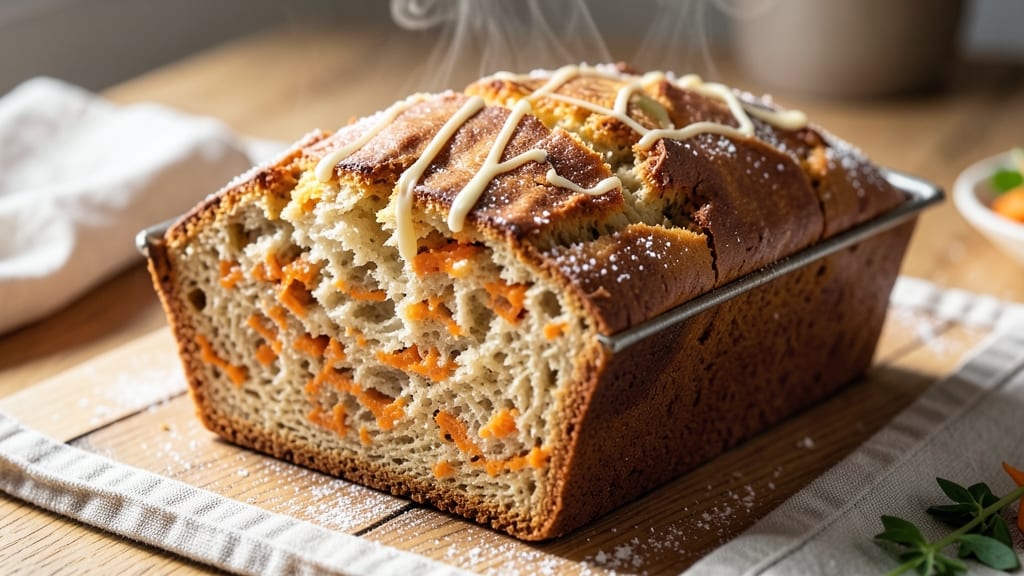
This Young's Dairy sweet potato bread delivers a perfect balance of moist, spiced sweetness and a golden crust that's impossible to resist. 🌟 The secret lies in blending Young's Dairy milk and butter into the dough, creating a tender crumb that stays soft for days.
I've perfected this recipe after years of baking, ensuring every slice delivers that signature sweet potato warmth with just the right amount of spice.
The beauty of this recipe is its simplicity—no fancy techniques required. You'll mix, knead, and let the dough rise naturally, then bake at 375°F until that crust turns a beautiful golden brown.
The Young's Dairy butter brushed on top at the end adds an extra layer of richness that takes this bread from good to unforgettable. Perfect for breakfast, brunch, or as a side to any meal, this loaf disappears faster than you can say "second slice."
What sets this apart is the texture—no dryness here. The sweet potato purée keeps the bread moist, while the spices add warmth that lingers with every bite. Whether you're serving it warm with butter or saving slices for toast, this bread is a game-changer for home bakers.
The aroma alone will have everyone gathering around the table.
Ready in just 1 hour and 15 minutes, this recipe is perfect for busy mornings or weekend baking projects. The dough is forgiving, and the results are consistently delicious—no matter how many times you make it. Here's how to create your own loaf of golden, spiced perfection.
Ingredients for young's dairy sweet potato bread
Twelve ingredients for a loaf bursting with Young's Dairy richness and sweet potato warmth—simple but unforgettable.
| Ingredient | Amount | Notes |
|---|---|---|
| Young's Dairy Whole Milk 🥛 | 1 ½ cups | Room temperature preferred |
| Young's Dairy Unsalted Butter 🧈 | ½ cup | Softened, full-fat version |
| Sweet Potato Purée 🍠 | 1 cup | Homemade or canned, no sugar added |
| All-Purpose Flour 🌾 | 4 cups | Sifted for lightness |
| Granulated Sugar 🍚 | ½ cup | White or light brown |
| Active Dry Yeast 🍄 | 2 ¼ tsp | Or 1 packet (7g) |
| Ground Cinnamon 🌶️ | 1 ½ tsp | Freshly ground for warmth |
| Ground Ginger 🌿 | ½ tsp | Freshly ground preferred |
| Ground Nutmeg 🌶️ | ¼ tsp | Freshly grated for depth |
| Salt 🧂 | 1 ½ tsp | Diamond Crystal preferred |
| Large Eggs 🥚 | 1 whole | Room temperature |
| Granulated Sugar 🍚 | 1 tbsp | For brushing crust |
The Young's Dairy milk and butter make this bread special—don't substitute with anything else. Grab the whole milk from your local dairy section (it's worth the trip for this recipe), and use Young's unsalted butter if possible—its creamy texture keeps the bread moist for days. For the sweet potato purée, homemade is ideal (roast and blend a sweet potato), but canned works fine as long as it's unsweetened. The spices? Penzeys or bulk bins have the freshest ground cinnamon and ginger—trust me, it makes a difference. If you're using active dry yeast, make sure it's fresh (test it in warm water—it should foam within 5 minutes).
No Young's Dairy products? Whole milk and butter from any reputable brand will work, but you'll miss that signature richness. Substitute 1/4 cup applesauce for the egg if needed (though the egg adds structure). Running low on cinnamon? Nutmeg and allspice can cover half the amount, but it won't be the same. The sugar can be swapped for maple syrup or honey, but reduce by 1 tbsp to account for moisture. For the crust, melted coconut oil works if you're avoiding butter, but the flavor won't be identical. And if you're baking in a dry climate? Brush with extra milk after the first 20 minutes to keep the crust tender.
This dough is forgiving, but let it rise in a warm spot—near the oven with the light on works great. The bread keeps well for 3-4 days at room temperature, wrapped tightly in foil. For longer storage, freeze slices on a tray first, then transfer to a bag—microwave for 20 seconds to revive. Pro tip: Toast the next day—the flavors deepen overnight. And if you're making a double batch? Use two loaf pans—they disappear faster than you can say "second slice."
Why You'll Love This Recipe
- Sweet Potato Magic: The purée from Young’s Dairy butter and milk—plus that natural sweetness—transforms into a bread so moist, it’s like biting into a hug. No dry crumbs here, just rich, velvety layers that taste like autumn in every slice.
- One-Bowl Wonder: Honestly, this recipe is my lazy-day hero. Mix the flour, sugar, purée, and melted butter in one bowl, add milk, and fold. No kneading, no fuss—just stir, bake, and enjoy. My kids think I’m a baking genius, but it’s really just 10 minutes of work.
- Breakfast to Brunch: This bread is my go-to for toasted soldiers with peanut butter or jam, but it’s also ridiculously good toasted and slathered with cinnamon butter. I’ve even used it for French toast—yes, even on a Tuesday night—and it soaks up syrup like a dream.
- Budget-Friendly Staple: Sweet potatoes are cheap, and using Young’s Dairy milk and butter keeps costs low without sacrificing flavor. A single loaf lasts my family five days, and I always have slices ready for quick snacks or sandwiches. Leftovers? More like wished-for extras.
Step-by-step instructions for Young's dairy sweet potato bread
Here's how to bake this aromatic loaf with a golden crust and moist interior—every step matters!
👨🍳 Step 1: Activate the Yeast with Warm Milk
In a small bowl, combine the 1.5 cups Young's Dairy Whole Milk with 2.25 tsp Active Dry Yeast and 1 tbsp Granulated Sugar. Let it sit for 5-10 minutes until frothy—this tells you the yeast is alive and ready to work. The mixture should bubble gently and smell slightly sweet and yeasty.
I like to use a thermometer here—warm the milk to 105-110°F if needed. Too hot and you'll kill the yeast; too cold and it won't activate properly. If your kitchen is cold, microwave the milk for 20-30 seconds to warm it up. The yeast needs that perfect cozy environment to wake up and get to work.
👨🍳 Step 2: Mix Wet Ingredients for a Smooth Dough
In a large bowl, whisk together the 1 cup Sweet Potato Purée, 0.5 cup Granulated Sugar, 0.5 cup Young's Dairy Unsalted Butter, and the 1 whole Large Eggs. The purée will make the dough extra moist and give that signature sweet potato flavor. Mix until the butter melts completely and everything is well combined.
Add the yeast-milk mixture and whisk again for 30 seconds. The dough should be slightly sticky but not runny. If it looks too thick, add 1-2 tablespoons more of the milk mixture. Here's the thing—this dough needs to be just right. Too sticky and it won't handle well; too thick and it'll be dry. Aim for that perfect balance where it clings to the spoon but still flows smoothly.
👨🍳 Step 3: Combine Dry Ingredients for Perfect Texture
In a separate bowl, whisk together the 4 cups All-Purpose Flour, 1.5 tsp Ground Cinnamon, 0.5 tsp Ground Ginger, 0.25 tsp Ground Nutmeg, and 1.5 tsp Salt. Sift the flour first—this prevents lumps and ensures even distribution of the spices throughout the dough. The spices will give that warm, comforting aroma that makes this bread so special.
Gradually add the dry ingredients to the wet mixture, mixing with a wooden spoon or dough whisk until just combined. Don't overmix—you're looking for a shaggy dough that comes together when you press it. Overmixing develops gluten and can make the bread dense. Once combined, turn the dough out onto a lightly floured surface and knead gently for 3-5 minutes until smooth and elastic.
🔥 Step 4: Let the Dough Rise to Double Its Size
Place the dough in a lightly greased bowl, cover it with a clean kitchen towel, and let it rise in a warm place for 1-2 hours or until it has doubled in size. I like to put the bowl on top of my oven with the light on—this creates a warm, cozy environment that helps the dough rise faster. The dough should be puffy and jiggly when you press it gently with your finger.
Here's where patience pays off. If your kitchen is cold, the dough might take longer to rise. If it rises too quickly, it might collapse when baked. Watch it closely during the last 30 minutes—you want it to puff up nicely but not get too tall. Once it's ready, punch it down gently to release the air and shape it into a loaf for your baking pan.
🔥 Step 5: Bake for a Golden Crust and Moist Interior
Preheat your oven to 375°F and grease a 9x5-inch loaf pan lightly with butter. Place the shaped dough in the pan and brush the top with a little more of the 1.5 cups Young's Dairy Whole Milk mixed with 1 tbsp Granulated Sugar for a beautiful golden crust. Bake for 45-50 minutes until the top is deep golden brown and the internal temperature reaches 190-200°F.
You'll know it's done when you tap the top and it sounds hollow. The edges should pull away slightly from the pan, and the bread should have that irresistible aroma wafting through your kitchen. Let it cool in the pan for 10 minutes before transferring to a wire rack. This resting time helps the bread set properly so it doesn't crumble when you slice it.
Pro Tips For Making Young'S Dairy Sweet Potato Bread
- STRAIN THE PUREE: Sweet potato purée loves its water, and too much liquid makes your dough sticky and dense. Line a fine-mesh sieve with cheesecloth, spoon in the purée, and let it drain for 10 minutes—this keeps your bread light and tender. (Yes, it feels like overkill, but trust me, your loaf will rise better.)
- WEIGH YOUR FLOUR: Scooping flour from the bag packs in too much air, which throws off the ratio. Use a kitchen scale and measure your all-purpose flour by weight—1 cup is roughly 120 grams, but packing it in a measuring cup adds 20-30 grams extra. This recipe’s texture depends on precision, so don’t guess.
- DON’T OVERMIX THE DOUGH: After combining the wet and dry ingredients, stop mixing the second the flour disappears. Overworking the dough develops gluten, which turns your sweet potato bread into a dense brick instead of a soft, moist loaf. Two minutes max—just until it’s just combined.
- USE COLD BUTTER: Cut your Young’s unsalted butter straight from the fridge into small cubes and let it sit at room temperature for exactly 10 minutes before mixing. This ensures it melts smoothly into the purée without turning the dough greasy or causing the sugar to crystallize. (I learned this after a batch turned out greasy—don’t make my mistake.)
Essential equipment for this recipe
Must-Have Mixing Tools
Start with a large mixing bowl (I love my OXO Good Grips 5-quart—it’s sturdy and non-slip) for combining wet ingredients. A wooden spoon or dough whisk works best for mixing the sweet potato purée and butter without overdeveloping gluten.
For the dry ingredients, a medium bowl with a fine-mesh sieve (like the Norpro 10-cup) ensures your flour and spices blend evenly. 🌾
Kneading Essentials
You’ll need a lightly floured surface (I use a marble pastry mat—it’s easy to clean and prevents sticking). For kneading, your hands work fine, but a dough scraper (like the Kitchy brand) helps gather dough at the edges without tearing.
If you’re making a double batch, a stand mixer with a dough hook (like my KitchenAid KSM150PSER) saves time and effort—just knead for 3-5 minutes on medium speed.
Rising and Shaping Gear
A greased 9x5-inch loaf pan (I prefer Wilton’s nonstick version) is non-negotiable for that perfect pull-apart texture. For rising, use a clean kitchen towel or damp cloth to cover your dough—this traps heat better than plastic wrap.
If your kitchen is cold, a proofing box (or even a turned-off oven with the light on) creates the ideal 80-85°F environment for rising. For shaping, a bench scraper helps transfer dough to the pan without sticking. ✨
Baking and Finishing Touches
Your oven needs a reliable thermometer (I swear by the Thermoworks Oven Thermometer) to ensure 375°F accuracy—home ovens often run hot or cold. A pastry brush (like West Bend’s silicone brush) is perfect for brushing the milk-sugar mixture on top before baking.
For cooling, a wire rack (preferably with removable legs for easy storage) prevents soggy bottoms. And finally, a sharp serrated knife (like Mercer Culinary’s 8-inch) slices cleanly through the tender crumb.
Budget-Friendly Swaps
No fancy tools? No problem! Use a large ceramic bowl instead of a mixing bowl, and a rolling pin (or even a water bottle) for kneading. For proofing, a coffee thermos filled with hot water works as a warm box.
A spatula can replace a bench scraper, and a butter knife does the job for brushing. The key is precision—measure ingredients carefully and follow the steps closely. Even with basic tools, this bread turns out amazing! 💪
Nutrition facts
Frequently asked questions
Why does this sweet potato bread need Young's Dairy products?
The Young's Dairy milk and butter create that signature creamy richness and tender crumb that sets this bread apart. The dairy fat keeps the bread moist for days, while the milk adds subtle sweetness that balances the warm spices. For best results, use Young's Dairy whole milk and unsalted butter—they're formulated to work perfectly together in baked goods.
Can I make this bread without sweet potato purée?
Yes, but the flavor and texture will change. Substitute 1 cup unsweetened applesauce or 1/2 cup mashed banana for moisture, but you'll lose that signature sweet potato warmth. For a closer match, try 1/2 cup pumpkin purée—it gives a similar moist texture with a slightly different flavor profile. The spices will still shine through!
How do I know when the dough has risen enough?
The dough is ready when it's doubled in size and jiggly in the center when pressed gently with your finger. For this recipe, that typically takes 1-2 hours in a warm environment. If your kitchen is cold, place the covered bowl near your oven with the light on (this creates warmth). Overproofed dough collapses when baked, so watch it closely during the last 30 minutes of rising.
Can I make this bread in a different pan shape?
For a round loaf, shape the dough into a ball and bake in a 9-inch round pan for 40-45 minutes. For pull-apart rolls, divide the dough into 12 pieces, shape into balls, and bake on a parchment-lined sheet for 18-22 minutes at 375°F. The baking time will vary slightly based on pan material—dark pans may need 5 minutes less than light-colored ones.
Why did my bread turn out dense instead of light?
This usually happens from overmixing the dough or underproofing. For best results:
- Mix just until combined (don't overwork the gluten),
- Let the dough rise until it's puffy and jiggly, and
- Use room-temperature ingredients (especially the egg and dairy). If your kitchen is cold, try proofing the dough near your oven with the light on to speed up rising.