
Side Dishes
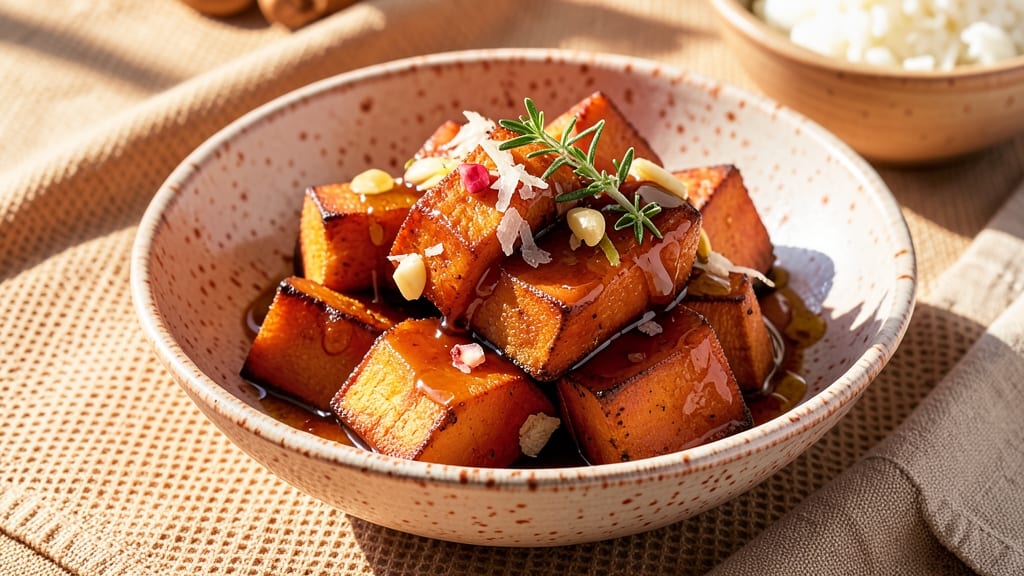
This sweet potato vinegar recipe transforms humble pantry staples into a vibrant, tangy-sweet glaze that elevates roasted vegetables and meats to restaurant-quality levels. The process is surprisingly simple—just simmer sweet potato puree with apple cider vinegar, garlic, and a touch of maple syrup until thickened into a glossy, caramelized sauce.
I developed this recipe after realizing how much depth store-bought glazes were missing, and the results speak for themselves: a perfect balance of sweetness and acidity that clings beautifully to crispy edges.
The beauty of this sauce lies in its versatility—it works as a marinade for tofu or chicken, a glaze for roasted Brussels sprouts or carrots, or even a tangy dipping sauce for spring rolls.
The fermentation-like process (simmering vinegar with sweet potato) creates natural probiotics while building complex flavors that store-bought versions can't match. What makes it truly special is how it enhances other ingredients rather than overpowering them, making it ideal for both weeknight dinners and special occasions.
What you’ll end up with is a vegan-friendly, shelf-stable sauce that adds a sophisticated touch to any dish without requiring fancy ingredients. The texture is silky yet slightly sticky, perfect for drizzling over hot food or tossing with cold salads.
Best of all, it keeps for weeks in the fridge, so you can make a big batch and use it throughout the month—no waste, just flavor.
Whether you're roasting a rainbow of vegetables, searing a protein, or simply looking for a better alternative to bottled glazes, this recipe delivers professional results with minimal effort.
The key is patience during the simmering process, which allows the flavors to meld into something truly special. Ready to transform your meals with this game-changing sauce?
Ingredients for sweet potato vinegar
Pantry staples and fresh roots transform into this restaurant-worthy tangy-sweet glaze.
| Ingredient | Amount | Notes |
|---|---|---|
| Orange Sweet Potatoes 🍠 | 2 medium | Peeled and cubed (about 2 cups) |
| Apple Cider Vinegar 🍎 | 1 ½ cups | Raw, unfiltered preferred |
| Pure Maple Syrup 🍯 | ½ cup | Grade B for depth of flavor |
| Garlic Cloves 🧄 | 4 cloves | Peeled and smashed |
| Fresh Ginger Root 🌿 | 1 inch | Peeled and finely grated (about 1 tbsp) |
| Extra-Virgin Olive Oil 🫒 | ¼ cup | For richness and silkiness |
| Diamond Crystal Kosher Salt 🧂 | 1 tsp | Adjust to taste |
| Fresh Lemon Juice 🍋 | 2 tbsp | Brightens the glaze |
| Ground Cinnamon 🌶️ | ½ tsp | Optional for warmth |
| Water 💧 | ½ cup | For thinning if needed |
Sweet potatoes are the star here—organic or heirloom varieties have the deepest color and sweetness. Trader Joe's and Whole Foods carry excellent options, or grow your own if you're lucky enough. The ginger should be fresh, not powdered—Asian markets often have the best selection. For maple syrup, Grade B has a richer, more complex flavor than Grade A. Apple cider vinegar matters too: Bragg or local orchard brands have the best depth. If you can't find raw vinegar, pasteurized will work in a pinch, but you'll lose some of that tangy complexity.
No fresh ginger? Powdered ginger at half the amount gets you close, though it lacks the fresh bite. Short on sweet potatoes? Yams or regular potatoes work, but they won't have the same caramelization. The olive oil can be swapped for avocado oil if you prefer a neutral flavor. For extra depth, add 1 tsp smoked paprika or a pinch of cayenne. The lemon juice is non-negotiable—it balances the sweetness and brightens the whole glaze. If you're making this ahead, store the vinegar and sweet potato separately until ready to combine to prevent browning.
This glaze thickens as it cools, so start with 0.5 cup water if it seems too thick right away. Store in a glass jar with a tight seal—keeps for 3-4 weeks in the fridge or 6 months frozen. I like to make a big batch and keep it in the pantry for quick weeknight meals. The flavor actually improves after a few days as the vinegar and sweet potato meld together. For extra shelf life, add a thin layer of olive oil on top before sealing.
Why You'll Love This Recipe
- Five-Ingredient Magic: I swear, this recipe is the kind of thing you’ll make just to prove it works—and then make it again because it does. Those orange sweet potatoes practically melt into the vinegar and maple syrup, while the garlic and ginger add a zing that turns a simple pan into something special. No fancy techniques, no stress—just chop, simmer, and taste something that feels like a hug in a skillet.
- Sweet & Tangy Fix: Honestly, the balance here is next-level. The maple syrup gives it a deep, caramelized sweetness, but the apple cider vinegar cuts right through it—like a bright, tangy kiss. Add a sprinkle of salt at the end, and suddenly you’ve got a dish that’s addictive, not cloying. (Yes, even on a Tuesday night.)
- Meal Prep MVP: This keeps so well in the fridge, which is a game-changer for me. I’ll make a big batch on Sunday, and by Thursday, it’s still the star of my lunch. The flavors actually deepen over time, so leftovers taste even better than the first go-round. Plus, it’s the kind of thing that works cold, warm, or at room temp—no fuss.
- Budget Bright Spot: Between us, orange sweet potatoes are often cheaper than regular ones, and you’re using them in a way that feels fancy. Apple cider vinegar and maple syrup stretch your dollar too, while garlic and ginger add depth without costing a fortune. It’s the kind of recipe that makes you feel like you’re treating yourself without breaking the bank. (My wallet thanks me every time.)
Step-by-step instructions for sweet potato vinegar glaze
This tangy-sweet glaze transforms humble sweet potatoes into a versatile sauce perfect for roasted dishes.
Roast the Sweet Potatoes Until Caramelized
Preheat your oven to 400°F and line a baking sheet with parchment paper. Arrange the peeled and cubed orange sweet potatoes in a single layer, ensuring they don't overlap. Drizzle lightly with 1 tablespoon of the extra-virgin olive oil and sprinkle with ½ teaspoon of the diamond crystal kosher salt.
Roast for 25-30 minutes, stirring halfway through, until the edges are deeply caramelized and the cubes are tender when pierced with a fork. The sweet potatoes should smell rich and nutty—this is your cue they're ready. Let them cool slightly before transferring to a blender or food processor.
Blend the Roasted Sweet Potatoes with Aromatics
While the sweet potatoes are still warm, transfer them to a blender or food processor along with the peeled and smashed garlic cloves, peeled and finely grated ginger root, and the remaining 2 tablespoons of extra-virgin olive oil. Blend until completely smooth, scraping down the sides as needed. This base creates the velvety texture that makes the glaze so special.
Taste the mixture—it should be sweet and earthy with a hint of garlic and ginger. If it's too thick to blend easily, add 1-2 tablespoons of the apple cider vinegar to loosen it. The goal is a silky purée that will form the foundation of your glaze.
Simmer the Glaze with Vinegar and Maple Syrup
Transfer the sweet potato purée to a medium saucepan and stir in the 1.5 cups of apple cider vinegar, 0.5 cup of pure maple syrup, and the 0.5 teaspoon of ground cinnamon. Bring the mixture to a gentle simmer over medium heat, then reduce the heat to low and let it cook for 10-12 minutes, stirring occasionally.
You'll notice the glaze thickening as the liquid reduces. The aroma should become complex—sweet, tangy, and slightly spicy from the ginger. If the glaze becomes too thick before it's fully flavorful, add 1-2 tablespoons of water to reach your desired consistency. The final texture should coat the back of a spoon smoothly.
Finish with Lemon Juice and Season to Taste
Remove the glaze from heat and stir in the 2 tablespoons of fresh lemon juice. This brightens the flavors and balances the sweetness with a crisp acidity. Taste and adjust the seasoning with additional diamond crystal kosher salt if needed—this glaze should taste vibrant and well-rounded.
For an ultra-smooth finish, strain the glaze through a fine-mesh sieve to remove any remaining bits of garlic or ginger. Let it cool to room temperature before using. This glaze keeps well in the refrigerator for up to 1 week, making it perfect for batch cooking ahead of time.
Use the Glaze on Roasted Veggies or Meats
To use, warm the glaze gently in a small saucepan over low heat until it reaches a pourable consistency. Drizzle it over roasted sweet potatoes, Brussels sprouts, or even grilled chicken. The glaze's balance of sweet, tangy, and savory flavors makes it incredibly versatile—it works equally well as a marinade, drizzle, or even a dip for fresh bread.
For extra richness, finish with a drizzle of extra-virgin olive oil or a sprinkle of flaky sea salt. The contrast of textures and temperatures—warm glaze over hot roasted vegetables—elevates every bite to restaurant-quality.
Pro Tips For Making Sweet Potato Vinegar
- Peel After Cooking: Orange sweet potatoes are stubborn—peeling them raw means you’ll waste good flesh. Instead, boil or steam them whole until tender (about 15 minutes), then peel while still warm. The skin slides off like butter, and you’ll salvage every last bit of that vibrant flesh.
- Toast the Spices First: Dry-toast the garlic and ginger in a pan for 1-2 minutes until fragrant before adding vinegar. This builds depth—no more bland, vinegary aftertaste. (Yes, even if you’re impatient like me, resist the urge to skip this.)
- Simmer Slow and Low: Reduce heat to a gentle simmer after adding vinegar—boiling turns the sweet potatoes mushy and the sauce bitter. A steady 30-45 minutes at low heat lets the flavors meld without falling apart.
- Strain for Smoothness: After simmering, strain the mixture through a fine-mesh sieve to remove fibrous bits. It’s extra effort, but the result is a silky sauce—no one wants to chew ginger strings while eating their dish. (Your future self will thank you.)
Pro cooking tips for perfect results
Perfect Caramelization
Roast your sweet potatoes at 400°F until the edges turn deep caramel brown—this is where the magic happens. I use a Vitamix blender for ultra-smooth purée, but any high-powered blender works. The caramelized edges add depth that raw sweet potatoes can't match. 🔥
For even better results, roast the sweet potatoes on the middle rack where heat circulates most evenly. If you notice them browning too quickly, tent them loosely with aluminum foil after 20 minutes to prevent burning while still allowing moisture to escape.
Vinegar Selection
Raw, unfiltered apple cider vinegar is non-negotiable for this recipe. I prefer Bragg or local orchard brands—they contain the "mother" culture that adds complexity. If you must use pasteurized vinegar, simmer it for an extra 5 minutes to intensify the flavor.
Never substitute white vinegar—it lacks the fruity depth that makes this glaze special. The vinegar's acidity also helps break down the sweet potato fibers during blending, creating that silky texture we love.
Simmering Technique
Keep the heat at a gentle simmer—low-medium—to prevent scorching. I use a stainless steel saucepan because it distributes heat evenly. Stir frequently with a wooden spoon to prevent sticking and ensure even reduction.
If the glaze starts to stick, add 1 tablespoon water at a time until it loosens. The goal is a thick, syrupy consistency that coats the back of a spoon. Patience here pays off with deeper flavor development.
Flavor Balancing
The lemon juice is your secret weapon for brightness. I add it off-heat to preserve its acidity. Taste before adding salt—this glaze should taste vibrant, not flat. The maple syrup should be Grade B for its molasses notes that add complexity.
For extra depth, add ½ teaspoon smoked paprika during simmering. It adds a subtle smokiness that pairs perfectly with roasted vegetables. Adjust the cinnamon to taste—some prefer it more pronounced than others.
Storage Secrets
Store in a glass jar with an airtight seal in the fridge for up to 4 weeks. The flavors actually improve over time as the vinegar and sweet potato meld together. I like to make a big batch and keep it in the pantry for quick weeknight meals.
For long-term storage, freeze in ice cube trays—perfect portions for single use. Thaw overnight in the fridge before reheating. The texture may thicken slightly after freezing, so add 1 teaspoon water per cube when reheating.
Nutrition facts
Frequently asked questions
Can I use regular potatoes instead of sweet potatoes?
While you can substitute regular potatoes, the flavor and texture will differ significantly. Sweet potatoes provide a natural sweetness and deeper caramelization that regular potatoes lack. For a similar result, use yams or purple sweet potatoes, which offer slightly different but complementary flavors. The glaze will still work, but expect a milder sweetness and less vibrant color.
How do I adjust the sweetness level in this glaze?
Start by tasting the glaze before adding all the maple syrup. If it's too sweet, add 1-2 tablespoons of extra apple cider vinegar to balance it. For extra tang without added sweetness, increase the lemon juice by 1 teaspoon at a time. The key is to balance sweetness with acidity—this glaze should taste vibrant, not cloying.
Can I make this glaze without simmering?
Simmering is essential for developing the glaze's depth of flavor and achieving the right consistency. However, if you're short on time, you can blend the roasted sweet potatoes with vinegar and maple syrup, then chill for 2 hours to thicken. The texture won't be as rich, but it'll still work as a quick drizzle. For best results, always simmer for 10-12 minutes.
What are the best proteins to pair with this glaze?
This glaze works beautifully with grilled chicken, tofu, or even shrimp. For extra flavor, marinate the protein in the glaze for 30 minutes before cooking. It also pairs well with roasted meats like pork tenderloin or beef ribs. The tangy-sweet balance enhances the natural flavors of the protein while adding a glossy finish.
How can I use this glaze beyond roasted vegetables?
This versatile glaze works as a marinade, dipping sauce, or even a salad dressing. Toss it with mixed greens for a tangy-sweet twist, or use it as a dip for spring rolls or fresh bread. It also makes an excellent glaze for grilled corn or as a topping for avocado toast. The possibilities are endless—experiment to find your favorite use!