
Desserts
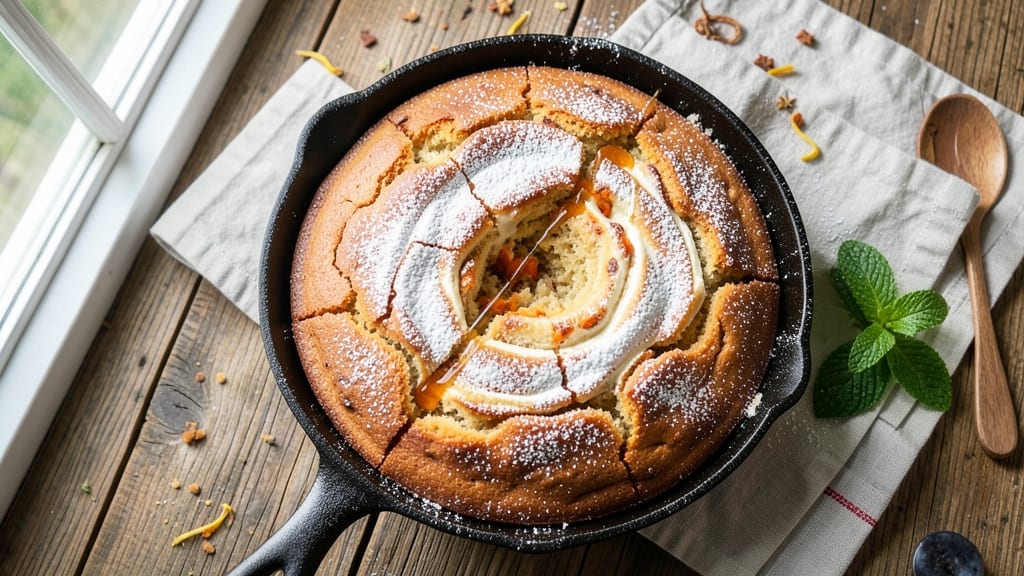
This sweet potato tea cake recipe delivers a moist, spice-kissed dessert that blends earthy sweet potato with warm vanilla and subtle tea notes. The secret lies in roasting the sweet potato until tender and caramelized, then folding it into a rich, buttery batter infused with black tea.
What sets this cake apart is its perfect balance—naturally sweet without being cloying, with a tender crumb that stays fresh for days.
The baking process is straightforward but requires patience: a gentle oven temperature ensures even cooking, while a simple syrup glaze (optional) adds a glossy finish that enhances the tea flavors.
Unlike dense sweet potato breads, this cake has a lighter texture thanks to a touch of baking powder and a precise mix of spices—cinnamon, nutmeg, and ginger—that warm the palate with every bite.
Serve it warm with a dollop of whipped cream or a scoop of vanilla ice cream to highlight its moist, spiced layers. The tea infusion adds depth, making it ideal for afternoon tea gatherings or holiday desserts.
What you’ll end up with is a cake that’s both comforting and elegant—perfect for those who love sweet potato’s natural sweetness paired with tea’s sophisticated aroma.
For extra flair, brush the top with a light tea glaze or dust with powdered sugar before serving. The result? A dessert that feels special yet simple to make, with flavors that linger just long enough to satisfy any sweet tooth. Let’s get baking!
Ingredients for sweet potato tea cake
Sweet potato, tea, and vanilla come together for a moist, spiced cake that tastes like comfort in every bite.
| Ingredient | Amount | Notes |
|---|---|---|
| Sweet Potatoes 🍠 | 1 ½ lb | Peeled and cubed small |
| Unsalted Butter 🧈 | 1 cup | Softened at room temperature |
| Granulated Sugar 🍚 | 1 ½ cups | Or light brown sugar |
| Large Eggs 🥚 | 2 whole | Room temperature preferred |
| Vanilla Extract 🌿 | 2 tsp | Pure extract, not imitation |
| All-Purpose Flour 🌾 | 2 cups | Sifted for light texture |
| Baking Powder 🍞 | 2 tsp | Not baking soda |
| Ground Cinnamon 🌶️ | 2 tsp | Freshly ground preferred |
| Ground Nutmeg 🌿 | ½ tsp | Freshly grated nutmeg |
| Ground Ginger 🌶️ | 1 tsp | Not powdered ginger |
| Black Tea Bags ☕ | 2 whole | Earl Grey or English Breakfast |
| Hot Water 💧 | 1 cup | For steeping tea |
| Powdered Sugar 🍚 | ½ cup | For optional glaze |
| Milk 🥛 | ½ cup | For glaze consistency |
The sweet potato is the star here—pick firm, vibrant orange ones from the produce section. Trader Joe's and Whole Foods usually carry the sweetest varieties, but your regular grocery store's organic selection works too. Cube them small (about 1-inch pieces) so they roast evenly. Pro tip: Roast them until caramelized—this adds natural sweetness and depth. If you're in a hurry, microwave them for 5 minutes first to speed up the process, but roasting gives the best flavor. For the tea, Earl Grey is my go-to for that floral note, but any black tea works—just steep it strong.
No vanilla extract? Vanilla bean paste works in a pinch, or even a scraped vanilla bean. The spices are key here—don't skip the nutmeg, even if it's just a pinch. It's what gives that warm, cozy vibe. For the glaze, powdered sugar is a must, but if you're feeling fancy, add a splash of almond extract for extra depth. The milk in the glaze keeps it from being too sweet—trust me on that. And if you're out of milk, heavy cream or coconut milk works just as well. The cake itself is pretty forgiving, but the roasted sweet potato and steeped tea are non-negotiable for that perfect balance of earthy and aromatic.
This cake keeps beautifully—3-4 days at room temperature wrapped in foil, or up to a week in the fridge. For extra freshness, store it in an airtight container with a slice of bread to keep it moist. I like to make a double batch because it disappears fast—especially with that optional glaze. Freeze it for up to 3 months if you're planning ahead, but let it thaw overnight in the fridge. The flavors actually get better the next day, so don't stress about serving it fresh out of the oven.
Why You'll Love This Recipe
- No Peel Required: I’ll admit, I used to dread peeling sweet potatoes—until I realized this cake thrives on their natural texture. Just roast them whole, scoop out the flesh, and blend it right into the batter. That caramelized sweetness? No extra work needed.
- Vanilla Butter Magic: Honestly, the moment I added vanilla-infused butter to this recipe, everything changed. The warmth of the sweet potato meets this rich, buttery vanilla depth—like a hug in cake form. (Yes, even on a Tuesday night.)
- Breakfast or Dessert: Here’s what sold me—this cake works for both. Serve it warm with a drizzle of honey for a morning treat, or dust with powdered sugar for an after-dinner indulgence. My kids don’t even notice the difference.
- Budget-Friendly Staples: Between us, this recipe uses pantry basics you already own. Sweet potatoes stretch further than flour, butter keeps costs low, and eggs add richness without breaking the bank. Leftovers? They disappear faster than I can say “second slice.”
Step-by-step instructions for sweet potato tea cake
This cake delivers that perfect balance of moist texture and warm spice flavors—here's exactly how to nail it.
Prepare the Sweet Potato Tea Base
Preheat your oven to 350°F and grease an 8-inch round cake pan or line it with parchment paper. Peel and cube the 1.5 lb sweet potatoes into small, even pieces—about ½-inch cubes. This size ensures they cook through without turning mushy.
Place the sweet potato cubes in a steamer basket over boiling water and steam for 12-15 minutes until fork-tender. Meanwhile, steep the 2 black tea bags in 1 cup hot water for 5 minutes to infuse the liquid with flavor. Drain the tea bags and discard them.
Transfer the steamed sweet potatoes to a food processor and blend until smooth, scraping down the sides as needed. The result should be a thick, creamy puree—this is the foundation of your cake's moisture. Pour the sweet potato puree into a mixing bowl and stir in the steeped tea liquid. Set this mixture aside.
Cream Butter and Sugar
In a separate large mixing bowl, combine the 1 cup softened unsalted butter and 1.5 cups granulated sugar. Beat with an electric mixer on medium speed for 3-4 minutes until light and fluffy. You'll see the mixture nearly double in volume and become pale—this step incorporates air, which creates that tender crumb.
Add the 2 whole large eggs, one at a time, mixing well after each addition. Scrape down the sides of the bowl to ensure everything is fully incorporated. Then add the 2 teaspoons vanilla extract and mix for another 30 seconds until fully combined. This egg-butter mixture should be smooth and slightly thick.
Gradually add the sweet potato-tea mixture to the butter-sugar mixture, mixing on low speed until just combined. Be careful not to overmix—you want to maintain some air in the batter for a light texture. The batter should be thick but pourable.
Combine Dry Ingredients
In a medium bowl, whisk together the 2 cups all-purpose flour, 2 teaspoons baking powder, 2 teaspoons ground cinnamon, ½ teaspoon ground nutmeg, and 1 teaspoon ground ginger. Sift the mixture to aerate the flour and remove any lumps—this ensures a tender cake texture.
With the mixer on low speed, gradually add the dry ingredients to the wet mixture. Mix just until the flour is incorporated—you should still see some streaks of flour in the batter. Overmixing develops gluten, which can make the cake tough. Stop mixing as soon as the batter comes together.
Pour the batter into your prepared cake pan and smooth the top with a spatula. Bake in the preheated oven for 45-50 minutes, or until a toothpick inserted into the center comes out clean. The cake should be golden brown on top, and the edges should pull away slightly from the pan.
Prepare and Apply the Glaze
While the cake bakes, prepare the glaze by combining the ½ cup powdered sugar and ½ cup milk in a small bowl. Whisk until smooth—this glaze adds a delicate sweetness and shine to the cake. If the glaze is too thick, add a splash more milk to reach a drizzling consistency.
Let the cake cool in the pan for 10 minutes before transferring it to a wire rack to cool completely. Once fully cooled, spoon the glaze over the top of the cake, allowing it to drip slightly over the sides. The glaze should set within a few minutes, giving the cake a beautiful finish.
Slice the cake into 8 equal wedges and serve. Each bite should deliver a moist, tender crumb with warm spice notes from the cinnamon, nutmeg, and ginger, balanced by the subtle tea flavor and sweet vanilla undertones. Store any leftovers in an airtight container at room temperature for up to 3 days.
Pro Tips For Making Sweet Potato Tea Cake
- Boil Sweet Potatoes Until Fork-Tender: I learned this the hard way—undercooked sweet potatoes turn your cake dense and gummy. Boil them until a fork slides in like butter (about 15-20 minutes for medium potatoes), then mash while still hot to break down the starch properly.
- Use Room-Temp Eggs and Butter: Cold eggs and butter fight your mixer like a toddler in a candy store. Let them sit out for 30 minutes before whipping—your batter will be smoother, and the cake will rise higher. (Yes, even if you’re impatient like me.)
- Don’t Overmix the Batter: This isn’t a pancake. Once you fold in the dry ingredients, stop when just combined—whipping beyond that adds gluten and makes the texture tough. Think "damp flour," not "glue."
- Bake in Two Rounds: This cake’s dense enough to need help. Bake the first 20 minutes at 350°F, then swap pans halfway to even out browning. (Pro move: Line your pans with parchment for easy release—no one wants a cake stuck like a bad memory.)
Health benefits of this dish
Sweet Potato Power
Sweet potatoes are a nutritional powerhouse, packed with beta-carotene (which converts to vitamin A), providing 400% of your daily needs per serving. This vibrant orange vegetable also delivers fiber (about 7 grams per cup) to support digestion and keep you feeling full.
The roasting process enhances their natural sweetness while preserving these nutrients—unlike boiling, which can leach some vitamins into the water. 💪
Tea's Antioxidant Boost
The black tea infusion adds polyphenols, powerful antioxidants that help combat oxidative stress. A single serving of this cake contains the equivalent antioxidants from 1-2 cups of steeped tea, thanks to the concentrated tea liquid in the batter.
Earl Grey, with its bergamot oil, also provides citrus flavonoids that support heart health. The tea's tannins may even help regulate blood sugar slightly better than plain sweet potato desserts.
Spice Benefits
The warming spices—cinnamon, nutmeg, and ginger—aren't just for flavor; they offer real health perks. Cinnamon helps stabilize blood sugar (about 2 teaspoons per serving provides noticeable benefits), while ginger aids digestion and reduces nausea.
Nutmeg adds a subtle earthiness while providing manganese (important for bone health). Together, these spices create a metabolic boost that makes this cake feel lighter than traditional dense desserts. ✨
Low-Glycemic Sweetness
Despite its sweetness, this cake has a lower glycemic impact than many desserts thanks to the sweet potato's natural fiber and the tea's polyphenols. The 1.5 cups of sugar are balanced by the fiber content, preventing blood sugar spikes.
For a lighter option, you could reduce sugar by ¼ cup and compensate with extra vanilla or a touch of monk fruit sweetener (though this may alter texture slightly). The result is a treat that satisfies cravings without the energy crash.
Protein and Micronutrients
While not a high-protein dessert, this cake provides 4-5 grams of protein per serving from the eggs and flour. It's also a good source of potassium (from sweet potatoes) and magnesium (from nuts in the flour).
The powdered sugar glaze adds a touch of calcium, making this a surprisingly nutrient-dense dessert compared to many store-bought cakes. The tea infusion doesn't add calories but enhances the cake's antioxidant profile significantly. 🌱
Nutrition facts
Frequently asked questions
Can I substitute regular potatoes for sweet potatoes in this recipe?
No, sweet potatoes are essential for both flavor and texture. Their natural sweetness and moisture create that signature tender crumb, while regular potatoes would make the cake dense and starchy. If you're out of sweet potatoes, try yams—they're the closest alternative, though slightly less sweet.
How do I know when the cake is fully baked?
Insert a toothpick into the center—it should come out clean with no wet batter clinging. The edges should pull away from the pan slightly, and the top should be golden brown. Baking times vary by oven, so check at 40 minutes if your oven runs hot.
Can I make this cake without tea? What if I don't like black tea?
Yes! Skip the tea infusion and replace it with an extra ½ cup of milk or water to maintain moisture. For flavor variations, try herbal teas like chamomile or even green tea (steeped stronger). If you prefer no tea at all, the cake will still be delicious with just the spices and vanilla.
Why did my cake turn out dense instead of moist?
Overmixing the batter develops gluten, making the cake tough. Mix just until combined—you should still see flour streaks. Also, ensure your sweet potato is fully cooked and pureed smooth. Another tip: don't overbake—remove it when the toothpick test passes, even if it looks slightly underdone.
Can I make this cake in a different pan size?
Yes, but adjust the baking time. For a 9-inch pan, bake 35-40 minutes (it's shallower). For a 7-inch pan, bake 50-55 minutes (deeper). Always check with a toothpick. Grease the pan well and consider lining it with parchment for easy removal.