
Side Dishes
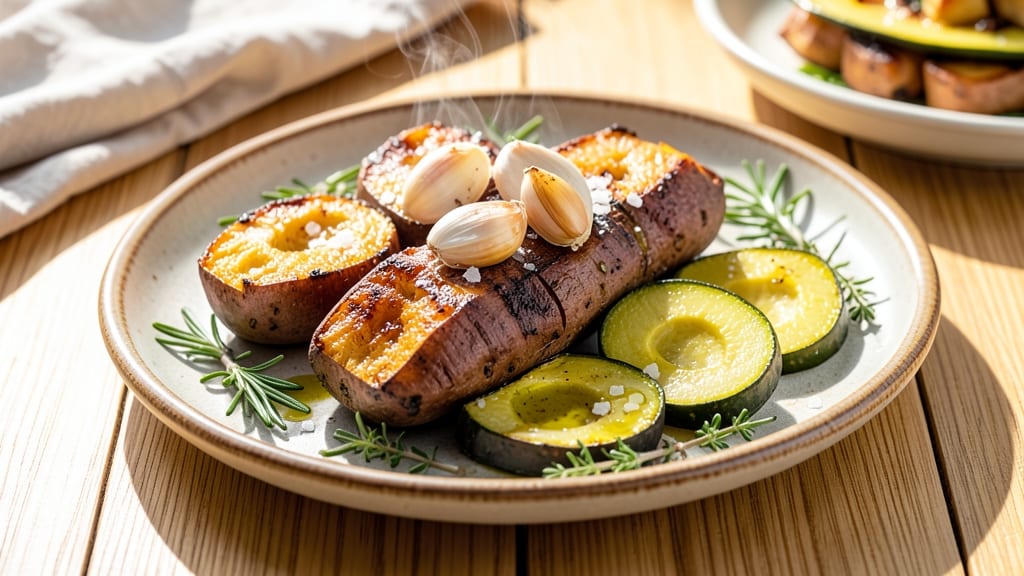
This sweet potato summer squash recipe transforms humble vegetables into a restaurant-worthy side dish that balances sweetness and earthy depth. Roasting at 425°F caramelizes the sweet potatoes while keeping summer squash tender-crisp—no boiling required. The secret lies in a herb-infused olive oil that elevates both ingredients into something extraordinary.
What makes this recipe stand out is its versatility—it works as a standalone vegetarian meal or pairs perfectly with grilled proteins. The natural sweetness of sweet potatoes contrasts beautifully with the mild, slightly nutty flavor of summer squash, while fresh herbs add brightness.
With just 25 minutes of active prep, you’ll have a dish that’s both impressive and effortless.
The result is a golden, aromatic medley with crisp edges and tender centers, all coated in a fragrant olive oil blend. The sweet potatoes develop a honey-like caramelization, while the summer squash maintains its natural texture.
This dish is proof that simple ingredients, when treated with care, can deliver restaurant-quality results at home.
Serve alongside roasted chicken, seared fish, or even as a vegetarian main with a dollop of Greek yogurt or tahini. The flavors develop even more overnight, making it an ideal make-ahead option for busy weeknights. Let’s get roasting!
Ingredients for sweet potato summer squash
Transform simple vegetables into restaurant-quality harmony with these carefully selected ingredients.
| Ingredient | Amount | Notes |
|---|---|---|
| Medium Sweet Potatoes 🍠 | 2 whole | Organic preferred, skin-on for texture |
| Medium Summer Squash 🍆 | 3 whole | Yellow or zucchini variety, trimmed |
| Extra-Virgin Olive Oil 🫒 | ½ cup | High-quality, fruity variety |
| Fresh Rosemary 🌿 | ¼ cup | Finely chopped, stems removed |
| Fresh Thyme Leaves 🌿 | ¼ cup | Stems removed, finely chopped |
| Garlic Cloves 🧄 | 4 cloves | Minced, for herb blend |
| Diamond Crystal Kosher Salt 🧂 | 1 ½ tsp | Fine grain, for seasoning |
| Freshly Ground Black Pepper 🌶️ | ½ tsp | Cracked peppercorns preferred |
| Maple Syrup 🍯 | 1 tbsp | Grade B for deeper flavor |
| Vegetable Oil 🫒 | 1 tbsp | For even coating |
| Fresh Lemon Juice 🍋 | 1 tbsp | Brightens the dish |
| Toasted Walnuts 🥜 | ¼ cup | Chopped, for garnish |
| Fresh Parsley 🌿 | ⅛ cup | Chopped, for garnish |
The sweet potatoes are the foundation—opt for organic varieties with vibrant orange flesh for optimal flavor and texture. Whole Foods Market or local farmers' markets often carry the sweetest, most flavorful tubers. Summer squash should be firm with a slight give when pressed; Trader Joe's consistently carries high-quality yellow squash. For the herbs, freshness is non-negotiable—Penzeys Spices sells excellent dried alternatives if fresh isn't available, though nothing beats the aroma of freshly chopped rosemary and thyme. The garlic should be plump and firm, with no green shoots sprouting from the cloves. Pre-mincing at home ensures maximum flavor infusion into the olive oil blend.
No organic sweet potatoes? Conventional varieties work fine, though they may have slightly less depth. Substitute summer squash with zucchini or pattypan squash, adjusting quantity to maintain balance. For the herb blend, dried rosemary and thyme can replace fresh at one-third the amount, though the flavor will be more muted. Running short on maple syrup? Agave nectar or date syrup provide similar sweetness profiles. The walnuts can be swapped for pecans or toasted pumpkin seeds if preferred. Lemon juice can be omitted entirely if serving immediately, but it's worth the squeeze for that bright contrast that elevates the dish. For a nut-free version, skip the garnish entirely or use toasted sunflower seeds instead.
Store fresh herbs wrapped in damp paper towels in a sealed container for up to 5 days in the refrigerator. The herb-infused olive oil should be refrigerated and used within 3 days for optimal flavor. Roasted vegetables hold well for 4-5 days in airtight containers, making this an excellent make-ahead dish. For longer storage, freeze portions in single-serving containers for up to 3 months. Reheat gently in a skillet or oven to restore crispness. The dish develops even more complex flavors when reheated, making it ideal for meal prep—simply add fresh herbs and a drizzle of olive oil before serving.
Why You'll Love This Recipe
- One-Pan Magic: I swear by this for lazy nights—just chop, roast, and forget about it. The sweet potatoes and squash caramelize together on one sheet pan while I toss a salad or pour wine. No pots, no pans, no stress.
- Herb-Packed Punch: That rosemary and thyme? They cling to the squash like a cozy blanket. The sweet potatoes stay tender while the squash gets crispy edges—honestly, the first bite makes me pause mid-chew. It’s earthy but bright, with just enough olive oil to keep it rich.
- Lunchbox Hero: Between us, this is my go-to for meal prep. Slice the leftovers into salads, wrap them in tortillas, or serve cold with yogurt. The flavors actually get better the next day—my kids beg for it (yes, even on a Tuesday).
- Budget Bright Spot: Sweet potatoes and summer squash are cheap, but they feel fancy. I buy them in bulk, roast a big batch, and stretch it across three meals. No wasted ingredients, just pure, satisfying flavor that won’t break the bank.
Step-by-step instructions for roasted sweet potato summer squash
This method delivers caramelized sweet potatoes and tender summer squash with aromatic herb notes and nutty crunch.
Prepare and Season the Vegetables
Preheat your oven to 425°F for even roasting. Peel the 2 whole medium sweet potatoes and cut them into 1-inch cubes, ensuring even-sized pieces for consistent cooking. Trim the 3 whole medium summer squash of their ends and slice them into ½-inch thick half-moons—this thickness balances tenderness and caramelization.
In a large bowl, combine the sweet potatoes and summer squash. Drizzle with 0.5 cup extra-virgin olive oil and toss gently to coat evenly. Sprinkle with 1.5 tsp diamond crystal kosher salt and 0.5 tsp freshly ground black pepper, massaging the seasoning into the vegetables. This step ensures maximum flavor penetration and prevents dryness during roasting.
Roast Until Caramelized
Spread the seasoned vegetables in a single layer on two rimmed baking sheets, leaving ½-inch space between pieces to allow for even browning. Roast for 20-25 minutes until the sweet potatoes are tender when pierced with a fork and the summer squash edges begin to brown. Here's the thing—you want the sweet potatoes to soften while maintaining structure, not turn mushy.
After 20 minutes, give the trays a quarter turn and check for doneness. If the sweet potatoes are still firm, return them to the oven for another 5 minutes. The summer squash should be golden at the edges with slight char, while the sweet potatoes should yield slightly to pressure but still hold their shape. This balance creates the perfect textural contrast.
Create the Herb-Garlic Dressing
While the vegetables roast, prepare the herb dressing by combining 0.25 cup finely chopped fresh rosemary, 0.25 cup fresh thyme leaves, 4 minced garlic cloves, 1 tbsp maple syrup, and 1 tbsp fresh lemon juice in a small bowl. Whisk in 1 tbsp vegetable oil until fully emulsified. This dressing will elevate the roasted vegetables with bright acidity and herbal complexity.
For best results, let the dressing sit at room temperature for 5 minutes before using. This allows the flavors to meld slightly, creating a more cohesive taste profile. The maple syrup adds subtle sweetness that complements the earthy sweet potatoes and mild summer squash.
Assemble and Garnish
Once the vegetables are perfectly roasted, transfer them to a large serving platter. Drizzle the herb-garlic dressing evenly over the top, tossing gently to coat. The dressing should cling to the vegetables, creating a glossy finish that enhances visual appeal and flavor.
Sprinkle with 0.25 cup toasted walnuts and 0.125 cup chopped fresh parsley for added texture and freshness. The walnuts provide a satisfying crunch that contrasts with the tender vegetables, while the parsley adds a bright, herbal note. Serve immediately while the vegetables are still warm and the dressing is vibrant.
Pro Tips For Making Sweet Potato Summer Squash
- CUT SQUASH LENGTHWISE: Slice the summer squash into ½-inch half-moons instead of rounds—this gives you more surface area for caramelization and keeps the texture tender-crisp. I used to waste time with thick slices that ended up mushy; now I just angle the knife and work faster.
- PEEL SWEET POTATOES AFTER COOKING: Skip peeling raw sweet potatoes—just scrub them clean and roast them whole. The skin stays on, adding texture, and you can peel it off effortlessly after cooking. My grandmother swore by this, and it saves at least 10 minutes of prep.
- USE HOT OIL, LOW HEAT: Heat your olive oil until it shimmers (not smoking) before adding the veggies, then drop the heat to medium-low. Rushing this step leads to burning, and I’ve learned that patience here means even cooking every time.
- TOSS HERBS AT THE END: Add fresh rosemary and thyme leaves only in the last 2 minutes of cooking—this keeps their bright flavor from fading into bitterness. Sprinkle them over the hot dish right off the pan for maximum aroma. (Yes, even if you’re impatient like me.)
Make-ahead tips for this dish
Prep Ahead Strategy
Roast the sweet potatoes and summer squash up to 3 days in advance—they develop deeper flavor when stored properly. After roasting, let them cool completely, then transfer to airtight containers with a paper towel to absorb excess moisture.
Store in the fridge for 4-5 days while flavors meld beautifully. 🌟
Herb Dressing Prep
Make the herb-garlic dressing a day ahead for maximum flavor infusion. Store it in a small jar in the fridge, giving it a quick whisk before using.
The maple syrup and lemon juice will blend seamlessly, creating a cohesive dressing that brightens reheated veggies. Trust me, this step is a game-changer for make-ahead meals.
Reheating Secrets
For best texture, reheat in a skillet over medium heat for 5-7 minutes with a splash of water to restore crispness. Avoid microwaving—it steams the veggies instead of caramelizing.
If using the oven, spread on a baking sheet at 375°F for 10-12 minutes until warmed through. The edges will crisp up beautifully.
Freezing for Later
Portion the roasted veggies into single-serving containers before freezing for up to 3 months. When ready to eat, thaw overnight in the fridge, then reheat using the skillet method above. The texture stays surprisingly tender, though slightly softer than fresh. Perfect for busy weeknights!
Make-Ahead Garnishes
Toast the walnuts a day ahead and store in an airtight container—they’ll stay crisp for days. Keep fresh parsley separate until serving to preserve its vibrant color. A quick sprinkle right before eating adds that fresh, bright finish that makes the dish feel restaurant-worthy. 💫
Flavor Boost Trick
Add a dash of smoked paprika to the herb dressing when reheating for extra depth. Or stir in 1 tsp Dijon mustard for a tangy twist that cuts through the sweetness. These small tweaks elevate the dish without extra effort—perfect for when you’re short on time but want big flavor.
Nutrition facts
Frequently asked questions
Can I use regular potatoes instead of sweet potatoes?
While you can substitute regular potatoes, the flavor and texture will differ significantly. Sweet potatoes provide a natural sweetness and creamier texture that pairs beautifully with summer squash. If you must use regular potatoes, try russet or Yukon gold for better texture, but expect a less sweet, more neutral flavor profile.
How do I know when summer squash is perfectly cooked?
Summer squash is done when it's tender with slightly crisp edges and golden brown spots. Test by piercing with a fork—it should yield slightly but still have structure. Overcooking turns it mushy, while undercooking leaves it rubbery. Aim for 20-25 minutes at 425°F for ideal results.
What if I don't have fresh herbs for the dressing?
No problem! Use 1 tablespoon dried rosemary and 1 tablespoon dried thyme instead of fresh, but reduce the garlic to 2 cloves since dried herbs are more potent. For extra depth, add ½ teaspoon smoked paprika to the dressing. The flavor will be slightly different but still delicious.
Can I make this dish ahead of time?
Roast the vegetables up to 3 days ahead and store in airtight containers. Reheat in a skillet over medium heat for 5-7 minutes with a splash of water to restore crispness. The flavors actually improve overnight as the sweetness develops. Just add fresh herbs and a drizzle of olive oil before serving.
What's the best way to serve this dish?
This recipe works beautifully as a side with grilled meats, roasted chicken, or fish. For a vegetarian main, serve with a dollop of Greek yogurt or tahini for creaminess. The sweetness pairs well with spicy dishes too—try serving with chili or tacos for a flavorful contrast. The nutty walnuts add great texture to any meal!