
Desserts
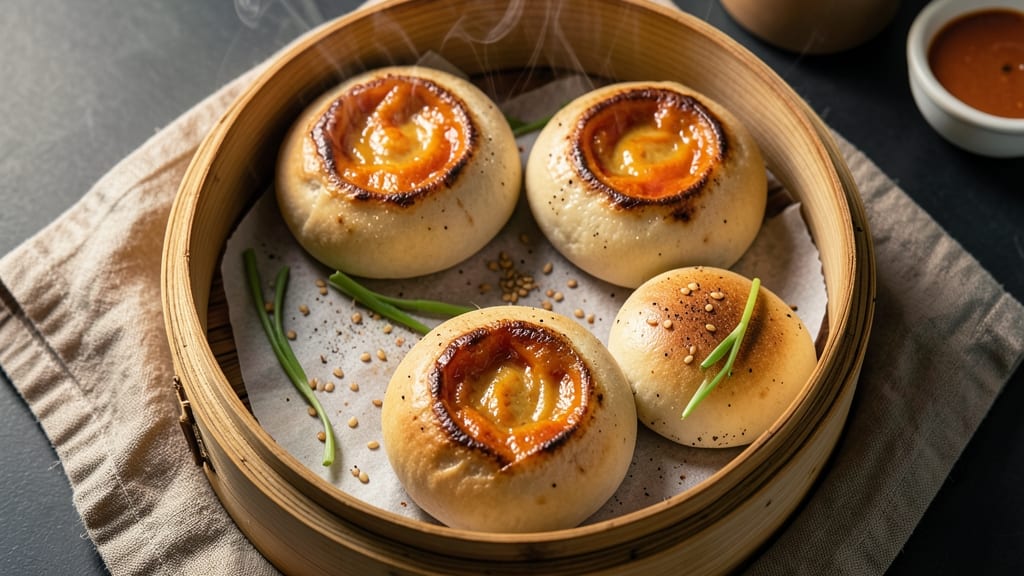
The sweet potato steamed bun recipe delivers the perfect balance of fluffy, pillowy dough and a luscious caramelized filling that melts with every bite. These buns combine the comforting warmth of sweet potatoes with the delicate texture of traditional steamed buns, creating a dessert that feels both nostalgic and indulgent.
The secret lies in the dough's gentle rise and the filling's slow caramelization, transforming simple ingredients into something extraordinary.
This recipe begins with a soft, elastic dough made from basic pantry staples—flour, yeast, sugar, and water—that develops a tender crumb when steamed. The filling, a blend of mashed sweet potatoes, sugar, and butter, softens into a velvety, caramelized center that contrasts beautifully with the dough's structure.
The process is straightforward but requires patience, as proper steaming ensures the buns emerge perfectly plump and golden.
By the time you're done, you'll have buns that are soft on the outside and richly sweet on the inside, with a texture that's impossible to resist. They're ideal for snacking, pairing with tea, or serving as a light dessert after a meal.
The filling can be customized with cinnamon, brown sugar, or even a touch of vanilla to suit your taste.
Whether you're making them for a special occasion or a cozy night in, these sweet potato steamed buns are sure to impress. The combination of techniques and ingredients creates a dish that's both comforting and refined, proving that even simple recipes can deliver restaurant-quality results at home.
Ingredients for sweet potato steamed bun
Basic pantry staples meet sweet potato indulgence for buns that balance softness and caramelized richness.
| Ingredient | Amount | Notes |
|---|---|---|
| All-Purpose Flour 🌾 | 3 ½ cups | Sifted for light texture |
| Active Dry Yeast 🍞 | ¼ tsp | Freshly measured (1 packet) |
| Granulated Sugar 🍚 | ¼ cup | For dough activation |
| Unsalted Butter 🧈 | ½ cup | Cold, cubed for dough |
| Large Egg 🥚 | 1 whole | Room temperature preferred |
| Milk 🥛 | ¼ cup | Warm for yeast activation |
| Sweet Potatoes 🍠 | 1 ½ lbs | Orange-fleshed, peeled |
| Brown Sugar 🍚 | ½ cup | Packed for filling |
| Ground Cinnamon 🌿 | 1 tsp | Optional but recommended |
| Vanilla Extract 🍯 | 1 tsp | Pure vanilla preferred |
| Salt 🧂 | ½ tsp | Fine sea salt |
| Vegetable Oil 🫒 | 1 tbsp | For greasing steamer |
| Water 💧 | ¼ cup | Warm for yeast activation |
The flour is your foundation—King Arthur or Gold Medal brands work best for that tender crumb. Yeast should be fresh (check the date!), and if you're using a packet, Whole Foods or Trader Joe's carry reliable brands. Sweet potatoes are key: Beauregard variety is ideal, but any orange-fleshed will do. Peeled and boiled until fork-tender, they mash into an ultra-smooth filling. For the dough, butter matters—Plugrá or Land O'Lakes unsalted gives the best flavor without overpowering. Keep it cold when cutting into the dough for flaky layers.
No brown sugar? White sugar plus 1/4 tsp molasses mimics its depth. Short on cinnamon? Cardamom or pumpkin pie spice adds warmth. The vanilla extract can be swapped for 1 tsp vanilla bean paste if you're feeling fancy. For the dough, if you don't have warm milk, warm water plus 1 tbsp powdered milk works. The filling can be prepped ahead—store it in the fridge for up to 2 days—but let it sit at room temp before using. If your sweet potatoes turn out too dry, a splash of milk or butter while mashing fixes it instantly.
Dough keeps best in the fridge, wrapped tightly, for 24 hours—it actually develops more flavor overnight. The filling can be stored separately for 3 days in an airtight container. For steaming, use a bamboo or metal steamer basket lined with parchment paper for easy cleanup. Once steamed, buns stay fresh at room temp for 4 hours or refrigerated for 2 days. Reheat gently in a steamer for 5 minutes to restore that pillowy texture.
Why You'll Love This Recipe
- No Yeast Nightmare: I’ve made dough fail before—lumpy, dense, sad—but this one? Just toss in the yeast, let it sit with warm water and sugar, and boom, it puffs up like magic. No kneading, no stress, just hands-off rising while you prep the filling.
- Sweet Potato Magic: That first bite of warm, fluffy dough wrapped around creamy sweet potato? It’s like a hug in bun form. The butter and sugar in the dough balance the earthy sweetness, and honestly, the contrast makes it feel like a little treat every time.
- Lunchbox Hero: Between us, these are my go-to for packed lunches. Slice them open, stuff with ham and cheese or leftover roasted veggies, and they stay fresh for days. Kids (and adults) will actually eat them—no sad sandwiches here.
- Budget-Friendly Luxury: Flour, butter, sugar, egg—these are pantry basics that won’t break the bank. I’ve made a dozen of these for under $5, and they taste like something from a bakery. Not the prettiest, but the taste makes up for it every time.
Step-by-step instructions for sweet potato steamed buns
Master the art of creating tender, fluffy buns with a caramelized sweet potato center.
Prepare the Sweet Potato Filling
Preheat your oven to 375°F. Peel and chop the 1.5 lbs sweet potatoes into ½-inch cubes. Place them in a microwave-safe bowl and cover with plastic wrap. Microwave for 8-10 minutes, stirring halfway, until they're fork-tender but not mushy. The filling should be soft enough to mash slightly but still hold its shape.
Transfer the sweet potatoes to a mixing bowl and mash them with a potato masher or fork. Stir in the 0.5 cup brown sugar, 1 tsp ground cinnamon, and 1 tsp vanilla extract until fully combined. Taste and adjust sweetness if needed—this filling should be rich and aromatic. Set aside to cool completely before using.
Activate the Yeast and Make the Dough
In a small bowl, whisk together the 0.25 cup warm water (about 110°F), 0.25 tsp active dry yeast, and 0.25 cup granulated sugar. Let it sit for 5-10 minutes until frothy. This step ensures your yeast is active and ready to work.
In a large mixing bowl, combine the 3.5 cups all-purpose flour and 0.5 tsp salt. Sift them together for a light, airy texture. Add the yeast mixture, 0.25 cup warm milk, and 1 whole large egg to the bowl. Mix until combined, then cut in the 0.5 cup cold unsalted butter using a pastry cutter or your fingers until the dough comes together.
Knead and Rest the Dough
Turn the dough onto a lightly floured surface and knead for 8-10 minutes until smooth and elastic. You'll know it's ready when it springs back slowly when poked. If the dough feels too sticky, add flour 1 tablespoon at a time—but don't overdo it, or the buns will be dense.
Shape the dough into a ball, place it in a lightly greased bowl, and cover with a damp towel. Let it rise in a warm place for 1-2 hours, or until it doubles in size. The dough should feel light and airy when pressed gently with a finger. This resting period develops the gluten, ensuring those signature pillowy buns.
Shape and Steam the Buns
Grease a steamer basket with the 1 tbsp vegetable oil and preheat your steamer over boiling water. Punch down the risen dough and divide it into 8 equal pieces. Roll each piece into a ball, then flatten slightly and place a 1-tablespoon portion of sweet potato filling in the center. Pinch the dough around the filling to seal, then roll into a smooth ball again.
Arrange the buns in the steamer basket, leaving 1 inch between them. Cover the steamer and steam over boiling water for 20-25 minutes until the buns are golden brown and cooked through. The steam creates that signature soft, fluffy texture while keeping the filling moist and caramelized.
Serve Warm for Maximum Enjoyment
Remove the buns from the steamer and let them cool for 5 minutes before serving. The filling should be warm and gooey, with a perfect balance of sweetness and spice. Serve them warm, ideally within 30 minutes of steaming, to enjoy that freshly baked texture.
For best results, store any leftovers in an airtight container at room temperature for up to 2 days. Reheat in the steamer for 5 minutes to restore their softness. The contrast of the tender, slightly crisp exterior with the caramelized sweet potato center makes these buns truly special.
Pro Tips For Making Sweet Potato Steamed Bun
- Use Warm Butter: Dump that cold butter straight from the fridge into the dough, and you’re fighting an uphill battle. Warm it to room temperature first—just until it’s soft enough to press with a finger. This makes the dough smoother and ensures the butter incorporates evenly, giving your buns that tender, flaky texture instead of dry, crumbly lumps.
- Proof Until Puffy: I learned this the hard way—skipping the second rise because I was "too busy" leads to dense, sad buns. Let the shaped dough proof in a warm spot until it’s almost doubled, then steam it right away. If you wait too long, the gluten relaxes, and the buns collapse when steamed. Trust the process; your future self will thank you.
- Steam on High Heat: Low and slow is for soup, not steamed buns. Crank your steamer to full heat and let it scream for 5 minutes before adding the buns. This creates a proper steam bath, which gives them that signature soft, airy interior instead of a gummy center. (Yes, even if you’re impatient like me.)
- Sweeten the Sweet Potato: The filling’s the star, so don’t skimp on flavor. Mix 1 teaspoon of granulated sugar into the mashed sweet potato before filling the buns—it balances the earthiness and makes the filling shine. I was skeptical until I tried it; now I can’t imagine skipping it.
Pro cooking tips for this dish
Dough Temperature Control
Keep your dough ingredients at the right temperatures for perfect results. The milk and water should be warm (110°F) to activate the yeast quickly, but never hot—above 120°F kills it. The butter must stay cold to create flaky layers in the dough.
I like to chill my mixing bowl in the freezer for 10 minutes before adding the butter to keep it firm. 🌡️
Yeast Activation Check
Before mixing everything, always test your yeast. After whisking it with warm water and sugar, it should bubble and foam within 5-10 minutes. If nothing happens, your yeast is dead—replace it immediately.
I keep a small jar of yeast in the fridge (it lasts 3-4 months) and test it before every recipe. This simple step prevents flat, dense buns.
Steaming Technique
Steaming is where the magic happens for that signature soft texture. Use a bamboo or metal steamer basket with a tight-fitting lid to trap steam. Bring 2-3 inches of water to a rolling boil first, then place the basket inside—never add cold water to hot steamers.
The buns should steam for 20-25 minutes until golden. I like to cover them with a damp towel during the last 5 minutes to keep them moist.
Filling Consistency
The sweet potato filling needs to be thick enough to stay put but smooth enough to blend seamlessly with the dough. If it's too runny, mix in 1 extra tablespoon of flour or let it cool longer.
For extra richness, I fold in 1 tablespoon of melted butter after mashing. The filling should hold its shape when dropped from a spoon but still be spreadable—this ensures it caramelizes beautifully without leaking.
Dough Resting Time
Never skip the 1-2 hour rise—this develops gluten for that signature pillowy texture. I place my dough in a warm spot (like a turned-off oven with a bowl of hot water) to speed up rising.
For extra flavor, let it rise overnight in the fridge—it develops deeper sweetness and a better crumb. Just don't let it rise too long, or the yeast will overproof and collapse the buns.
Sealing the Filling
When pinching the dough around the filling, make sure the seal is airtight to prevent leaks during steaming. I use a bit of water on my fingers to help the dough stick together. For extra security, press the edges firmly with a fork.
If you notice any gaps after shaping, gently reseal them before steaming—this keeps the filling where it belongs and maintains that perfect contrast of textures. ✨
Nutrition facts
Frequently asked questions
Can I make the dough ahead of time?
The dough can be prepared up to 24 hours in advance and stored in the fridge, wrapped tightly. This actually enhances the flavor as it develops overnight. Just let it sit at room temperature for 30 minutes before shaping to make it easier to work with. The filling, however, should be freshly made and used immediately after the dough rises.
What if my filling leaks during steaming?
Leaky filling usually means the dough wasn't sealed properly or the filling was too runny. To fix this, ensure you pinch the dough tightly around the filling, using a bit of water on your fingers to help it stick. If your filling is too thin, mix in 1 extra tablespoon of flour or let it cool longer before using. For next time, aim for a filling that holds its shape when dropped from a spoon.
Can I use regular potatoes instead of sweet potatoes?
While you can use regular potatoes, the flavor and texture won't be the same. Sweet potatoes have a natural sweetness and creamier texture that pairs perfectly with the dough. If you're set on using regular potatoes, add 1 extra tablespoon of sugar and a pinch of cinnamon to mimic the sweetness, but the result won't be as rich or caramelized.
How do I reheat leftover buns?
For the best results, reheat your buns in the steamer for 5 minutes over boiling water. This restores their soft, pillowy texture without drying them out. If you don't have a steamer, place them in a microwave-safe dish with a damp paper towel and heat for 20-30 seconds. Avoid the oven, as it can make the dough tough.
Can I make these buns without a steamer?
Yes! If you don't have a steamer, you can use a large pot with a tight-fitting lid. Place a heatproof plate or rack at the bottom, then arrange the buns on top. Bring water to a boil, cover, and reduce heat to medium-low. Steam for 20-25 minutes, adding water as needed to keep it boiling. Just make sure the buns aren't touching the water or the bottom of the pot.