Side Dishes
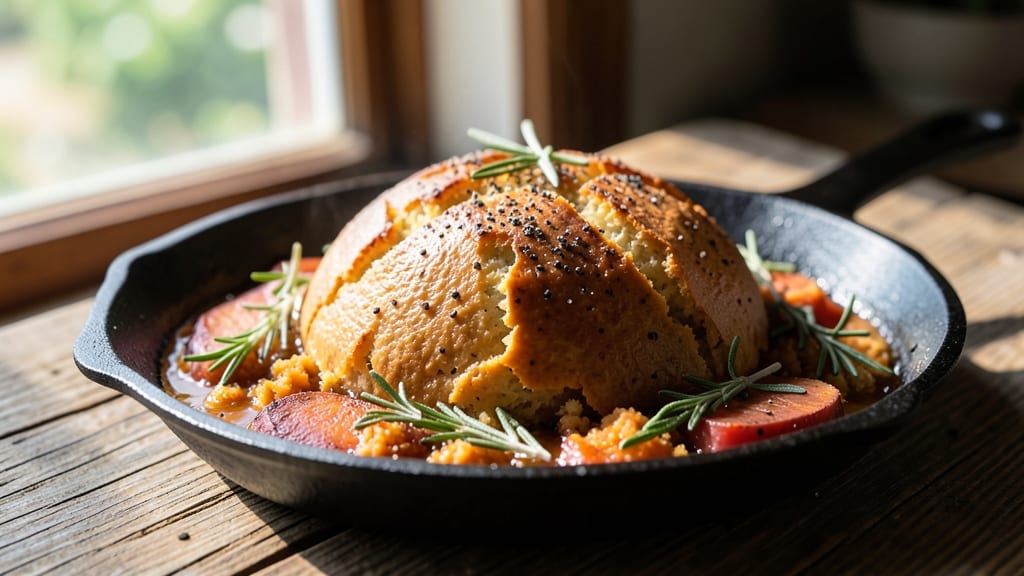
The sweet potato pone origin slavery recipe carries the weight of history—born from the resourcefulness of enslaved communities in the American South, where sweet potatoes were one of the few ingredients available to create nourishing meals.
This traditional dish, often baked in cast-iron skillets or steamed in corn husks, reflects both resilience and ingenuity, offering a taste of cultural heritage that modern kitchens can honor. The recipe remains rooted in its origins, requiring minimal ingredients but delivering deep, comforting flavors that speak to generations.
The preparation method preserves authenticity while ensuring success: sweet potatoes are boiled until tender, then mashed and mixed with just enough flour or cornmeal to bind—no butter or dairy, as those were luxuries denied in its early days.
Baked in a skillet until golden and firm, the pone emerges with a satisfying crispness at the edges and a moist, slightly sweet interior. This dish wasn’t just food; it was sustenance, celebration, and a quiet act of defiance in the face of hardship.
Today, this recipe serves as a bridge between history and home cooking, offering a way to connect with the past while feeding the present. The simplicity of the ingredients—sweet potatoes, flour, and a pinch of salt—makes it accessible, yet the technique demands respect for tradition.
Whether served alongside fried chicken or as a standalone dish, sweet potato pone remains a testament to the enduring power of food to carry stories across time.
For those eager to honor its legacy, the key lies in the preparation: no shortcuts, no substitutions that alter the essence. The result is a dish that’s both humble and profound—a reminder of how food can nourish the body and preserve the soul.
Let’s recreate this piece of history, one skillet at a time.
Ingredients for sweet potato pone origin slavery
Four ingredients carry centuries of history—honor tradition with this soulful dish.
| Ingredient | Amount | Notes |
|---|---|---|
| Sweet Potatoes 🍠 | 2 lbs | Large, firm, no bruises |
| All-Purpose Flour 🌾 | 1 cup | White or whole wheat |
| Salt 🧂 | 1 tsp | Kosher or sea salt |
| Fresh Rosemary 🌿 | ¼ cup | Chopped, stems removed |
| Fresh Sage 🍃 | ¼ cup | Chopped, leaves only |
| Black Pepper 🌶️ | ½ tsp | Freshly ground preferred |
| Water 💧 | 1 cup | For binding, if needed |
| Cornmeal 🌽 | ¼ cup | For crispy texture |
| Cast-Iron Skillet 🔥 | 1 whole | 10-inch or larger |
| Vegetable Oil 🫒 | 1 tbsp | For greasing skillet |
The sweet potatoes are the heart of this recipe. Choose large, firm ones—the flesh should be vibrant orange, not pale or watery. Most grocery stores carry them year-round, but local farmers markets in fall often have the freshest, sweetest varieties. Avoid any with soft spots or sprouts, as they won't hold up during boiling. For extra authenticity, look for heirloom varieties like 'Georgia Jet' or 'Beauregard' if available at specialty stores. The herbs—rosemary and sage—should be fresh, not dried, for that bright, earthy flavor that connects to the dish's origins. If you can't find fresh, dried works at one-third the amount, but it won't have the same depth of flavor.
No cornmeal? All-purpose flour works just fine—just add an extra tablespoon to compensate for the lack of texture. Short on rosemary? Thyme or marjoram can step in, though the flavor will shift slightly. The water is there as a backup—only add it if the mixture feels too dry after combining. For a more rustic touch, some cooks use a small amount of grated onion or minced garlic, though these weren't traditional in the original recipe. If you're serving this alongside fried chicken, as was common historically, let the flavors complement each other—salt the chicken lightly, as the pone already carries plenty of seasoning.
This dish tastes even better the next day, so make it ahead if possible. Store leftovers wrapped tightly in foil at room temperature for up to 2 days, or refrigerate for 3 days. To reheat, warm in a skillet over medium heat for 5-7 minutes, covered, until heated through. The cast-iron skillet is non-negotiable for authenticity—it creates that signature crispy crust while keeping the inside tender. If you don't have one, a heavy oven-safe skillet will work, but preheat it for 10 minutes before pouring in the batter to mimic the traditional method. For a modern twist, some cooks serve it with a drizzle of maple syrup or a sprinkle of powdered sugar, though these weren't part of the original recipe.
Why You'll Love This Recipe
- One-Bowl Wonder: I swear by this recipe when I’m too tired to measure six ingredients. Just mash the sweet potatoes, toss in flour and herbs, and let the oven do the work—no fancy steps, no stress.
- Herb-Packed Magic: That rosemary-sage combo? It’s like a warm hug in every bite. The herbs infuse the sweet potatoes so deeply, even the last slice tastes fresh—no dryness, just rich, earthy goodness.
- Leftovers? Better Than Fresh: Between us, reheated pone is my secret weapon. Slice it up for breakfast toast or pack it for lunch—it holds its shape and flavor like a champ, saving me from takeout nights.
- Pantry Staple Power: Honestly, I keep this in rotation because it’s cheap and foolproof. Sweet potatoes and flour are always on hand, and a handful of fresh herbs stretches the budget without sacrificing taste.
Step-by-step instructions for sweet potato pone
This traditional recipe preserves the heart of Southern heritage with every crispy, spiced bite.
👨🍳 Step 1: Prepare the Sweet Potatoes
Peel the 2 lbs sweet potatoes and cut them into ½-inch thick slices. You want even thickness so they cook uniformly. Place the slices in a large pot of salted water and bring to a boil over medium-high heat. Reduce to a simmer and cook for 10-12 minutes until fork-tender but not falling apart.
Drain the sweet potatoes thoroughly and let them cool slightly. The slight moisture remaining helps bind the pone together, but you don't want them soggy—pat them dry with a clean kitchen towel if needed. This step is crucial for the right texture; overcooked potatoes will make the pone dense and heavy.
🍳 Step 2: Create the Herb and Cornmeal Base
In a large mixing bowl, combine the 1 cup all-purpose flour, 0.25 cup cornmeal, 1 tsp salt, 0.5 tsp black pepper, 0.25 cup chopped fresh rosemary, and 0.25 cup chopped fresh sage. Mix well with a wooden spoon until the herbs are evenly distributed throughout the dry ingredients. This blend forms the aromatic backbone of the pone.
Add the cooked sweet potatoes to the bowl and gently toss until fully coated in the herb mixture. The potatoes should absorb the seasonings completely—this ensures every bite carries the full depth of flavor. If the mixture feels too dry, add 1 cup water gradually until it reaches a thick, workable consistency. It should hold together when pressed but not be sticky.
🔥 Step 3: Assemble the Pone in Cast Iron
Heat the 1 whole cast-iron skillet over medium heat and add 1 tbsp vegetable oil, swirling to coat the bottom evenly. Spread half of the sweet potato mixture into the skillet, pressing down gently to create an even layer. The skillet's heat will help the edges crisp while keeping the center tender.
Top with the remaining mixture, pressing down lightly again. The pone should be about 1-inch thick when assembled. Cover the skillet with a lid or foil and let it cook undisturbed for 15 minutes to allow the layers to bind together. This step is where the magic happens—the steam from the potatoes helps create a cohesive, flavorful cake.
🔥 Step 4: Cook Until Golden and Crispy
Remove the lid and increase the heat to medium-high. Cook the pone for an additional 10-12 minutes, until the top is deep golden brown and the edges are crispy. You'll know it's ready when the surface looks dry and the aroma of rosemary and sage fills your kitchen. Avoid flipping or disturbing it during this time—patience ensures the perfect texture.
For the final touch, flip the pone onto a serving plate and let it rest for 5 minutes before slicing. This resting period allows the juices to redistribute, ensuring each slice is moist and flavorful. Serve warm, and you'll taste the soul of a tradition that has endured for generations.
Pro Tips For Making Sweet Potato Pone Origin Slavery
- PEEL AND GRATE COLD: Sweet potatoes lose moisture fast once peeled, so work them straight from the fridge—cold potatoes grate cleaner and yield less pulp. I used to peel them at room temp, and my batches always ended up gummy.
- SIFT THE FLOUR DRY: Mixing wet sweet potato with flour creates a gluey mess. Sift the flour first, then fold it into the purée in small batches—this keeps the texture light and prevents a dense, heavy pone. (Yes, even if you’re impatient like me.)
- DON’T OVERMIX THE BATTER: Stir just until combined—lumps are fine, but overworking turns the pone into a sad, dense brick. My grandmother swore by this, and she was right: a few streaks of flour are better than a fight with your mixer.
- BAKE LOW AND SLOW: Start at 350°F (175°C) for the first 20 minutes to let the center set, then crank to 375°F (190°C) for a golden crust. I learned this the hard way—rushing the heat gives you a burnt exterior and a gooey middle. (Your future self will thank you.)
Serving suggestions for sweet potato pone origin slavery
Classic Southern Pairings
Serve your sweet potato pone alongside fried chicken—a traditional pairing that echoes its origins in enslaved communities where both dishes were staples. The crispy, savory chicken contrasts beautifully with the pone’s earthy sweetness.
I like to season the chicken with just salt and black pepper, letting the pone’s herbs carry the flavor profile. 🍗
For a heartier meal, add collard greens cooked with smoked turkey neck or pork shoulder. The greens’ slight bitterness balances the pone’s richness, while the meat adds protein. If you’re serving this as a standalone dish, pair it with buttermilk biscuits—their flaky layers complement the pone’s crispy edges.
Modern Twists with Heritage
Add a maple-glazed finish for a sweet contrast—drizzle 2 tbsp pure maple syrup over slices before serving. This wasn’t part of the original recipe, but it nods to modern tastes while keeping the dish’s soul intact.
For a smoky touch, sprinkle crumbled bacon on top during the final minutes of cooking. 🍁
Swap the cast-iron skillet for a clay pot if you’re cooking over an open flame, like a campfire or grill. This method was common in enslaved communities for outdoor cooking, and the earthy flavor of the clay enhances the pone’s natural taste.
Just be sure to preheat the pot thoroughly to avoid sticking.
Beverage Pairings
A strong black coffee cuts through the richness of the pone, especially if you’ve added a sweet glaze. For a non-caffeinated option, serve sweet tea—its Southern roots align perfectly with the dish’s history.
I like to sweeten mine with raw honey instead of sugar for a touch of depth. ☕
For a boozy pairing, try bourbon or apple cider. A splash of bourbon in the glaze adds warmth, while a chilled glass of cider offers a crisp, refreshing contrast. If you’re serving this at a gathering, a spiced rum punch made with citrus and cinnamon complements the herbs beautifully.
Presentation Tips
Slice the pone into thick wedges for easy serving, and arrange them on a wooden board or cast-iron skillet to keep the rustic vibe. Garnish with fresh rosemary sprigs or crushed black pepper for a pop of color and extra flavor.
The golden crust should be the star—let it shine! 🌟
For a family-style presentation, serve the pone whole in the skillet at the center of the table. Let guests tear off pieces with their hands, just as they might have done centuries ago. This keeps the dish’s communal spirit alive while making it feel special and intentional.
Nutrition facts
Frequently asked questions
Why was sweet potato pone so important in enslaved communities?
Sweet potatoes were one of the few crops enslaved people could grow and control, making them a vital food source. The pone's simple preparation required minimal ingredients and no specialized equipment, allowing it to be made in hidden kitchens or outdoor cooking areas. Its hearty, filling nature provided essential nutrients during times of scarcity, while the herbs added subtle flavors that masked the lack of other seasonings.
Can I make sweet potato pone without cast iron?
Yes! While cast iron creates the signature crispy crust, you can use a heavy oven-safe skillet or even a clay pot. Preheat it thoroughly over medium heat for 10 minutes before adding the mixture to prevent sticking. For clay pots, the earthy flavor actually enhances the traditional taste—just be sure to use a small amount of oil to prevent cracking.
What's the difference between sweet potato pone and sweet potato pie?
Pone is a savory dish made with boiled sweet potatoes, herbs, and minimal flour—no sugar or dairy. It's more like a dense, crispy cake than a pie. Sweet potato pie, on the other hand, is sweet, made with mashed sweet potatoes, sugar, eggs, and butter, and baked in a pie crust. The pone's origins reflect its practicality as a side dish, while pie became a dessert staple.
How do I fix a pone that's too dense or dry?
If your pone turns out too dense, you likely overcooked the sweet potatoes before mixing. For future attempts, boil them just until tender (10-12 minutes) and pat them dry completely. If it's dry after baking, try adding 1 extra tablespoon of water to the mixture when combining ingredients. For a dense pone, serve it warm with extra herbs on top to add moisture.
Is this the same as a sweet potato cornbread?
Not exactly! While both use sweet potatoes and cornmeal, pone is more like a savory cake with a crispy crust, while cornbread is softer and often slightly sweet. The key difference is the preparation: pone is assembled in layers in a skillet and baked until golden, whereas cornbread is poured into a pan and baked like a quick bread. The herb profile also differs—pone relies on rosemary and sage for depth.