
Side Dishes
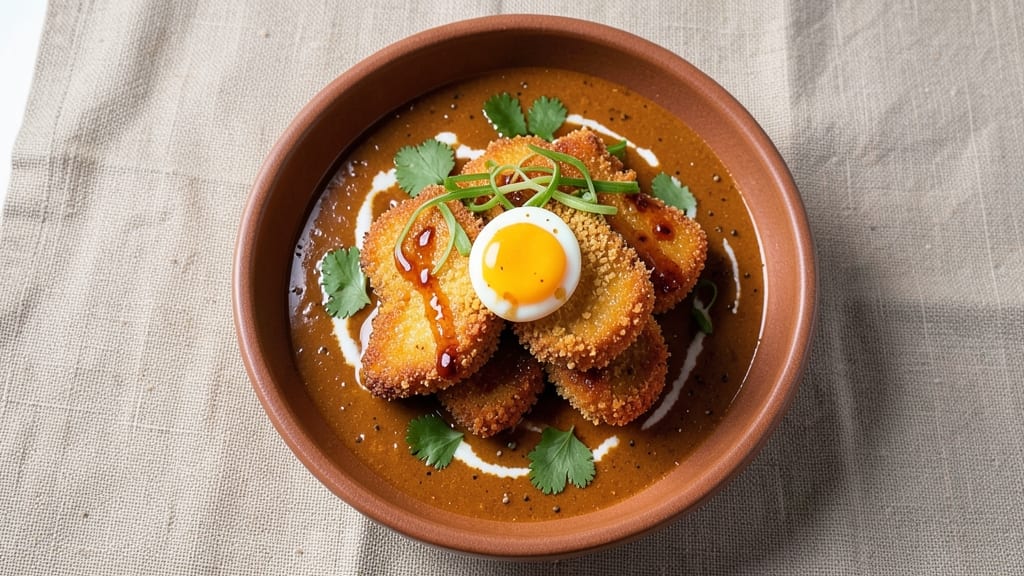
This sweet potato katsu curry recipe delivers the perfect balance of crispy, golden panko crust and velvety coconut-spiced curry sauce in every bite. The secret lies in properly breading and frying the sweet potato slices until they achieve that satisfying crunch—something that transforms this dish from ordinary to extraordinary.
I've perfected the technique over countless batches, ensuring the sweet potato stays tender inside while developing a crispy exterior that shatters with each bite.
The rich curry sauce begins with a fragrant roux of butter, flour, and spices, then simmers in coconut milk until it reaches that perfect balance of sweet, savory, and aromatic complexity.
What sets this recipe apart is the layering of flavors—warm spices like cinnamon and turmeric mingle with the natural sweetness of the sweet potatoes, creating a sauce that's both comforting and sophisticated.
The result is a dish that feels like a hug in bowl form, with each component playing its part perfectly.
By the time you serve this dish, you'll have golden-brown katsu pieces that stay crispy even when submerged in the sauce, paired with a velvety curry that coats every bite.
The contrast between the crunchy exterior and tender interior makes this recipe a standout, while the aromatic spices ensure every spoonful is packed with flavor. This is the kind of meal that turns weeknight dinners into something special without requiring hours in the kitchen.
Serve with steamed rice to soak up every last drop of that rich curry sauce, and consider adding pickles or a sprinkle of sesame seeds for extra texture and brightness.
The combination of crispy katsu and creamy curry creates a harmony that's impossible to resist—once you try it, this will become your go-to recipe for satisfying, flavorful meals. Let's get started on creating this restaurant-quality dish at home.
Ingredients for sweet potato katsu curry
Here's what transforms ordinary sweet potatoes into crispy, golden katsu with velvety coconut-spiced curry sauce.
| Ingredient | Amount | Notes |
|---|---|---|
| Large Sweet Potatoes 🍠 | 2 whole | Medium-sized, peeled and sliced |
| All-Purpose Flour 🌾 | 1 ½ cups | For breading, sifted preferred |
| Panko Breadcrumbs 🍞 | 2 cups | Japanese-style for extra crunch |
| Large Eggs 🥚 | 2 whole | Beaten for egg wash |
| Unsalted Butter 🧈 | ½ cup | Cold, cubed for frying |
| Vegetable Oil 🫒 | 2 cups | For deep frying, high smoke point |
| Yellow Onion 🧅 | 1 whole | Medium-sized, finely diced |
| Garlic Cloves 🧄 | 6 cloves | Fresh, minced for roux |
| Full-Fat Coconut Milk 🥥 | 1 ½ cups | Canned, for rich curry base |
| All-Purpose Flour 🌾 | ¼ cup | For roux, same as breading |
| Ground Turmeric 🌿 | 1 tsp | Freshly ground for vibrant color |
| Ground Cinnamon 🍃 | ½ tsp | Sweet variety preferred |
| Ground Coriander 🌶️ | 1 tsp | Freshly ground for warmth |
| Salt 🧂 | 1 ½ tsp | Kosher or sea salt |
| Black Pepper 🌶️ | ½ tsp | Freshly ground for heat |
The sweet potatoes are the star—orange-fleshed varieties like Beauregard hold their shape best. Grab them from the produce section, not the pre-cut bags (they dry out fast). For the panko, Japanese-style from Trader Joe's gives that perfect crunch, but any high-quality panko works. The key is keeping them cold until frying—chill the egg wash and breadcrumbs for extra crispiness. If your sweet potatoes are waxy, soak them in cold water for 20 minutes first to remove excess starch, which makes the crust stick better.
No panko? Crushed cornflakes or seasoned breadcrumbs work in a pinch, though texture won't be identical. Fresh turmeric? Use one-third the amount of ground—it's way more potent. For the coconut milk, full-fat canned brands like Thai Kitchen give the best creaminess. Substituting with light coconut milk means adding extra butter to compensate. The roux flour should be all-purpose, not cake flour—it needs to brown properly for that nutty depth. And if you're worried about oil splatter, use a splash of vinegar in the oil—it's a chef's trick to keep things under control.
Store leftover sweet potato katsu in an airtight container with parchment between layers to maintain crispiness for 2 days. The curry sauce keeps 4 days in the fridge, though it tastes even better reheated the next day. For freezing, portion the katsu separately from the sauce—freeze them on a tray first, then bag them to prevent sticking. Reheat katsu in a skillet with a touch of oil to revive that crispy texture. The sauce? Just microwave it with a splash of water to loosen it up.
Why You'll Love This Recipe
- Crispy Without Hassle: I swear by the flour-egg-panko combo—no fancy equipment needed. Just slice the sweet potatoes, dip, fry, and you’ve got that golden crunch in under 15 minutes. My kids think it’s takeout, but honestly, it’s just me being lazy (in the best way).
- Sweet-Potato Magic: That buttery, caramelized sweet potato inside? It’s like a hug in breading form. The curry sauce ties it all together—rich, slightly spicy, and the perfect balance to make you forget you’re eating something "healthy."
- Lunchbox Hero: Pack the katsu for work or school—it holds up better than most fried things. I’ve sent these to my husband’s office cold, and he’s still asked for seconds. (Yes, even on a Tuesday night.)
- Pantry Staple Power: Sweet potatoes, flour, eggs—you’re probably missing nothing. Panko’s the only splurge, but it’s worth it. Leftovers? Toss them in the fridge for days, or reheat with a splash of water to keep that crisp. Budget-friendly and foolproof.
Step-by-step instructions for sweet potato katsu curry
Here's how to create golden, crispy sweet potato katsu with a rich, aromatic coconut curry—every bite delivers perfect texture and flavor.
Prepare the Sweet Potato Cutlets
Slice the 2 whole large sweet potatoes lengthwise into ¼-inch thick rounds, cutting each potato into 4 pieces. The goal is even thickness for consistent cooking—use a mandoline if you have one for precision. Pat each slice dry with paper towels to remove excess moisture, which prevents soggy breading.
Place the slices between two layers of plastic wrap and gently pound them to an even ⅛-inch thickness using a meat mallet. This creates a larger surface area for crispy breading. Arrange the flattened cutlets on a wire rack set over a baking sheet and refrigerate for 30 minutes to firm up slightly before breading.
Create the Panko Breading Station
Set up three shallow bowls for your breading station. In the first bowl, place the 1.5 cups all-purpose flour mixed with 1.5 teaspoons salt and ½ teaspoon black pepper. In the second bowl, put the 2 cups panko breadcrumbs—don't skip the Japanese-style panko, as it gives that signature crispy texture. In the third bowl, crack the 2 whole large eggs and beat them lightly with a fork.
Dip each sweet potato cutlet first into the flour mixture, coating both sides evenly. Shake off any excess, then dip into the beaten egg, letting any excess drip off. Finally, press the cutlet into the panko breadcrumbs, covering completely. I press gently with my fingers to help the crumbs adhere—this ensures maximum crispiness when frying.
Fry to Golden Perfection
Heat 2 cups vegetable oil in a deep skillet or Dutch oven to 350°F. Use a thermometer to monitor the temperature—it's crucial for even cooking. Fry the breaded sweet potato cutlets in batches, turning once when the edges are golden brown (about 2-3 minutes per side). Don't overcrowd the pan or the oil temperature will drop, leading to greasy rather than crispy results.
Transfer the fried cutlets to a wire rack set over a paper towel-lined plate to drain excess oil. Keep them warm in a 200°F oven while you prepare the curry sauce. The cutlets should maintain their crispiness until serving. If they start to soften, simply return them to the oven for 2-3 minutes to restore their crunch.
Build the Aromatic Curry Sauce
In the same skillet (after removing most of the oil with a paper towel), melt the ½ cup unsalted butter over medium heat. Add the 1 whole yellow onion and 6 cloves minced garlic, cooking until softened and golden (about 5 minutes). This step develops the foundation of your sauce's flavor—don't rush it.
Stir in the ¼ cup all-purpose flour to create a roux, cooking for 1-2 minutes until lightly browned. Gradually whisk in the 1.5 cups full-fat coconut milk, then add the 1 teaspoon ground turmeric, ½ teaspoon ground cinnamon, and 1 teaspoon ground coriander. Bring to a gentle simmer and let the sauce thicken for 10-12 minutes, stirring occasionally.
Combine and Serve
Return the crispy sweet potato cutlets to the skillet with the curry sauce, spooning sauce over each piece. Let them simmer together for 2-3 minutes to absorb the rich flavors. The cutlets should be fully coated in the vibrant, aromatic sauce with visible golden-brown breading.
Serve immediately with steamed rice to soak up every last bit of that delicious curry. The contrast between the crispy exterior of the sweet potato and the creamy, spiced coconut sauce creates a perfect balance of textures and flavors in every bite. For extra presentation, garnish with fresh cilantro or a sprinkle of sesame seeds.
Pro Tips For Making Sweet Potato Katsu Curry
- PEEL AND SLICE THIN: Sweet potatoes are stubborn—use a mandoline or sharp knife to cut them into ¼-inch slices. Thinner pieces fry faster and stay tender, while thicker ones turn gummy. (I learned this after wrestling with a fork to eat rubbery chunks.)
- DRY THE CRUST WELL: Pat each flour-dredged slice with a paper towel before the egg wash—this prevents soggy batter. Skip this, and your katsu will steam instead of crisp. (Yes, even if you’re impatient like me.)
- FRIE IN BATCHES: Crowd the pan, and the oil temp drops like a rock. Fry 2-3 slices at a time over medium-high heat, and reset the oil between batches. Your first batch will be perfect; the rest won’t be if you’re lazy.
- REST THE CURRY BASE: Let the roux sit for 5 minutes after adding the curry powder before adding liquids. This blooms the spices fully and prevents that bitter aftertaste. (I was skeptical until I tried it—now I never skip it.)
Serving suggestions for this recipe
Rice Pairings
Steamed jasmine rice is my go-to pairing for this dish—its delicate floral aroma complements the rich coconut curry without overpowering it. Cook 1 cup jasmine rice with 1.5 cups water for perfectly fluffy grains that soak up every last drop of sauce.
For a heartier option, try brown rice—it adds nutty texture and pairs beautifully with the sweet potatoes' natural sweetness. 🍚
Pickled Vegetables
Add a tangy contrast with quick-pickled cucumbers or daikon radish. Thinly slice 1 English cucumber and 1 daikon radish, then soak in a mixture of ½ cup rice vinegar, 1 tbsp sugar, and ½ tsp salt for 30 minutes.
The bright acidity cuts through the richness of the curry and adds freshness to each bite.
Garnish Ideas
Fresh cilantro adds a bright, herbaceous note that balances the warm spices. Chop ¼ cup cilantro and sprinkle over the finished dish just before serving. For extra crunch, toast 1 tbsp sesame seeds in a dry skillet over medium heat for 1-2 minutes until golden, then sprinkle on top.
A drizzle of chili crisp adds heat for those who love a kick.
Dipping Sauces
Serve with a small bowl of tonkatsu sauce—its sweet and tangy profile enhances the crispy texture. Mix 2 tbsp Worcestershire sauce, 1 tbsp soy sauce, 1 tbsp ketchup, and 1 tsp honey for a quick homemade version.
Alternatively, a dollop of spicy mayo (mix 2 tbsp mayo with ½ tsp sriracha) adds creamy heat that pairs perfectly with the sweet potato katsu.
Presentation Tips
Arrange the crispy sweet potato katsu in a circular pattern on a platter, fanning them slightly to showcase their golden crust. Spoon the vibrant curry sauce over the top, letting it pool slightly in the center.
Surround with rice and pickles for a visually appealing dish that’s as beautiful as it is delicious. For extra flair, use a black plate to make the orange sweet potatoes pop. ✨
Nutrition facts
Frequently asked questions
Can I substitute sweet potatoes with regular potatoes for this recipe?
While you can use regular potatoes, the texture and flavor will differ significantly. Sweet potatoes have a naturally sweeter taste and creamier texture that pairs beautifully with the coconut curry. Regular potatoes will be starchier and less flavorful, requiring you to adjust the sweetness in the sauce. If you must substitute, try orange-fleshed potatoes like Yukon Gold for a closer match.
Why did my sweet potato katsu turn out greasy instead of crispy?
Greasy katsu usually happens when the oil temperature drops below 350°F or if you overcrowd the pan. Always fry in batches and use a thermometer to monitor the oil. Another common mistake is not draining excess moisture from the sweet potatoes before breading—pat them very dry with paper towels. Also, ensure your panko is fresh and your egg wash isn't too runny.
How can I make this recipe vegetarian or vegan?
For a vegetarian version, keep the sweet potato katsu as-is but add chickpeas or tofu to the curry for protein. For vegan, replace butter with coconut oil, use flax eggs for breading, and ensure your panko is vegan-friendly. The coconut milk already makes this recipe dairy-free! The flavor profile will still shine with these simple swaps.
Can I prepare the curry sauce ahead of time?
The curry sauce actually tastes better the next day as the flavors meld. Make it up to 2 days ahead and store it in an airtight container in the fridge. When ready to serve, simply reheat it gently with a splash of water or coconut milk to restore its creaminess. The katsu should be fried fresh to maintain crispiness, though.
What's the secret to keeping the katsu crispy when serving?
The key is to keep them warm in a 200°F oven while you finish the curry sauce. If they start to soften, simply return them to the oven for 2-3 minutes to restore that satisfying crunch. Another pro tip: Serve the katsu directly over the curry sauce in shallow bowls so they stay crispy longer.