
Sauces & Condiments
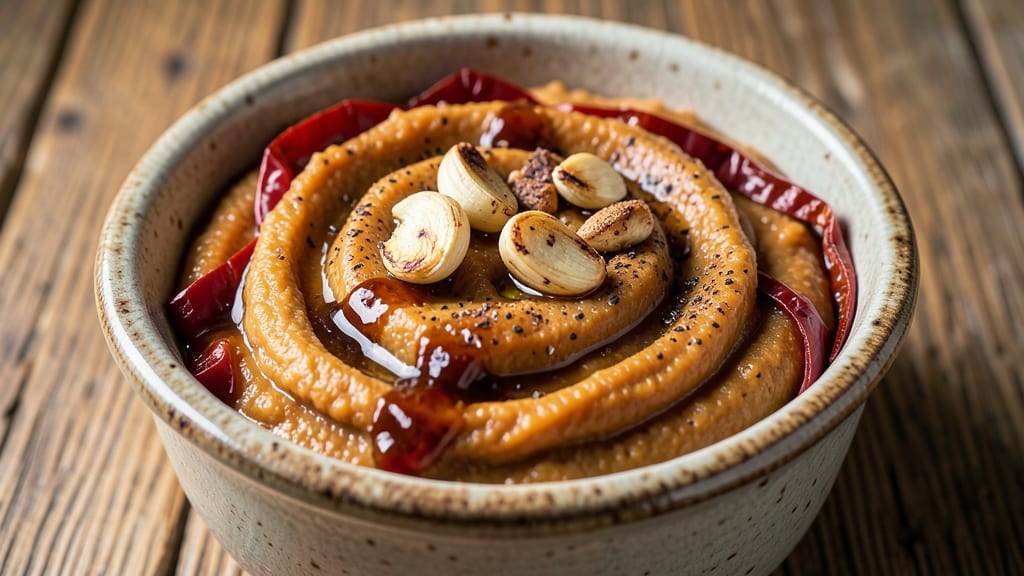
This sweet potato hot sauce recipe transforms humble sweet potatoes into a complex, smoky-sweet condiment that adds depth to everything from tacos to deviled eggs.
The secret lies in roasting the sweet potatoes until caramelized, then blending them with vinegar, chili peppers, and a touch of molasses for that signature balance of heat and sweetness.
I developed this recipe after realizing how much better homemade hot sauce tastes compared to store-bought versions—especially when you control the heat level and sweetness.
The process is straightforward but requires patience: roast the sweet potatoes until tender and slightly charred, then simmer them with vinegar, garlic, and spices until the flavors meld into a smooth, vibrant sauce.
The molasses deepens the caramel notes while the vinegar brightens the heat, creating a sauce that’s versatile enough for spicy dishes but sweet enough to appeal to everyone at the table. Unlike traditional hot sauces, this one delivers a smoky-sweet heat that pairs beautifully with both savory and sweet applications.
What makes this sauce truly special is its long shelf life—it keeps for months in the refrigerator, making it perfect for batch cooking.
The texture is smooth yet slightly textured, thanks to the roasted sweet potatoes, while the heat level can be adjusted by adding more or fewer chili peppers.
Whether you drizzle it over grilled meats, mix it into marinades, or use it as a dipping sauce, this hot sauce elevates every dish it touches.
For those who love experimenting, try adding a splash of bourbon or a pinch of smoked paprika for extra complexity. The key is balancing the sweetness with acidity and heat, so don’t be afraid to taste as you go.
Once you make this sauce, you’ll never go back to store-bought again.
Ingredients for sweet potato hot sauce
Eight simple ingredients, bold flavors, and a process that turns humble sweet potatoes into restaurant-quality hot sauce.
| Ingredient | Amount | Notes |
|---|---|---|
| Sweet Potatoes 🍠 | 2 lbs | Medium-sized, peeled and cubed |
| Apple Cider Vinegar 🍎 | 1 cup | Raw and unfiltered preferred |
| Molasses 🍯 | ¼ cup | Unsulphured for best flavor |
| Garlic Cloves 🧄 | 4 cloves | Peeled and smashed |
| Red Chili Peppers 🌶️ | 4 whole | Fresh, like jalapeño or serrano |
| Smoked Paprika 🌶️ | 1 tbsp | For authentic smoky depth |
| Ground Cumin 🌿 | 1 tsp | Toasted for richer flavor |
| Salt 🧂 | 1 ½ tsp | Kosher or sea salt |
| Black Peppercorns 🌶️ | ½ tsp | Freshly cracked preferred |
| Olive Oil 🫒 | 2 tbsp | For roasting sweet potatoes |
Sweet potatoes are the heart of this sauce—orange-fleshed varieties like Jewel or Beauregard work best. Trader Joe's usually carries pre-peeled ones, but if you're peeling them yourself, look for firm, smooth-skinned potatoes. The key is roasting them until caramelized—don't skip the char—that's where the deep sweetness comes from. For extra smokiness, toss them with olive oil and roast directly on the grill. The vinegar should be raw and unfiltered—Bragg's is my go-to, but any apple cider vinegar works. Molasses adds that rich caramel note, so don't use the light kind—unsulphured is essential for authentic flavor.
No fresh chili peppers? Pickled jalapeños or hot sauce work in a pinch—just adjust the amount since they're already cooked. Running low on molasses? Maple syrup or brown sugar can substitute, but you'll lose some of that deep, complex flavor. The smoked paprika is non-negotiable for that signature smoky taste—Penzeys brand has the best quality. For a smoother sauce, blend in a splash of water or broth after cooking. And if you're sensitive to heat, reduce the chili peppers to 2 instead of 4. The garlic can be roasted with the sweet potatoes for extra depth—just toss it in the pan during the last 10 minutes of roasting.
This sauce keeps for months in the fridge—airtight jar, dark cabinet, done. I always make a double batch because it disappears fast. For a smoother texture, strain out the solids after blending, or leave them in for extra body. The heat level mellows slightly over time, so if you want it spicier later, just add a dash of hot sauce. Freezes beautifully for up to 6 months—portion into ice cube trays for easy single-use servings. And if you're feeling fancy, add a splash of bourbon or apple brandy while simmering for a sophisticated twist.
Why You'll Love This Recipe
- Sweet Potato Magic: I swear by this sauce because it turns a simple sweet potato into something ridiculously good—no fancy techniques, just roast until caramelized and blend. The molasses and vinegar do the rest of the work while you’re making dinner.
- One-Pot Wonder: Honestly, you’ll barely notice you’re cooking. Toss the sweet potatoes and peppers in the oven while you prep garlic and vinegar on the stovetop—zero chopping stress, zero mess. That’s how you win weeknights.
- Secret Crowd-Pleaser: Between us, this sauce disappears at parties. It’s got that smoky-sweet kick from the roasted potatoes and a little heat from the chilis, so it works on burgers, fries, or even deviled eggs. My in-laws still ask for the recipe every holiday.
- Pantry Goldmine: I make a double batch because it lasts ages in the fridge, and the ingredients won’t break the bank. A few sweet potatoes, a bottle of vinegar, and some spices—no specialty shopping required. That’s budget-friendly magic right there.
Step-by-step instructions for sweet potato hot sauce
Turn simple ingredients into a complex, smoky-sweet hot sauce that works on tacos, eggs, or even pizza.
Roast Sweet Potatoes and Chili Peppers Until Caramelized
Preheat your oven to 400°F. Toss the 2 lbs cubed sweet potatoes and 4 whole red chili peppers with 2 tbsp olive oil on a baking sheet. Spread them in a single layer—crowding will steam instead of roast. Roast for 30-40 minutes, stirring once halfway, until the sweet potatoes are tender when pierced with a fork and the chili peppers are deeply charred with blackened spots.
Here's the thing—those charred spots are where the magic happens. They add smoky depth and complexity to the sauce. If the peppers aren't blackened enough, return them to the oven for another 5-10 minutes. Once done, let everything cool slightly before handling—hot peppers pack a punch!
Blend Roasted Vegetables with Vinegar and Molasses
Transfer the roasted sweet potatoes and chili peppers to a blender or food processor. Add the 1 cup apple cider vinegar and 0.25 cup molasses. The molasses will add that signature sweetness, while the vinegar keeps the sauce bright and tangy. Pulse until everything is finely chopped, then blend on high until completely smooth—you should have about 3 cups of thick purée.
Taste at this stage—it’ll be sweet, tangy, and slightly smoky. If it needs more heat, add a pinch of salt or a dash of vinegar. If it’s too thin, simmer it uncovered for 5-10 minutes to reduce. The goal is a thick, velvety base that’s ready for spices.
Toast Spices and Build the Sauce
In a small dry skillet over medium heat, toast the 1 tbsp smoked paprika, 1 tsp ground cumin, 1.5 tsp salt, and 0.5 tsp cracked black peppercorns for 1-2 minutes until fragrant. This step deepens their flavors—don’t walk away, or they’ll burn. Let the spices cool slightly, then whisk them into the purée in the blender.
Now, blend again until smooth. The spices should dissolve completely, giving the sauce a rich, aromatic kick. If the sauce is too thick, thin it with 1-2 tablespoons of water or vinegar. If it’s too thin, simmer it uncovered for 5 minutes to thicken. You’re aiming for a consistency like ketchup—thick enough to coat the back of a spoon but still pourable.
Simmer and Strain for Smooth Perfection
Pour the sauce into a clean saucepan and bring it to a gentle simmer over low heat. Let it cook for 10-15 minutes, stirring occasionally, until it thickens slightly and the flavors meld. The longer it simmers, the deeper the taste—don’t rush this step. Meanwhile, line a fine-mesh strainer with cheesecloth or a coffee filter and set it over a clean bowl.
Carefully pour the hot sauce through the strainer into the bowl, pressing gently on the solids with a spoon. This removes any grit or fiber, leaving you with a silky-smooth sauce. Discard the solids or compost them—they’ve given everything they’ve got. Let the sauce cool completely before tasting again—flavors develop as it sits.
Store and Use Your Homemade Hot Sauce
Transfer the cooled sauce to a clean glass jar or bottle with a tight-sealing lid. Store it in the refrigerator for up to 2 weeks or freeze it for up to 3 months. The flavors will continue to mellow and deepen over time—this sauce only gets better with age!
Use it on tacos, eggs, grilled meats, or even drizzled over popcorn for a sweet-spicy kick. Start with a little—this sauce is bold! If it’s too spicy, balance it with a touch of honey or more vinegar. If it’s not spicy enough, add a pinch of cayenne or a drop of hot sauce next time. Enjoy your creation—you’ve just made a hot sauce that’s uniquely yours.
Pro Tips For Making Sweet Potato Hot Sauce
- ROAST SWEET POTATOES UNTIL TOOTHSOME: I learned this the hard way—undercooked sweet potatoes turn your sauce into a mushy sludge. Roast them at 400°F (200°C) for 45-50 minutes, flipping halfway, until a knife slides in like butter. You want them caramelized on the edges but still holding shape when mashed.
- PEEL PEPPERS AFTER TOASTING: Skip the raw peppers—they’ll make your sauce bitter. Toast the red chilis (whole or halved) in a dry skillet over medium-high heat for 3-4 minutes until charred in spots. Peel off the skins while warm, then blend them in. The char adds depth without overpowering.
- SIMMER LOW AND SLOW: High heat burns the molasses and vinegar, turning your sauce into a sad, bitter mess. Reduce the heat to a gentle simmer after the initial 10 minutes, and let it cook for 20-25 minutes uncovered. This lets the flavors meld without scorching—trust me, your nose will thank you.
- STRAIN FOR SMOOTHNESS (OR KEEP IT CHUNKY): If you hate texture, strain the blended sauce through a fine-mesh sieve after cooking. If you prefer rustic bites, skip it—but resist the urge to blend again later. Over-blending turns sweet potatoes into glue. Choose your consistency now and save yourself cleanup later.
Essential equipment for great sweet potato hot sauce
Blender or Food Processor
You’ll need a high-powered blender or food processor to achieve that ultra-smooth texture. I use my Ninja BN601 for its powerful motor—it handles the fibrous sweet potatoes and charred peppers effortlessly. If you’re on a budget, a Vitamix E310 is a great mid-range option that won’t break the bank.
Avoid cheap blenders; they’ll struggle with the thick purée and leave you with a grainy sauce. 💫
Roasting Pan and Baking Sheet
A rimmed baking sheet is essential for roasting the sweet potatoes and peppers—half-sheet pans (13x18 inches) work perfectly. Look for heavy-duty aluminum or stainless steel pans; they distribute heat evenly and prevent warping.
I like the Chicago Metallic Commercial Half Pan because it’s durable and conducts heat like a dream. Line it with parchment paper for easy cleanup, but skip the foil—it can interfere with browning.
Fine-Mesh Strainer and Cheesecloth
For that silky-smooth finish, you’ll need a fine-mesh strainer (like the OXO Good Grips) and cheesecloth or a coffee filter. The strainer removes any remaining bits, while the cheesecloth catches the finest particles for a restaurant-quality texture.
If you don’t have cheesecloth, a double layer of paper towels works in a pinch. Pro tip: Wet the cheesecloth first—it strains better and won’t clog as easily.
Saucepan for Simmering
A heavy-bottomed saucepan is a must for simmering the sauce evenly. I reach for my All-Clad Stainless Steel Saucepan because it prevents scorching and maintains consistent heat. If you’re using a lighter pan, keep the heat low and steady—high heat can burn the sauce before it thickens properly.
A lid helps retain moisture, but leave it slightly ajar to let excess steam escape and avoid a skin from forming.
Spice Toasting Skillet
A small nonstick skillet (like my Calphalon Classic) is perfect for toasting the spices—it heats up quickly and prevents burning. If you don’t have nonstick, a cast-iron skillet works too, but watch the heat closely.
Toasting the spices over medium heat for just 1-2 minutes unlocks their full flavor potential. A wooden spoon helps stir them evenly without scratching the pan.
Storage Containers
For long-term storage, amber glass jars with airtight lids are ideal—they block light and preserve the sauce’s vibrant color and flavor. I love the Le Parfait 16oz Mason Jars for their durability and seal.
If you’re freezing, silicone ice cube trays are genius for portioning single-use servings. Label everything with the date—this sauce tastes even better after a few weeks, but it’s easy to lose track of time!
Nutrition facts
Frequently asked questions
Can I use regular potatoes instead of sweet potatoes?
Not recommended! Sweet potatoes provide that signature caramelized sweetness and earthy depth that regular potatoes can't match. The natural sugars in sweet potatoes caramelize beautifully when roasted, creating the rich base for this sauce. If you must substitute, try yams, but the flavor will be different.
How do I adjust the heat level?
Start with 2-3 chili peppers for mild heat, 4 peppers for medium, or 6+ peppers for extra spicy. For even more control, remove the seeds and membranes from the peppers before roasting. If your sauce is too spicy, balance it with more vinegar or a touch of honey after simmering.
Why does my sauce look grainy?
Graininess usually means your blender wasn't powerful enough to fully break down the roasted sweet potatoes and peppers. Try blending in batches or using a high-speed blender. For extra smoothness, strain the sauce through cheesecloth after simmering. If you're short on time, a quick pulse in the blender followed by simmering will help too.
Can I make this sauce without molasses?
Yes! Substitute with 0.25 cup maple syrup or 0.25 cup brown sugar dissolved in 2 tbsp water. The molasses adds depth, but these alternatives will still give you sweetness. For a smokier flavor, add an extra 0.5 tsp smoked paprika to compensate for the missing caramel notes.
What are the best ways to use this hot sauce?
This versatile sauce works on everything! Try it as a marinade for grilled chicken or pork, drizzled over tacos or nachos, stirred into deviled eggs, or even mixed into mayonnaise for sandwiches. The sweet-spicy balance makes it perfect for balancing rich, fatty foods like fried chicken or barbecue ribs.