
Side Dishes
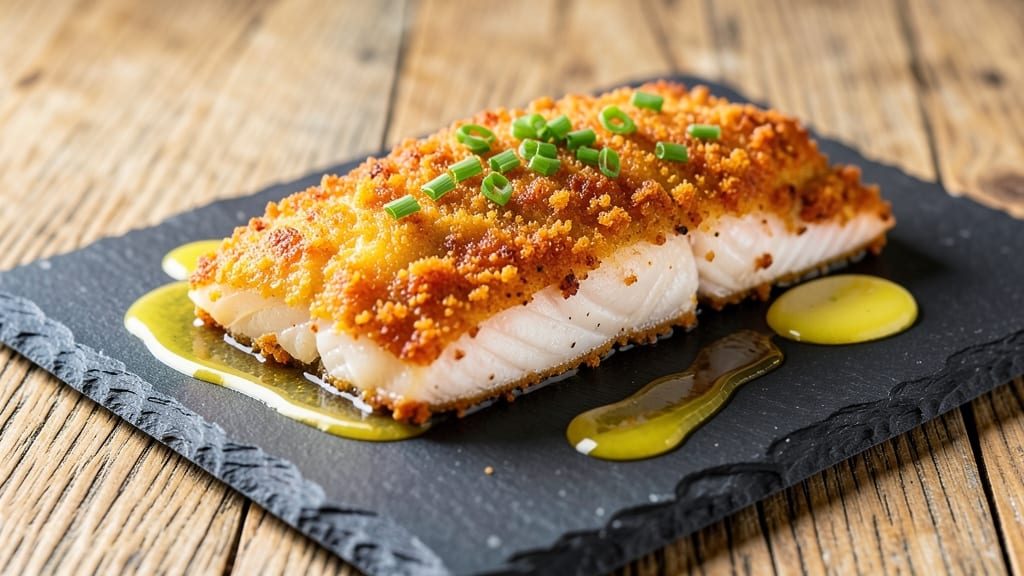
This sweet potato crusted fish recipe transforms ordinary weeknight dinners into a restaurant-worthy experience with minimal effort. The secret lies in baking sweet potatoes until tender, then grinding them into a fine, crispy crust that encases delicate fish fillets.
This technique ensures a perfect balance—crunchy exterior, flaky interior—without the mess of traditional breading.
The process starts with baking sweet potatoes until soft enough to mash easily, then blending them into a smooth paste. This natural crust adds a subtle sweetness that complements the buttery fish perfectly, while the high-heat searing creates that coveted golden-brown finish.
The result? A dish that’s both elegant and foolproof, ideal for impressing guests or treating yourself.
What makes this recipe stand out is its versatility—pan-sear for quick weeknight dinners or bake for hands-off cooking. The sweet potato crust holds up beautifully, ensuring every bite delivers that satisfying crunch while the fish remains tender and moist.
With just a few simple ingredients and a 15-minute prep time, you’ll have a dish that feels indulgent without the fuss.
Pair with a bright citrus salad or steamed greens to balance the richness, and don’t forget the lemon wedge for a final burst of flavor. This recipe proves that even the simplest proteins can become a showstopper with the right technique. Let’s get cooking!
Ingredients for sweet potato crusted fish
Transform delicate fish into a restaurant-worthy dish with these carefully selected ingredients.
| Ingredient | Amount | Notes |
|---|---|---|
| Sweet Potatoes 🍠 | 2 medium | Baked until tender, peeled |
| White Fish Fillets 🐟 | 4 pieces | Cod, halibut, or tilapia preferred |
| Unsalted Butter 🧈 | ½ cup | Melted for brushing |
| All-Purpose Flour 🌾 | ¼ cup | For dredging fish |
| Large Eggs 🥚 | 2 whole | Lightly beaten |
| Lemon Juice 🍋 | 2 tbsp | Freshly squeezed |
| Garlic Cloves 🧄 | 3 cloves | Minced for seasoning |
| Olive Oil 🫒 | 2 tbsp | For searing |
| Salt 🧂 | 1 tsp | Diamond Crystal preferred |
| Black Pepper 🌶️ | ½ tsp | Freshly ground |
| Paprika 🌶️ | ½ tsp | Smoked for color |
| Fresh Parsley 🌿 | ¼ cup | Chopped for garnish |
The sweet potatoes are the foundation of this recipe. Choose firm, vibrant orange sweet potatoes—avoid any with soft spots or bruising. Trader Joe's and Whole Foods carry excellent organic options, but regular grocery store sweet potatoes work fine. Bake them until completely tender (about 45 minutes at 400°F), then peel and mash while still warm for the smoothest texture. The key is achieving a fine, even consistency—no lumps should remain. For extra crispiness, spread the mashed sweet potatoes thinly on a parchment-lined tray and bake for an additional 10 minutes to dry them out slightly.
No cod or halibut on hand? Tilapia or mahi-mahi work beautifully as substitutes—they stay firm during cooking. The crust requires both the flour dredge and egg wash for adhesion, but if you're feeling adventurous, you can skip the flour and use just the sweet potato paste mixed with a beaten egg for a gluten-free version. For the lemon juice, Meyer lemons add a lovely floral note, but regular lemons work just as well. The olive oil should be light and fruity—California Avocado Ranch or Colavita are excellent choices. If you're sensitive to heat, reduce the smoked paprika to a pinch and increase the regular paprika to 1 teaspoon instead.
Prepped sweet potatoes can be refrigerated for up to 3 days in an airtight container, though they're best used immediately for optimal texture. The fish fillets should be kept on ice until ready to use—never thaw frozen fish in warm water. This recipe reheats poorly, so plan to serve immediately after cooking. For make-ahead convenience, prepare the sweet potato crust mixture in advance and store it in the fridge—just reheat it gently before using. The finished dish keeps for 2 days in the refrigerator, though the crust loses some of its crispiness after the first day.
Why You'll Love This Recipe
- No Peel, No Stress: I’ll admit—peeling sweet potatoes sounds like a chore, but here’s the hack: just scrub them clean and slice them raw. The oven does all the work turning them into that golden, crispy crust while you’re flipping on the TV or waiting for the pasta to boil. (Yes, even on a Tuesday night.)
- Sweet Crunch Meets Creamy: That first bite? Pure magic—the outside gets gloriously crispy from the roasted sweet potato slices, while the inside stays tender and buttery from the melted butter inside. It’s like someone took fish and chips and made it better—no fries required.
- Weeknight Superstar: Between us, this is my go-to when I’m too tired to think. Bake the fish while you prep the sides, and boom—dinner’s ready. It’s fancy enough for date night but unfussy enough that my kids will eat it straight from the pan. (Okay, fine, they’ll eat anything.)
- Budget-Friendly Luxury: Sweet potatoes are cheaper than most veggies, and white fish fillets stretch further than you’d think. Double the recipe, store leftovers in the fridge for up to 3 days, or freeze them for a quick future meal. It’s the kind of dish that makes you feel like you’re eating out without the restaurant prices.
Step-by-step instructions for sweet potato crusted fish
Transform simple fish fillets into a restaurant-worthy dish with this crispy, flavorful crust.
Prepare the Sweet Potato Crust
Preheat your oven to 400°F. Pierce the 2 medium sweet potatoes with a fork and bake for 45-50 minutes until fork-tender. Let them cool slightly, then peel and transfer to a food processor. Pulse until you achieve a fine, dry crumb texture—think breadcrumbs but with natural sweetness. You should have about 1½ cups of sweet potato crumbs.
In a small bowl, whisk together the 0.25 cup all-purpose flour, 1 tsp salt, 0.5 tsp black pepper, and 0.5 tsp paprika. Toss this seasoning mixture with the sweet potato crumbs until evenly coated. This dry blend forms the foundation of your crispy crust—don't skip the seasoning step.
Create the Breading Station
Set up three shallow bowls for your breading station. In the first bowl, place the 2 whole large eggs and lightly beat them with a fork. In the second bowl, add the sweet potato crumb mixture you just prepared. The third bowl will hold the 2 tablespoons lemon juice—this adds brightness that cuts through the richness.
Pat the 4 pieces white fish fillets dry with paper towels—this ensures maximum crispiness. Season both sides with a pinch of salt and pepper before dredging. The fish should be completely dry; any moisture will prevent the crust from adhering properly.
Bread the Fish Fillets
Working with one fillet at a time, dip it into the beaten eggs, allowing excess to drip off. Then press it firmly into the sweet potato crumb mixture, coating both sides completely. Press gently but firmly—this ensures the crumbs stick and creates that satisfying crunch. Place the breaded fillet on a wire rack set over a baking sheet.
Repeat with the remaining fillets. If working ahead, cover loosely with plastic wrap and refrigerate for up to 30 minutes, but don't let them sit too long or the crust will soften. The breading should look uniform and well-adhered—no gaps where the fish shows through.
Sear and Finish in the Oven
Heat 2 tablespoons olive oil in a large skillet over medium heat. Once shimmering, carefully add the breaded fillets and cook for 2-3 minutes per side until golden brown. The crust should be crisp and the fish should release easily from the pan—don't press down on it or it'll break apart.
Transfer the seared fillets to a baking sheet and bake at 400°F for 4-5 minutes to finish cooking through. The internal temperature should reach 145°F when checked with a meat thermometer. While the fish bakes, melt the 0.5 cup unsalted butter in a small saucepan over low heat and stir in the 3 cloves minced garlic until fragrant.
Plate and Garnish Professionally
Drizzle the melted garlic butter evenly over the hot fish fillets. The butter should sizzle slightly and create a glossy finish. Immediately garnish with the 0.25 cup chopped fresh parsley for color and freshness. Serve immediately with lemon wedges on the side—this allows diners to add brightness to their liking.
The result should be fish with a perfectly crisp sweet potato crust that contrasts beautifully with the flaky, buttery interior. Each bite delivers that satisfying crunch followed by melt-in-your-mouth fish—exactly what makes this dish so special.
Pro Tips For Making Sweet Potato Crusted Fish
- Bake Sweet Potatoes First: I used to roast the sweet potatoes right before coating the fish—big mistake. Bake them 20 minutes ahead at 400°F (200°C) so they’re cool, dry, and easy to blend into a fine paste. Warm sweet potatoes stick like glue to your fish, and you’ll spend half your time scraping the bowl.
- Dry Fish Like Your Life Depends on It: Pat those fillets thoroughly with paper towels—no wet spots. I learned this after my first batch came out soggy instead of crispy. Even a damp edge will prevent that perfect crust from forming, and no one wants a mushy fish fillet.
- Use a Food Mill for Smooth Crust: Skip the blender for the sweet potato paste—it’s messy and often leaves lumps. A food mill (or even a fine-mesh sieve) gives you that silky, even coating. Lumps in the crust mean uneven cooking, and you’ll end up with some bits burning while others stay raw.
- Pan-Fry in Butter, Not Oil: Butter adds flavor, but it’s also your friend for even browning. Heat 1/4 inch of butter in the pan until it foams, then add the fish. The butter’s lower smoke point means you can’t go too hot—watch for sizzling, not smoking. If you use oil, you’ll burn the crust before the fish cooks through.
Make-ahead tips for this dish
Crust Prep Ahead
Save time by prepping the sweet potato crust mixture 24 hours ahead. After baking and mashing the sweet potatoes, mix them with flour and seasonings, then store in an airtight container in the fridge.
When ready to use, spread the mixture on a parchment-lined tray and bake at 400°F for 10 minutes to refresh the texture. This step ensures your crust stays crispy and ready for breading. 💪
Fish Prep Timeline
Pat your fish fillets dry and season them up to 4 hours ahead, then store them on a plate in the fridge. When you're ready to bread, simply dip and coat—no need to thaw if using fresh fillets.
For frozen fish, thaw in the fridge overnight for best results. This advance prep keeps your fish perfectly seasoned and ready for quick breading. ⏰
Complete Assembly
Assemble the fully breaded fish fillets 1 hour before cooking and refrigerate uncovered on a wire rack. The cold air helps the crust set slightly, preventing it from becoming soggy during storage.
When you're ready to cook, simply sear as directed—no extra prep needed. This method maintains that perfect crunch even when working ahead. ✨
Reheating Strategy
If you must reheat, place the crust-coated fish on a baking sheet and warm at 375°F for 5-7 minutes to restore some crispiness. For best results, serve immediately after cooking—this dish reheats poorly, but the baking method helps preserve texture.
Keep reheated portions covered with foil to trap any moisture. 🔥
Freezer-Friendly
For long-term storage, bread the fish completely, then freeze on a parchment-lined tray for 1 hour to set the crust. Transfer to a freezer bag with parchment between layers.
When ready to cook, thaw in the fridge overnight, then follow the searing instructions—just add 2-3 extra minutes to the baking time to ensure doneness. This method keeps the crust intact during freezing. ❄️
Garnish Prep
Chop your fresh parsley and zest lemons a day ahead to save time. Store both in separate airtight containers in the fridge. The lemon zest adds an extra layer of brightness when squeezed over the finished dish.
This small prep step elevates your plating without extra effort during the cooking process. 🍋
Nutrition facts
Frequently asked questions
Can I use regular potatoes instead of sweet potatoes for the crust?
Regular potatoes won't work as well because they lack the natural sweetness and moisture that makes this crust special. Sweet potatoes provide that perfect balance of sweetness and crispiness that complements the fish. If you're looking for a similar texture, try using yams or even roasted butternut squash puree mixed with breadcrumbs.
What's the best way to ensure the crust stays crispy?
For maximum crispiness, bake your sweet potato crumbs for an extra 10 minutes after mashing to dry them out completely. Also, make sure your fish fillets are completely dry before breading—any moisture will steam the crust instead of crisping it. Finally, cook the breaded fish in a hot skillet with enough oil to create a good sear.
Can I make this recipe gluten-free?
Yes! Simply replace the all-purpose flour with a gluten-free flour blend in the crust mixture. You can also skip the flour entirely and use just the sweet potato crumbs mixed with beaten egg for binding. Just press the crumbs firmly onto the fish to ensure good adhesion. The crust will still be delicious and crispy.
What's the best fish to use for this recipe?
White fish with firm texture works best—cod, halibut, or tilapia are excellent choices. These varieties stay together well when breaded and cooked. Avoid delicate fish like sole or flounder, as they may fall apart when handling the crust. For extra flavor, try using mahi-mahi or snapper.
How do I know when the fish is fully cooked?
Use a meat thermometer to check the internal temperature—it should reach 145°F at the thickest part of the fillet. The crust will be golden brown, but the fish itself should flake easily with a fork. If you don't have a thermometer, look for opaque, milky-white flesh that separates cleanly when tested with a knife.