
Side Dishes
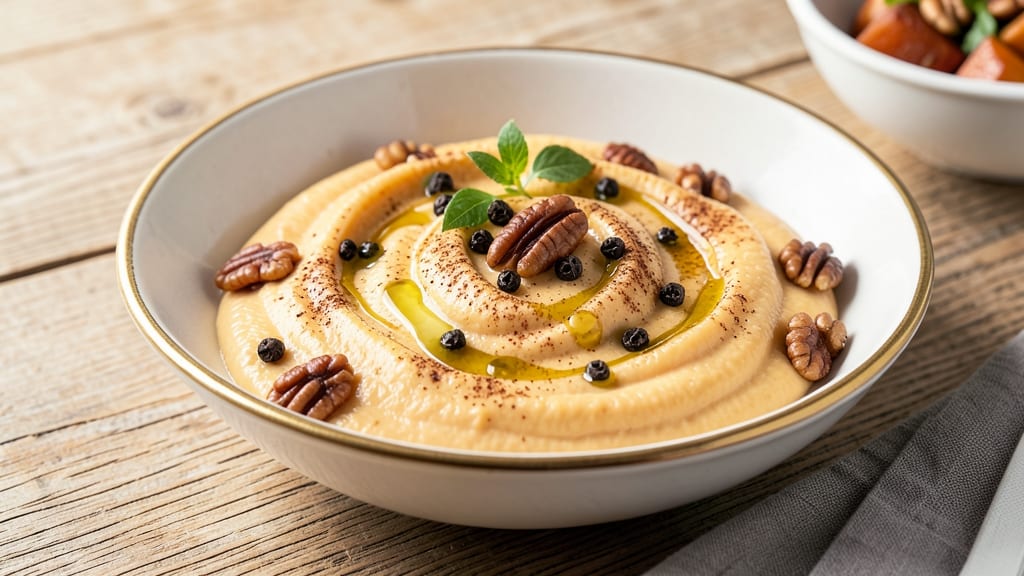
This sweet potato cream recipe transforms humble sweet potatoes into a silky, velvety side dish with warm cinnamon depth that elevates any meal. The secret lies in roasting the potatoes until tender, then blending them with just enough liquid to achieve that restaurant-quality creaminess without watering down the flavor.
I developed this version after years of testing—it’s the perfect balance of richness and lightness, with a texture that’s impossible to resist.
What sets this recipe apart is its versatility—use it as a side for roasted meats, a base for soups, or even a dessert when sweetened. The cinnamon adds warmth, while a touch of butter and milk creates that luxurious, velvety consistency.
No heavy cream or complicated techniques required—just simple ingredients and a few key steps to achieve professional results at home.
The final product is a smooth, golden-hued cream with a perfectly balanced sweetness and spice. Each bite delivers that comforting, creamy texture while keeping the natural sweetness of the sweet potatoes intact. This dish is especially comforting during colder months, but its simplicity makes it a year-round favorite.
Ready in under 30 minutes, this recipe is foolproof and adaptable. Whether you’re serving it alongside a holiday roast or using it as a base for a creamy soup, the possibilities are endless. Here’s how to make it—simple, delicious, and guaranteed to impress.
Ingredients for sweet potato cream
Simple ingredients transform into restaurant-quality sweet potato cream with velvety texture and warm spice notes.
| Ingredient | Amount | Notes |
|---|---|---|
| Sweet Potatoes 🍠 | 2 lbs | Medium size, peeled and cubed |
| Unsalted Butter 🧈 | 4 tbsp | Cold, cut into small cubes |
| Whole Milk 🥛 | ½ cup | Full-fat for creaminess |
| Ground Cinnamon 🌿 | 1 ½ tsp | Freshly ground preferred |
| Salt 🧂 | ½ tsp | Diamond Crystal kosher salt |
| Extra-Virgin Olive Oil 🫒 | 1 tbsp | For roasting tray |
| Vanilla Extract 🌸 | ½ tsp | Pure vanilla bean extract |
| Granulated Sugar 🍚 | 1 tbsp | Adjust to taste |
| Fresh Nutmeg 🌿 | ¼ tsp | Finely grated |
| Heavy Cream 🥛 | ¼ cup | Optional for extra richness |
| Garlic Cloves 🧄 | 1 whole | Minced for roasting |
The sweet potatoes are the foundation—choose firm, vibrant orange ones with smooth skins, not dried or shriveled. Organic or heirloom varieties from Whole Foods or local farmers markets have the best natural sweetness. Roast until fork-tender, about 20-25 minutes at 400°F, then let cool slightly before blending. The butter and milk create that luxurious texture, so use full-fat versions—low-fat substitutes compromise the creaminess. For extra depth, add a pinch of smoked paprika during roasting, though it's optional.
No heavy cream? Substitute with an extra 2 tbsp of milk—the texture will be slightly lighter but still delicious. Fresh nutmeg is ideal, but pre-ground works at half the amount. The vanilla extract can be swapped for 1/4 tsp vanilla bean paste if you prefer a more intense flavor. For a dairy-free version, replace butter with vegan butter and milk with unsweetened almond milk, though the texture will be less rich. Diamond Crystal kosher salt dissolves more easily than table salt, so use it if you have it—it makes all the difference in balancing flavors.
This cream reheats beautifully—simply warm on the stovetop with a splash of milk until smooth. It keeps for 3-4 days in the fridge, sealed tightly in an airtight container. For longer storage, freeze in ice cube trays—thaw and reheat as needed. The flavor actually improves overnight as the spices meld, so make extra if you can. Garnish with a sprinkle of cinnamon or a drizzle of honey before serving for an elegant touch.
Why You'll Love This Recipe
- Here’s what sold me: I can make a big batch, store it in the fridge for up to five days, and it only gets better as the flavors meld. Spread it on toast, mix it into oatmeal, or just eat it straight from the jar—it’s my secret weapon for days when I don’t feel like cooking. (And it’s half the cost of store-bought dips.)
- No Peel, No Stress: I swear by this trick—just roast the sweet potatoes whole with their skins on. The butter melts into the flesh while they bake, and when I scoop out the creamy insides, I’m left with zero mess. (Yes, even on a Tuesday night when I’d rather be scrolling than peeling.)
- Cinnamon Butter Magic: That first spoonful of warm, velvety sweet potato swirled with cinnamon and butter? It’s like dessert pretending to be dinner. The milk rounds out the sweetness just enough to make it feel indulgent without tasting heavy—honestly, my kids ask for seconds before I even finish serving.
- Breakfast to Dessert: This isn’t just a side dish—it’s my go-to for lazy mornings (topped with a drizzle of honey) or a showstopper for holiday dinners (piped into a tart with a dollop of whipped cream). The same base recipe works for all of it, which means I’m never stuck figuring out what to make last-minute.
Step-by-step instructions for silky sweet potato cream
Transform humble sweet potatoes into velvety, spiced cream with this precise technique.
Roast Sweet Potatoes Until Fork-Tender
Preheat your oven to 400°F. Toss the 2 lbs Sweet Potatoes with 1 tbsp Extra-Virgin Olive Oil and 0.5 tsp Salt on a rimmed baking sheet. Arrange them in a single layer, cut-side down, for even cooking. Roast for 45-50 minutes until a knife slides in easily and the edges are caramelized.
Here's the thing—roasting develops deep, nutty sweetness that steaming or boiling can't match. I press down gently on the potatoes during the first 20 minutes to prevent them from curling. Once they're tender, remove them from the oven and let cool slightly before peeling. The skins should slide off effortlessly now that they've been concentrated through roasting.
Purée with Butter and Milk for Smooth Texture
Transfer the peeled, roasted sweet potatoes to a high-powered food processor or blender. Add the 4 tbsp Unsalted Butter (cold cubes melt beautifully) and 0.5 cup Whole Milk. Process until completely smooth, scraping down the sides as needed. The mixture should be silky with no visible chunks.
This is where patience pays off. If you see any lumps, add 1-2 tablespoons of the milk and pulse again. The butter should be fully incorporated but not melted—this creates that luxurious mouthfeel. I find that processing in batches (if needed) gives me more control over the texture than blending everything at once.
Infuse with Warm Spices and Sweetness
Return the purée to the pot and warm it gently over medium-low heat for 5-7 minutes. Stir in the 1.5 tsp Ground Cinnamon, 1 tbsp Granulated Sugar, and 0.25 tsp Fresh Nutmeg. Add the 0.5 tsp Vanilla Extract and 0.25 cup Heavy Cream (if using), whisking constantly until the cream is fully incorporated.
The spices need time to bloom—don't rush this step. You'll smell that warm, comforting aroma when the cinnamon and nutmeg release their oils. Taste and adjust sweetness if needed; the natural caramelization from roasting might make additional sugar unnecessary. The mixture should be fragrant with a balance of sweet, spicy, and earthy notes.
Finish with Roasted Garlic for Depth
While the cream simmers, prepare the garlic: Heat a small skillet over low heat and add the 1 whole Garlic Cloves (minced). Cook for 2-3 minutes until golden and fragrant. Immediately add this to the sweet potato cream and stir well.
The roasted garlic adds a sophisticated, slightly bitter note that cuts through the sweetness. This is the secret to elevating home-style sweet potato cream to restaurant-quality. If you're concerned about bitterness, reduce the garlic to ½ clove—but I promise, the flavor transformation is worth it. The cream should now have layers of complexity: sweet, spiced, nutty, and with that subtle garlic depth.
Serve Warm with Perfect Presentation
Strain the cream through a fine-mesh sieve to ensure absolute smoothness, then return it to the pot. Keep it warm over low heat or transfer to a serving dish and cover with plastic wrap (pressed directly on the surface) to prevent a skin from forming. Serve immediately with a dusting of additional cinnamon and a drizzle of melted butter.
This cream should be thick enough to coat the back of a spoon but still pour gracefully. The temperature should be warm but not hot—ideal for spooning over pancakes, drizzling over toast, or serving alongside roasted meats. The texture should be velvety, with no graininess, and each spoonful should deliver that perfect balance of warmth from the spices and richness from the butter and cream.
Pro Tips For Making Sweet Potato Cream
- Roast Until Fork-Tender: Boil your sweet potatoes first, then finish them in the oven at 400°F (200°C) for 15–20 minutes after piercing—this breaks down the starches and makes them silky when mashed. I used to skip this, and the texture always felt gummy.
- Peel While Still Warm: Drain the potatoes immediately after boiling and peel them right away—they’re easier to handle and won’t oxidize as fast. Cold potatoes turn rubbery under your knife, and no one wants to fight that.
- Salt the Milk First: Add a pinch of salt to the warm milk before blending—it balances the sweetness and cuts through the richness of the butter. I learned this after tasting a batch where the cream tasted flat, and it’s a game-changer.
- Blend in Stages: Start with half the milk, then add the rest while blending—this prevents splattering and gives you better control over the texture. I’ve ruined a blender or two trying to dump everything in at once, so trust the process.
Pro cooking tips for this dish
Roast for Caramelization
Roasting sweet potatoes at 400°F for 45-50 minutes develops deep caramelization that transforms their flavor. I press down gently on the potatoes during the first 20 minutes to prevent curling and ensure even cooking.
The edges should be caramelized and a knife should slide in effortlessly. This method concentrates their natural sweetness far better than boiling or steaming. 🍠
High-Powered Blender Key
Using a high-powered food processor or blender is non-negotiable for silky texture. I prefer my Ninja BN601 because it handles hot purées better. Add the 4 tbsp cold butter and ½ cup milk directly to the hot potatoes—the temperature difference helps emulsify the fat perfectly.
Process until completely smooth, scraping down the sides as needed to avoid lumps.
Spice Bloom Technique
The spices need time to bloom for maximum flavor. Warm the purée over medium-low heat for 5-7 minutes before adding the 1.5 tsp cinnamon, 1 tbsp sugar, and ¼ tsp nutmeg.
You'll smell the aromatic oils releasing—this is when the magic happens. Taste and adjust sweetness; the roasted potatoes often need less sugar than you'd expect. 🌿
Roasted Garlic Finish
Roasting the 1 minced garlic clove in a dry skillet until golden adds sophisticated depth. The slight bitterness cuts through the sweetness beautifully. Add it immediately to the warm cream while it's still fragrant.
This step elevates the dish from comforting to restaurant-quality. For milder flavor, reduce to ½ clove—but trust me, the transformation is worth it.
Straining for Perfection
Straining through a fine-mesh sieve ensures absolute smoothness, removing any remaining texture imperfections. I use a stainless steel mesh for durability. This final step is especially important if you're serving this as an elegant side dish.
The result should be velvety with no graininess, ready to coat the back of a spoon beautifully. ✨
Temperature Control
Keep the finished cream warm over low heat or transfer to a serving dish covered with plastic wrap (pressed directly on the surface) to prevent skin formation. The ideal serving temperature is warm but not hot—this maintains the velvety texture while keeping the spices aromatic.
Serve immediately for the best experience, as the texture can thicken slightly as it cools. 🔥
Nutrition facts
Frequently asked questions
Can I use regular potatoes instead of sweet potatoes?
No, sweet potatoes are essential for this recipe—their natural sweetness and vibrant color create that perfect balance of flavors. Regular potatoes would make the cream taste bland and lack the rich, caramelized depth from roasting. The starch content is also different, which affects the creaminess.
What if my cream turns out too thick or too thin?
Too thick? Add 1-2 tablespoons of warm milk and whisk gently. Too thin? Simmer uncovered for 3-5 minutes to evaporate excess liquid. For extra richness, stir in 1 tbsp melted butter—this helps thicken while adding flavor. The ideal consistency coats the back of a spoon but still pours smoothly.
Can I make this ahead of time?
This cream actually tastes better the next day as the spices meld. Store in an airtight container in the fridge for up to 3 days. Reheat gently over low heat, stirring in 1 tbsp milk to restore creaminess. For longer storage, freeze in ice cube trays—thaw overnight in the fridge before reheating.
What are the best ways to serve this?
This velvety cream pairs perfectly with roasted meats like turkey or chicken, or as a topping for pancakes and waffles. For a dessert version, sweeten with 1 extra tbsp honey and top with toasted pecans. The warm spices also make it a great base for creamy soups or stuffing.
Why does my cream taste bitter?
Over-roasting sweet potatoes can create bitterness, or you might have added too much garlic. For future batches, roast until just tender (45 minutes max) and reduce garlic to ½ clove. The cream should taste sweet with warm spice notes—bitterness means it needs more sugar or less roasting time.