
Side Dishes
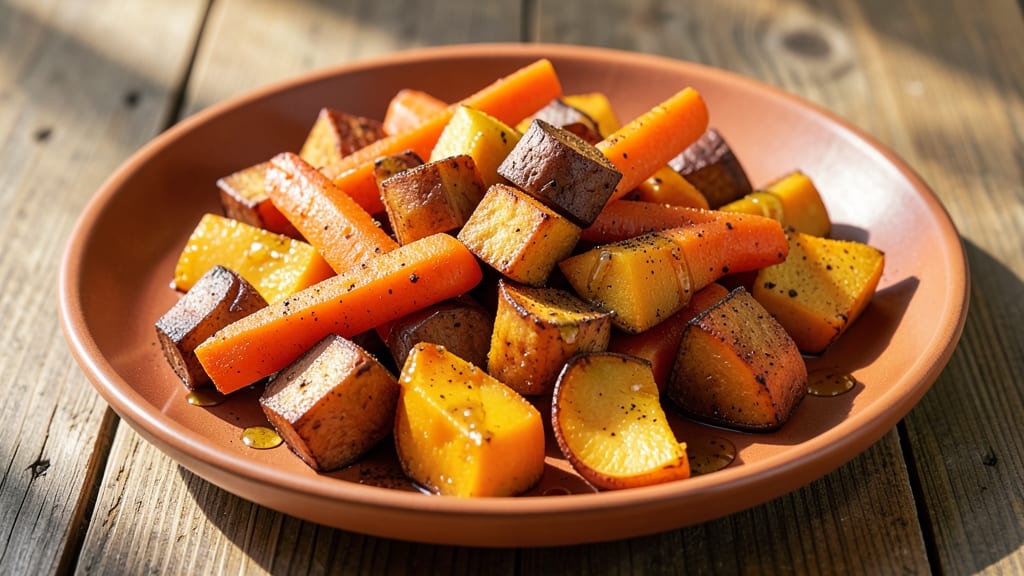
This sweet potato butternut squash carrot recipe transforms humble root vegetables into a vegan-friendly masterpiece that balances earthy sweetness with warm spices.
The key lies in roasting each vegetable separately to perfection—sweet potatoes caramelize into tender morsels, butternut squash develops a velvety texture, and carrots crisp at the edges—before coming together in a harmonious medley that’s as nutritious as it is delicious.
The secret to this dish’s depth is a simple yet intentional seasoning blend: smoked paprika, cinnamon, and a touch of cayenne for warmth, balanced by fresh thyme and garlic. No fancy techniques required—just a sheet pan, high heat, and 20 minutes of hands-off roasting.
The result? A side dish so flavorful it could easily stand as a main course, especially when paired with a protein like chickpeas or tofu for a complete meal.
What makes this recipe truly versatile is its adaptability—serve it as a heartier side alongside grilled meats, blend it into soups for extra body, or mash it into a creamy, spiced puree for a comforting bowl.
The natural sweetness of the vegetables means you can adjust spices to your taste, whether you prefer a mildly aromatic version or a boldly spiced twist. Every bite delivers a perfect balance of textures and flavors that feel both rustic and refined.
Ready to elevate your weeknight dinners? This roasted trio is foolproof, budget-friendly, and packed with nutrients—proof that simple ingredients can create something extraordinary. Let’s get started.
Ingredients for sweet potato butternut squash carrot
Simple ingredients, bold flavors—this trio transforms humble roots into a vegan masterpiece.
| Ingredient | Amount | Notes |
|---|---|---|
| Sweet Potatoes 🍠 | 1 ½ lb | Medium-sized, peeled and cubed |
| Butternut Squash 🎃 | 1 ½ lb | Peeled, seeded, cubed (1-inch) |
| Carrots 🥕 | 1 ½ lb | Baby or regular, cut into sticks |
| Extra-Virgin Olive Oil 🫒 | ½ cup | High quality, fruity flavor |
| Smoked Paprika 🌶️ | 1 tbsp | For deep, smoky warmth |
| Ground Cinnamon 🌿 | 1 tsp | Freshly ground preferred |
| Cayenne Pepper 🔥 | ¼ tsp | Adjust for heat preference |
| Fresh Thyme Leaves 🌿 | ¼ cup | Or 1 tbsp dried thyme |
| Garlic Cloves 🧄 | 4 cloves | Minced for even distribution |
| Salt 🧂 | 1 ½ tsp | Diamond Crystal kosher salt |
| Black Pepper 🌶️ | ½ tsp | Freshly ground for brightness |
| Fresh Ginger 🌿 | 1 tbsp | Grated, for aromatic depth |
| Lemon Juice 🍋 | 1 tbsp | Freshly squeezed, brightens flavors |
The sweet potatoes are the star here—look for vibrant orange ones with smooth skins, not those with green spots. Trader Joe's and Whole Foods usually carry the best quality, but any grocery store's organic section works. For the butternut squash, smaller squashes roast more evenly—cut them in half lengthwise before seeding. Carrots? Baby carrots save time, but regular carrots add more rustic texture. Fresh ginger is non-negotiable for that aromatic depth, but if you're in a pinch, ground ginger at half the amount works in a bind.
No smoked paprika? Regular paprika plus a pinch of liquid smoke gets you close. Fresh thyme out of season? Dried thyme at one-third the amount keeps the flavor profile intact. The cayenne can be swapped for red pepper flakes if you prefer more texture in your heat. For the olive oil, avoid the cheap stuff—look for extra-virgin with a fruity aroma. The lemon juice is worth squeezing fresh; bottled just doesn't cut it. And if you're feeling fancy, toasted cumin seeds can replace half the cinnamon for a different depth of flavor.
Roasted vegetables keep best in the fridge for 4-5 days if stored in airtight containers. For longer storage, freeze portions for up to 3 months—they'll be perfect for soups or grain bowls later. I like to portion mine into single-serving containers so I can grab and reheat for quick lunches. The spices? Keep them in a cool, dark place for up to 6 months—they lose potency fast once opened. Fresh ginger lasts about 2 weeks in the fridge, so buy just enough for this recipe.
Why You'll Love This Recipe
- Here’s what sold me: I roast a big batch on Sunday, and it lasts all week. Toss it into salads, eat it cold with hummus, or reheat it for a quick dinner. My kids even ask for it at school lunches (yes, really).
- One-Pan Magic: Honestly, I just toss everything—diced sweet potatoes, cubed squash, and carrots—onto a single sheet pan, drizzle with olive oil, and sprinkle that smoked paprika. No bowls, no mess, no stress. The oven does all the work while I sip my coffee.
- Caramelized Comfort: Between us, the way the edges get crispy and the centers stay tender? Ridiculously good. The smoked paprika adds this deep, earthy warmth that makes it taste like a hug—especially when the sweetness of the squash and carrots melds together.
- Meal Prep MVP: Here’s what sold me: I roast a big batch on Sunday, and it lasts all week. Toss it into salads, eat it cold with hummus, or reheat it for a quick dinner. My kids even ask for it at school lunches (yes, really).
Step-by-step instructions for roasted sweet potato, butternut squash, and carrots
Transform humble root vegetables into a fragrant, caramelized trio with this simple roasting technique.
Prep and Season the Vegetables
First, spread all 1.5 lb sweet potatoes, 1.5 lb butternut squash, and 1.5 lb carrots on a large rimmed baking sheet. I always use a sharp chef's knife for this—it gives you cleaner cuts and prevents crushing the delicate squash. Cut the sweet potatoes and squash into 1-inch cubes (about the size of a walnut) and the carrots into 2-inch sticks for even cooking. The larger surface area ensures they crisp beautifully while staying tender inside.
In a small bowl, whisk together the 0.5 cup extra-virgin olive oil, 1 tbsp smoked paprika, 1 tsp ground cinnamon, 0.25 tsp cayenne pepper, 1.5 tsp salt, and 0.5 tsp black pepper. This spice blend is where the magic happens—smoked paprika adds depth, cinnamon brings warmth, and cayenne introduces just enough heat to make your mouth tingle. Pour half of this mixture over the vegetables and toss gently with your hands, making sure each piece is evenly coated. Let them sit for 10 minutes at room temperature while you prep the remaining seasoning.
Add Aromatics and Toss Again
While the vegetables marinate, finely mince the 4 cloves garlic and grate the 1 tbsp fresh ginger using a microplane. The microplane gives you the finest texture, which dissolves beautifully into the oil rather than sitting in chunks. Add these to the remaining seasoning mixture along with the 0.25 cup fresh thyme leaves and 1 tbsp lemon juice. The lemon juice might seem unusual, but it brightens the earthy flavors and prevents the vegetables from tasting flat.
Toss the vegetables again with the second half of the seasoning, pressing the spices gently into the flesh. I like to use my hands for this—it ensures even distribution and helps the spices adhere. The lemon juice will make the vegetables glisten slightly, which is a good sign they're ready for the oven. Arrange them in a single layer on two rimmed baking sheets, leaving about ½ inch between each piece. This spacing prevents steaming and ensures crispy edges.
Roast Until Caramelized and Tender
Preheat your oven to 425°F with the racks positioned in the middle and upper positions. This high heat is crucial for developing those beautiful caramelized edges. Once preheated, slide the baking sheets into the oven and roast for 25 minutes. After 25 minutes, carefully flip each vegetable piece using tongs and rotate the pans front to back. This ensures even browning on all sides.
Continue roasting for another 20-25 minutes, or until the edges are deeply caramelized and a knife slides in easily. The sweet potatoes should be tender with just a slight resistance, the squash should yield slightly under pressure, and the carrots should be fork-tender with crisp edges. If you're unsure, cut into a piece of sweet potato—it should be soft in the center but still hold its shape. The total roasting time is about 45-50 minutes, but timing can vary based on your oven's heat distribution.
Finish with Fresh Herbs and Serve Warm
Remove the vegetables from the oven and let them rest on the baking sheets for 5 minutes. This resting period allows the juices to redistribute, ensuring they're tender and flavorful when served. While they rest, give them a final toss with tongs to redistribute any pooled juices and spices. The aroma at this point is incredible—smoky, sweet, and slightly spicy with a bright citrus note.
Serve immediately, garnished with an extra sprinkle of fresh thyme leaves if desired. The contrast between the crispy edges and tender centers is what makes this dish so satisfying. Pair with a dollop of Greek yogurt or a sprinkle of feta for extra richness, or serve alongside grilled chicken or tofu for a complete meal. The flavors are bold enough to stand alone but versatile enough to complement other dishes.
Pro Tips For Making Sweet Potato Butternut Squash Carrot
- CUT SQUASH SMALLER THAN YOU THINK: Butternut squash takes longer to soften than you’d guess—especially when mixed with denser sweet potatoes. Dice it into ½-inch cubes (yes, smaller than your knife’s handle) so it cooks evenly. I learned this the hard way after serving a batch where the squash was still slightly resistant while the carrots were mushy.
- PEEL SWEET POTATOES AFTER COOKING: Raw sweet potato skins are stubborn and slippery. Roast them whole (or peeled if you prefer), then slip off the skins after cooking—no peeling mess. Works best with firm varieties; if yours are soft, peel first, but you’ll lose fiber and flavor.
- SALT THE CARROTS FIRST: Toss chopped carrots with a pinch of salt before roasting—it draws out moisture so they crisp instead of steam into mush. Skip this, and you’ll end up with sad, soggy sticks. (I know, I’ve done it.)
- USE A LITTLE WATER FOR CRISP EDGES: After tossing everything in oil and spices, add 1 tablespoon of water to the pan. The steam helps caramelize the edges while the oil keeps them crispy. Sounds weird, but it works—your future self will notice the difference.
Best sauces and condiments for this dish
Creamy Tahini Dressing
The rich, nutty depth of tahini makes an incredible sauce for this roasted trio. Whisk together ½ cup tahini, ¼ cup lemon juice, 2 tbsp maple syrup, 1 minced garlic clove, 3 tbsp water, and a pinch of salt.
Drizzle over the warm vegetables just before serving—it coats each piece beautifully and adds a luxurious texture. 💛
Spiced Yogurt Dip
For a cooling contrast, blend ½ cup Greek yogurt (or coconut yogurt for vegan) with 1 tsp ground cumin, ½ tsp smoked paprika, 1 tbsp chopped fresh dill, and a squeeze of lemon.
This dip balances the roasted sweetness with tangy freshness, perfect for scooping up with pita bread or using as a topping. The yogurt also adds a creamy element that complements the crispy edges.
Maple-Glazed Caramel
Drizzle the finished vegetables with a quick maple-glazed caramel for extra decadence. Simmer ¼ cup maple syrup with 1 tbsp water and 1 tbsp butter (or coconut oil for vegan) over medium heat for 3-4 minutes until slightly thickened.
The glossy finish adds a subtle sweetness that enhances the natural caramelization of the vegetables. 🍯
Harissa or Chili Oil
If you love heat, finish with a drizzle of harissa or chili oil. Mix 1 tbsp harissa paste (like Bouillabaisse Harissa) with 1 tbsp olive oil and a pinch of salt, then drizzle over the top.
For a milder kick, use chili crisp (like Lao Gan Ma)—it adds a smoky, spicy crunch that pairs perfectly with the sweet vegetables. The heat cuts through the richness and adds complexity.
Fresh Herb Pesto
Make a quick herb pesto using 2 cups fresh basil or parsley, ¼ cup walnuts (or pine nuts), 2 tbsp lemon juice, 2 tbsp olive oil, and ½ tsp salt. Pulse in a food processor until chunky, then toss with the roasted vegetables.
The bright, herby notes refresh the dish and add a vibrant green contrast to the warm, earthy tones of the roasted veggies.
Coconut Curry Sauce
For a Thai-inspired twist, blend ½ cup coconut milk with 1 tbsp red curry paste (like Maesri), 1 tsp grated ginger, 1 tsp fish sauce (or soy sauce for vegan), and 1 tsp lime juice.
Simmer for 5 minutes to let the flavors meld, then drizzle over the roasted vegetables. The creamy, aromatic sauce adds a tropical flair that elevates the dish to restaurant-quality. ✨
Nutrition facts
Frequently asked questions
Can I use frozen sweet potatoes or squash in this recipe?
Fresh is ideal for best texture, but you can use frozen if needed. Thaw completely first and pat dry thoroughly to prevent excess moisture in the oven. Expect slightly longer roasting times—check for doneness at 40 minutes instead of 30. The flavor won't be quite as vibrant, but it's still delicious!
How can I make this dish spicier or milder?
For extra heat, add ½ tsp more cayenne or swap in 1 tsp chili powder>. For milder flavor, reduce cayenne to ¼ tsp> or omit it entirely. The cinnamon and smoked paprika already provide warmth without heat—adjust based on your spice tolerance. Always taste before roasting!
Can I cook these vegetables separately and store them individually?
Roast each vegetable separately at 425°F> for 20-25 minutes>, then store in airtight containers for up to 5 days>. Reheat in the oven at 350°F> for 10 minutes> to restore crispiness. This works great for meal prep—just toss them together when ready to eat.
What's the best way to reheat leftovers?
For crispy edges, spread leftovers on a baking sheet and reheat at 400°F> for 8-10 minutes>. For softer texture, microwave for 1-2 minutes> with a damp paper towel. The best method? A mix—microwave first, then finish under the broiler for 2-3 minutes> to restore caramelization.
How can I turn this into a complete meal?
Add protein with ½ cup chickpeas> (roasted with the veggies) or ½ block firm tofu> (pressed and pan-fried). For heartiness, serve over ½ cup cooked quinoa> or with a side of warm naan>. The roasted trio works beautifully as a Buddha bowl base too—just add greens and your favorite sauce!