
Side Dishes
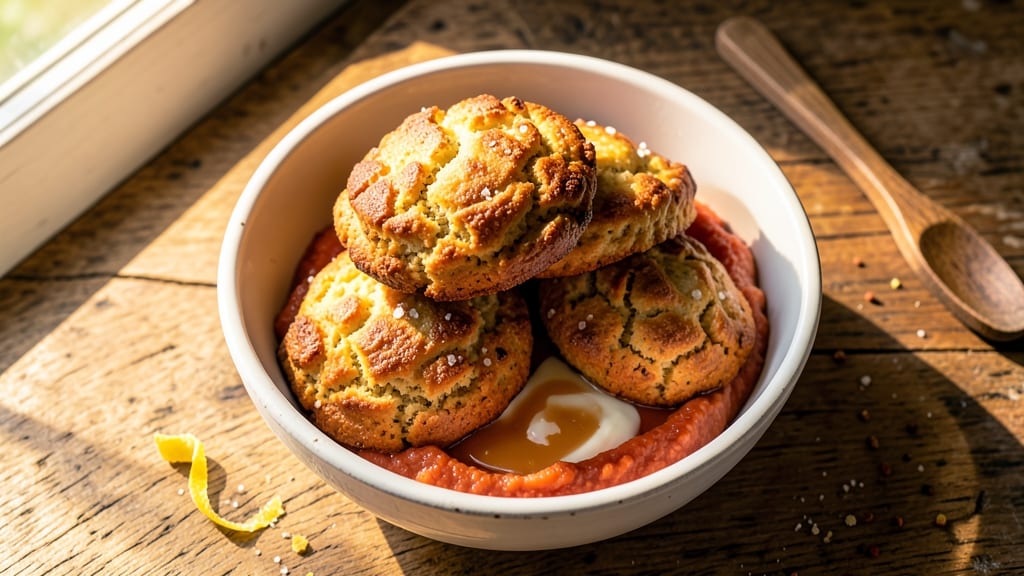
This sweet potato buttermilk biscuit recipe delivers flaky, golden layers that taste like Southern comfort food—without the fuss. The secret lies in blending sweet potato puree into the dough, which adds natural moisture and a subtle sweetness that balances the tangy buttermilk.
I’ve perfected this technique over years of baking, ensuring every biscuit rises high and stays tender.
What sets these apart is the foolproof method for achieving those signature flaky layers: cold butter cut into the dough, minimal handling, and a hot oven to create steam.
The buttermilk tenderizes the dough while adding a subtle tang, and the sweet potato puree keeps them moist without overpowering the buttery flavor. With just 15 minutes of prep and 12 minutes in the oven, you’ll have a batch ready for breakfast, brunch, or as a side to any meal.
The result is a stack of golden-brown biscuits with crisp edges and a soft, pillowy center—each one bursting with buttery richness and a hint of sweetness. These biscuits are perfect for soaking up gravy, pairing with honey butter, or simply enjoying warm from the oven.
The technique is simple, but the flavor is anything but basic.
For extra flakiness, chill the dough for 30 minutes before baking, and brush the tops with melted butter before serving. This recipe scales easily, so you can make a dozen or double the batch for a crowd. Let’s get baking—your kitchen will smell like a Southern kitchen should.
Ingredients for sweet potato biscuit recipe buttermilk
Pantry staples meet Southern tradition: these 8 ingredients create flaky, golden biscuits with buttery layers.
| Ingredient | Amount | Notes |
|---|---|---|
| All-Purpose Flour 🌾 | 3 ½ cups | Sifted for flakier texture |
| Sweet Potato Puree 🍠 | ½ cup | Unsweetened, homemade or canned |
| Buttermilk 🥛 | 1 ¼ cups | Full-fat for best flavor |
| Cold Unsalted Butter 🧈 | ¾ cup | Cut into small cubes |
| Granulated Sugar 🍚 | 1 ½ tbsp | Light brown sugar for depth |
| Baking Powder 🌶️ | 2 tbsp | Diamond Crystal preferred |
| Salt 🧂 | 1 ½ tsp | Diamond Crystal kosher |
| Fresh Chives 🌿 | 1 tbsp | Finely chopped, optional garnish |
The flour is non-negotiable here—King Arthur or White Lily work best for that tender crumb. Sweet potato puree? Canned works fine, but homemade gives you control over sweetness. For the buttermilk, if you don't have any, mix 1 cup milk + 1 tbsp vinegar and let sit 5 minutes. The butter needs to be cold and cubed—don't let it soften before mixing. I always buy Land O'Lakes unsalted butter for baking, but any brand will do if it's fresh. The baking powder: Diamond Crystal—it's the secret to that perfect rise.
No sweet potato puree? Mashed roasted sweet potatoes work in a pinch, just drain off excess liquid. Short on buttermilk? Plain yogurt thinned with milk mimics the tang. The sugar can be swapped for honey or maple syrup, but reduce other liquids slightly. For extra flakiness, freeze the butter cubes for 20 minutes before cutting them into the dough. The chives are optional but add a lovely fresh finish—frozen works too if fresh isn't available. If you're baking at high altitude, increase the baking powder by 1/2 teaspoon.
Dough keeps for 24 hours in the fridge, wrapped tightly. For best results, chill the dough 30 minutes before baking—this prevents spreading. Biscuits reheat beautifully in a 350°F oven for 5-10 minutes, wrapped in foil. Freeze unbaked biscuits for up to 3 months—bake straight from frozen, adding 2-3 minutes. Store baked biscuits in an airtight container for 3 days at room temperature.
Why You'll Love This Recipe
- Sweet Potato Magic: I swear, that puree transforms dry flour into something tender and golden—no weird tricks, just science. The buttermilk keeps it light, and the butter? Oh, that’s the secret to flaky layers that’ll make you forget store-bought biscuits exist.
- No-Fuss Mixing: Honestly, it’s five ingredients and one bowl. I dump in the puree, fold in the butter, and let the dough rest while I make coffee. No rolling, no fuss—just cut, bake, and enjoy. (Yes, even on a Tuesday night.)
- Breakfast or Brunch Hero: These biscuits are my go-to for hash browns, fried chicken, or eggs—crispy edges soak up gravy, and the sweet potato adds a subtle caramel note. Freeze extras, and you’ve got a grab-and-go staple for weeks.
- Budget-Friendly Comfort: Sweet potatoes stretch my grocery budget, and buttermilk’s a pantry staple. A batch feeds six, reheats like a dream, and costs less than half of what I’d spend on pre-made. That’s a win for my wallet and my taste buds.
Step-by-step instructions for sweet potato buttermilk biscuits
Here's the method for golden, flaky biscuits with a tender crumb and perfect rise.
Prepare the Sweet Potato-Buttermilk Mixture
In a medium bowl, combine the 0.5 cup Sweet Potato Puree and 1.25 cups Buttermilk. Stir gently until fully incorporated—this mixture will form the moist, tender base of your biscuits. The sweet potato adds natural sweetness while keeping the texture light. Let this mixture sit at room temperature for 5 minutes while you prepare the dry ingredients.
Here's the thing—don't rush this step. The buttermilk needs time to begin reacting with the sweet potato, which helps develop the biscuits' signature flakiness. If you're using homemade sweet potato puree, make sure it's completely smooth with no lumps, as texture carries through to the final product.
Cut and Mix the Cold Butter into the Dry Ingredients
In a large bowl, whisk together the 3.5 cups All-Purpose Flour, 2 tbsp Baking Powder, 1.5 tsp Salt, and 1.5 tbsp Granulated Sugar. Sift the flour mixture directly into the bowl to eliminate any lumps and ensure even distribution of the leavening agents. This is critical for achieving that perfect rise.
Add the 0.75 cup Cold Unsalted Butter (cut into small cubes) to the dry ingredients. Using a pastry cutter or your fingers, work the butter into the flour mixture until you have pea-sized crumbs with some larger butter pieces remaining. The butter should be cold but pliable—if it's too hard, let it sit at room temperature for 5-10 minutes. This fat distribution creates those signature flaky layers when baked.
Combine Wet and Dry Ingredients
Create a well in the center of the dry mixture and pour in the sweet potato-buttermilk mixture. Using a wooden spoon or silicone spatula, gently fold the wet ingredients into the dry until just combined—you should still see some flour streaks. Overmixing develops gluten, which leads to tough biscuits. Work quickly but carefully to maintain the cold butter's integrity.
Once combined, turn the dough out onto a lightly floured surface and gently knead 4-5 times just to bring everything together. The dough should be slightly sticky but hold together when pressed. If it's too dry, add 1-2 teaspoons more Buttermilk to help bind it. This step ensures even distribution of ingredients without overworking the dough.
Shape and Cut the Biscuits
Pat the dough into a 1-inch thick rectangle on a parchment-lined baking sheet. Using a 2.5-inch round biscuit cutter, cut out biscuits and press straight down without twisting. This ensures even thickness for consistent baking. Place the cut biscuits on the same baking sheet, spacing them about 1 inch apart—they'll expand as they bake.
Here's where precision matters: don't press down on the cutter while removing it from the dough. This compresses the dough and can lead to flat biscuits. Instead, gently lift the cutter straight up. For any leftover dough scraps, gently re-roll and cut out additional biscuits. You should get about 12 biscuits from this recipe.
Bake to Golden Perfection
Preheat your oven to 425°F with the rack positioned in the middle. Bake the biscuits for 12-15 minutes until they're golden brown on top and the edges are set. You'll notice the biscuits puff up almost immediately as they hit the hot oven—this is normal and indicates proper leavening.
For the best results, don't open the oven door during the first 10 minutes of baking. The sudden temperature change can cause the biscuits to collapse. When they're done, the internal temperature should read 190-200°F in the center. Let them cool on the baking sheet for 2 minutes before transferring to a wire rack. Sprinkle with 1 tbsp Fresh Chives while still warm for a fresh, herby garnish.
Pro Tips For Making Sweet Potato Biscuit Recipe Buttermilk
- Chill the Dough Properly: I learned this the hard way—skipping the fridge makes for dense, flat biscuits. Wrap the dough in plastic and refrigerate for at least 30 minutes (yes, even if you're impatient like me). The cold butter needs time to firm up, or you'll end up with a sad, greasy mess instead of flaky layers.
- Use Warm Sweet Potato Puree: Cold puree makes the dough tough. Microwave the sweet potato puree for 20-30 seconds until it’s warm to the touch—just enough to blend smoothly with the buttermilk. This keeps the texture tender without gummy spots.
- Cut Butter into Flour First: Don’t just toss cold butter cubes into the dry ingredients. Rub ½ cup of the flour with the butter until it looks like wet sand—this creates more surface area for steam pockets. After burning three batches of dry biscuits, I finally realized this step is non-negotiable.
- Measure Buttermilk Precisely: Buttermilk varies in thickness, and eyeballing it ruins the chemistry. Use a liquid measuring cup and fill it to the line—no extra splashes. Too much liquid = gummy biscuits; too little = dry, crumbly ones. (I know, I know, but trust the process.)
Storing and reheating your sweet potato biscuit recipe buttermilk
Refrigerator Storage
Store freshly baked biscuits in an airtight container at room temperature for up to 3 days, but I recommend transferring them to the refrigerator after 2 days to maintain peak freshness.
Place them in a single layer with a paper towel between each layer to absorb moisture. The sweet potato puree keeps them moist longer, but refrigeration helps preserve that tender crumb. 🥖
If you've made extra dough, shape and freeze the biscuits unbaked on a parchment-lined tray for 1 hour, then transfer to a freezer bag with parchment between layers. This prevents sticking and makes them easy to grab for future breakfasts. Thaw in the fridge overnight before baking.
Freezer Storage
For maximum shelf life, freeze unbaked biscuits for up to 3 months. After baking, let them cool completely, then wrap individually in plastic wrap before placing in a freezer bag. When reheating, bake straight from frozen at 425°F for 15-18 minutes—no thawing needed.
The buttermilk and sweet potato puree create a slightly denser texture when frozen, but reheating restores that pillowy perfection.
Pro tip: Label your freezer bags with the date and "unbaked" to avoid confusion. I like using quart-sized freezer bags because they stack neatly and prevent freezer burn. For baked biscuits, freeze them in a single layer first, then transfer to a bag for longer storage.
Oven Reheating
My favorite method is reheating in a 400°F oven for 5-7 minutes, wrapped in aluminum foil to trap steam. This method revives the crisp edges and soft interior without drying them out.
For extra crispiness, brush the tops with melted butter before reheating. The buttermilk and sweet potato puree make these biscuits especially forgiving—even if slightly dry after storage, reheating restores their moisture.
If you're short on time, use the broiler for 1-2 minutes on high. Keep a close eye to avoid burning the tops while warming the centers. For a quick fix, microwave individual biscuits for 15-20 seconds on 50% power, covered with a damp paper towel to retain moisture.
Serving Warm
Biscuits taste best when served warm, so plan ahead if you're reheating for a meal. Brush the tops with melted butter and sprinkle with flaky sea salt or fresh chives right before serving.
The buttermilk's tang and sweet potato's natural sweetness shine when paired with honey butter or maple syrup. For a savory twist, serve with homemade sausage gravy or sharp cheddar cheese.
To keep biscuits warm for a crowd, place them in a 200°F oven on a wire rack for up to 30 minutes. This gentle heat maintains their texture without overcooking. I love using this method for brunch buffets—every biscuit stays fresh and flaky until the last one disappears. 💫
Nutrition facts
Frequently asked questions
Can I substitute buttermilk with another ingredient?
Yes! If you don't have buttermilk, mix 1 cup milk with 1 tablespoon vinegar or lemon juice and let it sit for 5 minutes to curdle. For a tangier flavor, use plain yogurt thinned with milk (1 cup yogurt + 1/2 cup milk). The buttermilk adds moisture and tenderness, so avoid substitutions like heavy cream or water—they won't create the same texture.
Why are my sweet potato biscuits dense instead of flaky?
Dense biscuits usually happen from overmixing the dough or warm butter. Keep the butter cold and cubed (freeze it for 20 minutes if needed), and mix just until combined—4-5 gentle kneads max. Another common issue is using too much sweet potato puree, which adds moisture. Stick to 0.5 cup and adjust buttermilk if the dough feels sticky. Preheat the oven to 425°F and avoid opening it for the first 10 minutes of baking.
How do I make these biscuits sweeter or more savory?
For sweeter biscuits, add 1-2 tablespoons brown sugar or 1 teaspoon cinnamon to the dry ingredients. Top with a sprinkle of turbinado sugar before baking for caramelized edges. For savory versions, reduce sugar to 1 tablespoon and add 1 teaspoon garlic powder or 1/2 teaspoon onion powder. Serve with sharp cheddar cheese or herb butter for extra flavor. The sweet potato puree already adds natural sweetness, so adjust gradually!
Can I make these biscuits ahead of time?
Shape unbaked biscuits and freeze them on a tray for 1 hour, then transfer to a freezer bag for up to 3 months. Bake straight from frozen, adding 2-3 minutes to the 12-15 minute time. For baked biscuits, store in an airtight container at room temperature for 3 days or freeze wrapped individually. Reheat in a 400°F oven for 5-7 minutes wrapped in foil to restore flakiness.
What’s the best way to serve these biscuits?
These biscuits shine with honey butter, maple syrup, or sausage gravy. For a Southern twist, brush warm biscuits with melted butter and sprinkle with flaky sea salt and fresh chives. They’re perfect with breakfast meats, fried eggs, or as a side for roasted chicken. The sweet potato adds a subtle depth, so pair them with bold flavors like smoked bacon or spicy jam for contrast.