
Side Dishes
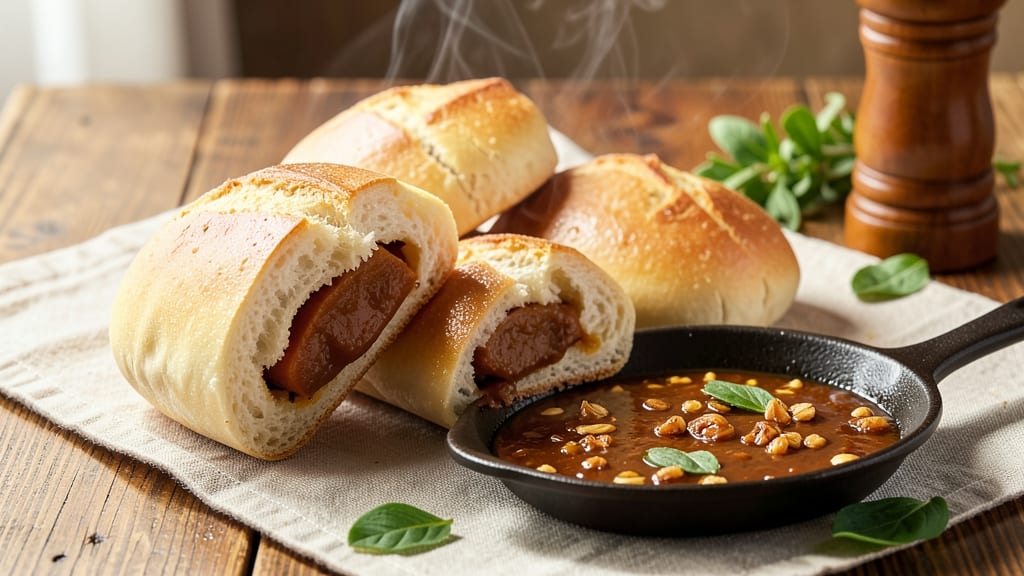
This sweet potato bao recipe transforms humble ingredients into golden, steamed buns with a tender interior and crispy edges—perfect for breakfast or snacking. 💛 The secret lies in a foolproof dough that steams to pillowy perfection, paired with a spiced sweet potato filling that balances caramelized sweetness with aromatic warmth.
I developed this recipe after years of experimenting with bao textures, and the result is a dish that feels both comforting and impressive.
The process starts with a simple yet transformative dough made with flour, yeast, and a touch of sugar, which develops into airy, elastic layers when steamed. Meanwhile, the sweet potato filling gets its depth from cinnamon, brown sugar, and a hint of chili—adjustable to your spice preference.
The filling’s texture is key: roasted for caramelized richness or mashed for a smoother, velvety bite, depending on your mood.
By the time you’re done, you’ll have steamed bao with a crackly crust that gives way to soft, fluffy dough, all wrapped around a filling that’s dangerously addictive. The aroma alone—warm, spiced, and slightly sweet—will have everyone asking for seconds.
Whether you’re serving these as a brunch centerpiece or a cozy snack, they’re a restaurant-quality dish that’s surprisingly easy to master at home.
For extra flair, pan-fry the bao after steaming for a crispy bottom, or keep them pure and steamed for a lighter bite. The dough can also be prepped ahead and refrigerated, making this a make-ahead-friendly recipe for busy mornings. Let’s get started!
Ingredients for sweet potato bao
Fourteen ingredients—just enough to create restaurant-quality bao with golden, crispy edges and a fluffy interior.
| Ingredient | Amount | Notes |
|---|---|---|
| All-Purpose Flour 🌾 | 4 cups | Spooned and leveled for accuracy |
| Active Dry Yeast 🍞 | ¼ tsp | Freshly opened for best results |
| Granulated Sugar 🍚 | ½ tsp | For yeast activation |
| Warm Water 💧 | ¾ cup | 110°F for ideal yeast growth |
| Vegetable Oil 🫒 | ¼ cup | For dough elasticity |
| Medium Sweet Potatoes 🍠 | 2 whole | Organic preferred, peeled |
| Brown Sugar 🍚 | ¼ cup | Packed for moisture |
| Ground Cinnamon 🌿 | 1 tsp | Freshly ground for warmth |
| Cayenne Pepper 🔥 | ¼ tsp | Adjust to taste |
| Salt 🧂 | ½ tsp | Diamond Crystal preferred |
| Sesame Seeds 🌾 | 1 tbsp | For topping, toasted |
| Black Sesame Seeds 🌾 | 1 tbsp | Optional for contrast |
| Vegetable Shortening 🧈 | 1 tbsp | For shaping |
The flour is the foundation, and King Arthur or Gold Medal make all the difference here—they’re high-protein enough to develop that signature bao chew. Yeast needs to be fresh; if your package is over a month old, test it first—proof it in warm water with sugar for 5-10 minutes. For the sweet potatoes, organic is ideal—they’re less likely to have waxy residues that can interfere with the filling’s texture. If you can’t find organic, scrub them well under running water. The cinnamon and cayenne are where the magic happens—Penzeys or Spicewalla for the best quality, but the grocery store stuff works in a pinch.
No brown sugar? Substitute maple syrup or coconut sugar at the same amount—they’ll add moisture but keep that caramelized depth. Short on sesame seeds? Toasted white sesame seeds work too, or skip them entirely if you’re feeling minimalist. The dough can be made a day ahead—just refrigerate it until ready to use. For the filling, if you prefer a smoother texture, roast the sweet potatoes first—it caramelizes the sugars and makes them easier to mash. If you’re in a rush, microwave them for 8-10 minutes, then mash. The difference in flavor is noticeable, but both methods work.
Dough keeps for 2 days refrigerated or 3 months frozen—wrap tightly in plastic to prevent drying. The filling can be prepped ahead and stored in the fridge for 3 days or frozen for 2 months. For extra flair, pan-fry the bao after steaming in a little oil for a crispy bottom. I like to make a double batch—one for fresh eating, one for freezing. They reheat beautifully, and the aroma alone is enough to make anyone forget they’re vegetarian.
Why You'll Love This Recipe
- No-Knead Magic: The dough comes together in five minutes—just flour, yeast, sugar, and warm water. No standing at the counter, no overworking the mixture. Honestly, I’ve made this while scrolling through my phone (don’t tell my mom).
- Sweet Spice Bomb: That caramelized sweet potato filling? It’s dangerously good—naturally sweet with a hint of warmth from the spices. The contrast of the soft, pillowy bao wrapping around it? Pure satisfaction. (Yes, even on a Tuesday night.)
- Meal Prep MVP: Steam a batch on Sunday, and you’ve got breakfast, lunch, or a snack ready to go. Freeze extras—just reheat in a pan or microwave—and they’re fresh again. My kids grab these for school lunches; they’re basically edible gold.
- Budget Bao Win: You’re using pantry staples—flour, yeast, sugar—that you already own. No specialty ingredients, no markup. Between us, this is how I feed a family of four for under $10. The leftovers? Even better the next day.
Step-by-step instructions for sweet potato bao
Here's how to create fluffy, steamed bao with a perfectly spiced sweet potato filling—every bite is worth it.
👨🍳 Step 1: Prepare the Sweet Potato Filling
Preheat your oven to 400°F and pierce the 2 whole medium sweet potatoes with a fork. Place them on a baking sheet and roast for 45-50 minutes until they're fork-tender and the edges are caramelized. Let them cool completely before handling.
Once cooled, scoop out the flesh and transfer it to a food processor. Add the 0.25 cup packed brown sugar, 1 tsp ground cinnamon, 0.25 tsp cayenne pepper, and 0.5 tsp salt. Pulse until you get a smooth, chunky paste—it should be thick enough to hold its shape when packed into bao but still have some texture. Taste and adjust seasoning if needed.
👨🍳 Step 2: Make the Bao Dough
In a small bowl, dissolve the 0.25 tsp active dry yeast and 0.5 tsp granulated sugar in the 0.75 cup warm water (about 110°F). Let it sit for 5-10 minutes until frothy. Meanwhile, in a large mixing bowl, combine the 4 cups all-purpose flour and 0.5 tsp salt.
Make a well in the center and pour in the yeast mixture along with the 0.25 cup vegetable oil. Mix with a wooden spoon until a shaggy dough forms, then turn it out onto a lightly floured surface. Knead for 8-10 minutes until smooth and elastic. The dough should be slightly tacky but not sticky—add more flour if needed. Cover with a damp towel and let rise in a warm place for 1-2 hours or until doubled in size.
🥘 Step 3: Shape and Stuff the Bao
Once the dough has risen, punch it down and divide it into 8 equal pieces (about 2 ounces each). Roll each piece into a 6-inch circle using your hands or a rolling pin. Place 1 tbsp of the sweet potato filling in the center of each circle, then gather the edges and pinch them together to seal. Roll the sealed edges under to create a smooth, round bao.
Place the bao on a parchment-lined baking sheet, seam-side down. Cover with a damp towel and let them rest for 30 minutes to relax the dough. This prevents them from bursting open during steaming. Meanwhile, prepare your steamer by filling the bottom with 1 inch of water and bringing it to a gentle simmer.
🔥 Step 4: Steam to Perfection
Carefully place the bao in the steamer, leaving a little space between them so steam can circulate. Cover and steam over medium-high heat for 12-15 minutes until they're puffed and golden at the top. You'll know they're done when the bao spring back when pressed gently and the filling is hot throughout.
Remove the bao from the steamer and let them cool for 5 minutes. While still warm, brush the tops with a little water and sprinkle with the 1 tbsp sesame seeds and 1 tbsp black sesame seeds. Serve immediately with a side of soy sauce or chili oil for dipping. The contrast of the warm, spiced filling and the soft, pillowy dough is pure magic.
🔪 Step 5: Optional Shortening Trick for Extra Fluffiness
For bao with even more lift, take each shaped bao and press a small amount of 1 tbsp vegetable shortening into the center before sealing. The shortening creates steam pockets as it melts, resulting in an airier texture. Just be sure to use it sparingly—too much can make the bao greasy.
If you're making these ahead, store the unsteamed bao in the refrigerator for up to 24 hours or freeze them for 1 month. To steam from frozen, add 2-3 extra minutes to the cooking time. The filling will stay warm and flavorful, while the bao will still be tender and delicious.
Pro Tips For Making Sweet Potato Bao
- STEAM THE POTATOES FIRST: Use a microwave or stovetop to soften sweet potatoes before mashing—pierce them first, then zap for 8-10 minutes (or boil cut sides down for 12 minutes). Cold, dense potatoes take forever to blend smoothly, and you’ll end up with gluey filling that won’t steam properly in the bao.
- WEIGH YOUR FLOUR: Skip the scoop-and-sweep method—this dough needs precision. Use a kitchen scale for the flour (140g for a standard recipe) because packed cups add extra weight, and too much flour makes the bao dense. I learned this the hard way when my first batch turned out like hockey pucks.
- LET THE DOUGH REST LONGER: Don’t rush the final rise—give it 1.5 to 2 hours (or overnight in the fridge) until the dough springs back slowly when poked. The sweet potato filling is heavy, so the dough needs extra time to relax and develop gluten. Skimping here means sad, flat bao that won’t hold its shape.
- SWAP WATER FOR TEA: Replace half the warm water with strong brewed black tea (like Earl Grey) for the yeast activation. The tannins add subtle depth, and the dough stays slightly softer without extra oil. It’s a tiny upgrade, but the flavor difference is noticeable—especially when steamed. (Yes, even if you’re impatient like me.)
Common mistakes when making perfect results
Over-Kneading the Dough
I’ve made this mistake more times than I’d like to admit—over-kneading turns your bao dough tough and chewy instead of tender. Stop when the dough is smooth and elastic, not when your arms are tired.
Aim for 8-10 minutes of kneading, and test by poking it: if it springs back slowly, it’s ready. Over-kneading develops too much gluten, which kills that signature bao pillowy texture. 💛
Skipping the Resting Time
Rushing the 30-minute rest after shaping is a recipe for disaster. This step lets the dough relax and prevents the bao from bursting open during steaming. I once skipped it and ended up with half my bao splitting apart—messy and sad.
Cover your shaped bao with a damp towel and let them chill out while you prep the steamer.
Uneven Filling Distribution
Packing too much filling into one side of the bao creates an imbalance that makes them lopsided when steamed. Use a 1-tablespoon scoop for each bao and center it perfectly. I like to press the filling into the dough slightly to create a flat base before sealing—this helps maintain symmetry.
Uneven filling also makes some bao denser than others, ruining the uniform texture.
Steaming Too Long or Too Short
Steaming for 12-15 minutes is ideal, but timing varies based on your steamer’s heat. Oversteaming dries out the bao, while understeaming leaves them dense. Test one bao first—it should puff up and turn golden at the top.
If your steamer isn’t hot enough, the bao will absorb too much moisture and turn soggy. A gentle simmer is key; if you hear vigorous boiling, reduce the heat slightly.
Ignoring the Water Level
Too much water in your steamer creates a sauna-like environment that makes the bao dough gummy, while too little water leaves them dry. Maintain 1 inch of water in the bottom of your steamer and ensure the bao are elevated on a rack or bamboo steamer basket.
I once used a colander with no rack—my bao turned out like dense dumplings. Keep the water level consistent for even cooking.
Sealing the Bao Improperly
A weak seal lets filling leak out during steaming, creating a sticky mess in your steamer. Press the edges firmly together and roll them under to create a tight, smooth seal. I like to use a bit of water on my fingers to help the dough stick better.
If the seal isn’t airtight, the bao will burst open, and you’ll end up with a filling spill instead of a perfect bite. 🔥
Nutrition facts
Frequently asked questions
Can I make the bao dough without yeast?
No, yeast is essential for creating the signature fluffy texture of bao. However, you can try a quick bread version by substituting 1 tsp baking powder for the yeast and reducing the water slightly. The result won't be as pillowy, but it'll still be delicious! For best results, stick with the yeast method for authentic bao.
How do I adjust the sweetness in the filling?
The filling's sweetness comes from both the roasted sweet potatoes and the brown sugar. Reduce the sugar by 1-2 tablespoons if you prefer less sweetness, or add ½ tsp vanilla extract for depth without extra sugar. For a savory twist, swap half the brown sugar for 1 tsp soy sauce or ½ tsp smoked paprika.
Can I bake these instead of steaming?
Yes! Preheat your oven to 400°F and bake the bao for 12-15 minutes on a parchment-lined tray until golden. For extra crispiness, brush the tops with a little oil before baking. The texture will be slightly denser than steamed bao, but they'll still be delicious. Baking works well if you don’t have a steamer or want to make them ahead.
What’s the best way to reheat leftover bao?
Steam leftover bao for 3-5 minutes over boiling water to restore their fluffy texture. For a crispy bottom, pan-fry them in a dry skillet over medium heat for 1-2 minutes per side. Microwaving is possible but results in a gummy texture—avoid it if you want that perfect bao experience!
Can I use store-bought bao dough?
Use 4-6 pieces of store-bought bao dough (about 2 ounces each) and follow the shaping and steaming steps. For best results, let the dough rest for 20 minutes before stuffing to prevent bursting. The texture won’t be quite as fluffy, but it’s a great shortcut for busy days.