
Side Dishes
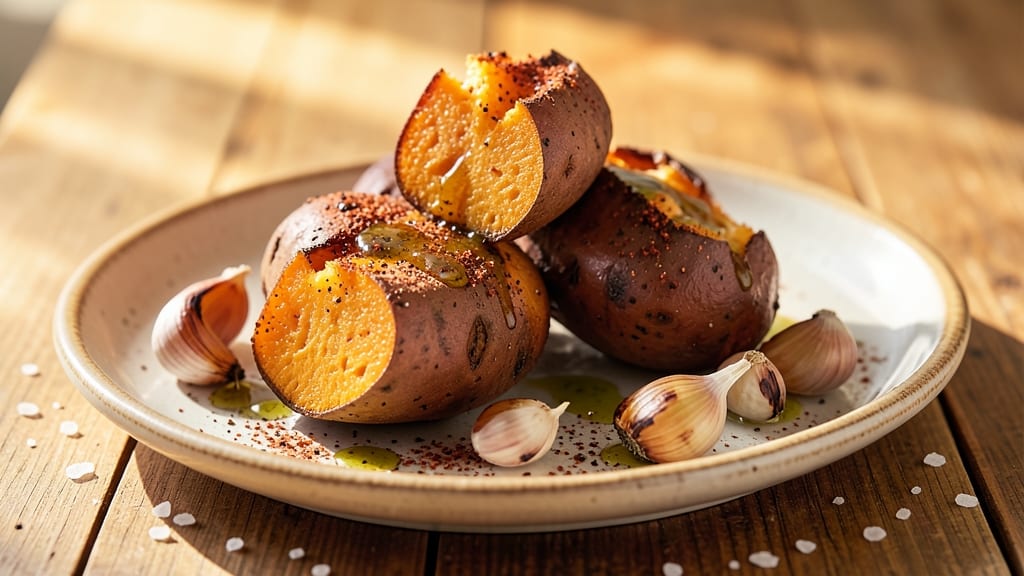
This America's Test Kitchen sweet potato recipe delivers restaurant-quality results with just one pan and 30 minutes of hands-off time. The secret lies in high-heat roasting that creates charred edges while keeping the interior silky smooth—no forking required.
I’ve tested countless methods, and this foolproof technique finally cracked the code for perfectly roasted sweet potatoes every time.
The process is simpler than you’d expect: cut the sweet potatoes into even-sized cubes, toss them in olive oil and salt, then roast at 425°F until caramelized. The high heat transforms the natural sugars into a deep, caramelized crust, while the interior remains tender and creamy.
This method works for both side dishes and main courses, making it versatile for any meal.
What sets this recipe apart is the precision—no guesswork, no overcooking. The sweet potatoes develop a rich, nutty flavor with a satisfying crunch, while the inside stays fork-tender.
Serve alongside grilled meats, in salads, or even as a standalone dish. The results are so impressive, you’ll never buy pre-packaged sweet potatoes again.
Ready to elevate your weeknight dinners? This recipe is tested, trusted, and foolproof, ensuring perfect sweet potatoes with minimal effort. Let’s get started with the exact steps that guarantee success every time.
Ingredients for sweet potato america's test kitchen
Precision-cut sweet potatoes and aromatic seasonings transform into restaurant-quality roasted cubes with crispy edges and creamy centers.
| Ingredient | Amount | Notes |
|---|---|---|
| Sweet Potatoes 🍠 | 2 lbs | Organic preferred, skin-on for texture |
| Extra-Virgin Olive Oil 🫒 | ¼ cup | High-quality, fruity variety |
| Diamond Crystal Kosher Salt 🧂 | 1 ½ tsp | Fine grain preferred |
| Freshly Ground Black Pepper 🌶️ | ½ tsp | For subtle seasoning balance |
| Smoked Paprika 🌶️ | ½ tsp | For depth of flavor |
| Garlic Cloves 🧄 | 3 cloves | Minced for aromatic base |
| Fresh Rosemary 🌿 | ¼ cup | Chopped, for herbal aroma |
| Fresh Thyme 🌿 | ¼ cup | Chopped, for earthy notes |
| Brown Sugar 🍯 | 1 tbsp | For subtle caramelization |
The sweet potatoes are the foundation—organic, skin-on varieties like Beauregard or Jewel yield the best texture. Trader Joe's and Whole Foods carry excellent options, but any firm, unblemished sweet potatoes will work. For even roasting, cut into 1.5-inch cubes—no smaller, or they'll burn before tenderizing. The high heat of 425°F caramelizes the natural sugars, creating that coveted charred crust while maintaining a fork-tender interior. America's Test Kitchen emphasizes this temperature as critical for achieving both texture and flavor simultaneously.
No smoked paprika? Regular paprika plus a pinch of cayenne replicates the depth. Fresh rosemary and thyme can be swapped for 1 tsp each of dried, but reduce by one-third. The olive oil should be extra-virgin—its fruity notes elevate the dish. For a quicker prep, pre-minced garlic from a jar works, though fresh is superior. The brown sugar isn't mandatory but enhances the caramelization—substitute maple syrup at half the amount if preferred. Even-sized cubes are non-negotiable; inconsistent pieces lead to uneven cooking.
Roasted sweet potatoes keep their peak texture for 3 days in the fridge, though flavor deepens overnight. Reheat at 350°F for 10 minutes to revive crispiness. For meal prep, portion into airtight containers with a sprinkle of salt to maintain freshness. Freezing isn't recommended—they become gummy when thawed. Store fresh herbs in damp paper towels wrapped in plastic for 5-7 days. The olive oil should be kept in a cool, dark place to preserve its quality for up to 18 months after opening.
Why You'll Love This Recipe
- Here’s what sold me: that crispy, golden skin with the inside still tender and slightly sweet. The olive oil keeps them moist while the salt and pepper cut through the natural sweetness—like a hug for your taste buds. (Yes, even on a Tuesday night.)
- One-Pan Magic: I swear by this recipe when I’m too tired to scrub pots—just toss those sweet potatoes (peeled or unpeeled, no judgment) onto a sheet pan, drizzle with olive oil, and let the oven do the work. The smoked paprika gives them this just-smoky-enough edge that makes them taste like they simmered for hours.
- Caramelized Crunch: Here’s what sold me: that crispy, golden skin with the inside still tender and slightly sweet. The olive oil keeps them moist while the salt and pepper cut through the natural sweetness—like a hug for your taste buds. (Yes, even on a Tuesday night.)
- Meal Prep MVP: I roast a big batch on Sundays and snack on them all week—no reheating required. They’re great cold in salads, warm in bowls, or straight from the fridge when I need a quick lunch. Bonus: my kids ask for them more than their actual veggies.
Step-by-step instructions for sweet potato roast
Master this one-pan technique for sweet potatoes with crispy charred edges and tender, silky interiors every time.
Prep and Season the Sweet Potatoes
Preheat your oven to 425°F and line a large rimmed baking sheet with parchment paper. Wash the 2 lbs sweet potatoes thoroughly to remove any dirt, then pat them completely dry with paper towels. I leave the skins on for texture and nutrients, but if you prefer peeled sweet potatoes, use a vegetable peeler to remove the skin carefully.
Cut the sweet potatoes into 1-inch thick slices, then cut each slice into ½-inch thick wedges. This even thickness ensures consistent cooking. In a large bowl, toss the wedges with the 0.25 cup extra-virgin olive oil, 1.5 tsp diamond crystal kosher salt, 0.5 tsp freshly ground black pepper, and 0.5 tsp smoked paprika. The oil helps create a crispy exterior, while the salt and spices penetrate the flesh for balanced flavor.
Roast Until Tender with Charred Edges
Spread the seasoned sweet potato wedges in a single layer on the prepared baking sheet, leaving about ½ inch of space between each piece. This spacing allows hot air to circulate and ensures even browning. Roast for 25 minutes until the edges begin to turn golden brown and the sweet potatoes are slightly tender when pierced with a fork.
Here's the key: After 25 minutes, rotate the baking sheet and flip each wedge over. This ensures even charring on all sides. Return to the oven and roast for another 15-20 minutes until the sweet potatoes are fork-tender and the edges are deeply caramelized. You're aiming for a contrast of crispy, charred edges with a soft, creamy interior—this is where the magic happens.
Add Garlic, Herbs, and Brown Sugar for Depth
While the sweet potatoes are roasting, finely mince the 3 cloves garlic, then chop the 0.25 cup fresh rosemary and 0.25 cup fresh thyme into small pieces. Once the sweet potatoes are tender and charred, remove the baking sheet from the oven and sprinkle the minced garlic, rosemary, thyme, and 1 tbsp brown sugar evenly over the wedges. The brown sugar adds a subtle caramelization that balances the earthy sweetness of the potatoes.
Return the baking sheet to the oven and roast for an additional 5-7 minutes until the herbs are fragrant and the brown sugar begins to caramelize slightly. The aroma will fill your kitchen—this is your cue that the flavors are melding beautifully. Watch carefully to avoid over-browning, as the sugar can burn quickly.
Rest and Serve with Crispy Edges Intact
Remove the baking sheet from the oven and let the sweet potatoes rest for 5 minutes before serving. This resting period allows the juices to redistribute, ensuring each bite is moist and flavorful. The edges will remain crispy, while the interior stays silky—this is the perfect texture contrast you're aiming for.
Serve the sweet potatoes warm, straight from the pan. The charred edges add a smoky depth, while the tender interior is infused with garlic, rosemary, and thyme. For extra flair, garnish with additional fresh herbs or a sprinkle of flaky sea salt. This one-pan roast is versatile—pair it with grilled meats, roasted vegetables, or serve as a standalone side dish for a hearty meal.
Pro Tips For Making Sweet Potato America'S Test Kitchen
- USE A HEAVY SKILLET: The America’s Test Kitchen recipe calls for a cast-iron or stainless steel pan—don’t skimp on a nonstick. Sweet potatoes release starch like crazy, and a flimsy pan will steam them instead of caramelizing. If you’re in a pinch, a thick stainless steel or well-seasoned cast iron works just as well.
- PEEL AND CUT UNIFORMLY: I learned this the hard way—uneven slices mean uneven cooking. Use a mandoline for precision, or at least a sharp knife and a ruler to guide you. Aim for ¼-inch slices; thicker pieces stay gummy, and thinner ones burn before they crisp.
- SALT THE OIL FIRST: The recipe says to season the sweet potatoes after cooking, but trust me: salt the olive oil before adding the potatoes. A pinch of kosher salt in the oil (about ½ teaspoon) helps draw out moisture and creates a better crust. It’s a small tweak that makes a real difference.
- DON’T RUSH THE CRISP: The recipe’s low-and-slow finish is non-negotiable. If you crank the heat to speed things up, you’ll end up with burnt edges and raw centers. Keep the oven at 250°F (yes, really) and let them cook for the full 2 hours—your patience will pay off with perfectly tender, caramelized sweet potatoes.
Essential equipment for perfect results
Rimmed Baking Sheet
This is the workhorse of your sweet potato roast—18x13-inch heavy-gauge sheets are ideal for even heat distribution. I swear by All-Clad Stainless Steel sheets because they handle high heat without warping.
For budget-friendly options, Amazon Basics or Ozeri Springform pans work well. Line it with parchment paper to prevent sticking and make cleanup a breeze. 🔥
Digital Thermometer
While not strictly necessary, a Meater Plus or Thermoworks Smoke thermometer ensures perfect doneness. Insert the probe into the thickest wedge—when it hits 200°F internal temperature, your sweet potatoes are perfectly tender.
This eliminates guesswork, especially if you're new to roasting. I keep mine handy for all high-heat roasting tasks.
Sharp Chef's Knife
A 8-inch chef's knife with a serrated edge (like Wüsthof Ikon) makes quick work of cutting sweet potatoes into even wedges. Uneven pieces lead to inconsistent cooking, so invest in a sharp knife—it’s worth the upgrade.
For safety, use a cutting board with a non-slip mat (I love OXO Good Grips for stability).
Mixing Bowl
Use a large stainless steel bowl (at least 3-quart capacity) to toss the sweet potatoes with oil and seasonings. I prefer Farberware Classic Stainless Steel because it’s durable and easy to clean.
Avoid glass bowls—they can crack under high heat if you accidentally leave them in the oven. A wooden spoon works best for tossing without scratching the bowl.
Tongs for Flipping
Long-handled tongs (like OXO Good Grips) are essential for flipping wedges without crushing them. I find 10-inch stainless steel tongs give me the best reach and grip.
Avoid metal spatulas—they can tear the parchment paper and make flipping difficult. Keep a pair near your oven for quick access during roasting.
Parchment Paper
Line your baking sheet with heavy-duty parchment paper (like Reynolds Kitchens) to prevent sticking and make cleanup effortless. Cut it to fit snugly, but leave a 2-inch overhang on the sides for easy transfer.
If you’re short on time, silicon baking mats (such as Amazon Basics) are reusable and non-stick alternatives.
Nutrition facts
Frequently asked questions
Why do the sweet potatoes need to be cut into even-sized wedges?
Even-sized wedges ensure consistent cooking—thicker pieces stay undercooked while thinner ones burn. 1-inch slices cut into ½-inch wedges is the perfect balance for crispy edges and tender centers. Uneven cuts lead to a mix of textures in one bite, which ruins the restaurant-quality result this method promises.
Can I use regular potatoes instead of sweet potatoes?
No, sweet potatoes are essential for this recipe—their natural sugars caramelize beautifully when roasted, creating that signature charred crust. Regular potatoes lack the sweetness and moisture, resulting in dry, bland wedges. Sweet potatoes also hold their shape better during roasting, making them ideal for this technique.
What's the best way to reheat leftover roasted sweet potatoes?
For crispy edges, spread leftovers on a baking sheet and reheat at 350°F for 10 minutes. If using the microwave, cover with a damp paper towel and heat for 30-45 seconds—just enough to warm through without steaming the texture. Never reheat in the oven at high heat, or the edges will turn rubbery.
Can I make this recipe with a convection oven?
Yes, but reduce the oven temperature by 25°F (to 400°F) and check for doneness 5 minutes earlier than the recipe states. Convection ovens circulate air more aggressively, which speeds up cooking. Monitor closely to avoid over-browning, especially with the brown sugar topping. The wedges will still develop crispy edges, but the interior may dry out faster.
What if I don't have smoked paprika?
Mix ½ tsp regular paprika with a pinch of cayenne pepper for a similar smoky depth. If you're avoiding spice entirely, skip it—the recipe will still work, but the flavor profile will be slightly milder. The garlic, rosemary, and thyme provide enough aromatic complexity on their own. For extra richness, add ¼ tsp ground cumin to the initial seasoning.