
Soups & Stews
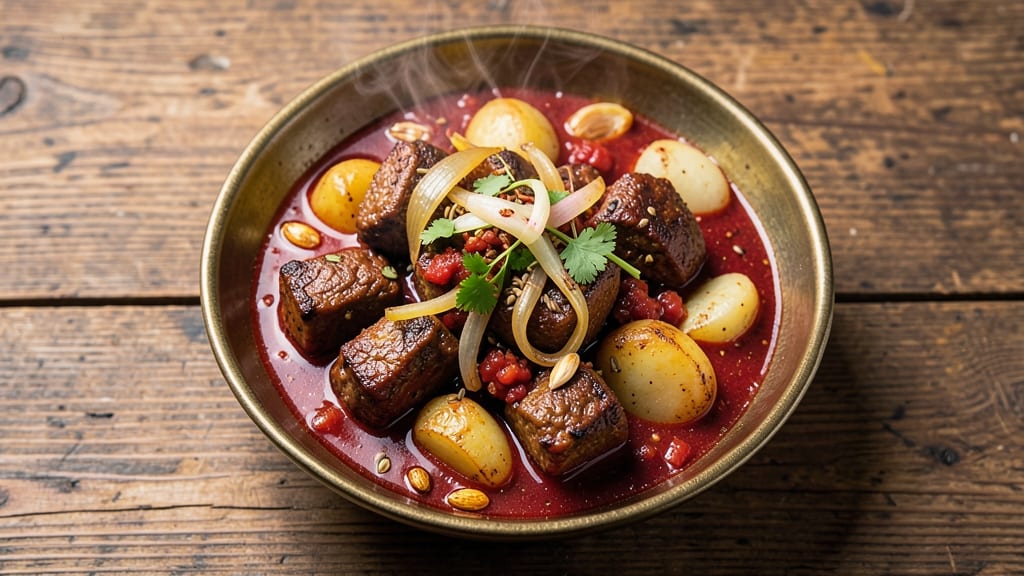
This Indian beef potato curry delivers the rich, spiced depth of a restaurant-style dish with tender meat and hearty potatoes. The secret lies in slow-cooked beef that falls apart easily, balanced by aromatic spices and a velvety tomato base.
I've perfected this recipe over years of testing, ensuring every bite delivers that perfect harmony of smoky, sweet, and tangy flavors.
The foundation starts with properly browning the beef—this step builds deep, caramelized flavors that form the base of the curry. Whole spices like cumin and cardamom are toasted to release their essential oils, while garam masala adds that signature Indian warmth.
Potatoes are added later to soak up the rich, spiced broth without turning mushy.
By the time you serve this curry, you'll have fork-tender beef swimming in a sauce that's neither too thin nor too thick, with potatoes that stay firm yet flavorful.
The aroma alone will have everyone gathering around the table, and each spoonful delivers that complex, satisfying combination of spices and textures that defines authentic Indian comfort food.
Pair it with warm naan or basmati rice to complete the meal. The leftovers actually improve overnight as flavors meld further—proof this is a recipe worth making twice. Let's get started on creating this restaurant-quality curry at home.
Ingredients for beef potato curry recipe indian
Rich spices, tender beef, and hearty potatoes create this restaurant-style Indian curry.
| Ingredient | Amount | Notes |
|---|---|---|
| Beef Chuck Roast 🥩 | 1 ½ lb | Cut into 1-inch cubes |
| Yellow Onions 🧅 | 1 whole | Medium size, sliced |
| Garlic Cloves 🧄 | 6 cloves | Peeled and minced |
| Fresh Ginger 🌿 | ½ cup | Finely grated, peeled |
| Canned Crushed Tomatoes 🍅 | 14 ½ oz | High-quality, no salt added |
| Russet Potatoes 🥔 | 1 ½ lb | Peeled and cut into chunks |
| Coconut Milk 🥥 | 1 can | Full-fat, 13.5 oz can |
| Ground Cumin 🌿 | 1 tbsp | Freshly toasted preferred |
| Ground Coriander 🌿 | 1 tbsp | For authentic flavor |
| Turmeric Powder 🌶️ | ½ tsp | Bright yellow color |
| Garam Masala 🌶️ | 1 tbsp | Store-bought blend works |
| Kashmiri Red Chili Powder 🌶️ | ½ tsp | For mild heat and color |
| Olive Oil 🫒 | ¼ cup | Extra-virgin for richness |
| Salt 🧂 | 1 ½ tsp | Adjust to taste |
| Black Pepper 🌶️ | ½ tsp | Freshly ground |
The beef is non-negotiable—chuck roast gives you that melt-in-your-mouth texture, while sirloin stays tough. Grab a whole roast from Costco or your local butcher and cube it yourself for best results. The coconut milk should be full-fat (none of that light stuff)—Thai Kitchen or Goya brands are reliable. For the ginger, fresh is a must—it adds a brightness dried can't match, and it's easy to grate with a microplane. The garlic and onions should be fresh too—no pre-minced jars here. The canned tomatoes? San Marzano if you can find it, but any no-salt-added brand works.
No garam masala? Mix 1 tsp each of cinnamon, cardamom, cloves, and black pepper for a quick substitute. Short on Kashmiri chili? Paprika plus a pinch of cayenne mimics the color and mild heat. The potatoes can be Yukon Gold instead of Russet if you prefer creamier texture. Want to make this ahead? Double the spices and let it sit overnight—the flavors deepen beautifully. The olive oil is for browning the beef, so don't skip this step. It builds that caramelized foundation that makes the difference between good and restaurant-quality curry.
This curry tastes even better the next day as flavors meld. Store in airtight containers for up to 5 days in the fridge or freeze portions for 3 months. The sauce thickens as it cools, so add a splash of water or coconut milk when reheating. I always make a double batch—half for dinner, half for lunches. The potatoes will hold their shape if you reheat gently on low heat. For serving, keep a small pot of warm water with lemon wedges nearby—it cuts through the richness perfectly.
Why You'll Love This Recipe
- One-Pot Magic: I swear by this recipe when I’m too tired to scrub pots—just brown the beef, toss in onions, garlic, ginger, and spices, then let it simmer with potatoes and tomatoes. The chuck roast practically melts into tender, flavorful chunks while the potatoes soak up every bit of that rich, spiced sauce.
- Deep Umami Bomb: That beef chuck roast? It’s the star. Slow-cooked until it’s fall-apart tender, then kissed with garlic, ginger, and tomatoes, it develops this insane depth—like a hug in a bowl. Honestly, the first time I tasted it, I nearly licked the pan.
- Leftovers That Beg: This curry tastes better the next day, which is perfect because it’s the kind of dish that disappears fast. I make a big batch on Sundays, and by Wednesday, my family’s already texting me for more. (Yes, even on a Tuesday night.)
- Budget-Friendly Feast: Beef chuck roast is affordable, and potatoes stretch it into a hearty meal for the whole family. Between us, this is how I feed my household without breaking the bank—plus, the crushed tomatoes add a bright pop that makes it feel fancy without the price tag.
Step-by-step instructions for beef potato curry
Transform tough beef and hearty potatoes into a rich, aromatic curry with layers of spice and depth.
Brown the Beef for Deep Flavor
Heat the 0.25 cup olive oil in a heavy-bottomed pot over medium-high heat until shimmering. Add the 1.5 lb beef chuck roast cut into 1-inch cubes, working in batches if needed to avoid crowding. Let the beef sear undisturbed for 3-4 minutes per side until deeply browned and crispy in spots. This step develops the Maillard reaction, creating complex flavors that form the base of your curry.
Once all the beef is browned, remove it from the pot and set aside. Don't drain the rendered fat—it's packed with flavor and will serve as the foundation for your spiced tomato base. If the fat becomes too dark, carefully pour off all but 2 tablespoons to maintain richness without burning the spices.
Build the Spiced Tomato Base
In the same pot, reduce the heat to medium and add the sliced 1 whole yellow onions. Cook for 5-6 minutes until softened and golden at the edges. Add the 6 cloves minced garlic cloves and 0.5 cup finely grated fresh ginger, cooking for another 1-2 minutes until fragrant and just beginning to color.
Stir in the 1 tbsp ground cumin, 1 tbsp ground coriander, 0.5 tsp turmeric powder, and 0.5 tsp kashmiri red chili powder. Toast the spices for 30 seconds until aromatic—you'll smell their warm, earthy notes. Immediately pour in the 14.5 oz canned crushed tomatoes and stir to combine. Let the mixture simmer uncovered for 8-10 minutes until thickened and the raw tomato taste disappears.
Simmer the Beef and Potatoes Together
Return the browned beef to the pot along with the 1.5 lb peeled and chunked russet potatoes. Add 1 can full-fat coconut milk, 1.5 tsp salt, and 0.5 tsp freshly ground black pepper. Stir gently to combine, then bring the mixture to a gentle simmer. Partially cover the pot and cook for 45-50 minutes on low heat, stirring occasionally, until the beef is fork-tender and the potatoes are easily pierced with a knife.
This slow cooking process is crucial—it allows the beef to break down into tender, melt-in-your-mouth pieces while the potatoes absorb all the rich, spiced flavors. The coconut milk will create a velvety texture, balancing the hearty beef and potatoes perfectly. Taste the curry and adjust the seasoning if needed, adding more salt or chili powder as desired.
Finish with Garam Masala and Rest
Once the beef and potatoes are tender, increase the heat to medium and stir in the 1 tbsp garam masala. Let the curry simmer uncovered for another 5 minutes to allow the spices to bloom and infuse the dish with their warm, complex aromas. The curry should be thick enough to coat the back of a spoon but still have a slightly saucy consistency.
Remove the pot from heat and let the curry rest for 10 minutes before serving. This resting period allows all the flavors to meld together and the spices to fully integrate. The curry will continue to thicken slightly as it rests, creating the perfect balance of texture and flavor. Serve hot with basmati rice or crusty naan bread to soak up every delicious spoonful.
Pro Tips For Making Beef Potato Curry Recipe Indian
- Brown the Beef First: Skip the "quick sear" temptation—cut the chuck roast into 1.5-inch chunks and let them sit in the pan for 5-6 minutes on medium-high heat until deep brown, not just pink. I used to rush this, and the curry always tasted flat; the Maillard reaction is what builds that rich, caramelized base that carries through the whole dish.
- Peel and Pulse Onions: Don’t chop those yellow onions—peel them, toss whole into the blender with garlic, ginger, and a splash of water, then pulse until smooth. Yes, it’s messy, but you’ll get a finer, more even texture than dicing, and the onions won’t turn to mush later. (And no, you don’t need to strain it—just blend until it’s silky.)
- Deglaze with Tomatoes Early: After browning the beef, immediately pour in half the crushed tomatoes and scrape every last bit of fond from the pan—this is where flavor hides. Let it simmer 3-4 minutes before adding the rest; I learned this after a batch where the sauce tasted dull because I waited too long.
- Potatoes Last, Not First: Hold off on adding potatoes until the beef has cooked 20 minutes in the curry—this keeps them from turning to mush. Toss them in raw, then simmer covered for 15 minutes; they’ll absorb the sauce perfectly without falling apart. (And yes, this means you’ll need to adjust cooking time based on potato size.)
Pro cooking tips for beef potato curry recipe indian
Spice Toasting Technique
Toast your whole spices—cumin, coriander, and Kashmiri chili powder—directly in the pot over medium heat for 30 seconds until they release their essential oils. This step unlocks their full aroma and prevents a bitter aftertaste.
I use a 12-inch cast-iron skillet for even heat distribution. Never skip this—it's the difference between good and restaurant-quality curry. 🌶️
Beef Browning Mastery
Browning the beef in batches is non-negotiable—crowding the pot steams instead of sears, creating pale, bland meat. Work in 1-inch cubes and let them develop a deep crust for 3-4 minutes per side over medium-high heat.
Reserve the rendered fat! It's packed with flavor and forms the base of your spiced tomato sauce. 🥩
Potato Timing Secrets
Add potatoes 15 minutes before the beef reaches tenderness to prevent mushiness. Their starch absorbs the rich sauce beautifully, but overcooking turns them to paste. I test doneness with a fork—pierce easily but resist too much.
For extra flavor, parboil them for 5 minutes in salted water before adding to the curry. 🥔
Coconut Milk Integration
Stir coconut milk gently into the simmering curry to avoid breaking its creamy emulsion. I recommend full-fat Thai Kitchen brand for optimal richness. Add it gradually while stirring to prevent curdling. The milk should blend seamlessly, creating a velvety texture that balances the beef's heartiness. 🥥
Garam Masala Finish
Add garam masala off the heat during the final 5-minute simmer to preserve its delicate floral notes. Stirring too vigorously can release bitterness. I like to sprinkle it directly over the surface before mixing. This step adds that signature Indian warmth that makes the curry sing. ✨
Heat Control Tips
Maintain low heat during the 45-50 minute beef simmer to prevent the sauce from breaking. If it reduces too quickly, add 2-3 tablespoons water to maintain the right consistency. A heavy-bottomed Dutch oven prevents hot spots that can scorch the spices. 🔥
Nutrition facts
Frequently asked questions
Can I substitute beef chuck roast with another cut?
For best results, stick with chuck roast—it's fatty enough to stay tender during long cooking. You could try beef shoulder or brisket in a pinch, but avoid lean cuts like sirloin or flank steak. If using a different cut, reduce cooking time by 10-15 minutes since they're more tender.
Why does my curry taste too spicy?
Kashmiri chili powder is mild, but if your curry is too hot, you likely added too much. Balance it with 1-2 teaspoons of sugar or 1 tablespoon of yogurt to cool the heat. For future batches, reduce the chili powder to ¼ teaspoon and adjust to taste at the end.
Can I make this curry in an Instant Pot?
Yes! Sauté the onions, garlic, and spices as directed, then add all ingredients except garam masala. Seal the lid, cook on high pressure for 25 minutes, then quick-release. Stir in garam masala at the end. The potatoes may break down more, so add them 10 minutes before pressure cooking.
How do I prevent the potatoes from turning mushy?
Add potatoes 15 minutes before the beef is fully tender and avoid overcrowding the pot. For extra firmness, parboil them for 5 minutes in salted water before adding to the curry. Also, keep the heat at low-medium during the final cooking phase.
What's the best way to reheat leftovers?
Gently reheat on low heat with 1-2 tablespoons of water or coconut milk to prevent drying. Never microwave directly—it makes the potatoes gummy. For best results, warm in a covered pot for 5-7 minutes until steaming. Stir occasionally to redistribute flavors.