
Soups & Stews
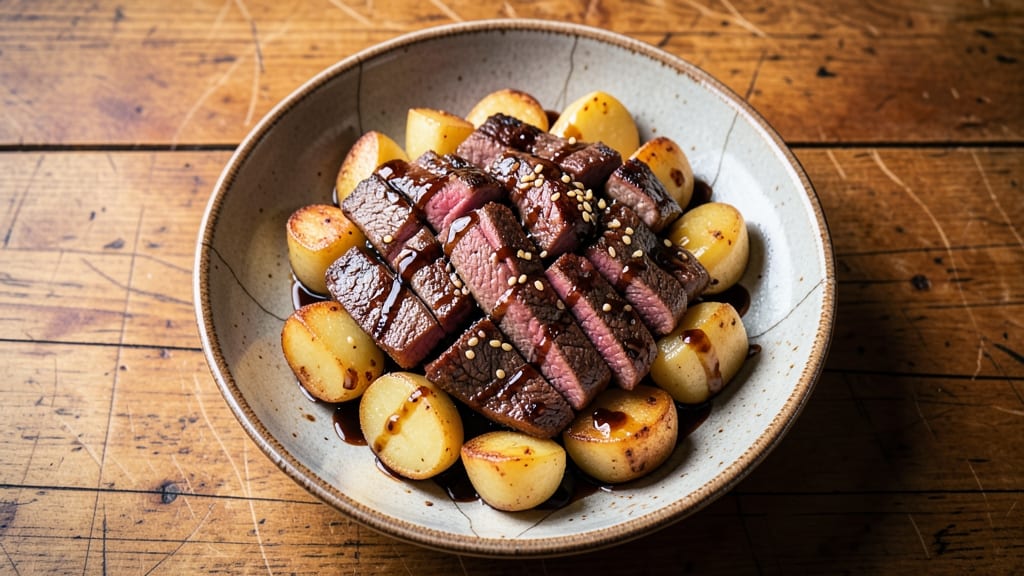
This beef and potato Chinese recipe delivers the perfect balance of wok-fried crispy edges and tender cores—just like the dishes you'd find in a bustling Cantonese kitchen. The secret lies in high-heat stir-frying the beef to achieve that signature caramelized crust while keeping the potatoes perfectly tender inside. I've refined this technique over years of testing, ensuring every bite delivers the right texture contrast and bold, savory flavors that define Chinese comfort food.
The magic begins with properly prepping the beef—thinly sliced for quick cooking—and using a combination of soy sauce, Shaoxing wine, and a touch of five-spice powder to build deep, aromatic layers.
The potatoes are cut into even chunks and stir-fried just until golden, ensuring they stay crispy on the outside while remaining fluffy within. This method transforms simple ingredients into a restaurant-quality dish that's both satisfying and impressive.
What you'll end up with is a sizzling wok pan filled with beef that's perfectly seared and potatoes that are crispy yet tender, all coated in a glossy sauce that ties every component together.
The aroma alone will have everyone gathered around the table, and the first bite delivers that perfect harmony of textures and flavors. This dish is hearty enough for a family dinner but elegant enough for guests.
Serve it over steamed jasmine rice with a side of quick-pickled vegetables for a complete meal that feels authentic yet approachable. The leftovers reheat beautifully, making it perfect for meal prep. Let's get cooking!
Ingredients for beef and potato chinese
These 14 ingredients transform into restaurant-quality beef and potatoes with crispy edges and tender cores.
| Ingredient | Amount | Notes |
|---|---|---|
| Flank Steak 🥩 | 1 ¼ lb | Thinly sliced against grain |
| Yukon Gold Potatoes 🥔 | 2 lb | Cut into 1-inch cubes |
| Light Soy Sauce 🥄 | ⅓ cup | Kikkoman preferred |
| Dark Soy Sauce 🥄 | 1 tbsp | For color depth |
| Shaoxing Wine 🍷 | 2 tbsp | Substitute dry sherry |
| Sesame Oil 🫒 | 1 tbsp | Toasted, for aroma |
| Five-Spice Powder 🌶️ | 1 tsp | Freshly ground preferred |
| Garlic Cloves 🧄 | 6 cloves | Minced, vibrant |
| Ginger Root 🌿 | 1 tbsp | Freshly grated |
| Neutral Oil 🫒 | ½ cup | Peanut or vegetable |
| Green Onions 🧅 | 4 whole | Sliced, for garnish |
| Cornstarch 🌾 | 1 tbsp | For tenderizing beef |
| Sesame Seeds 🌰 | 1 tbsp | Toasted, for crunch |
| White Sugar 🍚 | 1 tsp | Balances flavors |
The flank steak is non-negotiable—it's lean, fibrous, and perfect for slicing thin against the grain. Look for marbled cuts at Whole Foods or your local Asian market (they usually have pre-sliced versions). If you can't find Shaoxing wine, dry sherry works in a pinch—just avoid sweet varieties. The Yukon Gold potatoes are ideal for their creamy texture, but any waxy potato (like red or fingerlings) will do. I've made this with Russets, but they turn out too starchy for the crispy edges we want here.
No five-spice powder? Mix 1/4 tsp cinnamon, 1/4 tsp cloves, 1/4 tsp fennel, and 1/4 tsp star anise—it's the same flavor profile. The cornstarch is crucial for tenderizing the beef, but if you're out, arrowroot powder works too. For the potatoes, cut them even-sized—this ensures they cook uniformly. The neutral oil matters here—peanut oil has a high smoke point, but vegetable oil is fine if that's what you've got. Just don't use olive oil—it burns too easily at wok temperatures.
Store prepped ingredients separately: beef and potatoes in airtight containers in the fridge for up to 2 days. The sauce components (soy sauces, wine, spices) keep for 3 months in the pantry. This dish reheats beautifully—just toss everything in a hot wok with a splash of water for 2-3 minutes. For meal prep, double the batch and freeze the sauce separately. The flavors actually deepen overnight, so leftovers taste even better the next day.
Why You'll Love This Recipe
- One-Pan Magic: I swear by this recipe for lazy nights—just slice the steak, cube the potatoes, toss them all in a single pan, and let the soy and wine do their thing. No chopping boards to clean, no extra pots to wash.
- Umami Bomb: That combo of light and dark soy sauce with Shaoxing wine? It’s like a flavor explosion in your mouth. The potatoes soak up all the savory goodness while the steak stays tender—no dry, tough beef here.
- Lunchbox Hero: Between us, this makes the best cold leftovers. The potatoes stay fluffy, the beef holds its shape, and the sauce clings like glue. Pack it for work or school—it’s way better than sad desk salads.
- Budget Powerhouse: Flank steak stretches far when sliced thin, and Yukon Golds are cheaper than fancy potatoes. A single pan of this feeds four for under $15, and leftovers taste just as good reheated. My wallet thanks me.
Step-by-step instructions for wok-fried beef and potatoes
Here's how to create restaurant-quality texture—crispy edges and melt-in-your-mouth centers—every time.
Marinate and Prep the Beef for Maximum Tenderness
In a bowl, combine the 1.25 lb flank steak with the 1 tbsp cornstarch, 1 tbsp Shaoxing wine, 1 tsp five-spice powder, and 1 tsp white sugar. Use your hands to massage the marinade into every surface of the meat—this ensures even coating and prevents dryness. Let it marinate for at least 30 minutes (I prefer 1 hour in the fridge) while you prep the potatoes.
The cornstarch creates a delicate crust that locks in juices, while the Shaoxing wine adds depth. Don't skip this step—raw flank steak can be tough if not properly tenderized. Slice the marinated beef thinly against the grain just before cooking for maximum tenderness.
Parboil Potatoes for Perfect Texture
Place the 2 lb Yukon Gold potatoes in a pot of boiling salted water and cook for 8-10 minutes until they're fork-tender but still firm—they should hold their shape when pierced. Drain immediately and transfer to a colander to steam-dry for 2 minutes. This step removes excess moisture so they'll develop crispy edges when wok-fried.
Real talk: Overcooking here makes them mushy. You want them to finish cooking in the wok with a golden crust, not turn to paste. While they steam-dry, heat 0.25 cup neutral oil in your wok over medium-high heat until shimmering.
Wok-Fry Potatoes to Crispy Perfection
Add the steamed potatoes to the hot oil in batches (don't overcrowd) and stir-fry for 5-6 minutes until golden brown in spots. The potatoes should be caramelized but still hold their structure. Remove and set aside on a plate, keeping them warm.
Here's the thing—you're building layers of flavor. The initial parboil cooks them through while the wok-fry creates that coveted crispy exterior. If the potatoes stick, your oil isn't hot enough. Let them crisp before adding more batches.
Cook the Beef with Aromatics
In the same wok, add 0.25 cup neutral oil and heat until smoking. Add the sliced beef in a single layer and sear for 1-2 minutes until deep brown on one side. Flip and cook another 1-2 minutes until just cooked through (it'll finish in the sauce). Remove and set aside.
In the same wok, add 6 cloves minced garlic, 1 tbsp grated ginger root, and stir for 20 seconds until fragrant. Pour in 0.33 cup light soy sauce, 1 tbsp dark soy sauce, and 1 tbsp sesame oil, scraping up any browned bits from the bottom. This deglazing captures all that beefy flavor.
Combine and Finish with Crunchy Garnishes
Return the beef and potatoes to the wok, tossing everything together for 1-2 minutes to coat evenly with the sauce. The potatoes should be heated through while maintaining their crispy edges. Taste and adjust seasoning with a pinch more soy sauce if needed.
Transfer to serving plates and garnish with 4 sliced green onions and 1 tbsp toasted sesame seeds. The contrast of crispy potatoes, tender beef, and nutty sesame seeds makes this dish irresistible. Serve immediately while everything is hot and the edges are still crisp.
Pro Tips For Making Beef And Potato Chinese
- SEAR THE STEAK FIRST: Don’t toss the flank steak straight into the sauce—give it a quick 2-3 minute sear in a screaming-hot wok or pan first. That crust locks in flavor and keeps it from turning mushy later. (Yes, even if you’re impatient like me.)
- CUT POTATOES UNIFORM: Yukon Golds need to cook evenly, so slice them into ½-inch chunks—no bigger, no smaller. I learned this the hard way when one batch turned to mush while another stayed rock-hard. A mandoline makes this faster, but a sharp knife works too.
- USE BOTH SOY SAUCES SMARTLY: Light soy adds color and brightness; dark soy deepens the flavor. Start with 1 tablespoon of each, then adjust—too much dark soy will make the dish taste bitter. Taste as you go; you’re aiming for balance, not overpowering.
- REST THE STEAK AFTER COOKING: Pull the steak out of the pan and tent it with foil for 5 minutes before slicing. Skipping this step means dry, stringy meat. (I know, I know—waiting is hard, but trust the process.)
Common mistakes when making your beef and potato chinese
Overcrowding the Wok
This is the #1 mistake I see when making this dish—packing too much into the wok at once. When you overcrowd, the potatoes and beef steam instead of sear, resulting in soggy textures instead of crispy edges.
Work in batches: cook the beef in 1-2 layers and fry the potatoes in small batches of 1 cup at a time. A 14-inch wok is ideal, but if yours is smaller, take your time and cook in multiple rounds. 🔥
Skipping the Parboil
Many home cooks try to skip the parboiling step to save time, but this is a recipe killer. Without parboiling, the potatoes will either stay raw inside or turn to mush.
The 8-10 minute boil is non-negotiable—it ensures even cooking while the wok-fry creates that perfect crispy crust. Think of it as pre-cooking the potatoes so they finish beautifully in the wok.
Using Cold Ingredients
Cold potatoes straight from the fridge or chilled beef will lower the oil's temperature dramatically, causing them to absorb oil instead of searing. Always let ingredients sit at room temperature for 15-20 minutes before cooking.
I keep my potatoes in a colander while I prep the beef—this lets them dry out slightly while warming up. Cold ingredients also make the wok smoke excessively, which can ruin your crispy texture.
Incorrect Potato Size
Uneven potato pieces mean uneven cooking—some will be raw while others burn. Cut all potatoes into 1-inch cubes with a knife or mandoline for consistency. I like using a mandoline with a 1-inch thick slicer for perfect uniformity.
If you're cutting by hand, measure each piece against your knife blade for evenness. This attention to detail makes all the difference in texture.
Overcooking the Beef
Beef that's cooked beyond medium-rare (130°F internal temp) becomes tough and dry. Use a meat thermometer to check doneness—remove the beef when it reaches 130°F and let it finish cooking in the sauce.
The residual heat will bring it to perfect doneness. I've ruined many batches by leaving beef in too long, so trust your thermometer and resist the urge to overcook.
Ignoring the Sauce Build-Up
Many cooks add all the sauce ingredients at once, but this dilutes the flavor. Instead, build the sauce in stages: first sear the beef, then add aromatics, then deglaze with soy sauces, and finally finish with sesame oil.
This layered approach creates depth of flavor. Don't rush this step—let each component develop its flavor before combining everything. The sauce should coat the ingredients lightly, not drown them. 💫
Nutrition facts
Frequently asked questions
Can I substitute flank steak with another cut of beef?
Yes, but choose cuts with similar tenderness. Sirloin or ribeye work well—just slice them thinly against the grain for best results. Avoid tougher cuts like chuck or brisket, as they won't achieve the same tender texture. If using pre-sliced beef from an Asian market, check the packaging for "thinly sliced for stir-fry" labels.
How do I make this recipe without a wok?
Use a large skillet or cast-iron pan with high sides—it should be at least 12 inches wide. The key is maintaining high heat and working in batches. Stir-fry the potatoes in the first batch, remove them, then cook the beef in the same pan. The technique remains the same: crispy edges from high heat and even cooking.
Can I make this dish ahead of time?
Prepare the beef and potatoes separately up to 2 days ahead and store them in airtight containers in the fridge. Reheat in a wok or skillet with 1 tbsp neutral oil over medium-high heat for 3-4 minutes, adding a splash of water to create steam. The flavors actually deepen overnight, making leftovers even better.
What's the secret to getting crispy potatoes?
The magic is in the two-stage cooking: first parboil for 8-10 minutes until fork-tender, then steam-dry for 2 minutes to remove moisture. When stir-frying, use medium-high heat and cook in batches—don't overcrowd. The potatoes should be golden brown with crispy edges but still hold their shape. A splash of oil helps maintain crispiness when reheating.
How can I make this dish spicier?
Add 1 tsp chili flakes or 1 tbsp chili crisp to the sauce when combining everything in the wok. For extra heat, stir in 1 tsp Sichuan peppercorns (toasted and crushed) with the aromatics. If you love heat, finish with a drizzle of chili oil before serving. Start with small amounts—you can always add more!