
Side Dishes
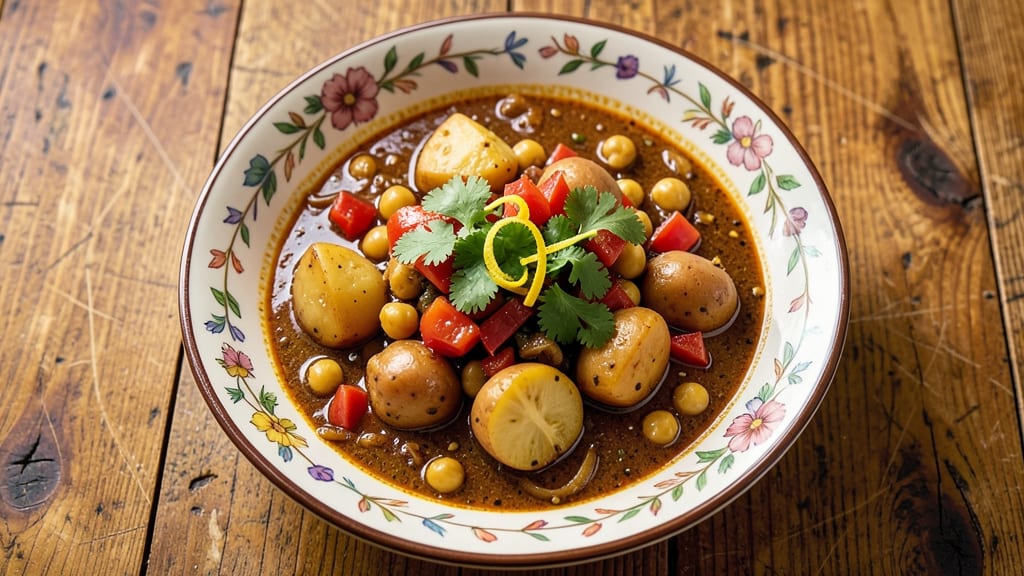
This beans potato Indian curry recipe transforms humble ingredients into a deeply aromatic, spiced masterpiece that brings the warmth of Indian home cooking to your table. The secret lies in the layered spices—cumin, coriander, and garam masala—that dance together to create a dish that's both comforting and vibrant.
I developed this recipe after years of refining the balance between earthy chickpeas, tender potatoes, and the essential tang of tomatoes, ensuring every bite delivers a harmonious blend of flavors.
The beauty of this curry is its simplicity: just one pot, minimal prep, and a 30-minute cooking time that yields restaurant-quality results. The key technique is tempering the spices in hot oil, which unlocks their full potential and infuses the dish with an irresistible aroma.
This method not only enhances the flavor but also ensures the spices are evenly distributed, creating a rich, cohesive base for the potatoes and chickpeas to soak up.
By the time you serve this curry, you’ll have a dish that’s creamy yet not heavy, spicy yet balanced, and aromatic enough to fill your kitchen with the essence of Indian cuisine. The potatoes emerge tender and infused with the spices, while the chickpeas add a satisfying bite.
Serve it with steamed basmati rice or warm naan to soak up every last drop of that fragrant, spiced sauce.
Perfect for weeknight dinners or meal prep, this curry keeps well in the fridge for up to three days, making it an ideal solution for busy schedules. The flavors only deepen over time, so leftovers taste even better the next day.
Let’s bring the soul of Indian cooking into your kitchen with this foolproof recipe.
Ingredients for beans potato curry indian
One pot, layered spices, and humble ingredients create this aromatic Indian curry masterpiece.
| Ingredient | Amount | Notes |
|---|---|---|
| Yellow Onions 🧅 | 1 whole | Finely chopped for base |
| Garlic Cloves 🧄 | 6 cloves | Minced for aromatic depth |
| Ginger Root 🌿 | 1 tbsp | Freshly grated for zing |
| Canned Chickpeas 🥜 | 1 ½ cups | Drained and rinsed well |
| Russet Potatoes 🥔 | 2 lbs | Peeled and cubed evenly |
| Canned Diced Tomatoes 🍅 | 1 ½ cups | San Marzano preferred |
| Vegetable Stock 💧 | 1 ½ cups | Low-sodium preferred |
| Coconut Milk 🥥 | 1 cup | Full-fat for creaminess |
| Garam Masala 🌶️ | 1 ½ tsp | Toasted for full flavor |
| Ground Cumin 🌿 | 1 tsp | Toasted for depth |
| Ground Coriander 🌿 | 1 tsp | Freshly ground preferred |
| Turmeric Powder 🧂 | ½ tsp | Bright yellow color |
| Red Chili Powder 🌶️ | ½ tsp | Adjust for heat preference |
| Vegetable Oil 🫒 | ¼ cup | High smoke point preferred |
| Fresh Cilantro 🌿 | ¼ cup | Chopped for garnish |
| Lemon Juice 🍋 | 1 tbsp | Freshly squeezed |
| Sea Salt 🧂 | 1 ½ tsp | Adjust to taste |
The spices are the heart of this curry—garam masala, cumin, and coriander need to be fresh for maximum flavor. Penzeys Spices or bulk bins at Indian markets are ideal sources. Toast your whole spices (cumin, coriander) in a dry pan for 30 seconds before grinding to release their oils—this makes all the difference. For the ginger and garlic, fresh is non-negotiable—frozen works in a pinch but won't have the same punch. The potatoes should be cubed evenly (about 1.5-inch pieces) so they cook through without turning mushy. Russets hold up best to the spices.
No garam masala? Mix equal parts ground cinnamon, cardamom, and cloves for a close approximation. Fresh ginger too expensive? Powdered ginger at half the amount works, but you'll lose some complexity. For the coconut milk, full-fat canned is best—the lighter versions won't give that luxurious creaminess. The tomatoes can be fresh if you prefer, but San Marzano canned is more consistent and saves time. If you're short on time, pre-minced garlic and ginger from the jar works, though fresh is always better. The chickpeas should be drained and rinsed thoroughly to remove any sodium from canning.
This curry tastes even better the next day as the flavors meld together. Store in an airtight container in the fridge for up to 4 days. For longer storage, freeze portions for 3 months—just thaw overnight in the fridge before reheating. The sauce thickens as it cools, so add a splash of vegetable stock when reheating if it's too thick. Garnish with fresh cilantro right before serving—it adds a bright finish that makes the dish sing. The curry pairs perfectly with basmati rice or warm naan, which helps soak up all that delicious sauce.
Why You'll Love This Recipe
- One-Pot Magic: I swear by this recipe when I’m too tired to wash dishes—just chop the onions, toss in the spices, and let the potatoes and chickpeas simmer together. No extra pans, no stress, just flavor.
- Garlic-Ginger Bomb: That fresh ginger and garlic paste? It’s the secret weapon here. The slow simmer pulls out all the warmth and depth, turning simple canned chickpeas into something rich and crave-worthy.
- Lunchbox Hero: Between us, this curry reheats like a dream for work lunches. The potatoes stay tender, the chickpeas hold their shape, and the spices keep it vibrant—no sad, soggy leftovers here.
- Pantry Staple: Russet potatoes and canned chickpeas? That’s my budget-friendly shortcut. It feeds four for under $8, and honestly, the taste makes it feel like a splurge every time.
Step-by-step instructions for beans potato Indian curry
Here's how to create a rich, aromatic curry where tender potatoes and chickpeas soak up spiced coconut milk.
Build the Spiced Base
Heat the vegetable oil in a large Dutch oven over medium heat. Add the finely chopped yellow onions and cook for 5-6 minutes until softened and translucent. This foundational step ensures the onions develop sweetness without browning.
Add the minced garlic cloves and freshly grated ginger root, stirring constantly for 1 minute until fragrant. The aroma should fill your kitchen—this is when the spices truly wake up. Immediately add the ground cumin, ground coriander, turmeric powder, and red chili powder, stirring vigorously for 30 seconds to toast the spices and release their essential oils.
Develop the Sauce
Pour in the canned diced tomatoes and stir to combine with the spice mixture. Let it simmer uncovered for 8-10 minutes until the tomatoes break down and the sauce thickens slightly. This reduction concentrates the flavors and removes excess acidity.
Add the drained and rinsed chickpeas and the 1.5 cups of vegetable stock. Stir well to combine, then bring to a gentle boil. Once boiling, reduce heat to medium-low and let it simmer for 5 minutes to allow the spices to infuse into the liquid.
Add Potatoes and Simmer
Gently add the peeled and evenly cubed russet potatoes to the pot. The potatoes should be submerged in the liquid—if not, add a splash of water. Stir gently to distribute the potatoes evenly throughout the mixture. This step is crucial for even cooking and preventing sticking.
Cover the pot and simmer for 20-25 minutes, stirring occasionally, until the potatoes are fork-tender. You'll know they're ready when a knife slides in easily with minimal resistance. The potatoes should absorb the spiced liquid while maintaining their shape.
Finish with Coconut Milk and Garam Masala
Stir in the full-fat coconut milk and the toasted garam masala. The garam masala should be added last to preserve its aromatic compounds. Simmer uncovered for another 10-12 minutes until the sauce thickens slightly and coats the back of a spoon.
Taste and adjust the seasoning with additional sea salt if needed. The curry should be well-balanced with a harmonious blend of sweet, spicy, and savory flavors. Remove from heat and let it sit covered for 5 minutes to allow the flavors to meld.
Serve with Fresh Garnishes
Transfer the curry to serving bowls and garnish with chopped fresh cilantro and a drizzle of freshly squeezed lemon juice. The bright acidity of the lemon juice cuts through the richness of the coconut milk, while the cilantro adds a fresh herbal note.
Serve immediately with steamed basmati rice or warm naan bread. The curry should be thick enough to coat the back of a spoon but still have a slightly saucy consistency. Each bite should deliver tender potatoes, creamy chickpeas, and a complex blend of warm spices.
Pro Tips For Making Beans Potato Curry Indian
- CRISP THE ONIONS FIRST: Don’t rush the onions—they’re the flavor foundation. Cook them in 2 tablespoons of oil over medium-low heat until they’re golden brown, not just soft. I learned this the hard way when my curry tasted flat because I moved too fast.
- PEEL POTATOES THINLY: Russets hold up better if you cut them into ½-inch chunks and peel them thinly—about ⅛-inch thick. Thick skins stay tough and gummy, while thin peels let the spices penetrate evenly. (Yes, even if you’re impatient like me.)
- DRAIN AND RINSE CHICKPEAS: Skip the salted canned chickpeas—drain, rinse, and pat them dry before adding. The leftover brine makes the curry watery, and dry chickpeas absorb spices better. I was skeptical until I tried it.
- LOW AND SLOW FOR POTATOES: After adding potatoes, reduce heat to the lowest setting and cover the pot. Let them simmer for 20-25 minutes—any hotter, and they’ll turn to mush. This isn’t the prettiest method, but it’s the tastiest.
Regional styles of this beans potato curry indian
North Indian Style
In North India, this curry often includes a touch of kasuri methi (dried fenugreek leaves)—about ½ tsp crumbled into the sauce just before serving. This adds a distinct earthy depth that's signature to Punjabi cooking.
I also recommend using whole spices like cardamom pods and bay leaves in the tempering phase, removing them before adding tomatoes. The North Indian version tends to be slightly creamier, so I add an extra ¼ cup coconut milk at the end for richness. 🌿
South Indian Adaptation
South Indian chefs often incorporate tamarind pulp (about 1 tbsp) into the tomato base for a tangy twist that balances the spices. I also swap garam masala for curry leaves (about 10 leaves) toasted in the oil with the onions.
The South Indian style uses more mustard seeds (½ tsp) and dried red chilies (2-3) in the tempering phase. The potatoes are typically cooked slightly longer until they're almost falling apart, creating a more rustic texture. 🌶️
Punjabi Home Cooking
In Punjabi households, this curry is traditionally made with kidney beans (rajma) instead of chickpeas, though both work beautifully. The key is adding 1 tsp sugar during the tomato simmering phase to balance the acidity—a technique I learned from my friend's grandmother.
Punjabi versions also include 1 tsp amchur (dry mango powder) at the end for a subtle tang. The dish is often finished with a dab of ghee (1 tsp) just before serving for extra richness. 🥥
Goan Coastal Twist
Goan curries incorporate fennel seeds (½ tsp) and cinnamon (1-inch stick) in the tempering phase, creating a sweeter, more aromatic base. I also add 1 tbsp coconut vinegar to the sauce for a unique tanginess.
The Goan version uses smaller potato cubes (1-inch) that cook faster, and often includes cashew nuts (10-12) lightly toasted and blended into the sauce for creaminess. Fresh curry leaves are essential here—about 10 leaves added at the end. 🌊
Bengali Comfort Style
Bengali cooks often make this curry with black chickpeas (kala chana) instead of yellow, giving it a deeper color and nuttier flavor. The key is adding ½ tsp asafoetida (hing) to the oil during tempering—this adds a unique umami depth.
Bengali versions use mustard oil (2 tbsp) instead of vegetable oil for a distinct flavor. The potatoes are cooked until very tender, almost mashed, and the curry is finished with 1 tsp poppy seeds lightly toasted and sprinkled on top. 💛
Nutrition facts
Frequently asked questions
Can I substitute chickpeas for another type of bean?
Kidney beans (rajma) work beautifully in a Punjabi-style version, while black chickpeas (kala chana) add depth to Bengali adaptations. For a milder flavor, try navy beans or pinto beans—just adjust cooking time as needed since textures vary.
Why does my curry taste too spicy?
Start by reducing the red chili powder to ¼ tsp and add more coconut milk to balance the heat. The coconut milk's creaminess helps mellow the spices. If it's still too strong, stir in 1 tbsp lemon juice at the end—it brightens flavors without adding more spice.
Can I make this curry in an Instant Pot?
Yes! Sauté onions, garlic, and spices as directed, then add all remaining ingredients except garam masala. Seal the lid, cook on high pressure for 8 minutes, then quick-release. Finish with garam masala and coconut milk. The potatoes may be slightly softer, but the flavors stay rich and aromatic.
How do I prevent the potatoes from turning mushy?
Cut potatoes into 1.5-inch cubes for even cooking, and ensure they're fully submerged in liquid. Simmer gently on medium-low heat—boiling too vigorously breaks them down. For extra firmness, add the potatoes 10 minutes before the chickpeas are fully cooked.
What’s the best way to reheat leftovers?
Gently reheat on the stove over low heat with a splash of vegetable stock to restore moisture. Avoid microwaving—it can make the sauce watery. If the curry thickens too much, stir in 1-2 tbsp water while reheating. The flavors actually improve overnight!