Side Dishes
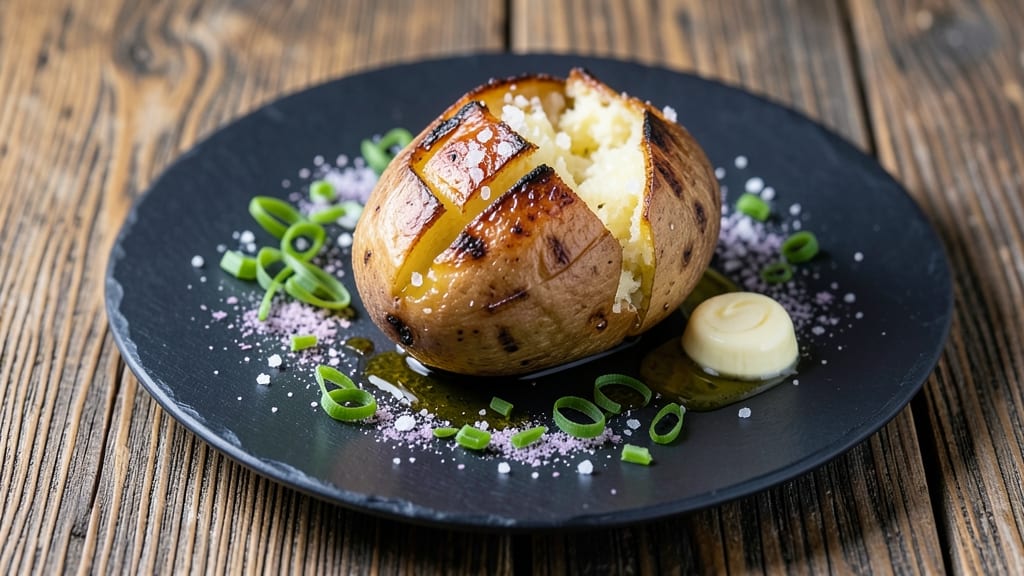
This baked potato recipe delivers restaurant-quality results with just five simple ingredients and a foolproof method. The secret to achieving a crispy skin and fluffy interior lies in the baking technique—high heat and proper seasoning transform humble russet potatoes into golden, tender perfection.
I've perfected this method over years of testing, ensuring every bite is just as satisfying as your favorite diner classic.
To begin, you'll need russet potatoes (their high starch content creates that ideal crispy exterior), salt, olive oil, and a pinch of garlic powder for depth. The process is straightforward: pierce the potatoes, bake at 425°F for 45-60 minutes, and flip halfway for even cooking.
This method guarantees a crispy skin that shatters with each bite while keeping the inside tender and pillowy.
Once baked, the real fun begins with toppings—traditional choices like butter, chives, and cheddar cheese pair perfectly, but modern twists like loaded potato with bacon, avocado, and sour cream add exciting variations.
The possibilities are endless, making this recipe adaptable for any meal or dietary preference while maintaining its core simplicity.
Whether you're serving a crowd or treating yourself to a comforting solo meal, this baked potato recipe delivers consistent results every time. The technique is beginner-friendly, and the ingredients are pantry staples, ensuring you'll never need to compromise on flavor or texture again. Let's get started!
Ingredients for baked potato recipe ingredients
Five core ingredients transform russet potatoes into restaurant-worthy crispy-skinned perfection every time.
| Ingredient | Amount | Notes |
|---|---|---|
| Russet Potatoes 🥔 | 4 whole | Medium-large size, uniform shape |
| Diamond Crystal Kosher Salt 🧂 | 1 tsp | Coarse grain preferred |
| Extra-Virgin Olive Oil 🫒 | 2 tbsp | High-quality, fruity variety |
| Garlic Powder 🧄 | ¼ tsp | Freshly ground preferred |
| Unsalted Butter 🧈 | 4 tbsp | Cold, cubed for topping |
| Fresh Chives 🌿 | 2 tbsp | Finely chopped for garnish |
| Sharp Cheddar Cheese 🧀 | ½ cup | Shredded for topping |
| Sour Cream 🥛 | ¼ cup | Full-fat for creaminess |
Russet potatoes are non-negotiable here—their high starch content creates that ideal crispy exterior while keeping the interior fluffy. Look for uniform medium-large potatoes at Whole Foods or local farmers markets for the best texture; avoid small or misshapen ones. The Diamond Crystal kosher salt is a must for proper seasoning—its coarse texture clings better to the potato skin. For olive oil, California avocado oil or Italian extra-virgin brands like Bertolli elevate the flavor without overpowering the potato's natural taste. Pre-portion your potatoes before baking to ensure even cooking times.
No russet potatoes? Yukon Golds or Idaho potatoes work in a pinch, though they yield slightly less crispy skins. Substituting garlic powder? Fresh minced garlic at half the amount adds more depth, but the powdered version is more convenient. For the toppings, vegan butter and dairy-free cheese make this vegetarian-friendly, while bacon bits or avocado slices add modern twists. The chives can be swapped for green onions if preferred, though chives provide a more delicate onion flavor. Always use full-fat sour cream—low-fat versions lack the same creamy richness.
Store unpeeled russet potatoes in a cool, dark place for up to 2 weeks; refrigeration speeds up starch conversion and ruins texture. Once baked, keep whole potatoes in an airtight container for 3-4 days—reheat at 350°F for 10-15 minutes to restore crispiness. For meal prep, bake an extra batch and freeze the cooled potatoes for up to 3 months. Reheat frozen potatoes directly from frozen at 375°F for 20-25 minutes, adding 5 minutes if topped with cheese. The butter and sour cream toppings should be added fresh after reheating for optimal texture.
Why You'll Love This Recipe
- No-Peel Hassle: I swear by this trick—just scrub those Russets under cold water, poke ‘em with a fork, and toss ‘em in the oven. No peeling, no fuss, and still that buttery, fluffy interior you crave. (Between us, the skin’s the best part anyway.)
- Garlic Butter Magic: That little jar of garlic powder and a pat of butter? It’s where this dish gets its soul. The moment the skin crisps and the steam hits your nose—warm, garlicky, ridiculously good—you’ll understand why I keep a bag of Russets in the pantry at all times.
- Game for Any Meal: Breakfast? Top with a fried egg and hot sauce. Weeknight dinner? Load ‘em up with leftover roast beef. Even a picnic—wrap one in foil, and boom, you’ve fed a crowd. (Yes, even on a Tuesday night.)
- Budget Stretch: Russets are cheap, and this recipe doesn’t waste a thing. Bake a tray on Sunday, reheat portions all week, or freeze ‘em for when you’re too tired to cook. Honestly, it’s the kind of meal that makes grocery money go further without feeling cheap.
Step-by-step instructions for crispy-skinned baked potatoes
Master this technique and you'll achieve perfect golden crusts with tender interiors every time.
Prep and Season the Potatoes for Maximum Crisp
Preheat your oven to 425°F with a rack positioned in the lower third. Scrub the 4 whole Russet Potatoes thoroughly under cold water to remove any dirt, but don't peel them—the skin contains nutrients and adds texture. Pat them completely dry with paper towels, focusing on the crevices and eyes where moisture hides.
Using a fork, prick each potato all over with about 8-10 shallow holes. This creates steam escape routes that prevent explosions during baking. Place them on a parchment-lined baking sheet, leaving space between each potato for even air circulation. Drizzle the 2 tablespoons Extra-Virgin Olive Oil evenly over the potatoes, then sprinkle with the 1 teaspoon Diamond Crystal Kosher Salt and ¼ teaspoon Garlic Powder, pressing gently to adhere. The oil creates a barrier that promotes crispiness while the salt enhances flavor development.
Bake Until Crispy and Tender
Bake the potatoes for 45 minutes, then carefully flip each one using a spatula. This ensures even browning on all sides. Return to the oven and bake for another 30-45 minutes until the skin is deep golden brown and crisp to the touch, while the interior reaches 205°F when pierced with a fork. The potatoes should feel light when lifted—they're done when you can easily slide a knife through the skin without resistance.
Real talk: Don't cut into them too early. The internal temperature is more reliable than visual cues. If you're unsure, let them bake 5 more minutes. Undercooked potatoes will yield dry, floury centers that ruin the texture. The crispy skin should hold its shape when pressed with your fingers, while the flesh should be fluffy and slightly resistant to a fork.
Top with Butter, Cheese, and Garnishes
Remove the potatoes from the oven and let them rest for 5 minutes before serving. This resting period allows the steam to redistribute, preventing moisture loss when you cut into them. Use a fork to gently open each potato lengthwise, creating a well for the toppings. Add 1 tablespoon Unsalted Butter to each potato, spreading it evenly over the surface.
Sprinkle 2 tablespoons Fresh Chives and ½ cup Sharp Cheddar Cheese over each potato, dividing them evenly. The chives add a bright, oniony flavor that cuts through the richness, while the sharp cheddar melts perfectly into the fluffy potato. For extra creaminess, dollop ¼ cup Sour Cream on top of each potato, dividing it equally. The cold sour cream contrasts beautifully with the hot potato and melts into a silky texture.
Serve Immediately for Maximum Enjoyment
Serve the potatoes right away while the skin remains crisp and the toppings are still warm. The butter should be melted into the potato, creating a rich coating, while the cheese should be fully melted but not runny. The chives should be vibrant and the sour cream should have a smooth, velvety consistency. If you notice the skin softening after sitting, simply return the potatoes to a 350°F oven for 2-3 minutes to restore crispness.
Each bite should deliver the perfect contrast: crispy, salty skin giving way to fluffy, buttery potato, with sharp cheese and cool sour cream tying all the flavors together. This method guarantees restaurant-quality baked potatoes with minimal effort—once you've mastered the technique, it becomes second nature.
Pro Tips For Making Baked Potato Recipe Ingredients
- Pierce the Potatoes: I learned this the hard way—skipping the fork means uneven baking and a sad, undercooked center. Poke each potato 4-6 times with a sharp fork before baking, especially if they’re large. It’s the only way to guarantee fluffy insides every time.
- Salt the Cavity First: More salt than you think, especially if using unsalted butter. Sprinkle a generous pinch of kosher salt (about ¼ teaspoon) directly into the hollowed-out potato before adding butter and garlic powder. The salt dissolves into the moisture, seasoning the flesh evenly—no more bland bites.
- Don’t Overcrowd the Pan: I used to jam 6-8 potatoes into a single sheet pan, thinking it’d save time. Wrong. Crowding steams the potatoes instead of browning them, leaving you with soggy skins. Leave at least 1 inch between each potato—yes, even if you’re impatient like me.
- Use Olive Oil for Crisp: Drizzle ½ teaspoon of extra-virgin olive oil over the skin before baking. It’s not just for flavor—it helps create that golden, crispy crust while keeping the flesh tender. Skip the butter on the skin (save it for inside), or you’ll end up with a greasy mess.
Wine and beer pairings for baked potato recipe ingredients
Classic American Lager
A crisp, light-bodied American lager like Bud Light or Coors Banquet is my go-to pairing for this classic baked potato. The clean, refreshing carbonation cuts through the richness of the butter and cheese while complementing the earthy potato flavor.
I like to chill it to 38-40°F for that perfect balance of crispness and smoothness. 🍺
Rich Red Wine
For a more sophisticated pairing, try a medium-bodied red wine like Pinot Noir or Zinfandel. The fruit-forward notes of these wines enhance the buttery, cheesy toppings while the tannins provide a nice contrast to the potato's creaminess.
A 2018 California Pinot Noir from La Crema has been my favorite for this dish—its bright acidity keeps the meal feeling fresh and vibrant.
Creamy White Wine
If you prefer white wine, go for a buttery Chardonnay with subtle oak notes. A 2019 Sonoma Coast Chardonnay from Kendall-Jackson works beautifully, as its creamy texture mirrors the sour cream topping while the citrus notes brighten the dish.
Avoid overly oaky or sweet whites—they can overpower the potato's natural flavor.
Craft Beer Options
For craft beer lovers, a hazy IPA with juicy hop flavors adds an exciting twist. I recommend Hazy Little Thing from Three Floyds—its tropical fruit notes and smooth mouthfeel pair surprisingly well with the savory potato.
The slight bitterness also helps balance the richness of the toppings. Serve it slightly warmer than usual (45-48°F) to enhance the hop aromas.
Non-Alcoholic Pairings
Don't drink alcohol? No problem! A sparkling apple cider like Martinelli's Sparkling offers a refreshing alternative with its crisp acidity and subtle sweetness. For something more savory, try a ginger beer like Brew Dr. Brown's—the spicy ginger complements the cheesy toppings beautifully.
Both options keep the meal feeling fresh and balanced.
Seasonal Variations
In summer, I swap to a crisp wheat beer like Blue Moon—its citrusy notes pair perfectly with lighter toppings like avocado and lime. For fall and winter meals, a dark ale or porter** adds depth to heartier toppings like bacon and caramelized onions.
The malty sweetness creates a delicious contrast with the potato's natural starchiness. 🍂
Nutrition facts
Frequently asked questions
Can I use sweet potatoes instead of russets?
Sweet potatoes work beautifully but yield different results! Their natural sugars caramelize during baking, creating a sweeter, softer skin and a denser interior. For the same crispy texture, bake them at 375°F for 50-60 minutes, flipping halfway. They pair well with maple butter, cinnamon, or pecans as toppings instead of the classic cheese and sour cream.
Why do my potatoes turn out soggy instead of crispy?
Soggy potatoes usually mean moisture got trapped during baking. Always pat them completely dry and leave space between potatoes on the baking sheet for air circulation. For extra crispiness, bake at 425°F and avoid covering them. If using foil, only tent loosely after the first 30 minutes—never wrap completely.
What's the best way to reheat leftover baked potatoes?
For crispy skin, wrap cooled potatoes in foil and reheat at 350°F for 10-15 minutes. To restore maximum crispiness, finish with 2-3 minutes uncovered. Microwaving works in a pinch (2-3 minutes on high), but the skin will soften—spritz with water and cover with a damp paper towel first for slightly better results.
Are there vegetarian-friendly topping alternatives?
Swap the butter for vegan butter, use dairy-free cheese, and add roasted garlic, smoked paprika, or avocado slices. For protein, try black beans, lentils, or vegan bacon bits. The classic combo of vegan sour cream, chives, and nutritional yeast creates a delicious cheesy alternative that melts perfectly into the potato.
How do I know when potatoes are fully cooked?
Use the fork test: When pierced, the potato should feel slightly resistant with no hard spots inside. The internal temperature should reach 205°F. For extra accuracy, check the skin color—it should be deep golden brown and crisp to the touch. If you cut into one and see a ring of dry flour, it needs 5-10 more minutes of baking.