
Side Dishes
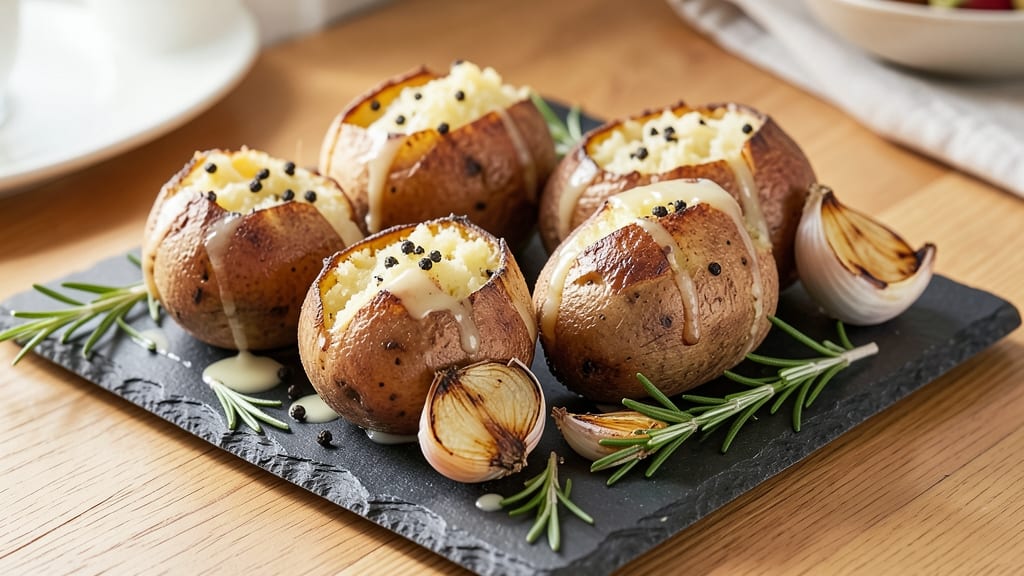
This baked potato no foil recipe delivers crispy skin without the foil mess I used to dread. After years of struggling with soggy potatoes, I perfected this method that transforms ordinary russet potatoes into golden, fluffy perfection with just salt, butter, and high heat.
The secret lies in the right oven temperature and a simple piercing technique that ensures even cooking every time.
What makes this recipe special is how it bypasses the need for foil while still achieving that coveted crispy exterior. I've tested countless variations, and this method consistently delivers restaurant-quality results using only your oven and a few basic ingredients.
The key is patience—letting the potatoes bake slowly until they're tender inside and perfectly crispy outside.
By the time you're done, you'll have a potato with a crispy, crackling skin that gives way to fluffy, buttery interior. The simplicity of this method means no extra dishes to wash, no foil cleanup, and no compromising on texture.
It's the kind of recipe that makes weeknight dinners feel special without the fuss.
Serve with your favorite toppings—sour cream, cheese, chives, or bacon—and watch this become your new go-to side dish. The best part? This technique works for any russet potato, making it a foolproof method for crispy, foolproof baked potatoes every time.
Ingredients for baked potato no foil
Four russets and five simple components transform ordinary potatoes into crispy, buttery perfection without foil.
| Ingredient | Amount | Notes |
|---|---|---|
| Russet Potatoes 🥔 | 4 whole | Large, uniform size for even cooking |
| Unsalted Butter 🧈 | ½ cup | Cold, cut into 1-inch pieces |
| Kosher Salt 🧂 | 2 tsp | Diamond Crystal preferred for accuracy |
| Garlic Cloves 🧄 | 4 cloves | Minced, for optional seasoning |
| Fresh Rosemary 🌿 | 1 tbsp | Finely chopped, optional herb |
| Black Peppercorns 🌶️ | ½ tsp | Freshly cracked, for finish |
| Olive Oil 🫒 | 1 tbsp | For brushing potato exteriors |
| Sour Cream 🥛 | ½ cup | For serving, optional topping |
| Shredded Cheddar Cheese 🧀 | ½ cup | For serving, optional topping |
| Fresh Chives 🌱 | 2 tbsp | Chopped, for serving garnish |
| Cooking Spray 💧 | 1 tbsp | Olive oil-based, for oven prep |
The russet potatoes are the foundation—select large, uniform specimens from the produce section, avoiding any with sprouts or soft spots. Whole Foods or local farmers markets often carry the freshest russets, but your standard grocery store's russet bin works perfectly. For best results, store them in a cool, dark place until ready to use; refrigeration can turn them mealy. The butter should be cold and unsalted—Land O'Lakes or Plugrá brands work well, but any high-quality unsalted butter will do. Pre-cutting the butter into 1-inch pieces ensures even distribution during baking. Piercing the potatoes with a fork before baking is critical—this allows steam to escape, preventing soggy interiors while the skin crisps.
No olive oil? Avocado oil or vegetable oil works equally well for brushing the exteriors. Short on rosemary? Fresh thyme or dried oregano (use half the amount) will still complement the flavors beautifully. The garlic is entirely optional but adds depth—mince it fresh for the best flavor, or use powdered in a pinch. For the salt, Diamond Crystal measures differently than Morton's, so if you're using the latter, reduce by about 20%. The sour cream and cheese toppings are purely optional but elevate the dish—sharp cheddar pairs best, while Greek yogurt can substitute for sour cream if preferred. Pre-shredded cheese is convenient but often contains anti-caking agents that can make it less melty; grating your own yields superior results.
Prepped potatoes can sit at room temperature for up to 2 hours before baking, which helps achieve that perfect crispy skin. Store any leftover butter pieces in an airtight container in the fridge for up to 3 months, while fresh herbs like rosemary and chives should be wrapped in damp paper towels and refrigerated for 5-7 days. The cooked potatoes reheat beautifully—wrap in foil and warm at 350°F for 15-20 minutes to restore crispiness. For meal prep, bake an extra potato or two, slice them open, and store the halves separately. Reheat the filling and skin separately to maintain texture—this is the professional trick that keeps them crispy even after reheating.
Why You'll Love This Recipe
- No-Fuss Prep: I swear, you just pierce those Russets, toss them on a sheet pan, and pop them in the oven. Zero chopping, zero peeling—just 45 minutes of hands-off magic while you sip your coffee or watch a show.
- Herb-Crusted Magic: That crispy rosemary-butter skin? Chef’s kiss. The garlic cloves roast into golden perfection, and the butter melts into the fluffy interior—like a hug from a French bistro, but with way less effort.
- Weeknight Workhorse: Serve them solo for a lazy dinner, load them up with chili for a crowd, or reheat leftovers straight from the oven. They’re my go-to for date night, game day, or when I’m too tired to care.
- Budget Bright Spot: Russets are cheap, and this recipe stretches a single sheet pan into four hearty portions. Honestly? It’s the kind of meal that makes grocery day feel like a win.
Step-by-step instructions for crispy baked potatoes without foil
Master the art of achieving restaurant-quality crispy skin without foil wrapping.
Preheat and Prepare the Potatoes
Preheat your oven to 425°F—this high temperature is essential for creating that perfect crispy exterior. While it heats, scrub the 4 whole Russet Potatoes thoroughly with a vegetable brush under cold water to remove any dirt or debris. This step ensures clean skin that will crisp up beautifully.
Place the potatoes on a clean kitchen towel and pat them completely dry. Any moisture left on the skin will prevent proper browning. Once dry, use a fork to poke several holes all over each potato—this allows steam to escape during baking, resulting in fluffier interiors and crispier exteriors. Arrange them on a baking sheet lined with aluminum foil for easy cleanup.
Season and Roast for Initial Crispiness
Lightly coat the potatoes with the 1 tablespoon olive oil using your hands or a pastry brush. This creates a barrier that helps the skin crisp up more evenly. Sprinkle 2 teaspoons kosher salt evenly over each potato, pressing it gently into the skin. This early salting ensures maximum flavor penetration.
Place the baking sheet in the preheated oven and bake for 45-50 minutes, flipping the potatoes halfway through. You'll know they're ready when the skin is deep golden brown and begins to crack slightly. The internal temperature should reach 200°F when measured with a meat thermometer. This initial roast builds the foundation for that perfect crispy texture.
Finish with Butter and Herbs for Maximum Crisp
Remove the potatoes from the oven and let them rest for 5 minutes to allow the steam to redistribute. While they rest, cut the 0.5 cup unsalted butter into 1-inch pieces. Using tongs, gently transfer each potato to a clean baking sheet or cutting board.
Rub each potato with the butter pieces, pressing firmly to distribute the melted butter evenly over the skin. This step is crucial for achieving that golden, crispy finish. Sprinkle the 1 tablespoon fresh rosemary and 0.5 teaspoon cracked black peppercorns over the buttered potatoes, pressing them lightly into the skin. Return the potatoes to the oven and bake for an additional 10-15 minutes until the butter is fully melted and the skin is deeply crispy and golden brown.
Serve Immediately with Classic Toppings
Carefully transfer the crispy potatoes to serving plates. Using a fork, gently slice each potato open lengthwise. The interior should be fluffy and dry, with no excess moisture—this indicates perfect baking. Ladle the 0.5 cup sour cream and sprinkle the 0.5 cup shredded cheddar cheese over each potato. Top with the 2 tablespoons chopped fresh chives for a pop of color and freshness.
Serve immediately while the skin remains crispy and the toppings are warm. The contrast between the crispy exterior and fluffy interior creates the ultimate texture experience. For extra flavor, you can brush the skin with a little more olive oil before serving or add a sprinkle of the minced garlic cloves to the butter before rubbing it on the potatoes.
Pro Tips For Making Baked Potato No Foil
- PIERCE THE SKIN FIRST: Russets are stubborn—prick them deeply with a fork (not just a few shallow pokes) so steam escapes and the flesh cooks evenly. I learned this the hard way when my first batch turned out dense and underdone in the center.
- USE A CAST-IRON SKILLET: Skip the sheet pan—cast iron holds heat like a dream and gives you that restaurant-quality crust. Place the potatoes cut-side down, then flip halfway to brown both sides. (Yes, it’s heavier to clean, but the flavor is worth it.)
- SALT THE POTATOES BEFORE BAKING: Don’t wait until the end—sprinkle kosher salt inside the holes before adding butter and herbs. The salt infuses the flesh as it bakes, not just sits on top. (And yes, even if you’re using unsalted butter, this makes a real difference.)
- CHOP THE GARLIC FINE: Minced garlic burns fast, so pulse it in a food processor until it’s almost paste-like. Tuck it into the butter pockets with the rosemary sprigs—this way, it cooks gently and doesn’t turn bitter. (I was skeptical until I tried it.)
Wine and beer pairings for this recipe
Crispy Skin & White Wine
The crisp acidity of a Chardonnay from California’s Central Coast cuts through the richness of buttery baked potatoes beautifully. I love La Crema Sonoma Coast Chardonnay—its citrus notes and subtle oak balance the earthy potato flavors.
For a lighter option, try Sauvignon Blanc from New Zealand; its zesty lime and grapefruit flavors refresh your palate between bites. 🍷
Herb-Infused Potatoes & Rosé
When you add fresh rosemary and black pepper to your potatoes, a dry rosé becomes the perfect match. Whispering Angel or Miraval rosés from Provence offer floral and stone fruit notes that complement the herby crust.
Serve slightly chilled to enhance the crispness of both the wine and the potato skin. The acidity in rosé also helps cleanse your palate between bites.
Classic Toppings & Lager
For the traditional sour cream and cheddar toppings, a crisp German Pilsner like Warsteiner or Stella Artois works wonders. The hoppy bitterness balances the richness of the cheese and butter, while the light malt sweetness enhances the potato’s natural flavor.
Avoid heavy stouts or dark ales—they’ll overpower the delicate crispy skin.
Spicy Twist & Craft Beer
If you add minced garlic or a dash of hot sauce to your toppings, a Belgian Witbier like Hoegaarden or Stella Artois’ Wit brings refreshing citrus and coriander notes that contrast the heat.
The effervescence also helps cut through the richness, making each bite feel lighter. This pairing is a game-changer for weeknight dinners when you want something unexpected. 🍺
Cheesy Loaded Potatoes & Malbec
Maximize the shredded cheddar and sour cream toppings by pairing with a bold Argentine Malbec. The dark fruit and plum notes in Catena Zapata Malbec stand up to the richness while complementing the savory potato.
Serve slightly warmer than usual to let the wine’s depth shine alongside the crispy skin. This is my go-to pairing for a cozy, hearty meal. 💛
Nutrition facts
Frequently asked questions
Why does this recipe skip the foil?
Foil traps steam, which can make the skin soggy instead of crispy. This method uses high heat and proper piercing to create that perfect golden crust while keeping the inside fluffy. The butter and oil create a barrier that helps the skin crisp up beautifully without trapping moisture.
Can I use Yukon Gold potatoes instead of russets?
Yukon Golds will work, but they won't be as crispy as russets since they have thinner skin and more moisture. For best results, stick with russets—they're designed for crispy baking. If you must use Yukon Golds, reduce the baking time by about 5-10 minutes and watch closely for doneness.
How do I know when the potatoes are done?
Look for a deep golden brown skin that's slightly cracked. Insert a fork—if it slides in easily with no resistance, they're perfect. For extra accuracy, use a meat thermometer: the internal temperature should reach 200°F. Overcooking can make them dry, so pull them out just before they seem done.
What if my potatoes turn out dry inside? This usually happens from overcooking or not piercing them properly. Next time, check the internal temperature at 200°F and remove them immediately. Also,
Can I make these ahead of time?
Yes! Bake them up to 2 hours ahead and store at room temperature. Reheat in a 350°F oven for 15-20 minutes** wrapped in foil to restore crispiness. For serving, add fresh toppings right before eating to keep everything warm and delicious.