
Side Dishes
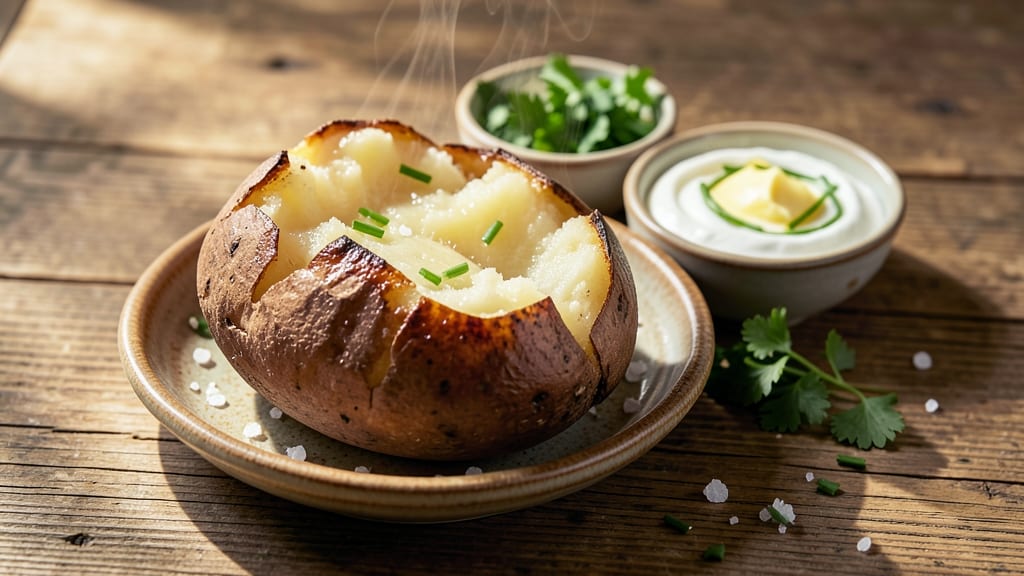
This baked potato brine recipe transforms ordinary russets into restaurant-quality sides with crispy skins and buttery, fluffy interiors—no soggy centers here. The secret lies in a simple saltwater brine that jumpstarts the cooking process, ensuring even moisture distribution while creating that coveted crackly exterior.
I’ve perfected this method after years of trial (and a few overly salty disasters), and it’s now my go-to for game day, holiday meals, or whenever I crave that perfect fluffy bite.
The technique is straightforward: parboil the potatoes in salted water, then bake them in the oven until golden. The brine pre-cooks the edges slightly, locking in moisture while setting up that ideal texture contrast.
You’ll need just 30 minutes of active time (plus baking), and the results—crispy, crackling skins with a creamy, melt-in-your-mouth heart—are worth every minute. This isn’t your average baked potato; it’s a foolproof method that elevates a humble side into the star of the meal.
Once baked, the real magic happens with seasoning. A generous sprinkle of salt, melted butter, and fresh herbs (like parsley or chives) transforms the potato into a restaurant-worthy dish.
For extra indulgence, top with sour cream, chives, and a dash of black pepper—though honestly, the brine alone does most of the work. The key is patience: let the potatoes rest before serving to allow the steam to redistribute, ensuring every bite is perfectly moist and crispy at the edges.
This recipe scales effortlessly, whether you’re feeding a crowd or just treating yourself to a solo indulgence. The brine method works for russets, Yukon Golds, or even sweet potatoes, making it versatile enough for any occasion.
Ready to upgrade your baked potato game? Let’s get started—your taste buds will thank you.
Ingredients for baked potato brine
Four russets, a pinch of salt, and a little patience—this brine transforms ordinary potatoes into restaurant-quality sides.
| Ingredient | Amount | Notes |
|---|---|---|
| Russet Potatoes 🥔 | 4 whole | Medium size, unpeeled |
| Diamond Crystal Kosher Salt 🧂 | 1 ½ cups | For brine, coarse grain preferred |
| Unsalted Butter 🧈 | ½ cup | Melted for topping |
| Fresh Parsley 🌿 | ¼ cup | Chopped, for garnish |
| Fresh Chives 🌱 | 2 tbsp | Chopped, optional garnish |
| Sour Cream 🥛 | ½ cup | Full-fat for best texture |
| Black Pepper 🌶️ | ½ tsp | Freshly ground for finish |
| Extra-Virgin Olive Oil 🫒 | 1 tbsp | For brushing skins |
| Water 💧 | 4 cups | For brine, filtered preferred |
The potatoes are non-negotiable—russets are ideal for their starchy texture, but Yukon Golds or even sweet potatoes work too. I always grab the organic russets from Whole Foods when I can, but regular store-bought works fine. The salt is where the magic happens: Diamond Crystal kosher salt dissolves perfectly, but Morton works in a pinch. For the brine, use hot water to dissolve the salt completely—no gritty surprises. The key is 1.5 cups of salt for that bold, flavorful brine without being overpowering. If you're feeding a crowd, scale the brine proportionally—double the salt and water for 8 potatoes.
No kosher salt? Sea salt or even table salt will work, but you may need to adjust the amount slightly—start with 1.5 cups and taste the brine before adding potatoes. Fresh herbs wilt fast, so grab them last—Whole Foods or local farmers markets have the freshest parsley and chives. The butter should be unsalted so you control the seasoning, but salted works in a bind. For extra indulgence, add 1 tbsp of garlic powder to the brine—trust me, it elevates everything. And if you're in a hurry, microwave the butter 40 seconds to just melt it before brushing on the potatoes.
The brine keeps 3 days in the fridge if you make it ahead—just store it in a sealed container. Potatoes can be parboiled up to 24 hours ahead and baked fresh when needed, though they're best served immediately after baking. For leftovers, reheat in a 350°F oven for 10-15 minutes until warmed through. The skins get crispier with time, so let them rest 5 minutes after baking before serving—this is where the steam redistributes for that perfect moist interior. Store any extra baked potatoes in the fridge for up to 3 days, but honestly, they're best eaten fresh.
Why You'll Love This Recipe
- Set-and-Forget Magic: I swear by this for lazy nights—just pierce those Russets, toss them in a hot brine bath, and walk away. No babysitting the oven like I used to with my old method.
- Salty-Creamy Perfection: The Diamond Crystal salt melts into the potatoes like a hug, while the butter and herbs seep in until every bite is ridiculously tender. That crispy skin? Pure reward.
- Game for Any Meal: Serve them whole for a hearty dinner, slice into salads for a lunch upgrade, or toss chunks into tacos—my kids eat them cold straight from the fridge. (Yes, even on a Tuesday night.)
- Budget Meal Prep Win: A single batch lasts my family five days, and the cost? Pennies per serving. The salt and butter stretch further than you’d think, and the leftovers taste just as good reheated.
Step-by-step instructions for perfectly brined baked potatoes
Here's how to transform ordinary Russets into restaurant-quality spuds with flawless texture.
Create the Brine Solution
In a large stockpot, combine the 4 cups water and all 1.5 cups Diamond Crystal kosher salt. Stir until completely dissolved—this ensures even salt distribution throughout the brine. I like to use a wooden spoon for this because it helps break up any salt clumps that might form. The solution should taste intensely salty, like the ocean.
Bring the brine to a boil over high heat, then immediately reduce to a gentle simmer. You want the water to maintain a steady temperature of 180°F—this is the sweet spot for creating that signature crispy skin while keeping the interior fluffy. Keep the brine at this temperature for 30 minutes before using it. This preheating step is crucial for consistent results every time.
Prepare the Potatoes for Brining
While the brine simmers, scrub the 4 whole Russet potatoes thoroughly under cold water to remove any dirt. I use a vegetable brush for this—it gets into all those crevices where soil can hide. Pat them completely dry with paper towels, then pierce each potato 4-6 times with a fork. This creates openings for the brine to penetrate and ensures even cooking.
Here's the trick: brush each potato generously with the 1 tablespoon extra-virgin olive oil. This creates a barrier that prevents the skin from drying out too quickly during baking. The oil also helps develop that beautiful golden crust we're after. Make sure to coat every surface—don't miss the bottoms where they'll rest in the oven.
Brine the Potatoes
Using tongs, carefully transfer the prepared potatoes to the hot brine. They should float—if they don't, give them a gentle nudge to help them submerge. Let them brine for exactly 20 minutes, turning them halfway through. This ensures even exposure to the salt solution on all sides. The potatoes will begin to soften slightly, but they won't be fully cooked yet.
After brining, remove the potatoes and let them sit in a colander for 5 minutes to drain. Don't rinse them—we want to maintain that salt crust that will give us crispy skin. While they drain, preheat your oven to 425°F. This high temperature is essential for developing that perfect bark while keeping the interior moist.
Bake to Crispy Perfection
Place the brined potatoes directly on the middle oven rack—no need for a baking sheet. Bake for 45-50 minutes until a knife slides in easily and the skin is deep golden brown with visible cracks. The high heat creates steam that builds up inside the potatoes, which then escapes through those cracks, creating that signature crispy texture.
I know it's tempting to check them early, but resist the urge. The potatoes will continue cooking after you remove them from the oven. When they're done, transfer them to a wire rack and let them rest for 5 minutes before serving. This resting period allows the internal steam to redistribute, ensuring maximum moisture in every bite.
Top and Serve
Cut open each potato and fluff the interior gently with a fork. Drizzle with the melted 0.5 cup unsalted butter, then top with the 0.5 cup sour cream, chopped 0.25 cup fresh parsley, 2 tablespoons fresh chives, and a sprinkle of 0.5 teaspoon black pepper. The contrast between the crispy skin and ultra-moist heart is what makes this technique special.
Serve immediately while the potatoes are still piping hot. The butter will melt into the fluffy interior, creating a rich, creamy texture that pairs perfectly with the crispy exterior. Each bite delivers that satisfying combination of textures and flavors that makes brined baked potatoes worth the effort.
Pro Tips For Making Baked Potato Brine
- Poke Holes Like You Mean It: Russets need airflow to crisp properly—don’t just stab them once or twice. Use a fork or knife to make 8-10 deep holes around the top and sides. I learned this the hard way when my first batch came out soggy inside; the steam had nowhere to escape.
- Salt the Potatoes First: Toss the raw Russets in kosher salt (about 1 tablespoon per pound) before baking—it seasons the flesh and prevents blandness. Skip this, and you’ll end up with a potato that tastes like nothing but butter and herbs, which is a shame because the salt makes a real difference.
- Don’t Overcrowd the Pan: Give your potatoes space—crowding steams them instead of crisps them. Leave at least 1 inch between each potato, even if it means baking in batches. I used to jam them in, and they’d turn out mealy; now they’re perfect every time.
- Chill the Butter Before Mixing: Cold butter melts slower and creates flakier layers in the brine. Let it sit in the fridge for 10 minutes before mixing with herbs and salt—this isn’t the prettiest method, but it works. Warm butter just makes a greasy mess.
Perfect pairings for baked potato brine
Classic Toppings
Start with the basics: a generous spoonful of full-fat sour cream (about 2 tbsp per potato) adds tangy creaminess that balances the crispy skin. I like to dollop it right in the center and let it melt slightly from the potato's heat.
For a savory kick, sprinkle with freshly cracked black pepper—just ¼ tsp per potato—and a pinch of garlic powder for depth. 🌶️
Fresh herbs elevate these potatoes instantly. Chop 2 tbsp chives and ¼ cup parsley finely, then scatter them over the sour cream. The parsley adds brightness, while chives bring a delicate onion-like note. For extra flair, add 1 tsp grated Parmesan cheese—it melts beautifully into the creamy interior.
Protein Pairings
These brined potatoes shine with grilled steak or smoked brisket, especially for game day spreads. The crispy skins stand up to rich, fatty meats, while the fluffy interior soaks up juices.
For a lighter option, pair with herb-roasted chicken thighs or garlic butter shrimp. The contrast of textures makes every bite exciting. 🍖
Vegetarian? Try them with mushroom gravy or creamy polenta. The earthy mushrooms complement the potato's natural starchiness, while polenta adds a comforting, chewy texture. For a fresh twist, serve alongside a quinoa salad with roasted vegetables—it keeps the meal light yet satisfying.
Sauce Complements
A drizzle of garlic aioli (about 1 tbsp per potato) adds a luxurious, buttery finish that pairs perfectly with the crispy skins. Mix ¼ cup mayonnaise with 1 minced garlic clove, 1 tsp lemon juice, and a pinch of salt.
The acidity cuts through the richness of the sour cream. 🧄
For something lighter, try a chive cream sauce. Whisk ½ cup sour cream with 2 tbsp chopped chives, 1 tsp Dijon mustard, and a splash of milk to thin. The sauce clings beautifully to the fluffy interior, adding a silky texture without overpowering the potato's natural flavor.
Beverage Pairings
A cold American craft beer like Allagash White or Fat Tire Amber Ale cuts through the richness of the butter and sour cream. The citrus notes in the beer refresh your palate between bites.
For a non-alcoholic option, sparkling water with a squeeze of lemon keeps things crisp and refreshing. 🍺
Red wine lovers should reach for a Pinot Noir—its bright acidity and red fruit flavors complement the earthy potato without clashing. If you prefer white, a Sauvignon Blanc with herbal notes mirrors the fresh parsley and chives on top.
The wine's acidity enhances the crispy texture, making each bite even more satisfying.
Nutrition facts
Frequently asked questions
Why does brining make baked potatoes crispier?
The saltwater brine pre-cooks the potato edges slightly, creating a concentrated starch layer that forms a perfect crust during baking. This method also draws out moisture from the potato's surface, which then reabsorbs during baking to create that signature crackly exterior while keeping the inside fluffy. Think of it as a science experiment where salt becomes your secret weapon for texture!
Can I use this brine method with sweet potatoes?
Sweet potatoes work beautifully with this technique, though they'll need about 10-15 minutes longer in the oven (55-65 minutes total). The key is to reduce the brine salt slightly (1 cup instead of 1.5 cups) since sweet potatoes are naturally sweeter. The result? Ultra-moist flesh with a caramelized, crispy skin that's even more delicious.
What if I don't have kosher salt for the brine?
No problem! Use 1.5 tablespoons of table salt or 1 tablespoon of sea salt as a substitute. The important thing is to dissolve it completely in hot water—no gritty surprises. For extra flavor, add 1 crushed bay leaf or 2 sprigs of thyme to the brine while it heats. The herbs infuse subtle aromatic notes that elevate the potatoes.
How do I fix potatoes that turn out too dry?
If your potatoes emerge dry, it's usually from overbaking or insufficient moisture. Next time, try wrapping them in aluminum foil for the first 30 minutes of baking, then uncovering to crisp. For immediate rescue, place the dry potatoes in a 350°F oven for 5-10 minutes with a ¼ cup water in the pan—this steams them back to perfection. The brine method should prevent this if followed correctly!
Can I make the brine ahead of time?
Yes! Prepare the brine up to 3 days ahead and store it in an airtight container in the fridge. When ready to use, heat it gently until it reaches 180°F again before brining the potatoes. For extra flavor, add 1 chopped onion or 2 garlic cloves to the brine while it simmers—just remove them before using. This shortcut saves time while keeping all the benefits of the brine method.