
Side Dishes
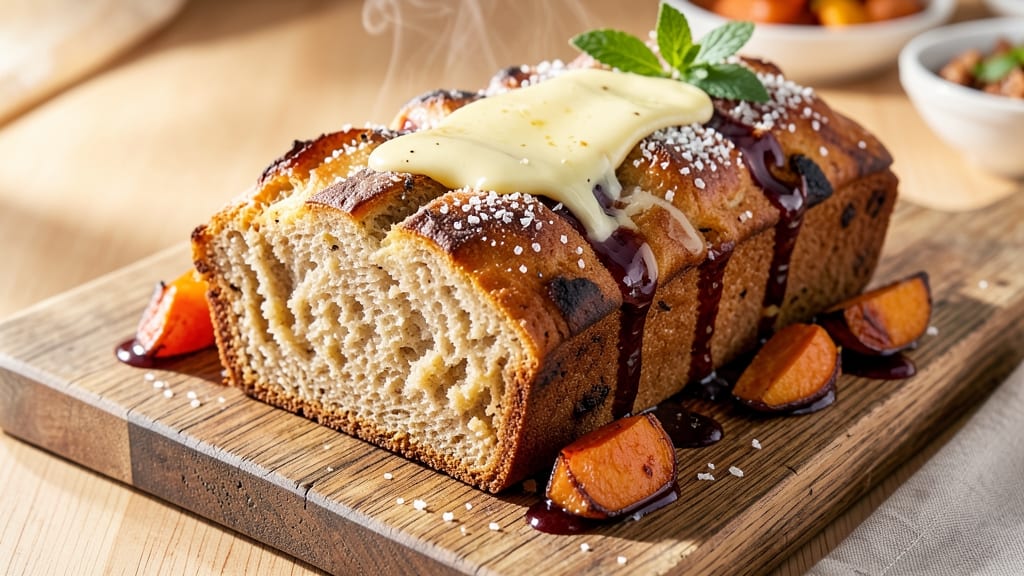
This Bahamian sweet potato bread delivers a perfect balance of spiced rum-infused crust and moist, tender centers—a dish that captures the warm, comforting flavors of the Bahamas.
The secret lies in blending sweet potatoes with traditional Bahamian spices like nutmeg and cinnamon, creating a loaf that’s both hearty and subtly sweet. What sets this apart is the rum-infused crust, which adds depth without overpowering the natural sweetness of the bread.
The recipe is designed to be beginner-friendly, with clear measurements and straightforward steps that yield a golden, fragrant loaf every time. Sweet potatoes provide natural moisture, while butter and eggs ensure a rich, fluffy texture.
The spices—nutmeg, cinnamon, and a hint of allspice—mimic the warm, aromatic flavors you’d find in Bahamian kitchens, making this bread a perfect side for holidays or a comforting addition to any meal.
What you’ll end up with is a moist, flavorful loaf with a crisp, spiced crust that’s perfect for slicing and serving alongside soups, stews, or even as a standalone treat.
The rum infusion adds a subtle warmth that enhances the bread’s natural sweetness, creating a dish that’s both nostalgic and satisfying. This recipe is all about achieving that ideal texture—tender inside, crisp outside—without requiring advanced baking skills.
Whether you’re baking for a family gathering or simply craving a taste of the Bahamas, this recipe delivers a foolproof method that’s easy to follow and impossible to resist.
The key is patience—letting the dough rest and the bread bake slowly ensures the perfect result. Ready to bake? Let’s get started on this Bahamian-inspired classic.
Ingredients for bahamian sweet potato bread
Sweet potatoes, spiced rum, and Bahamian warmth—just 13 ingredients for golden loaves with crisp crusts.
| Ingredient | Amount | Notes |
|---|---|---|
| Sweet Potatoes 🍠 | 2 cups | Cubed and cooked until tender |
| All-Purpose Flour 🌾 | 3 cups | Unbleached preferred for flavor |
| Granulated Sugar 🍚 | ½ cup | Light brown sugar for depth |
| Unsalted Butter 🧈 | ½ cup | Cold, cubed for crust texture |
| Large Eggs 🥚 | 2 whole | Room temperature for even mixing |
| Spiced Rum 🍹 | ¼ cup | For crust infusion (use quality) |
| Ground Cinnamon 🌿 | 1 ½ tbsp | Freshly ground for aroma |
| Ground Nutmeg 🌶️ | ½ tsp | Freshly grated preferred |
| Ground Allspice 🌶️ | ½ tsp | For Bahamian warmth |
| Baking Powder 🍞 | 1 ½ tsp | Aluminum-free for best rise |
| Salt 🧂 | ½ tsp | Fine sea salt preferred |
| Milk 🥛 | ½ cup | Warm for better incorporation |
| Vanilla Extract 🌸 | 1 tbsp | Pure Madagascar preferred |
The sweet potatoes are the heart of this recipe—orange-fleshed, firm varieties like Beauregard work best. Whole Foods or local farmers markets often carry the best tubers, but any sweet potato will do if it's vibrant and heavy for its size. For the rum, Appleton Estate or Gosling's Black Seal deliver that authentic Bahamian depth, but any quality spiced rum will work. The butter must be cold—cut it into tablespoon-sized cubes and let them sit at room temperature for 10 minutes before mixing to ensure the crust stays crisp. Buy unsalted butter for precise seasoning control.
No spiced rum? Substitute 1 tbsp dark rum plus 1 tsp cinnamon—it won't be identical, but it'll still add warmth. Running short on sweet potatoes? Mash 1 cup cooked white potato and use half the amount, but the texture won't be quite the same. The allspice is non-negotiable for that Bahamian flavor—if you can't find ground allspice, crush 2 whole allspice berries instead. For the flour, King Arthur Unbleached or Gold Medal work perfectly, but check your pantry first. The baking powder should be fresh—test by dropping a spoonful in hot water; if it doesn't fizz vigorously, replace it.
This dough needs time—let it rest 30 minutes before baking for maximum tenderness. Store any leftovers wrapped in foil at room temperature for 2 days, or freeze slices for 3 months. For reheating, wrap slices in foil and warm at 350°F for 5-7 minutes. The crust stays crisp for about 2 hours after baking, so slice it fresh if you're serving guests. I always bake two loaves—one for the table, one for toasting with butter later in the week.
Why You'll Love This Recipe
- No Boil Required: I’ll admit, I was skeptical about skipping the boil—but roasting the sweet potatoes first? Chef’s kiss. You just toss them in the oven until tender, then mash them right into the batter. No extra pots, no waiting for water to boil. Honestly, it cuts my prep time in half.
- Sweet & Buttery Magic: That caramelized sugar and butter combo? It’s like a hug for your taste buds. The sweet potatoes add natural sweetness, but the brown sugar and melted butter take it to another level. (Yes, even my kids—who usually turn their noses up at "healthy" food—ask for seconds.)
- Breakfast or Dessert: Here’s what sold me—this bread works anytime. Toast it for breakfast with peanut butter, serve it warm with jam for dessert, or even pack slices for lunch. I’ve even used it to make French toast that’s dangerously good. One recipe, endless possibilities.
- Budget-Friendly Staple: Sweet potatoes are one of the most affordable veggies out there, and this recipe stretches them far. A single batch feeds my family for days—leftovers toast up just as well the next morning. Plus, using basic pantry staples means no last-minute grocery runs. My wallet and my taste buds thank me.
Step-by-step instructions for Bahamian sweet potato bread
Here's how to craft this tropical-inspired loaf with its signature rum-infused crust.
Prepare the Sweet Potato Puree
Preheat your oven to 375°F and line a baking sheet with parchment paper. Cut the 2 cups of sweet potatoes into ½-inch cubes and spread them evenly on the prepared sheet. Roast for 25-30 minutes until fork-tender and golden brown, turning halfway through. The potatoes should collapse slightly when pierced with a fork.
Transfer the roasted potatoes to a food processor and blend until completely smooth, scraping down the sides as needed. You'll want a consistency similar to thick mashed potatoes—no lumps should remain. Let the puree cool completely before using it in the batter. This step creates the bread's signature moist, slightly sweet center that balances the spiced crust.
Mix Dry Ingredients and Create the Crust
In a large mixing bowl, whisk together the 3 cups all-purpose flour, 1.5 teaspoons baking powder, 0.5 teaspoon salt, 1.5 tablespoons ground cinnamon, 0.5 teaspoon ground nutmeg, and 0.5 teaspoon ground allspice. Sift the mixture through a fine-mesh sieve directly into the bowl to aerate the flour and prevent clumping. This dry blend forms the structural backbone of our bread.
In a separate small bowl, combine the 0.5 cup granulated sugar with the 0.25 cup spiced rum. This mixture will create the signature crust when spread on top. The rum adds depth of flavor while creating a beautiful caramelized crust during baking. Set this aside for now—we'll use it in the final assembly.
Combine Wet Ingredients for the Batter
In the bowl of a stand mixer fitted with the paddle attachment, beat the 0.5 cup cold cubed butter and 0.5 cup granulated sugar on medium speed for 3-4 minutes until light and fluffy. This creaming process incorporates air, which helps create the bread's tender crumb. Scrape down the sides of the bowl to ensure even mixing.
Add the 2 whole large eggs, one at a time, mixing well after each addition. Then stir in the 1 tablespoon vanilla extract and the cooled sweet potato puree. With the mixer running on low speed, gradually add the 0.5 cup warm milk until just combined. Finally, pour in the rum-sugar mixture and mix until fully incorporated. The batter should be thick but pourable—similar to pancake batter.
Assemble and Bake the Bread
Pour the batter into a 9x5-inch loaf pan that has been lightly greased with butter. Spread the batter evenly to the top of the pan. Using a pastry brush, gently spread the remaining rum-sugar mixture over the top of the batter, creating an even layer. This will form our signature crust.
Bake in the preheated oven for 50-55 minutes until a toothpick inserted into the center comes out clean and the top is golden brown with a caramelized crust. The bread is done when it springs back slightly when pressed in the center. If the top browns too quickly, tent the pan with foil after 30 minutes to prevent over-browning.
Cool and Serve for Maximum Moisture
Remove the bread from the oven and let it cool in the pan for 10 minutes. Then transfer it to a wire rack to cool completely. This resting period allows the internal moisture to redistribute, ensuring each slice remains tender. The crust should be firm but still slightly sticky from the caramelized rum glaze.
Slice the bread into ¼-inch thick portions and serve warm. The interior should be moist with pockets of sweet potato puree, while the crust offers a subtle rum-infused crunch. For best results, store any leftovers wrapped in plastic at room temperature for up to 3 days, or freeze for up to 3 months. The flavor actually improves as it sits!
Pro Tips For Making Bahamian Sweet Potato Bread
- BOIL POTATOES UNTIL TENDER: I learned this the hard way—undercooked sweet potatoes make the bread dense and gummy. Test doneness by piercing with a fork; it should slide in like butter. If it resists, keep boiling 5–10 more minutes—no one likes a chewy bite in their bread.
- GRATE POTATOES COLD: Skip the warm grate. Cold sweet potatoes release less moisture and keep the dough from turning into a sticky mess. Pop the boiled potatoes in the fridge for 10 minutes first, then grate—your future self will thank you for not wrestling with a gooey disaster.
- WEIGH THE FLOUR: That "1 cup" on your measuring cup isn’t foolproof. Flour packs differently, and too much makes the bread dry. Use a kitchen scale for 225 grams—this recipe actually changes the outcome, trust me.
- BAKE LOW AND SLOW: Bahamian sweet potato bread needs patience. Bake at 325°F (160°C) for 45–55 minutes, not the 375°F (190°C) your oven might scream for. The crust will brown faster than the center, so resist the urge to crank the heat—you want a moist, even crumb, not a burnt exterior hiding a raw middle.
Common mistakes when making your bahamian sweet potato bread
Overmixing the Batter
I've seen this happen more than once—when the batter gets overmixed, the bread turns out dense instead of tender. The moment your wet ingredients are fully incorporated, stop mixing immediately. Overworking the gluten creates a tough crumb that defeats the purpose of our moist, sweet potato center.
Use a stand mixer with the paddle attachment and mix just until combined—about 30 seconds after adding the milk. 💡
Skipping the Rum Infusion
The rum isn't just flavor—it's the secret to that signature caramelized crust. If you skip it or use too little (less than 0.25 cup), your bread will lack depth and might dry out faster.
Quality matters here: Appleton Estate or Gosling's Black Seal rum delivers the best results. For a non-alcoholic version, substitute 0.25 cup apple cider mixed with 1 tsp cinnamon, but expect slightly different flavor notes.
Undercooking the Sweet Potatoes
If your sweet potatoes aren't fully tender before blending, you'll end up with gummy puree that makes the bread dense. Always roast until they collapse easily when pierced with a fork—25-30 minutes at 375°F.
For extra insurance, let the puree cool completely before mixing into the batter. I've had to start over when impatient cooks rushed this step and ended up with a sad, gummy loaf. 🍠
Incorrect Pan Size or Greasing
Using the wrong pan size throws off everything. This recipe is designed for a 9x5-inch loaf pan—any larger, and the bread won't bake evenly; any smaller, and it'll overflow. Lightly grease the pan with butter or line it with parchment paper to prevent sticking.
I've seen people skip this and end up with bread that tears when removing it from the pan. Pro tip: Use a 9x5-inch metal pan for even baking, not glass.
Ignoring the Resting Period
Rushing the 10-minute rest in the pan and 30-minute final cool on a rack is a recipe for disaster. This resting time lets the moisture redistribute, creating that perfect tender crumb. If you slice too soon, the bread will be gummy in the center and dry at the edges.
Think of it like letting cake cool before frosting—patience pays off with perfect texture. ⏳
Overbrowning the Crust
Watching the bread too closely can lead to overbrowning. The rum-sugar topping caramelizes quickly, so after 30 minutes, tent the pan with foil if the top is browning too fast. I've had to rescue many loaves by covering them early.
The bread is done when it reaches 200°F internal temperature and springs back when pressed gently. A toothpick test is your best friend here.
Nutrition facts
Frequently asked questions
Can I substitute white potatoes for sweet potatoes in this recipe?
While you can use white potatoes, the flavor and texture will differ significantly. Sweet potatoes provide natural sweetness and moisture that white potatoes lack. For a similar texture, use 1 cup mashed white potato plus 1 cup cooked sweet potato puree, but expect a less rich, tropical-inspired taste. The crust may also brown differently without the natural sugars in sweet potatoes.
How do I store leftovers to keep them fresh?
Wrap cooled slices tightly in plastic wrap or aluminum foil and store at room temperature for up to 3 days. For longer storage, freeze slices on a tray first to prevent sticking, then transfer to a freezer bag for up to 3 months. To reheat, wrap slices in foil and warm at 350°F for 5-7 minutes until crisp again.
What makes this bread different from regular sweet potato bread?
The key differences are the spiced rum infusion in the crust and the Bahamian spice blend (nutmeg, cinnamon, and allspice). These elements create a caramelized crust with warm, aromatic notes that regular sweet potato bread lacks. The rum also adds moisture retention, keeping the bread tender longer than traditional recipes.
Can I make this bread without alcohol?
Yes! Replace the 0.25 cup spiced rum with 0.25 cup apple cider mixed with 1 tsp cinnamon. This substitution maintains the sweetness and moisture while keeping the recipe alcohol-free. The flavor won't be identical, but it will still deliver that signature caramelized crust and warm spice profile.
Why does my bread turn out dense instead of tender?
Overmixing the batter or undercooking the sweet potatoes are common culprits. Always mix just until combined (30 seconds after adding milk) and ensure sweet potatoes are fully tender before blending. Another tip: Let the batter rest 30 minutes before baking to relax the gluten and improve texture.