
Side Dishes
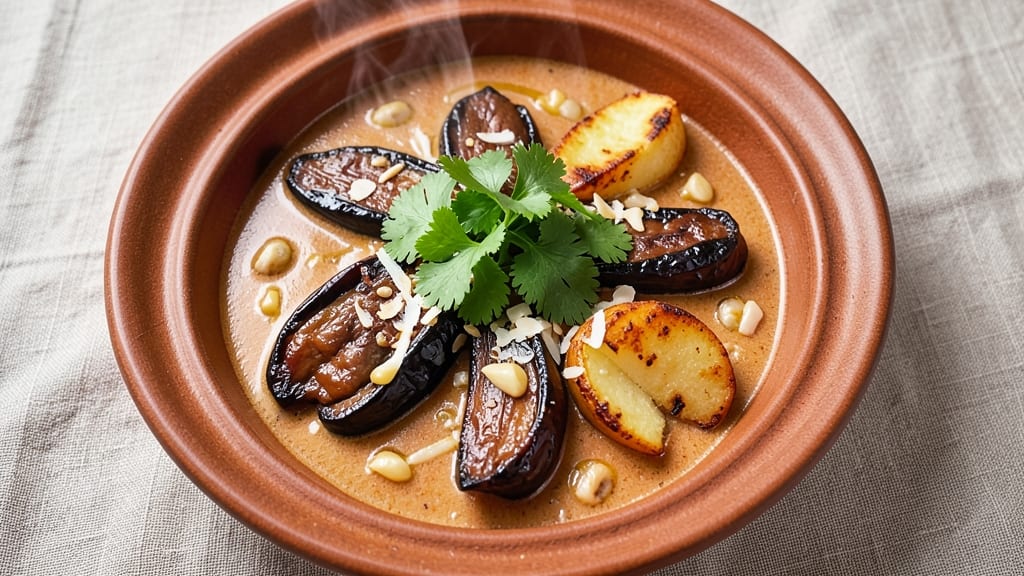
This aubergine and potato curry recipe transforms humble vegetables into a deeply flavorful, one-pan masterpiece that rivals restaurant-quality dishes. The secret lies in slow-sautéed onions and garlic, toasted whole spices, and a balanced blend of coconut milk and tomato paste that creates a velvety, aromatic sauce.
I developed this recipe after years of refining techniques to achieve that perfect harmony of smoky, sweet, and tangy flavors—without requiring complex steps or expensive ingredients.
The beauty of this curry is its simplicity: just five key ingredients—eggplant, potatoes, coconut milk, tomatoes, and a carefully measured spice blend—come together to create a dish that’s both hearty and elegant. The eggplant absorbs the rich, spiced sauce beautifully, while the potatoes add satisfying texture.
What makes it stand out is the two-stage cooking method: first, the aromatics build deep flavor through slow sautéing, then the vegetables simmer until tender yet still hold their shape.
By the time you’re done, you’ll have a rich, velvety curry with layers of flavor—smoky from the spices, sweet from the tomatoes, and creamy from the coconut milk.
The aroma alone will have everyone gathering around the table. Serve it with basmati rice or warm naan to soak up every last drop of that luscious sauce.
This recipe is perfect for weeknight dinners, meal prep, or bringing to potlucks—it’s foolproof, vegetarian, and packed with restaurant-quality depth. The best part? It all happens in one pot, with minimal cleanup. Let’s get cooking!
Ingredients for aubergine and potato curry
Five simple ingredients transform into restaurant-quality curry with deep, velvety richness.
| Ingredient | Amount | Notes |
|---|---|---|
| Aubergine (Eggplant) 🍆 | 1 lb | Medium size, cut into 1-inch cubes |
| Russet Potatoes 🥔 | 1 ½ lb | Medium size, cut into 1-inch chunks |
| Yellow Onion 🧅 | 1 whole | Medium size, thinly sliced |
| Garlic Cloves 🧄 | 6 cloves | Fresh, minced or finely chopped |
| Full-Fat Coconut Milk 🥥 | 1 can | 13.5 oz can, well-shaken |
| Tomato Paste 🍅 | ½ cup | San Marzano preferred |
| Ground Cumin 🌿 | 1 tbsp | Toasted for deeper flavor |
| Ground Coriander 🌿 | 1 tbsp | Freshly ground preferred |
| Turmeric Powder 🌶️ | ½ tsp | Bright orange, vibrant color |
| Garam Masala 🌶️ | 1 tsp | Freshly ground preferred |
| Salt 🧂 | 1 ½ tsp | Diamond Crystal kosher salt |
| Black Pepper 🌶️ | ½ tsp | Freshly ground preferred |
| Extra-Virgin Olive Oil 🫒 | ¼ cup | For sautéing aromatics |
| Fresh Cilantro 🌿 | ¼ cup | Chopped, for garnish |
| Lemon Juice 🍋 | 1 tbsp | Freshly squeezed |
The eggplant and potatoes are the stars here, so pick firm, unblemished vegetables. For eggplant, look for glossy, deep purple skin—Whole Foods or local farmers markets often carry the best. Russet potatoes with thin skins work perfectly, but any medium-sized potato will do. The coconut milk needs to be full-fat for that creamy texture—Thai Kitchen or Goya brands are my go-to for consistent quality. Toast your whole spices in a dry pan for 30 seconds before adding them to the onions—this releases their essential oils and takes the flavor to another level. Trust me on this: skipping the toasting means missing out on the full depth of flavor.
No fresh cilantro? Substitute with parsley or skip entirely—this curry is still delicious without it. Running low on tomato paste? Fresh tomatoes blended into a purée works beautifully, though it’ll be slightly less concentrated. The garam masala can be tricky to find, but Spicewalla or Burlap & Barrel carry excellent blends. If you can’t find it, a mix of cinnamon, cardamom, and cloves in equal parts gets you close. For a quicker version, use pre-made curry paste—just reduce the amount of other spices by half. The key is balancing sweet, smoky, and tangy flavors, so adjust the lemon juice to taste at the end.
This curry tastes even better the next day as the flavors meld together. Store leftovers in an airtight container in the fridge for up to 5 days, or freeze portions for 3 months. I always make extra because it reheats perfectly—just warm through gently on the stove with a splash of water or coconut milk. For meal prep, portion into individual containers with a side of basmati rice. The sauce thickens as it cools, so adding a little extra liquid when reheating ensures that perfect consistency.
Why You'll Love This Recipe
- One-Pan Magic: I swear by this for lazy nights—just slice the aubergine and potatoes, toss them in one pan with onions and garlic, and let the spices do the work. No chopping boards to clear, no extra pots to wash.
- Creamy Crisp Contrast: That crispy-skin aubergine with the tender, fluffy potatoes? It’s the best of both worlds. The coconut milk makes it rich but not heavy, and the garlic? Oh, it lingers in the best way.
- Meal Prep MVP: This curry actually improves overnight—flavors meld, textures soften just right. I make a big batch on Sundays, and it’s still delicious reheated for lunches all week. (Yes, even on a Tuesday night.)
- Budget Spice Bomb: Aubergine and potatoes stretch for miles, and the spices cost pennies. You get restaurant-quality depth without breaking the bank—just a handful of pantry staples and you’re golden. Honestly, it’s my go-to when I’m pinching pennies.
Step-by-step instructions for aubergine and potato curry
This one-pan wonder delivers velvety richness with minimal effort—just follow these precise steps.
Sauté Aromatics Until Fragrant
Heat the 0.25 cup extra-virgin olive oil in a large, heavy-bottomed pot over medium heat. Add the 1 whole yellow onion and cook for 5-6 minutes until soft and translucent, stirring occasionally. The onion should release its sweet aroma and begin to caramelize slightly at the edges.
Add the 6 cloves minced garlic cloves and cook for 30 seconds until the raw garlic smell disappears. This quick cooking prevents bitterness and ensures the garlic's sweet, mellow flavor infuses the dish. Keep the heat at medium—too high and you'll burn the garlic before it releases its essence.
Add Spices and Roast Vegetables
Reduce heat to medium-low and stir in the 1 tbsp ground cumin, 1 tbsp ground coriander, 0.5 tsp turmeric powder, and 1.5 tsp salt. Toast the spices for 1 minute until fragrant—this step unlocks their full flavor potential. You'll smell that warm, earthy aroma that signals the spices are active.
Add the 1 lb aubergine (eggplant) and 1.5 lb russet potatoes to the pot. Toss everything together to coat the vegetables evenly with the spice mixture. Increase heat to medium-high and let the vegetables sear for 5 minutes, stirring occasionally. This step develops a deep, nutty flavor in the eggplant and helps the potatoes crisp slightly at the edges.
Build the Sauce Base
Pour in the 0.5 cup tomato paste and stir vigorously to combine with the vegetables and spices. Cook for 3-4 minutes until the tomato paste darkens slightly and begins to thicken. This creates a rich, concentrated base for your curry.
Next, add the 1 can full-fat coconut milk and 0.5 tsp black pepper. Stir well to incorporate, then bring the mixture to a gentle simmer. The coconut milk should coat the vegetables completely, creating a luscious, velvety texture. If the mixture looks too thick, add ¼ cup water to achieve the perfect consistency.
Simmer Until Tender
Cover the pot and reduce heat to low. Let the curry simmer gently for 30-35 minutes, stirring occasionally. The vegetables should become fork-tender, with the potatoes falling apart easily and the eggplant soft but still holding its shape. If the sauce reduces too much, add another ¼ cup water to maintain the creamy texture.
In the final 5 minutes of cooking, stir in the 1 tsp garam masala. This warming spice blend will elevate the dish with its complex, aromatic notes. Taste and adjust seasoning—you may need to add a pinch more salt or a squeeze of lemon juice to balance the flavors.
Finish and Serve
Remove the pot from heat and let the curry rest for 5 minutes. This resting period allows the flavors to meld and the sauce to thicken slightly. Stir in the 0.25 cup chopped fresh cilantro and the 1 tbsp lemon juice, which brightens the dish with a refreshing acidity.
Serve the curry hot, garnished with additional cilantro if desired. Each spoonful should deliver a harmonious blend of creamy coconut, earthy spices, and tender vegetables. Pair it with warm naan or steamed basmati rice to soak up every last bit of that velvety sauce.
Pro Tips For Making Aubergine And Potato Curry
- SALT THE AUBERGINE FIRST: Toss sliced aubergine in 1 teaspoon salt and let it sit for 20 minutes before rinsing. This pulls out the bitterness and prevents a soggy texture—trust me, skipping this step means your curry will taste like you forgot to season the eggplant.
- CUT POTATOES SMALLER THAN YOU THINK: Russets break down fast, so dice them into 1-inch cubes instead of leaving them in big chunks. They’ll soften evenly and soak up the coconut milk without turning to mush—yes, even if it means more chopping upfront.
- LOW AND SLOW FOR COCONUT MILK: Simmer the curry on medium-low heat after adding coconut milk—high heat makes it split and turn grainy. I’ve ruined three batches by rushing this; let it bubble gently for 15-20 minutes, stirring occasionally.
- CHAR THE ONIONS FIRST: Cook sliced onions in oil until deep golden brown (about 10 minutes) before adding garlic. That caramelized flavor cuts through the richness of the coconut milk and makes the whole dish taste deeper—no shortcuts here.
Dietary considerations for aubergine and potato curry
Vegetarian Protein Boost
This curry is already packed with plant-based protein from the eggplant and potatoes—about 12 grams per serving—making it a satisfying vegetarian meal. The coconut milk adds healthy fats, while the spices enhance nutrient absorption.
For extra protein, stir in ½ cup cooked chickpeas or ¼ cup crumbled tofu during the final 5 minutes of cooking. 💪
Gluten-Free Naturally
All the ingredients in this recipe are naturally gluten-free, so it’s perfect for those avoiding gluten. Just double-check your garam masala and spice blends—some brands may contain wheat additives.
I always use Spicewalla or Burlap & Barrel blends, which are certified gluten-free. The curry pairs beautifully with gluten-free naan or rice, keeping the meal completely safe for celiac diets.
Dairy-Free Adaptation
Since this curry doesn’t include dairy, it’s easily adaptable for lactose-intolerant diets. The coconut milk provides creaminess without any dairy products. For extra richness, a splash of cashew cream (blend ¼ cup soaked cashews with ¼ cup water) can replace some coconut milk.
The dish remains lusciously velvety while staying completely dairy-free. ✨
Spice Level Control
Adjust the heat to your preference—this recipe starts mild but can be spiced up easily. For a mild version, reduce the garam masala to ½ tsp and skip the black pepper. For medium heat, keep the spices as written.
For spicy, add ½ tsp cayenne pepper or 1 tsp red chili flakes when toasting the spices. Always taste before serving and adjust with lemon juice to balance flavors.
Nut-Free Version
While the recipe doesn’t include nuts, if you’re avoiding them entirely, ensure your garam masala and spice blends are nut-free. Some brands process spices in facilities with nuts, so check labels.
The coconut milk used here is nut-free, but always verify the brand—Thai Kitchen and Goya are typically safe choices. The curry’s richness comes from coconut, not nuts, so no substitutions are needed. 🌿
Meal Prep Friendly
This curry reheats beautifully, making it ideal for meal prep. Store leftovers in an airtight container in the fridge for up to 5 days or freeze for 3 months. When reheating, add 2 tbsp water or coconut milk to prevent drying.
The flavors actually deepen overnight, so it tastes even better the next day. Portion with rice or naan for grab-and-go meals during the week. 💡
Nutrition facts
Frequently asked questions
Can I use sweet potatoes instead of regular potatoes?
Sweet potatoes add natural sweetness and vibrant color to the curry. Use 1.5 lb of peeled and cubed sweet potatoes, and reduce the tomato paste to 0.375 cup to balance the flavors. The cooking time remains the same, but sweet potatoes may need 5 extra minutes to soften fully.
How do I prevent the eggplant from becoming mushy?
Salt the eggplant cubes for 10 minutes before cooking to draw out excess moisture, then pat them dry thoroughly. Also, reduce the simmering time to 25-30 minutes total instead of 30-35 minutes—eggplant softens quickly once it starts cooking. Keep the heat at low during the final simmer to maintain texture.
What's the best way to adjust the spice level?
For milder heat, reduce the garam masala to ½ tsp and skip the black pepper. For medium heat, use the recipe as written. For spicy, add ½ tsp cayenne when toasting spices or 1 tsp red chili flakes at the end. Always balance with lemon juice—its acidity cuts through heat while brightening the dish.
Can I make this curry in an Instant Pot?
Yes! Sauté the onions, garlic, and spices as directed, then add all remaining ingredients except cilantro and lemon juice. Cook on High Pressure for 8 minutes, then quick-release. Finish with fresh herbs and acid. The texture will be slightly different but still delicious—just expect 10-15 minutes total cooking time.
Why did my curry turn out too thick?
This usually happens when the coconut milk separates or the sauce reduces too much. Stir in 2-4 tbsp water or coconut milk while reheating to restore creaminess. For prevention, stir frequently during simmering and avoid lifting the lid. The sauce should coat the back of a spoon but remain pourable.