
Breakfast & Brunch
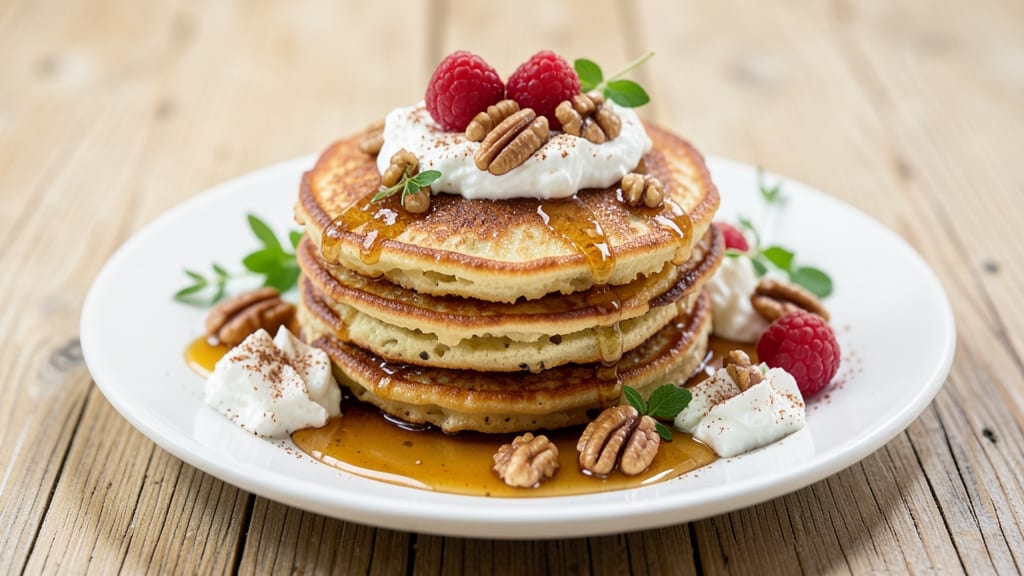
This Amish potato pancake recipe delivers the perfect balance of crispy golden edges and tender, fluffy centers—just like Grandma used to make. 💛 The secret lies in properly grating the potatoes and frying them in small batches over medium heat, ensuring each pancake develops that signature lattice pattern while staying light inside.
Traditional Amish potato pancakes require just a few simple ingredients: potatoes, eggs, flour, and a pinch of salt—no fancy shortcuts needed. The key technique is pressing out excess moisture from the grated potatoes before cooking, which prevents soggy pancakes and ensures that crispy, caramelized exterior we all love.
By the time you're done, you'll have a stack of golden-brown pancakes with delicate cracks and a satisfying crunch. Serve them warm with applesauce, sour cream, or a pat of butter to complete this classic comfort dish that's perfect for breakfast or a hearty side.
This recipe stays true to Amish traditions while being approachable for home cooks—no special equipment required. Let's get started on making these from-scratch potato pancakes that taste like home.
Ingredients for amish potato pancake
Four simple ingredients and a few key techniques create these classic Amish potato pancakes.
| Ingredient | Amount | Notes |
|---|---|---|
| Russet Potatoes 🥔 | 3 lb | Fresh, unpeeled, organic preferred |
| Large Eggs 🥚 | 2 whole | Room temperature for even cooking |
| All-Purpose Flour 🌾 | ½ cup | White or whole wheat blend |
| Granulated Sugar 🍚 | 1 tbsp | Light brown sugar for caramel notes |
| Kosher Salt 🧂 | 1 tsp | Diamond Crystal preferred |
| Ground Black Pepper 🌶️ | ½ tsp | Freshly cracked for best flavor |
| Vegetable Oil 🫒 | 1 ½ cups | High smoke point, like canola |
| Fresh Parsley 🌿 | ¼ cup | Chopped, for garnish (optional) |
The potatoes are everything here. Russets are ideal—their starchy texture holds up to grating and frying without falling apart. Grab organic potatoes if possible; their thinner skins crisp better. Avoid waxy potatoes like Yukon Golds—they won't give you that classic lattice pattern. If you can't find Russets, Idaho potatoes work as a backup. Store potatoes in a cool, dark place (not the fridge) until ready to use—cold potatoes make for dense pancakes. For best results, use potatoes within 1 week of purchase.
No fresh parsley? Dried parsley at one-third the amount works in a pinch, though fresh adds that bright pop. The flour can be swapped for cornmeal if you're aiming for extra crunch, but traditional recipes stick with all-purpose. For a gluten-free version, use a 1:1 gluten-free flour blend—just know the texture will be slightly denser. The sugar is optional but helps create that signature caramelized lattice. If you're feeling adventurous, add a teaspoon of cinnamon to the batter for a sweet-savory twist. And if your oil starts to smoke too much, reduce the heat—medium-low is key for even cooking.
These pancakes reheat beautifully—just pop them in a 350°F oven for 5-7 minutes to restore that crispy exterior. Store leftovers in an airtight container in the fridge for up to 4 days, or freeze them for 2 months by stacking with parchment between layers. For serving, keep the applesauce and sour cream on hand—they're the perfect partners for these golden pancakes. And if you're making a big batch, fry them in two batches max to avoid overcrowding the pan, which leads to soggy results.
Why You'll Love This Recipe
- No-Fuss Grate: I just peel, grate, and mix—no fancy techniques here. The Russets hold their shape perfectly when shredded, and the eggs bind everything together without extra fuss.
- Golden Crisp Magic: That sugar in the batter? It caramelizes just enough to give them a sweet, crispy edge while keeping the inside tender. Trust me, the first bite is worth the wait.
- Breakfast or Dinner: Serve them with maple syrup and sausage for a hearty breakfast, or pair with applesauce and a side salad for a lighter dinner. They’re that adaptable.
- Budget Breakfast Win: Russets are cheap, eggs stretch further than you’d think, and a little flour goes a long way. I’ve fed my whole family (plus two neighbors) with what costs less than takeout.
Step-by-step instructions for Amish potato pancakes
Transform simple ingredients into crispy, golden pancakes with fluffy centers using this proven method.
🔪 Step 1: Grate and Squeeze the Potatoes
Peel the 3 lb Russet Potatoes and grate them using the large holes of a box grater. You should end up with about 6 cups of potato shreds. Place the shreds in a clean kitchen towel or cheesecloth and squeeze out every last drop of moisture—this is crucial for crispy pancakes. I like to twist the towel tightly and press down firmly to remove excess liquid.
Real talk: Don't skip this step. Wet potatoes will steam instead of crisp, leaving you with soggy pancakes. If your towel isn't absorbing enough, use a second one. The goal is to have potatoes that feel just slightly damp, not dripping wet.
👨🍳 Step 2: Mix the Batter
In a large mixing bowl, combine the squeezed potatoes with the 2 whole Large Eggs, 0.5 cup All-Purpose Flour, 1 tbsp Granulated Sugar, 1 tsp Kosher Salt, and 0.5 tsp Ground Black Pepper. Use your hands to gently fold everything together—this helps distribute the flour evenly and creates a light, aerated batter.
I always mix just until combined, being careful not to overwork the batter. Overmixing develops gluten in the flour, which can make the pancakes tough. The batter should be thick but still pourable. If it's too dry, add 1 tablespoon of water at a time until it reaches the right consistency.
🍳 Step 3: Heat the Oil
Pour the 1.5 cups Vegetable Oil into a large skillet and heat over medium heat until it reaches 350°F on a deep-fry thermometer. If you don't have a thermometer, test the oil by dropping in a small piece of potato—it should sizzle and turn golden within 30 seconds. The oil is ready when it's hot enough to create bubbles around the potato but not smoking.
Don't walk away. Oil burns quickly, and too-hot oil will scorch the outside before the inside cooks. You want a gentle, steady sizzle that indicates the oil is at the perfect temperature for even cooking.
🥘 Step 4: Fry the Pancakes
Using a spoon or small ice cream scoop, drop 2-tablespoon portions of batter into the hot oil. Fry in batches, leaving space between pancakes so they don't stick together. Cook for 3-4 minutes per side, turning carefully with a slotted spatula, until they're golden brown and crispy on both sides. You'll know they're done when they release easily from the spatula and the edges are deep golden.
Here's the thing—don't press down on the pancakes while frying. This forces out the moisture and creates a dense, gummy texture. Let them cook undisturbed until they're golden, then flip gently. If they brown too quickly on the bottom, reduce the heat slightly for the next batch.
⏰ Step 5: Drain and Garnish
Transfer the cooked pancakes to a paper towel-lined plate to drain excess oil. They'll stay crispy for about 5 minutes while you cook the remaining batter. Once all pancakes are done, sprinkle them with the 0.25 cup Fresh Parsley for a pop of color and freshness. Serve immediately while still warm and crisp.
For extra fluffiness, I like to serve these with a dollop of sour cream or applesauce on the side. The contrast of creamy and crispy is what makes these pancakes truly special. Enjoy them right away—they're best when fresh from the fryer!
Pro Tips For Making Amish Potato Pancake
- GRATE FRESH, DON’T MELT: Russets release more starch when grated raw—skip microwaving or boiling first. I learned this after soggy pancakes ruined a batch; cold grating keeps the texture light and crispy.
- SALT THE POTATOES BEFORE GRATING: Toss grated Russets with 1 teaspoon kosher salt and let sit 10 minutes. This pulls out excess moisture so your batter doesn’t turn gluey—no one wants pancakes that clump like wet cardboard.
- COOK LOW AND SLOW: Medium heat is your friend here—high heat burns the outside before the inside cooks. Flip once, then let them puff undisturbed for 3–4 minutes per side. Rushing = greasy, uneven results.
- UPGRADE WITH COLD BUTTER: Swap oil for 1 tablespoon melted butter (cooled slightly) in the pan. It adds richness and a golden crust without extra effort—just don’t skip the heat, or it’ll stick like glue.
Common mistakes when making great amish potato pancake
Over-Grating the Potatoes
Using a fine grater instead of the large holes creates tiny potato pieces that cook too quickly on the outside while staying raw inside. Stick to a large-hole box grater—it produces thick shreds that hold together during frying.
If your grater only has small holes, pulse potatoes in a food processor with the shredding blade for even, thick strips. 🥔
Skipping Moisture Removal
Wet potatoes release steam instead of crisping, resulting in dense, gummy pancakes. After grating, squeeze the shreds in a clean kitchen towel until they’re just damp (not dripping). I press down hard and twist the towel tightly—this step is non-negotiable for that perfect lattice texture.
Pro tip: Use a second towel if the first isn’t absorbing enough moisture.
Overcrowding the Pan
Frying too many pancakes at once lowers the oil temperature, causing uneven cooking and soggy centers. Limit batches to 4-5 pancakes max per skillet. If your pan is too small, work in two batches—patience here ensures crispy, golden results.
Overcrowding also increases oil splatter, which is a safety hazard. 🔥
Incorrect Oil Temperature
Oil that’s too hot burns the pancakes before they cook through, while oil that’s too cool makes them greasy. Aim for 350°F—test it by dropping in a small potato piece. If it sizzles and turns golden in 30 seconds, you’re golden.
Too-hot oil? Reduce heat to medium-low. Too-cool? Increase to medium-high and wait a few minutes for the oil to recover.
Flipping Too Soon
Pancakes need 3-4 minutes per side to develop that crispy lattice pattern. Flipping too early traps moisture inside, leading to a dense, unappetizing texture. Look for deep golden edges and bubbles forming on the surface before flipping.
Use a slotted spatula—gently slide it under the pancake to avoid breaking it apart.
Using Cold Ingredients
Cold potatoes and eggs make for dense, unevenly cooked pancakes. Let your Russet potatoes sit at room temperature for 30 minutes before grating, and use room-temperature eggs (about 1 hour out of the fridge).
Cold ingredients absorb heat slowly, delaying the cooking process and leading to inconsistent results. Trust me, this small step makes a huge difference in texture. ⏰
Nutrition facts
Frequently asked questions
Why do Amish potato pancakes have that signature lattice pattern?
The lattice forms when the potato mixture releases moisture during frying, creating those beautiful golden cracks. This happens because we squeeze out excess moisture first—just enough to keep the pancakes from steaming but not so much that they dry out. The slight dampness in the batter creates steam pockets that burst as they cook, forming that classic pattern.
Can I make these pancakes without a box grater?
If you don't have a box grater, use a food processor with a shredding blade or a mandoline slicer set to thick slices. For the best texture, aim for ¼-inch thick strips—thinner pieces will cook too fast and burn before the centers are done. Just be careful with the mandoline to avoid uneven cuts.
How do I store leftover Amish potato pancakes?
Store them in an airtight container at room temperature for up to 2 days, or in the fridge for 4-5 days. For longer storage, freeze them between layers of parchment paper for up to 2 months. To reheat, pop them in a 350°F oven for 5-7 minutes until crispy again. Microwaving works in a pinch but makes them soggy.
What's the best way to keep these pancakes crispy when serving?
Serve them immediately after frying while they're still hot and crispy! If you need to hold them, keep them in a 200°F oven on a wire rack for up to 15 minutes to maintain crispness. For serving, place them on a paper towel-lined plate to absorb any excess oil. The key is to serve them as soon as possible—they lose crispness quickly once cooled.
Can I make these pancakes without eggs?
Yes, but the texture will be different. Replace the 2 eggs with ¼ cup ground flaxseed mixed with ¾ cup water (let sit for 5 minutes to thicken) or ½ cup unsweetened applesauce. The eggs help bind the pancakes and create that fluffy center, so you might find the texture slightly denser without them. For best results, use a binding agent that mimics the eggs' moisture content.