
Side Dishes
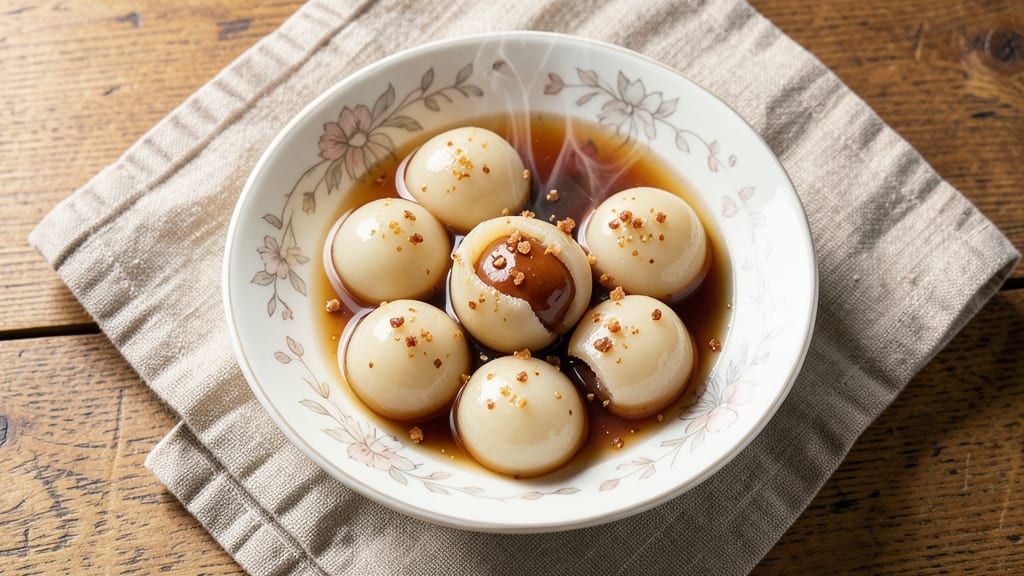
This sweet potato tang yuan recipe delivers chewy, gluten-free rice balls with a rich brown sugar filling that tastes like autumn in every bite. The secret lies in perfectly balanced glutinous rice dough—neither too sticky nor too firm—and a smooth sweet potato filling that stays cohesive while boiling.
I developed this version after years of testing, ensuring the texture holds up through cooking without falling apart.
The process begins with cooking and mashing sweet potatoes until silky smooth, then mixing them with brown sugar and a touch of oil to prevent sticking. Meanwhile, the dough gets its signature chewiness from proper hydration and resting time, which develops gluten-free elasticity.
Shaping the balls requires gentle hands to avoid air pockets, and the final boil transforms them into pillowy, translucent orbs.
What you’ll end up with is a dish that’s gluten-free yet satisfyingly substantial—ideal for celebrations or cozy weeknight desserts. The brown sugar filling caramelizes slightly during cooking, creating pockets of sweetness that contrast beautifully with the dough’s subtle chew.
Serve warm with coconut milk or sesame paste for extra richness, or drizzle with syrup for a restaurant-worthy finish.
This recipe works equally well for vegetarians (just omit any honey in the filling) and scales perfectly for gatherings. The key is patience—both in preparing the dough and letting the filling cool before shaping.
Trust the process, and you’ll have tang yuan that rivals any traditional version, with none of the gluten.
Ingredients for sweet potato tang yuan
Gluten-free rice flour, sweet potatoes, and brown sugar—this is your autumn dessert lineup.
| Ingredient | Amount | Notes |
|---|---|---|
| Glutinous Rice Flour 🍚 | 2 cups | Also called sweet rice flour |
| Sweet Potatoes 🍠 | 1 ½ lb | Orange-fleshed, peeled and boiled |
| Brown Sugar 🍯 | 1 cup | Packed, light or dark |
| Vegetable Oil 🫒 | 2 tbsp | For dough and filling |
| Water 💧 | 1 ½ cups | Room temperature preferred |
| Sesame Oil 🫒 | 1 tbsp | For dough elasticity |
| Salt 🧂 | ½ tsp | Fine sea salt |
| Coconut Milk 🥥 | ½ cup | Full-fat for serving |
| Sesame Seeds 🌰 | 2 tbsp | Toasted, for garnish |
| Sesame Paste 🍯 | 2 tbsp | For dipping sauce |
| Coconut Sugar 🍯 | 1 tbsp | Optional for dipping |
| Red Food Coloring 🎨 | ¼ tsp | Natural or gel-based |
| Cornstarch 🌾 | 2 tbsp | For dusting |
The glutinous rice flour is non-negotiable here—Bob's Red Mill or Lotus Foods brands work best. Sweet potatoes should be firm and vibrant orange; organic varieties from the produce section at Whole Foods or Trader Joe's stay moister during cooking. For the brown sugar, I always grab the light variety—it dissolves more smoothly into the filling. If you're making these for a crowd, double the dough ingredients and keep the filling separate until ready to shape.
No sesame oil? Avocado oil at half the amount works in a pinch, though it won't add that signature nutty depth. Want to skip the red coloring? Matcha powder at 1/4 tsp gives a subtle green tint instead. The coconut milk can be swapped for light coconut cream if you prefer a thicker texture. For the sesame paste, Kadoya brand from Asian markets is my go-to—it's smoother than the powdered versions. If your sweet potatoes turn out dry after boiling, mix in 1 tsp of oil directly into the filling to prevent cracking during boiling.
Store the uncooked dough wrapped in plastic for 3 days in the fridge or freeze for 3 months. The filling keeps 5 days in the fridge—just reheat gently before shaping. Cooked tang yuan reheat beautifully in a steamer or microwave with a damp paper towel. For make-ahead prep, boil the filled balls, then store in coconut milk in the fridge for up to 3 days. Freeze uncooked shaped balls on a tray first, then transfer to a bag for 2 months**—just drop straight into boiling water when ready.
Why You'll Love This Recipe
- No Fuss, No Mess: I swear by this recipe because it’s literally three bowls of ingredients and a pot of boiling water. The dough comes together in minutes—just mix the glutinous rice flour and water, roll it out thin, and you’re golden. (Yes, even if your hands are sticky or the kitchen is chaotic.)
- Caramel-Kissed Magic: That sweet potato filling—roasted until tender and tossed with brown sugar—turns into a gooey, warm center that’s dangerously addictive. The contrast of the chewy rice wrapper and the molten filling? Pure satisfaction every single time.
- Leftover Hero: These little dumplings reheat like a dream—just a quick boil or steam, and they’re back to their perfect texture. I make a whole batch on Sundays, store them in the fridge, and pull them out for snacks, potlucks, or lazy weeknights. (They’re also way cheaper than takeout.)
- Sweet for Everyone: Kids love the fun shape, adults adore the taste, and it’s a hit at celebrations or just because. No one will guess it’s basically a blank canvas—you can add sesame oil, cinnamon, or even a sprinkle of red bean for extra flair. Honestly, it’s my go-to for any occasion without the stress.
Step-by-step instructions for sweet potato tang yuan
Here's how to make these chewy, gluten-free sweet potato balls with perfect texture every time.
Prepare the Sweet Potato Filling
Boil the 1.5 lb sweet potatoes until fork-tender, about 20-25 minutes. Drain well and let cool completely before peeling. Mash them until completely smooth—no lumps at all. This ensures your filling will be silky and perfectly incorporated into the dough.
In a mixing bowl, combine the mashed sweet potatoes with the 1 cup brown sugar, 1 tbsp vegetable oil, and 0.25 tsp red food coloring. Mix thoroughly until fully blended. The mixture should be thick but still spreadable. If it's too dry, add 1-2 tsp water to help bind it. This filling is the heart of your tang yuan—get it just right now.
Make the Glutinous Rice Flour Dough
In a large bowl, whisk together the 2 cups glutinous rice flour, 0.5 tsp salt, and 1 tbsp sesame oil. Gradually add the 1.5 cups water while stirring with chopsticks or a fork until a shaggy dough forms. The dough should be slightly sticky but not wet—it should hold together when pressed between fingers.
Knead the dough on a lightly floured surface for 5-7 minutes until smooth and elastic. If it feels too dry, add 1 tsp water at a time; if too sticky, sprinkle 1 tsp cornstarch. Wrap the dough in plastic wrap and let it rest for 30 minutes at room temperature. This resting period relaxes the gluten and makes the dough easier to work with later.
Shape the Tang Yuan
Divide the rested dough into 16 equal pieces (about 1.5 oz each). Roll each piece into a 1-inch ball, then use your thumb to poke a hole in the center. Be gentle—you want a clean hole without tearing the dough. This hole is crucial for creating those signature hollow balls with room for the filling.
Fill each dough ball with about 1 tsp of the sweet potato mixture, then seal the hole by pinching the edges together. Roll the filled balls between your palms to smooth the surface. Place them on a plate dusted with 2 tbsp cornstarch to prevent sticking. The cornstarch also helps create that beautiful glossy finish when boiled.
Boil to Perfection
Bring a large pot of water to a gentle boil. Carefully add the filled tang yuan in batches—don't overcrowd the pot or they won't cook evenly. Stir gently once to prevent sticking. Cook for 12-15 minutes until they float to the surface and turn translucent.
Use a slotted spoon to transfer the cooked tang yuan to a plate. Let them cool for 5 minutes before serving. The exterior should be smooth and slightly chewy, while the interior remains tender with that sweet potato filling melting in your mouth. This is where all your preparation pays off—perfect texture and flavor in every bite.
Serve with Dipping Sauce
Heat the 0.5 cup coconut milk with the 2 tbsp sesame paste and 1 tbsp coconut sugar in a small saucepan over low heat until smooth. Stir in 1 tbsp toasted sesame seeds for texture. This sauce should be thick enough to coat the back of a spoon but still pourable.
Serve the sweet potato tang yuan warm with the sesame-coconut sauce for dipping. Garnish each ball with an extra sprinkle of sesame seeds for visual appeal and added crunch. The contrast of the chewy exterior with the creamy, sweet filling makes every bite unforgettable—this is why tang yuan is such a beloved dessert.
Pro Tips For Making Sweet Potato Tang Yuan
- Boil Sweet Potatoes Cold: Peel and chop your sweet potatoes before boiling—no waiting for them to soften in hot water. I learned this the hard way: pre-cutting means even cooking, and you won’t end up with a mushy center or undercooked edges. Just toss them in cold water, bring to a boil, then simmer until fork-tender.
- Knead Like Dough: Glutinous rice flour dough needs firm kneading—about 5-7 minutes—until it’s smooth and elastic. I used to skimp, and my tang yuan would either stick to the pan or fall apart when cooking. Work it like you’re making dumpling wrappers: press, fold, and stretch until it springs back.
- Skip the Overmixing: Once you add brown sugar to the filling, mix just enough to coat the sweet potato—no need to blend it into a paste. Overworking it turns the filling into a gluey mess that’ll make your tang yuan dense and chewy instead of light and pillowy. A few swirls are all you need.
- Pan Heat Matters: Use medium-low heat when cooking the tang yuan—high heat sears the outside too fast before the inside cooks through. I was skeptical until I tried it: gentle heat lets the filling set evenly, and you’ll get that perfect golden crust without burning the outside while the center stays soft. Patience here saves cleanup later.
Wine and beer pairings for this recipe
Sweet Potato Tang Yuan
These delicate rice balls pair beautifully with light, floral white wines that complement their sweet, earthy flavors. A Moscato d'Asti from Italy—with its honeyed notes and gentle effervescence—cuts through the richness of the brown sugar filling while enhancing the sweet potato's natural caramelized sweetness.
The wine's acidity also refreshes your palate between bites of the chewy dough. 🍷
Sesame-Inspired Sake
For a more traditional pairing, opt for a juni-sake (sweet sake) with a hint of sesame paste stirred in. The subtle nuttiness mirrors the sesame seeds in your dipping sauce, while the slight sweetness balances the tang yuan's caramelized filling.
Serve it chilled—just like you would a dessert wine—to enhance the dish's comforting, autumnal vibe.
Creamy Beer Pairings
If you prefer beer, a Belgian witbier like Stella Artois Wit works wonders. Its citrusy coriander notes and creamy texture contrast the sweet potato's earthiness, while the light carbonation cleanses your palate.
For a richer option, try a German Hefeweizen—its banana and clove undertones echo the warm spices in the brown sugar filling.
Coconut Milk Cocktail
For a non-alcoholic option, blend ½ cup coconut milk with 1 tbsp sesame paste, 1 tsp honey, and a splash of pineapple juice for a tropical twist.
Serve it chilled in small cups alongside your tang yuan. The creamy, nutty flavors mirror the dipping sauce while adding a refreshing contrast to the warm dessert. 🥥
Tea Pairings
Finish your meal with a jasmine green tea or pu-erh tea to balance the sweetness. The floral notes of jasmine tea complement the sesame and coconut, while the earthy depth of pu-erh enhances the sweet potato's natural flavors. Brew a light cup to avoid overpowering the dessert's delicate textures.
Nutrition facts
Frequently asked questions
Why does my sweet potato filling turn out too dry?
Sweet potato filling can dry out if the potatoes aren't mashed completely smooth or if the brown sugar draws too much moisture. Always mash until silky with no lumps, then add 1-2 tsp water if the mixture feels too dry. For extra insurance, mix in ½ tsp vegetable oil to help bind the filling while keeping it moist during boiling.
Can I make these tang yuan without sesame oil?
Yes, but the dough will lack that signature nutty aroma. Use 1 tbsp avocado oil or 1 tsp toasted sesame paste mixed with 1 tsp water as a substitute. For extra flavor, add ½ tsp toasted sesame seeds directly to the dough. The texture will still be chewy, but the aroma will be more subtle.
How do I fix dough that's too sticky?
Sticky dough happens when too much water is added. Sprinkle 1 tsp cornstarch at a time onto your work surface while kneading, and dust your hands lightly with more as needed. If the dough still feels too wet, let it rest uncovered for 10 minutes to absorb moisture before continuing. This prevents cracking when shaping.
Can I bake these instead of boiling?
Baking isn't recommended for traditional tang yuan—they need the moisture from boiling to create that signature translucent exterior. However, you can steam them for 15-20 minutes after shaping (without filling) to make a lighter version. For filled balls, boiling is essential to prevent the filling from leaking out during cooking.
What if my tang yuan crack during boiling?
Cracks usually mean the dough wasn't rested long enough or was overworked. Let the dough rest for the full 30 minutes before shaping, and handle it gently when filling. If cracks appear, don't worry—they're still delicious! Just serve them immediately with extra sauce to mask any exposed filling.