
Side Dishes
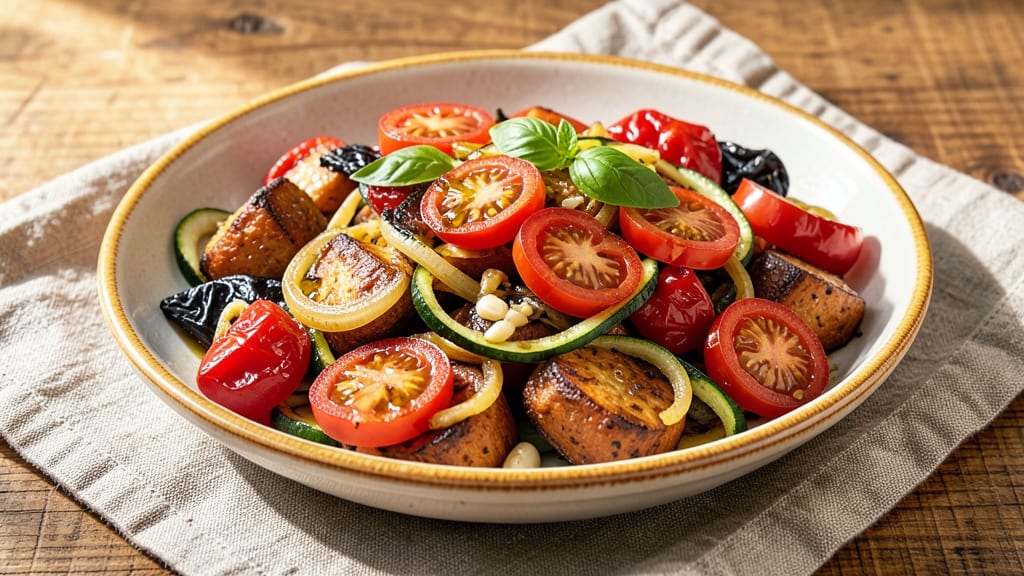
This sweet potato ratatouille recipe transforms classic Provençal flavors into a hearty vegetarian dish where roasted sweet potatoes meet smoky herbs in perfect harmony.
The secret lies in slow-roasting the sweet potatoes until tender and caramelized, then layering them with zucchini, bell peppers, and tomatoes in a confit-by-layer technique that infuses every bite with deep, earthy sweetness. This isn't just a side dish—it's a complete meal with bold flavors and satisfying texture.
What sets this recipe apart is the balance of techniques: roasting the sweet potatoes first concentrates their natural sugars, while sautéing the remaining vegetables preserves their vibrant colors and crisp edges. Fresh herbs like thyme and rosemary add aromatic depth, and a touch of garlic ensures the flavors sing.
The result is a dish that's rich, comforting, and packed with nutrients—perfect for a vegetarian main or a stunning side that steals the show.
By the time it's done simmering, you'll have a restaurant-quality ratatouille with layers of caramelized sweet potatoes, tender vegetables, and a fragrant herb-infused sauce. The sweetness of the potatoes pairs beautifully with the earthiness of the tomatoes and peppers, creating a harmonious blend that's both familiar and exciting.
Serve it warm with crusty bread or a sprinkle of goat cheese for an extra touch of elegance.
This recipe is incredibly versatile—add white beans for extra protein, stir in tofu for a meatier texture, or keep it as-is for a pure vegetarian delight. The beauty of ratatouille lies in its adaptability, so feel free to customize it to your taste.
Let's bring this dish to life with simple steps and professional results.
Ingredients for sweet potato ratatouille
Roasted sweet potatoes and vibrant vegetables create this restaurant-quality vegetarian ratatouille.
| Ingredient | Amount | Notes |
|---|---|---|
| Sweet Potatoes 🍠 | 2 lbs | Medium size, peeled and cubed |
| Zucchini 🥒 | 2 medium | Whole, sliced lengthwise thin |
| Red Bell Peppers 🍆 | 2 whole | Stripped of seeds and sliced |
| Roma Tomatoes 🍅 | 4 whole | Quartered, seeds removed |
| Yellow Onion 🧅 | 1 whole | Diced, medium size |
| Garlic Cloves 🧄 | 4 cloves | Minced, fresh preferred |
| Fresh Thyme 🌿 | ¼ cup | Leaves only, chopped fine |
| Fresh Rosemary 🌿 | ¼ cup | Needles only, finely chopped |
| Extra-Virgin Olive Oil 🫒 | ½ cup | High quality, fruity |
| Vegetable Broth 💧 | 1 ½ cups | Low sodium preferred |
| Salt 🧂 | 1 ½ tsp | Diamond Crystal kosher |
| Black Pepper 🌶️ | ½ tsp | Freshly ground preferred |
| Balsamic Vinegar 🍷 | 1 tbsp | For finishing touch |
The sweet potatoes are the foundation—look for firm, vibrant orange ones with smooth skin at Whole Foods or local farmers markets. Medium size works best as they roast evenly without turning mushy. For the bell peppers, red or yellow varieties add natural sweetness that pairs perfectly with the earthy sweet potatoes. If you can't find fresh thyme and rosemary, dried works at one-third the amount, but fresh gives that aromatic depth the dish deserves. The vegetable broth should be low-sodium—you're adding salt separately, and you want to control the flavor balance.
No fresh herbs? Dried thyme and rosemary are fine, but toast them briefly in a dry pan first to wake up their flavors. Substituting zucchini? Yellow squash works perfectly—just slice it the same way. For the tomatoes, Roma are ideal, but heirloom or vine-ripened will give you juicier results. Need to skip balsamic vinegar? Red wine vinegar at half the amount works in a pinch, though the flavor profile will be slightly different. The olive oil matters here—use something with fruity notes rather than a neutral oil, as it carries the herb flavors throughout the dish.
Roasted sweet potatoes keep well in the fridge for 5-6 days if stored properly—wrap tightly in foil to maintain moisture. Fresh herbs should be wrapped in damp paper towels and stored in a sealed container for up to 5 days. The finished ratatouille reheats beautifully; simply cover with foil and warm in a 350°F oven for 15-20 minutes. For meal prep, portion into individual containers—it reheats even better the next day as the flavors meld. Freeze portions for up to 3 months by layering with parchment paper between servings to prevent sticking.
Why You'll Love This Recipe
- Here’s what sold me: the natural sweetness of the roasted sweet potatoes pairs perfectly with the bright acidity of the Roma tomatoes and the earthy crunch of the bell peppers. Add a sprinkle of thyme or rosemary, and you’ve got a dish that’s rich but never heavy—like a hug in vegetable form.
- I’ll be real: this tastes like a fancy bistro dish, but the ingredients cost less than takeout. Sweet potatoes and zucchini stretch forever, and you can use whatever peppers are on sale. Plus, no fancy techniques—just chop, roast, and enjoy. That’s real value right there.
Step-by-step instructions for sweet potato ratatouille
This technique transforms humble root vegetables into a rich, layered dish with deep herbal notes and caramelized edges.
Roast the Sweet Potatoes and Vegetables
Preheat your oven to 400°F and line two baking sheets with parchment paper. Toss the 2 lbs cubed sweet potatoes with 2 tablespoons of the extra-virgin olive oil, 0.75 teaspoon salt, and 0.25 teaspoon black pepper. Spread them in a single layer on one baking sheet.
On the second sheet, arrange the 2 medium sliced zucchini, 2 sliced red bell peppers, and 4 quartered Roma tomatoes in separate mounds. Drizzle each with 1 tablespoon of the remaining olive oil, then sprinkle with the remaining 0.75 teaspoon salt and 0.25 teaspoon black pepper. Roast all vegetables for 25-30 minutes until the sweet potatoes are tender when pierced with a knife and the zucchini edges begin to brown.
Build the Herb Base
While the vegetables roast, heat 1 tablespoon of the remaining olive oil in a large Dutch oven over medium heat. Add the 1 diced yellow onion and cook for 5 minutes until softened and translucent. Stir in the 4 minced garlic cloves and cook for 30 seconds until fragrant—don't let it brown or it'll turn bitter.
Add the 0.25 cup finely chopped fresh thyme and 0.25 cup chopped fresh rosemary, stirring constantly for 1 minute until the herbs release their aromatic oils. This step develops the dish's signature smoky herbal profile that carries through the entire ratatouille.
Combine Roasted Vegetables with the Herb Base
Remove the roasted vegetables from the oven and transfer them to the Dutch oven with the herb mixture. Pour in the 1.5 cups vegetable broth and bring to a gentle simmer over medium-low heat. Stir occasionally for 10 minutes until the vegetables are heated through and the liquid reduces slightly, creating a saucy consistency.
Here's where the magic happens: The roasted vegetables release their concentrated flavors into the herb-infused broth, creating a harmonious blend of sweet, smoky, and earthy notes. The sweet potatoes should be fork-tender but still hold their shape—if they fall apart, reduce the simmering time next batch.
Finish with Balsamic and Rest
Remove the ratatouille from heat and stir in the 1 tablespoon balsamic vinegar. Let it sit covered for 5 minutes to allow the flavors to meld completely. The balsamic adds a subtle tang that cuts through the richness of the roasted vegetables and enhances the herbal notes.
Taste and adjust seasoning if needed—this is where you can truly refine the dish. The ratatouille should be vibrant with sweet potato sweetness, herbal depth, and a touch of acidity from the balsamic. Serve immediately while warm, allowing each component to shine in its perfect textural state—tender sweet potatoes, slightly charred zucchini, and glossy tomatoes.
Pro Tips For Making Sweet Potato Ratatouille
- Cut Sweet Potatoes Small: I learned this the hard way—big chunks stay undercooked or turn to mush. Dice them into ½-inch pieces (about the size of a dime) so they soften evenly without falling apart. If you’re impatient like me, you’ll be tempted to go bigger, but trust me, this makes all the difference in texture.
- Salt the Tomatoes First: My grandmother swore by this, and she was right: Toss halved Roma tomatoes with a pinch of salt and let them sit for 10 minutes before adding them to the pot. This draws out excess water so they caramelize instead of turning into a watery mess. (Yes, even if you’re in a rush.)
- Sear the Peppers and Onion: Don’t just toss them in—char those bell peppers and onions for 3-4 minutes over medium-high heat until they darken slightly. The smoky depth cuts through the sweetness of the sweet potatoes and adds complexity. Skip this, and you’ll end up with a bland, one-note dish.
- Deglaze with a Splash of Wine: After browning the veggies, splash in ¼ cup of dry white wine (or even a splash of broth) and let it bubble for 30 seconds. This lifts the stuck-on bits and adds brightness that balances the earthiness of the sweet potatoes. No wine? A splash of lemon juice works in a pinch.
Pro cooking tips for this dish
Roast for Caramelization
Sweet potatoes are the star here, and roasting them first is non-negotiable for that perfect caramelized texture. I always use a 400°F oven and spread them in a single layer—crowding them leads to uneven cooking.
The goal is tender but not mushy sweet potatoes with slightly crisp edges. Test with a knife: it should slide in easily but not fall apart. 🍠
Layer Vegetables Strategically
Arrange your roasted vegetables in this order: sweet potatoes first, then zucchini, bell peppers, and tomatoes on top. This creates a confit-by-layer effect where each vegetable absorbs the flavors of the one below it.
The zucchini should be slightly charred at the edges—this adds a smoky depth that balances the sweetness of the potatoes.
Herb Infusion Technique
Fresh herbs make all the difference, but the key is to toast them briefly in olive oil before adding them to the dish. I heat the oil to medium heat and stir constantly for 1 minute until the herbs release their aromatic oils.
This step intensifies their flavor and prevents them from turning bitter. 🌿
Simmer Gently for Depth
After combining everything, maintain a gentle simmer over medium-low heat—this is where the magic happens. The liquid should reduce slightly to create a saucy consistency, but never boil vigorously or the vegetables will turn mushy.
Stir occasionally to distribute the flavors evenly. The sweet potatoes should be fork-tender but still hold their shape.
Balsamic Finishing Touch
The balsamic vinegar isn't just for flavor—it's a balancing act. Stir in 1 tablespoon at the end to add a subtle tang that cuts through the richness of the roasted vegetables.
Let the ratatouille rest 5 minutes covered before serving. This allows the flavors to meld completely, resulting in a harmonious blend of sweet, smoky, and earthy notes. 🍷
Adjust Seasoning Like a Pro
Taste before serving and adjust seasoning if needed. The sweet potatoes might need a pinch more salt, or the dish could benefit from a squeeze of lemon juice to brighten the flavors.
Remember, ratatouille is all about balance—sweet, savory, and herbal notes should all shine equally. Trust your palate, and don't be afraid to make small adjustments. 💡
Nutrition facts
Frequently asked questions
Can I use regular potatoes instead of sweet potatoes?
While you can substitute regular potatoes, the flavor and texture will differ significantly. Sweet potatoes bring natural sweetness and a creamy, slightly fibrous texture that pairs beautifully with the herbs and tomatoes. Regular potatoes would make the dish heavier and less vibrant. If you must substitute, try purple potatoes for a similar earthy sweetness.
How do I prevent the sweet potatoes from turning mushy?
Roast them at 400°F in a single layer with plenty of space between pieces. Use a sharp knife to test doneness—they should be tender but still hold their shape. Overcrowding the pan or roasting too long will make them mushy. For extra insurance, parboil them for 5 minutes before roasting.
Can I make this ahead of time?
This dish actually tastes better the next day as the flavors meld. Store in an airtight container in the fridge for up to 4 days. Reheat gently in a skillet with a splash of water or broth to restore moisture. For freezing, portion into individual containers and freeze for up to 3 months—thaw overnight in the fridge.
What's the best way to serve this dish?
This hearty ratatouille works beautifully as a vegetarian main or side. Pair it with crusty sourdough bread to soak up the sauce, or serve over quinoa or couscous for extra substance. For a restaurant-worthy presentation, top with crumbled feta cheese or a dollop of Greek yogurt and fresh basil.
Why does my ratatouille taste bland?
This usually happens from under-seasoning or not letting flavors develop. Taste as you go and adjust with salt, pepper, or a splash of lemon juice to brighten the flavors. The key is to let the dish simmer uncovered for the last 5-10 minutes to reduce the liquid and concentrate the flavors. Fresh herbs are crucial—don't skip the toasting step in olive oil!