
Side Dishes
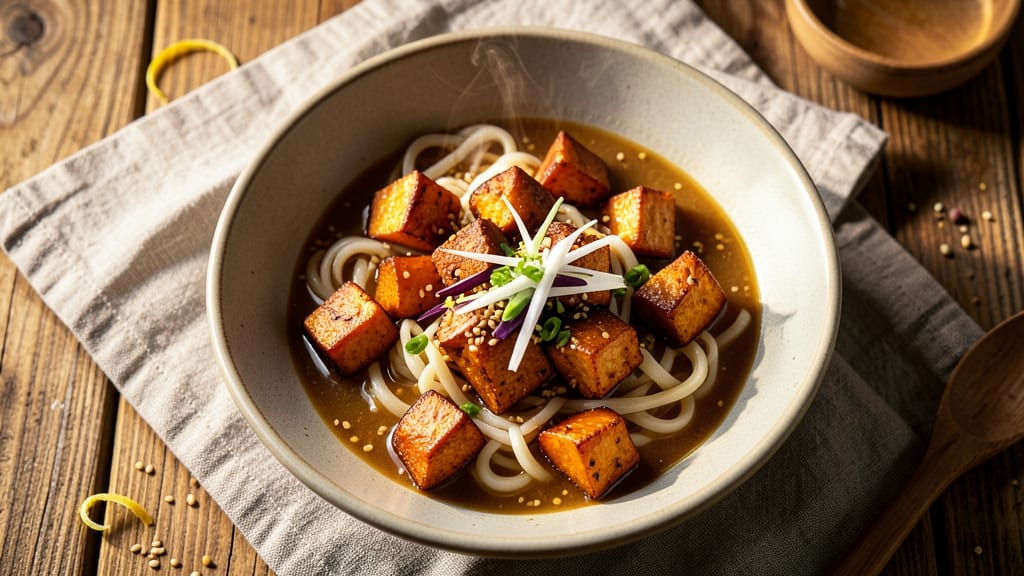
This sweet potato ramen recipe transforms a classic comfort dish into something deeply satisfying—where earthy roasted sweet potatoes meet umami-rich broth in perfect harmony.
The secret lies in slow-roasting the sweet potatoes until they caramelize into velvety sweetness, then blending them into the broth for a naturally sweet, savory depth that elevates every spoonful.
What makes this recipe stand out is how it balances traditional ramen techniques with modern simplicity, ensuring restaurant-quality results without hours of prep.
The broth is where the magic happens: a rich, velvety base built from slow-simmered aromatics, miso paste, and the roasted sweet potatoes, creating a complex flavor that’s both comforting and sophisticated.
Meanwhile, the sweet potatoes—roasted until tender and slightly crisp at the edges—add a natural sweetness that cuts through the broth’s depth. This isn’t just ramen; it’s a complete, hearty dish that feels indulgent yet balanced, with every bite delivering a perfect marriage of textures and flavors.
What you’ll end up with is a bowl that’s as visually appealing as it is delicious—golden noodles swimming in a glossy, umami-rich broth, topped with caramelized sweet potatoes, soft-boiled eggs, and fresh herbs for brightness.
The technique is straightforward but transformative: roast the sweet potatoes until they’re tender and sweet, blend them into the broth for depth, and assemble everything with care to create a dish that’s both comforting and impressive. This recipe proves that ramen can be a complete meal, not just a side.
Whether you’re serving it as a weeknight dinner or a weekend project, this sweet potato ramen delivers on flavor, texture, and satisfaction.
The broth stays rich and velvety even when reheated, and the sweet potatoes hold their shape beautifully, making it a dish that’s just as good the second time around. Ready to make ramen that feels like a hug in a bowl? Let’s get started.
Ingredients for sweet potato ramen
Roasted sweet potatoes and umami-rich broth create this restaurant-quality ramen experience.
| Ingredient | Amount | Notes |
|---|---|---|
| Sweet Potatoes 🍠 | 2 lb | Medium size, peeled and cubed |
| Ramen Noodles 🍜 | 2 packages | 8 oz each, any brand preferred |
| Chicken Broth 💧 | 4 cups | Low-sodium preferred for balance |
| White Miso Paste 🧈 | 3 tbsp | High-quality, unsweetened |
| Sesame Oil 🫒 | 1 tbsp | Toasted, for finishing |
| Fresh Ginger 🧄 | 2 tbsp | Finely grated, fresh is best |
| Garlic Cloves 🧄 | 6 cloves | Minced, for aromatic depth |
| Green Onions 🧅 | 3 whole | Sliced, for garnish |
| Large Eggs 🥚 | 4 whole | Soft-boiled, for topping |
| Sesame Seeds 🌾 | 1 tbsp | Toasted, for crunch |
| Soy Sauce 🥄 | 2 tbsp | For umami balance |
| Vegetable Oil 🫒 | 2 tbsp | For roasting sweet potatoes |
| Brown Sugar 🍚 | 1 tbsp | Optional, for extra sweetness |
| Salt 🧂 | 1 tsp | Kosher or sea salt |
| Black Pepper 🌶️ | ½ tsp | Freshly ground for heat |
The sweet potatoes are the foundation of this dish—medium-sized and firm work best for even roasting. Look for organic sweet potatoes at Whole Foods or your local farmers' market for deeper flavor, though conventional ones from Trader Joe's are perfectly fine. Roasting them until caramelized at the edges transforms their starches into natural sweetness, which blends seamlessly into the broth. Peeled and cubed evenly, they'll roast in 25-30 minutes at 400°F (200°C), so don't skip this step—it's what makes this ramen stand out. For extra depth, consider adding a pinch of cinnamon to the roasting tray.
No white miso? Red miso works too, though it'll add a slightly deeper color. Fresh ginger is non-negotiable here—dried ginger lacks the bright, zesty punch this dish needs. If you're short on time, grate the whole piece and store the rest in the freezer for up to 3 months. The ramen noodles can be any brand, but fresh or dried both work—just adjust cooking time accordingly. For the soft-boiled eggs, room temperature eggs peel more easily, and ice baths stop the cooking process perfectly. Sesame oil should be toasted, not the flavored kind—look for it in the Asian aisle at Costco or Walmart for the best value.
Roasted sweet potatoes keep for 5 days in the fridge, but their flavor peaks within 2-3 days. The miso paste should be stored in the refrigerator once opened and used within 6 months. For assembly, reheat the broth gently—never boil, or the miso will lose its complexity. Portion the noodles and toppings separately to keep everything hot and fresh. This dish reheats beautifully—add a splash of water to the broth to restore its velvety texture. Freeze the broth in ice cube trays for quick future meals, and store the noodles separately for up to 1 month in the freezer.
Why You'll Love This Recipe
- No-Fuss Roast Prep: I’ll admit, I used to dread peeling sweet potatoes—until I realized roasting them whole in the oven with the broth makes them tender in 45 minutes. Toss in a few slashes with a knife, throw them on a sheet pan, and let the oven do the work while you prep the rest.
- Umami Magic: That white miso paste and sesame oil combo? It’s the secret weapon here. The miso deepens the broth into something rich and savory, while the oil adds a nutty, toasty finish that makes every slurp feel like a little reward. Honestly, I’ve made ramen before, but this version tastes like it belongs in a proper Japanese restaurant.
- Weeknight Wonder: Between us, this is my go-to when I need something hearty but don’t want to slave over it. The noodles cook in minutes, the sweet potatoes roast alongside, and the broth simmers while I chop a handful of greens for the top. It’s the kind of meal that feels fancy but takes less time than deciding what to order for takeout.
- Budget-Friendly Leftovers: I make a double batch on Sundays because the flavors only get better the next day. The sweet potatoes stay tender, the broth reduces into a deeper, more concentrated taste, and the noodles reheat like a dream. Plus, it’s way cheaper than takeout—and way more satisfying when you’re craving something warm and filling.
Step-by-step instructions for sweet potato ramen
Transform simple ingredients into a restaurant-quality bowl with this umami-rich, sweet potato-infused ramen.
Roast Sweet Potatoes for Natural Sweetness
Preheat your oven to 400°F and line a baking sheet with parchment paper. Toss the 2 lb sweet potatoes (peeled and cubed into 1-inch pieces) with 2 tbsp vegetable oil, 1 tbsp brown sugar, 1 tsp salt, and 0.5 tsp black pepper. Spread them in a single layer—they need room to crisp.
Roast for 25-30 minutes, stirring once halfway through, until the edges are deep golden brown and the cubes are tender when pierced with a fork. The caramelization from the oven will deepen the sweetness in your broth. Remove and set aside—you'll use these later for both flavor and texture.
Build the Umami-Packed Broth
In a large pot, combine the 4 cups chicken broth, 3 tbsp white miso paste, 2 tbsp soy sauce, 2 tbsp finely grated fresh ginger, and 6 minced garlic cloves. Bring to a gentle simmer over medium heat, then reduce to a low boil and let it cook uncovered for 10 minutes to allow the miso to fully dissolve and the aromatics to infuse.
Add the roasted sweet potatoes to the simmering broth and cook for another 10 minutes. The potatoes will soften further and release their sweetness into the liquid, creating a naturally sweetened, umami-rich base. Strain the broth through a fine-mesh sieve into a clean pot, pressing gently on the solids to extract maximum flavor. Discard the solids or save for another use.
Prepare the Soft-Boiled Eggs
Fill a small saucepan with enough water to cover the 4 large eggs by about 1 inch. Bring to a gentle simmer over medium-low heat. Once the water reaches a steady simmer (not a rolling boil), carefully lower the eggs in using a slotted spoon. Cook for exactly 6 minutes—this ensures a perfectly runny yolk and firm white.
Immediately transfer the eggs to an ice bath for 5 minutes to stop the cooking process. The shock of cold water will set the whites while keeping the yolks liquid. Peel the eggs under cool running water for easier removal of the shells. Keep them warm until ready to serve—this step is crucial for that signature ramen egg texture.
Assemble the Perfect Bowl
Cook the 2 packages ramen noodles (discard the seasoning packets) in boiling water for 2 minutes less than package instructions for al dente texture. Drain and divide among four deep bowls. Ladle the hot sweet potato broth over the noodles, coating them completely. The broth should be hot enough to soften the noodles further while maintaining their bite.
Top each bowl with two soft-boiled eggs, sliced green onions, and a drizzle of 1 tbsp sesame oil. Finish with a sprinkle of 1 tbsp toasted sesame seeds for crunch and visual appeal. The contrast between the silky broth, chewy noodles, creamy eggs, and crispy sweet potatoes creates a harmonious balance of textures and flavors in every bite.
Pro Tips For Making Sweet Potato Ramen
- CHAR THE SWEET POTATOES: Cut them into even ½-inch slices—thicker pieces stay tough, and thinner ones burn before they soften. I learned this the hard way when my first batch turned to mush on the edges while staying raw inside.
- DON’T BOIL THE NOODLES DRY: Cook ramen noodles just until they’re tender but still have a slight bite—about 2 minutes less than package instructions. Overcooked noodles turn to mush in broth, and you’ll regret it when your ramen loses texture.
- SALT THE BROTH FIRST: Add a generous pinch of salt to the chicken broth before mixing in the miso—this balances the umami and prevents the dish from tasting flat. I used to skip this, and the broth always felt underseasoned, no matter how much miso I added.
- SAUTÉ THE MISO LOW: Warm the white miso paste in the broth on low heat—high heat burns it, turning it bitter. Stir in just until dissolved, then remove from direct heat to keep the paste’s depth intact. (Yes, even if you’re impatient like me.)
Pro cooking tips for this recipe
Sweet Potato Roasting Mastery
Roast sweet potatoes at 400°F for 25-30 minutes until caramelized at the edges—this unlocks their natural sweetness. Use 1-inch cubes for even cooking and toss them with 2 tbsp vegetable oil and 1 tbsp brown sugar before roasting. Stir halfway to prevent sticking and ensure crispy edges. 🍠
The key is patience: under-roasted potatoes release less sweetness into the broth. For extra depth, add a pinch of cinnamon to the roasting tray. Store roasted potatoes in an airtight container for up to 5 days—their flavor actually improves as they sit.
Broth Perfection
Simmer the broth at a gentle boil to dissolve miso paste fully—never boil vigorously, or it’ll turn bitter. Add roasted sweet potatoes last and cook for 10 minutes to infuse their sweetness.
Strain through a fine-mesh sieve to remove solids while preserving flavor. For extra richness, whisk in 1 tbsp sesame oil at the end. 💛
If your broth tastes too salty, balance it with 1 tsp honey or 1 tbsp coconut aminos. The sweet potatoes should soften completely, blending seamlessly into the broth’s umami depth. Taste and adjust seasoning before serving—this is where the magic happens.
Egg Texture Secrets
Soft-boil eggs for exactly 6 minutes in simmering (not boiling) water for a runny yolk and firm white. Use room-temperature eggs—they peel easier and cook more evenly. Immediately shock them in an ice bath for 5 minutes to set the whites while keeping yolks liquid. 🥚
Peel eggs under cool running water to prevent sticking. Keep them warm in a bowl of lukewarm water until serving. For extra flair, drizzle with 1 tsp sesame oil before slicing—this enhances their natural richness.
Noodle Timing Tricks
Cook noodles 2 minutes less than package instructions for an al dente bite. Drain and rinse briefly with cold water to stop cooking, then divide among bowls. Ladle hot broth over noodles to soften them further—this creates the perfect chewy texture. 🍜
For extra flavor, toss cooked noodles with 1 tsp toasted sesame oil before assembling. This step elevates the dish from homemade to restaurant-quality without extra effort.
Plating Like a Pro
Arrange noodles in the bowl first, then ladle broth over them—this prevents sogginess. Top with sliced green onions, sesame seeds, and soft-boiled eggs for color contrast. Drizzle with sesame oil and a sprinkle of black pepper for finishing flair. 💫
Serve immediately with chopsticks and a small bowl of soy sauce on the side. The visual contrast of golden broth, creamy eggs, and crispy sweet potatoes makes every bite irresistible.
Nutrition facts
Frequently asked questions
Can I make this sweet potato ramen vegetarian?
Replace the chicken broth with 4 cups vegetable broth and add 1 tbsp soy sauce or 1 tbsp tamari for extra umami. For deeper flavor, stir in 1 tbsp nutritional yeast when building the broth. The roasted sweet potatoes will still provide natural sweetness while keeping the dish hearty and satisfying.
How do I store leftovers?
Store the broth and noodles separately in airtight containers in the fridge for up to 3 days. Reheat the broth gently (never boil) and add a splash of water to restore its velvety texture. Keep the soft-boiled eggs separate and reheat them in warm water for 1 minute before serving. The roasted sweet potatoes can be stored in the broth for up to 5 days—their flavor actually deepens over time.
Can I use instant ramen noodles?
Yes, but discard the seasoning packet—the recipe already balances sweet and savory flavors. For extra richness, toss cooked noodles with 1 tsp toasted sesame oil before assembling. Fresh or dried noodles work best for texture, but instant noodles are a convenient shortcut. Just cook them 2 minutes less than package instructions for al dente results.
What if my broth tastes too salty?
Balance the saltiness by adding 1 tsp honey or 1 tbsp coconut aminos to the broth. The natural sweetness of the roasted sweet potatoes will also help mellow the flavor. If needed, dilute slightly with 2 tbsp hot water, but taste first—this dish thrives on umami depth.
Can I make this ahead of time?
Prep the broth and roasted sweet potatoes up to 2 days ahead—store them separately in the fridge. Cook the noodles fresh and assemble bowls just before serving. For the eggs, soft-boil them up to 1 day ahead, store them in the fridge, and reheat in warm water for 1 minute before slicing. This keeps the texture perfect while saving time.