
Side Dishes
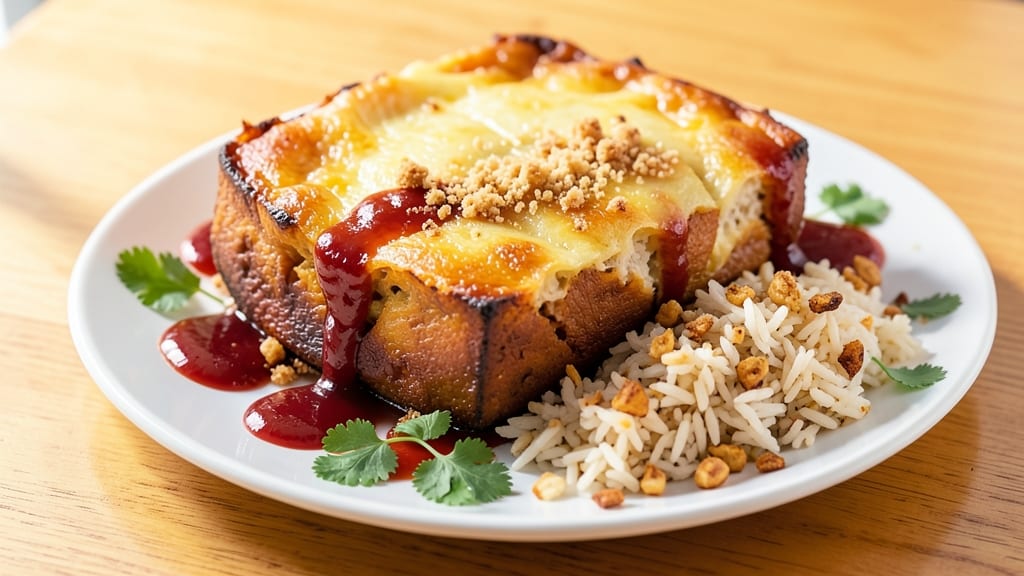
This Filipino sweet potato pinoy recipe transforms humble kamote into a showstopper with a crispy lattice top and rich garlic-soy glaze—perfect for family gatherings or special occasions. 💛 The secret lies in the golden crust that crackles with every bite, balanced by the savory-sweet glaze that makes it irresistible.
I first made this during Christmas when my lola insisted on serving something "special," and it became an instant favorite.
What sets this apart is the lattice technique, inspired by traditional Filipino pastries like ensaymada, which creates a delicate yet sturdy crust. The sweet potatoes stay tender inside while the top becomes beautifully crispy, and the garlic-soy glaze adds depth that pairs perfectly with rice or atchara.
It’s the kind of dish that feels festive yet simple enough for weeknight dinners.
By the time you serve it, you’ll have a dish that’s crispy on top, tender inside, and bursting with flavor—exactly how Filipino comfort food should taste.
The aroma alone will have everyone at the table asking for seconds, and the presentation makes it feel like a restaurant-quality meal without the fuss.
Serve it alongside steamed rice and a tangy side salad for a complete Filipino feast. Let’s get cooking!
Ingredients for sweet potato pinoy
Sweet potatoes, golden crust, and a glaze that'll make your kitchen smell like Filipino home cooking magic.
| Ingredient | Amount | Notes |
|---|---|---|
| Large Sweet Potatoes 🍠 | 3 whole | Medium-sized, peeled and cubed |
| All-Purpose Flour 🌾 | 2 cups | For lattice crust |
| Unsalted Butter 🧈 | ½ cup | Melted for crust |
| Large Eggs 🥚 | 3 whole | Beaten for lattice binding |
| Granulated Sugar 🍚 | ¼ cup | For crust sweetness |
| Baking Powder 🍞 | 1 tbsp | For lattice fluffiness |
| Salt 🧂 | ½ tsp | Diamond Crystal preferred |
| Garlic Cloves 🧄 | 6 cloves | Minced for glaze |
| Soy Sauce 🍶 | ½ cup | For savory glaze |
| Brown Sugar 🍚 | ¼ cup | Packed for glaze |
| Vegetable Oil 🫒 | 2 tbsp | For greasing pan |
| Ground Black Pepper 🌶️ | ¼ tsp | Freshly ground |
| White Vinegar 🍶 | 1 tbsp | For glaze tang |
The sweet potatoes are the heart of this dish—look for firm, vibrant orange ones at the grocery store, not those with soft spots. Filipino markets often carry the best varieties, but regular supermarkets work too. Peeled and cubed, they'll stay tender while the lattice crust gets crispy. For the crust, King Arthur flour is my go-to—it gives that perfect balance of crispiness and tenderness. If you can't find it, any all-purpose flour will work, but don't use cake flour. The butter matters here too—use full-fat, unsalted for that rich flavor in the crust.
No soy sauce? Coconut aminos or tamari will work in a pinch, though the flavor won't be identical. Short on brown sugar? White sugar plus a pinch of cinnamon gets you close. The garlic can be pre-minced from a jar if you're in a hurry, but freshly minced has way more flavor. For the lattice, if you're nervous about cutting perfect strips, use a pizza cutter—it makes clean, even strips every time. The vinegar is key for that perfect balance of sweet and tangy in the glaze, so don't skip it unless you've got another acidic ingredient like lemon juice.
This keeps beautifully for 3 days in the fridge, wrapped tightly in foil to maintain that crispy crust. Reheat in a 350°F oven for 15 minutes—just enough to warm through without making it soggy. For serving, I always slice it into wedges so everyone can grab a piece easily. The glaze thickens as it cools, so you might want to add a splash of water if it seems too stiff when reheating. Leftovers? Freeze for up to 2 months—just thaw overnight in the fridge before reheating.
Why You'll Love This Recipe
- One-Bowl Wonder: I swear by this recipe when I’m too tired to do dishes—just mix, bake, and boom, done. The flour and butter create that perfect buttery crust while keeping the inside tender, and honestly? No measuring cups needed beyond the basics.
- Sweet & Savory Magic: That caramelized sugar crust? Chef’s kiss. It’s like a cross between a cake and a casserole—rich, slightly crispy, and just sweet enough to satisfy a dessert craving without being cloying. The eggs bind it all together so it holds up like a dream.
- Weeknight Workhorse: Between us, this feeds my whole family (plus a few neighbors) and still costs less than takeout. I make a double batch on Sundays—some goes straight to the table, and the rest gets reheated for lunch. Zero fuss, maximum comfort.
- Budget-Friendly Staple: Sweet potatoes are my go-to cheap veggie, and this recipe stretches them into something special. Butter and sugar are pantry basics, so I never feel like I’m breaking the bank. Plus, leftovers? They’re even better the next day—crispier edges, same creamy center.
Step-by-step instructions for sweet potato pinoy recipe
Here's how to create that perfect balance of crispy lattice crust and rich, savory-sweet filling.
🍳 Step 1: Prepare the Sweet Potato Filling
Preheat your oven to 375°F. In a large bowl, combine the 3 whole Large Sweet Potatoes (peeled and cubed) with 2 tablespoons vegetable oil, 0.25 cup brown sugar, 0.5 tsp salt, and 0.25 tsp ground black pepper. Toss until the sweet potatoes are evenly coated in the mixture.
Spread the sweet potato mixture evenly in a single layer on a parchment-lined baking sheet. Roast for 25-30 minutes until the sweet potatoes are tender and slightly caramelized at the edges. You'll know they're done when they easily pierce with a fork and have a golden hue. Let them cool for 10 minutes before handling—they'll be hot!
👨🍳 Step 2: Make the Lattice Crust Dough
In a large mixing bowl, whisk together the 2 cups all-purpose flour, 0.25 cup granulated sugar, 1 tbsp baking powder, and 0.5 tsp salt until combined. In a separate bowl, beat the 3 whole Large Eggs until frothy, then mix in the 0.5 cup melted unsalted butter.
Gradually pour the wet ingredients into the dry ingredients, mixing just until combined. The dough should be soft but not sticky. If it seems too dry, add 1-2 teaspoons of water. Here's the thing—this dough needs to be cool when you work with it, so if your kitchen is warm, chill it for 15 minutes before shaping.
🥘 Step 3: Assemble the Lattice Top
Grease a 9x13-inch baking dish with 1 tablespoon vegetable oil. Transfer the cooled sweet potatoes to the prepared dish and spread them evenly. Roll out the dough on a lightly floured surface to about 1/8-inch thickness.
Cut the dough into strips about 1-inch wide. Here's where it gets fun—weave the strips in a lattice pattern over the sweet potatoes, leaving a 1-inch border around the edges. Brush the lattice with a little beaten egg to help it crisp up. The key is to keep the strips parallel and evenly spaced for that classic look.
🔥 Step 4: Bake Until Golden and Crispy
Bake the assembled dish at 375°F for 30-35 minutes until the lattice top is deep golden brown and crispy. The filling should be bubbling hot and the crust should pull away from the edges slightly when you lift it.
I know it's tempting to check early, but resist! The lattice needs time to crisp up properly. If it browns too quickly, tent it loosely with foil for the last 10 minutes of baking to prevent over-browning. The filling should be tender and the crust should have that satisfying crunch.
🍽️ Step 5: Make the Garlic-Soy Glaze
While the dish bakes, make the glaze by mincing the 6 cloves garlic cloves and sautéing them in 1 tablespoon vegetable oil over medium heat for 1 minute until fragrant. Add the 0.5 cup soy sauce and 1 tbsp white vinegar, then simmer for 2-3 minutes until slightly thickened.
Remove from heat and stir in the 0.25 cup brown sugar until dissolved. This glaze should be sticky but not syrupy. Pour it over the baked sweet potato lattice just before serving. The glaze will caramelize slightly from the residual heat, adding that perfect sweet-savory contrast to the crispy crust.
Pro Tips For Making Sweet Potato Pinoy
- Boil Until Fork-Tender: Sweet potatoes for this recipe need to be soft enough to mash but not falling apart. I learned this the hard way—undercooked chunks make the batter lumpy and the final texture uneven. Test with a fork after 20-25 minutes; it should slide in like butter. Overboiling turns them mushy, so keep an eye on them.
- Peel While Warm: Skip the cold peel struggle. Sweet potatoes shrink when cooled, making peeling harder and wasting more flesh. Peel them right after boiling while they’re still warm—it’s faster and cleaner. A paring knife works best; don’t rush or you’ll nick yourself (or the potato).
- Whisk Eggs Cold: Room-temperature eggs blend better, but cold ones create smoother batters. Crack them into a bowl, add a pinch of salt, and whisk vigorously—this cuts down on lumps later. I used to warm them up, but the batter ended up grainy. Cold eggs, cold butter (cut into small cubes), and a quick whisk make all the difference.
- Fry in Batches: Crowding the pan steals heat and makes the fritters greasy. Use a 12-inch skillet and fry 2-3 pieces at a time over medium heat. The oil should sizzle but not smoke—if it’s too hot, the outside burns before the inside cooks. A splatter screen helps, but don’t skimp on oil; ¼ inch is the sweet spot for crispy, not soggy, results.
Essential equipment for this recipe
Must-Have Baking Tools
You’ll need a 9x13-inch baking dish—I use Wilton’s nonstick version because it prevents sticking and makes cleanup a breeze.
A rolling pin (like OXO Good Grips) is essential for rolling out the lattice dough evenly, and a sharp chef’s knife (I love Mercer Culinary) helps cut clean strips for that perfect lattice pattern.
Don’t skip a pizza cutter—it’s a game-changer for making even strips without the hassle. 🔪
Essential Mixing Gear
A large mixing bowl (at least 5-quart capacity) holds all the dough comfortably, and a whisk (preferably stainless steel) ensures your dry ingredients blend smoothly. For measuring, a set of nested measuring cups (like Pyrex) and a spoon rest (to keep your counters clean) are lifesavers.
A pastry brush (I prefer silicon-tipped) helps coat the lattice with egg wash for that golden finish. 🎨
Filipino Kitchen Staples
While not all are mandatory, a mortar and pestle comes in handy for mincing garlic if you prefer fresh over jarred. A small saucepan (for the glaze) should have sloped sides to prevent spills, and a wooden spoon helps stir without scratching.
For serving, individual plates or a large platter (like Corelle) keeps the lattice intact when slicing into wedges. Trust me, these tools make the process feel like home cooking. 🏡
Budget-Friendly Swaps
No fancy tools? A spatula works for spreading sweet potatoes, and a fork can replace a whisk for mixing dough (just be patient). For cutting lattice strips, scissors or even a serrated knife do the trick.
A small pot with a lid can double as a saucepan for the glaze. The key is adaptability—Filipino cooking is all about making do with what you’ve got while keeping the flavors authentic. 💪
Pro Tips for Perfect Results
Invest in a digital kitchen scale (like OXO’s) for precise dough measurements—it’s worth it for consistent texture. A thermometer (I use Thermoworks) ensures your oven hits 375°F accurately, which is critical for that crispy lattice.
For reheating leftovers, a toaster oven (set to 350°F) keeps the crust crispy without drying out the filling. Small upgrades like these make a big difference in the final dish. ✨
Nutrition facts
Frequently asked questions
Can I use regular potatoes instead of sweet potatoes?
No, sweet potatoes are essential for this recipe! Their natural sweetness and moist texture create the perfect balance with the savory glaze. Regular potatoes would make the dish too starchy and less flavorful. If you're out of sweet potatoes, try yams as a close substitute, but they'll have a slightly different texture.
How do I make the lattice pattern look perfect?
Use a pizza cutter for clean, even strips! Start by cutting the dough into strips about 1-inch wide, then weave them in a checkerboard pattern over the sweet potatoes. Leave a 1-inch border around the edges, and brush each strip with beaten egg before baking for extra crispiness. Watch a YouTube tutorial if you're new to lattice techniques!
Can I prepare this ahead of time?
The lattice crust stays crispy for 3 days in the fridge when wrapped tightly in foil. For longer storage, freeze the assembled (but unbaked) dish for up to 2 months. Bake from frozen, adding 10-15 extra minutes to the cooking time. Reheat in a 350°F oven for 15 minutes to restore crispiness.
What's the best way to serve this dish?
Slice into wedges for easy serving! Pair with steamed white rice and a tangy side like atchara or a simple green salad. For extra Filipino flair, add a scoop of ube halaya (purple yam jam) on the side. The glaze makes it great for sharing—just arrange the wedges on a platter with toothpicks for easy grabbing.
Why did my lattice turn out soggy?
Most likely, the sweet potatoes weren't fully cooled before assembling! Make sure they're completely room temperature (not warm) before adding the lattice. Also, avoid overmixing the dough—just combine until crumbly. If the crust still seems undercooked, broil for 2-3 minutes at the end for extra crispiness.