
Side Dishes
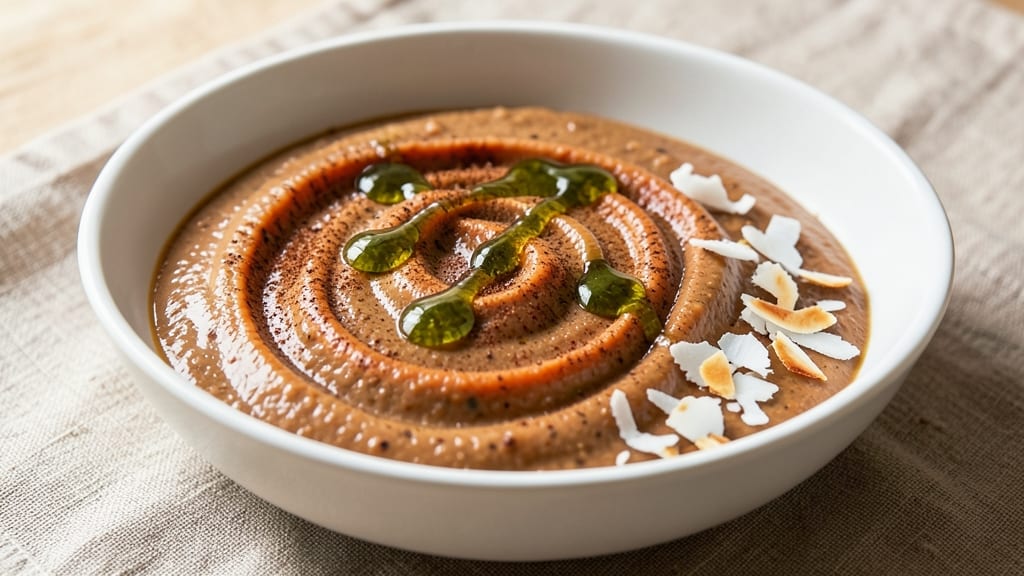
This sweet potato peanut butter recipe transforms humble ingredients into a rich, satisfying dish that’s perfect for vegans and anyone craving comfort food. 💛 The secret lies in roasting sweet potatoes until caramelized and creamy, then blending them with peanut butter for a texture that’s both hearty and velvety—no refined sugar needed.
I developed this after realizing how often sweet potatoes and peanut butter pair beautifully, but most recipes either overcomplicate or underdeliver on flavor.
The magic happens in the roasting, where high heat brings out the sweet potatoes’ natural sugars, creating a deep caramelized depth that pairs perfectly with the nutty richness of peanut butter.
This isn’t just a side dish—it’s a complete meal when topped with toasted coconut flakes or a drizzle of maple syrup. The recipe is simple, with just six core ingredients, but the result is restaurant-quality without the fuss.
What you’ll end up with is a dish that’s naturally sweet, protein-packed, and satisfyingly hearty—ideal for breakfast bowls, lunch wraps, or even a dessert when sweetened with dates.
The peanut butter adds creaminess while keeping it plant-based, and the roasted sweet potatoes deliver that unmistakable caramelized flavor that makes this dish unforgettable. Ready to make it?
This recipe works as a standalone dish or a side, and it’s versatile enough to adapt to your taste—add cinnamon for warmth, chili flakes for a kick, or extra peanut butter for richness. Let’s get started!
Ingredients for sweet potato peanut butter
Six ingredients create this velvety sweet potato peanut butter masterpiece—naturally sweet, protein-rich, and perfect for any meal.
| Ingredient | Amount | Notes |
|---|---|---|
| Medium Sweet Potatoes 🍠 | 2 whole | Organic preferred, skin-on for texture |
| Natural Peanut Butter 🥜 | ½ cup | Creamy, unsweetened, no additives |
| Extra-Virgin Olive Oil 🫒 | 1 tbsp | For roasting, high smoke point |
| Pure Maple Syrup 🍯 | 1 tbsp | Grade B for richer flavor |
| Ground Cinnamon 🌿 | ½ tsp | Ceylon preferred for delicate flavor |
| Unsweetened Coconut Flakes 🥥 | ¼ cup | Toasted for enhanced aroma |
| Sea Salt 🧂 | ¼ tsp | Diamond Crystal preferred |
| Fresh Lime Juice 🍋 | 1 tbsp | Brightens overall flavor |
| Filtered Water 💧 | ¼ cup | For blending consistency |
Sweet potatoes are the foundation—look for firm, vibrant orange ones at Whole Foods or Trader Joe's, where they're often pre-washed and ready to roast. Organic varieties have deeper flavor and thinner skins, though conventional works fine. The peanut butter should be 100% peanuts with no additives—brands like Smucker's Natural or 365 by Whole Foods are reliable choices. For the coconut flakes, unsweetened is essential—sweetened versions will throw off the natural sweetness balance. Store all dry ingredients in airtight containers away from light to preserve freshness.
No natural peanut butter? Smooth peanut butter works but may need extra water when blending. Substitute maple syrup with agave nectar at 1:1 ratio, though maple's caramel notes are ideal. For cinnamon, Mexican cinnamon has warmer undertones than Ceylon. The lime juice can be omitted if you prefer a sweeter profile, but it's worth the bright contrast. If you're making this ahead, roast the sweet potatoes first and store them in the fridge for up to 3 days before blending—this actually enhances their sweetness.
Roasted sweet potatoes keep 4-5 days in the fridge once blended into the mixture, though texture softens over time. For longer storage, portion into silicone molds or ice cube trays and freeze for up to 3 months. The coconut flakes should be toasted fresh before serving—5 minutes in a dry pan over medium heat brings out their nutty aroma. This dish reheats beautifully—microwave 30 seconds per serving or warm gently in a saucepan with a splash of water to restore creaminess. Leftovers make excellent breakfast bowls or dessert toppings.
Why You'll Love This Recipe
- Five-Ingredient Magic: I swear by this lineup—sweet potatoes roast until caramelized, peanut butter adds that rich, nutty punch, and just a drizzle of maple syrup ties it all together. No fancy techniques, just pure flavor.
- Craving in Every Bite: That perfect balance of earthy sweet potato and creamy peanut butter? It’s like dessert and dinner had a baby. The cinnamon? Oh, it’s the secret weapon—warm, cozy, and impossible to resist.
- Lunchbox Legend: Between us, this is my go-to for meal prep. Roast a big batch of sweet potatoes on Sunday, toss them with peanut butter and a touch of olive oil, and they’re ready to grab for breakfast, snacks, or even a quick lunch. (Yes, even on a Tuesday night.)
- Budget-Friendly Powerhouse: Sweet potatoes are cheap, peanut butter lasts forever, and a little maple syrup stretches far. I’ve made this for under $2 per serving, and it’s still the most satisfying thing on my table. Leftovers? They’re the best kind—no one complains.
Step-by-step instructions for roasted sweet potato peanut butter
Transform simple ingredients into a velvety sweet potato peanut butter with perfect texture and depth.
🔥 Step 1: Roast Sweet Potatoes Until Caramelized
Preheat your oven to 400°F and line a baking sheet with parchment paper. Pierce the 2 whole medium sweet potatoes with a fork in several places to release steam, then rub them lightly with the 1 tablespoon extra-virgin olive oil to promote browning. Arrange them on the baking sheet, skin-side up.
Roast for 45-50 minutes until the sweet potatoes are tender when pierced with a knife and the skin is deep golden brown with caramelized spots. Rotate the pan halfway through for even cooking. The sweet potatoes should smell intensely sweet and nutty—this is your cue they're ready. Let them cool completely before handling, about 15 minutes.
👨🍳 Step 2: Peel and Prepare Sweet Potato Flesh
Once cooled, peel the sweet potatoes using a sharp knife, removing all skin and any fibrous strings. Transfer the peeled flesh to a cutting board and chop it into ½-inch chunks. You should have about 2 cups of sweet potato flesh—this will form the base of our blend. Place the chunks in a high-powered blender or food processor.
Here's the thing—don't skip peeling. The skin can make the texture gritty, and we're aiming for that ultra-smooth, restaurant-quality consistency. If you're using organic sweet potatoes, you can leave the skin on for added fiber, but for this recipe, we want pure, velvety texture.
🥘 Step 3: Blend with Peanut Butter and Sweetener
Add the ½ cup natural peanut butter, 1 tablespoon pure maple syrup, and ½ teaspoon ground cinnamon to the blender with the sweet potato chunks. Blend on medium speed for 1-2 minutes, stopping to scrape down the sides with a spatula as needed. You'll notice the mixture initially looks chunky, but it will gradually begin to smooth out.
This is where patience pays off. The peanut butter needs time to emulsify with the sweet potato's natural moisture. If your blender struggles, add 1-2 tablespoons of filtered water to help the blending process along. The goal is a thick, creamy paste that coats the back of a spoon.
🍳 Step 4: Finish with Lime and Coconut for Brightness
Once you have a smooth base, add the 1 tablespoon fresh lime juice and ¼ cup unsweetened coconut flakes to the blender. Pulse just until the coconut flakes are roughly chopped and distributed—don't over-blend or they'll turn to dust. Taste the mixture and adjust seasoning with the ¼ teaspoon sea salt if needed. The balance should be sweet, nutty, and slightly tangy from the lime.
Real talk: the lime juice is non-negotiable. It cuts through the richness of the peanut butter and sweet potatoes, giving this spread a bright, restaurant-quality finish. If you're using toasted coconut flakes, you'll get even more depth of flavor—don't skip the toasting step if your ingredients allow.
⏰ Step 5: Rest and Serve for Perfect Texture
Transfer the peanut butter mixture to a serving bowl and let it rest at room temperature for 15-20 minutes. This resting period allows the flavors to meld completely and the texture to thicken slightly. The final consistency should be smooth yet spreadable, with visible coconut flake specks throughout.
Serve immediately or store in an airtight container in the refrigerator for up to 5 days. For best results, bring to room temperature before serving again. This peanut butter pairs beautifully with whole-grain toast, apple slices, or even as a dip for fresh fruit. The texture should be luscious and cohesive—if it's too thick after resting, whisk in 1 teaspoon of filtered water to reach your desired consistency.
Pro Tips For Making Sweet Potato Peanut Butter
- ROAST POTATOES UNTIL TENDER: I used to stop roasting sweet potatoes when they looked soft—big mistake. Roast them until a fork slides in like butter (about 45-55 minutes at 400°F), even if the edges brown. The extra time makes them silky smooth when mashed, and that’s when the peanut butter really shines.
- USE TOASTED PEANUT BUTTER: Skip the jarred stuff—toss 2 tablespoons of natural peanut butter in a dry pan over low heat for 2-3 minutes until it smells nutty and fragrant. The toasted flavor cuts through the sweetness and adds depth. (Yes, even if you’re impatient like me.)
- DON’T SKIP THE OIL: Drizzle the roasted sweet potatoes with olive oil before mashing—about 1 tablespoon per potato. It prevents gummy texture and helps the peanut butter cling instead of separating. I learned this the hard way when my first batch turned into a sad, sticky lump.
- SAVE TIME WITH A MICROWAVE START: Cut the potatoes in half, microwave for 5 minutes uncovered to soften the center, then finish roasting. They’ll cook faster and more evenly, and you’ll still get that caramelized crust. (Your future self will thank you.)
Creative variations of these flavors
Savory-Sweet Bowl Base
Transform this into a hearty breakfast or lunch bowl by serving it over quinoa or brown rice (about ½ cup cooked per serving). Top with toasted pumpkin seeds (2 tbsp) and sliced banana for natural sweetness.
The warm spices in the peanut butter complement the earthy grains beautifully. 🌱
Peanut Butter Swirl Muffins
Bake these as muffins by combining the peanut butter mixture with 1 cup whole wheat flour, ½ tsp baking soda, and ¼ cup almond milk. Fold in ¼ cup chocolate chips for pockets of gooey goodness.
Use a 12-cup muffin tin and bake at 350°F for 20-25 minutes. Perfect for breakfast on the go!
Spicy Thai-Inspired Dip
Add a Thai twist by mixing in 1 tsp red curry paste and ½ tsp fish sauce (or soy sauce for vegan). Garnish with thinly sliced scallions and crushed peanuts for crunch. Serve with rice paper rolls or fresh veggies for a light, flavorful appetizer. 🌶️
Dessert Topping Magic
Use this as a decadent ice cream topping by warming 2 tbsp with 1 tsp coconut milk until smooth. Drizzle over vanilla ice cream or frozen banana slices. Add dark chocolate shavings for extra indulgence. The lime brightens the sweetness perfectly.
Protein-Packed Smoothie
Blend ½ cup of the peanut butter mixture into your morning smoothie with 1 frozen banana, 1 cup almond milk, and 1 tbsp chia seeds. The sweet potato adds natural sweetness while boosting fiber. Use a high-speed blender for ultra-smooth results. 💪
Savory Glaze for Tofu
Reduce ¼ cup of the peanut butter mixture with 1 tbsp soy sauce and 1 tsp sriracha on the stovetop until thickened. Brush over baked tofu or grilled tempeh for a sticky, flavorful coating. Pair with steamed bok choy for a complete meal.
Nutrition facts
Frequently asked questions
Can I make this recipe without a blender?
You can adapt it using a food processor or even a potato masher! For the food processor, work in batches and scrape down the sides frequently. If you're using a masher, roast the sweet potatoes until very soft, then mash them thoroughly with the peanut butter and other ingredients. The texture will be rustic but still delicious—just expect some slight graininess.
How do I store leftovers for maximum freshness?
Transfer the mixture to an airtight container and refrigerate for up to 5 days. For longer storage, portion into silicone molds or ice cube trays and freeze for 3 months. Thaw overnight in the fridge before using. The texture may separate slightly when frozen—just whisk with 1 tsp water to restore creaminess.
What's the best way to reheat this peanut butter mixture?
Microwave 30-second intervals for 1-2 minutes total until warmed through, stirring between each interval. For stovetop reheating, warm in a small saucepan over low heat with 1 tbsp water to prevent scorching. Never microwave uncovered—the mixture can splatter from the coconut flakes.
Can I use regular peanut butter instead of natural?
Not ideal—the added sugar and oils can make the texture too thin and alter the flavor balance. If you must use regular peanut butter, reduce the maple syrup by ½ teaspoon and add 1 extra tablespoon of water to compensate. The natural peanut butter's creaminess is key to achieving that perfect velvety consistency.
Why does my mixture look too runny?
This usually happens from too much liquid or under-roasted sweet potatoes. Let the mixture rest 15 minutes first—it thickens as it cools. If still too thin, whisk in 1 tsp ground cinnamon (it absorbs moisture) or simmer gently in a saucepan for 2-3 minutes until thickened. For future batches, roast sweet potatoes 5 minutes longer to reduce moisture.