
Side Dishes
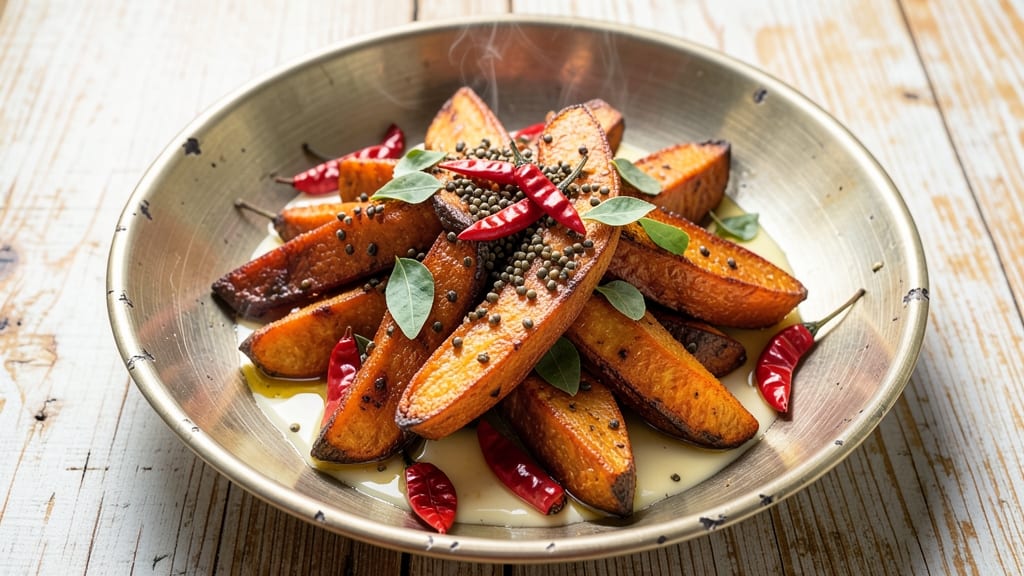
This sweet potato palya recipe delivers the perfect balance of crispy edges and tender centers, infused with South India's signature tangy tamarind kick. The dish transforms humble sweet potatoes into a flavorful medley that's both comforting and versatile—ideal as a side for dosas or a standalone meal.
What sets this apart is the aromatic spice blend that caramelizes beautifully on the potatoes' surface, creating a satisfying crunch with every bite.
The foundation of authentic palya lies in its layered textures: crispy, golden-brown potatoes topped with a fragrant spice mix that includes mustard seeds, curry leaves, and chili. The tamarind-based sauce ties everything together, offering a tangy contrast that cuts through the richness.
This recipe stays true to tradition while allowing flexibility—add paneer or tofu for a protein boost, or keep it vegetarian for a classic South Indian experience.
By the time you serve this dish, you'll have achieved crispy potato wedges that hold their shape while delivering maximum flavor in every bite. The spices release their aroma as they cook, filling your kitchen with the warm, earthy scent of South Indian cuisine.
It's the kind of dish that pairs beautifully with rice or dosas, yet stands strong enough to be served with yogurt or chutney on its own.
Whether you're preparing for a family gathering or simply craving a taste of home, this sweet potato palya brings authenticity and comfort to your table. The recipe is designed to be approachable yet impressive, ensuring you'll create a dish that's as visually appealing as it is delicious.
Let's get started on this flavorful journey!
Ingredients for sweet potato palya
Sweet potatoes, aromatic spices, and tangy tamarind create this crispy, flavorful South Indian dish.
| Ingredient | Amount | Notes |
|---|---|---|
| Sweet Potatoes 🍠 | 2 lbs | Medium-sized, peeled, cut into wedges |
| Mustard Seeds 🌿 | 1 tbsp | Whole, yellow variety preferred |
| Dried Curry Leaves 🌿 | ½ tbsp | Crushed lightly, or use fresh if available |
| Red Chili Peppers 🌶️ | 2 whole | Dried, slit lengthwise (adjust for heat) |
| Asafoetida (Hing) 🌿 | ⅛ tsp | Pinch for authentic flavor |
| Coconut Oil 🥥 | ½ cup | For frying, or use vegetable oil |
| Tamarind Paste 🍋 | 2 tbsp | Adjust for tanginess preference |
| Salt 🧂 | 1 ½ tsp | Kosher or sea salt preferred |
| Turmeric Powder 🌿 | ½ tsp | Freshly ground for best flavor |
| Cumin Seeds 🌿 | ½ tsp | Toasted for deeper aroma |
| Fresh Coriander Leaves 🌿 | ¼ cup | Chopped, for garnish |
| Lemon Juice 🍋 | 1 tbsp | Freshly squeezed |
| Paneer or Tofu 🧀 | ½ lb | Optional protein addition |
The sweet potatoes are the star—medium-sized ones hold their shape best when cut into wedges. Look for firm, vibrant orange ones at the grocery store; the deeper the color, the sweeter the flavor. Costco or local Indian markets often have the freshest tubers, but regular supermarkets work too. For the spices, mustard seeds and curry leaves are non-negotiable—they give that signature South Indian aroma. If you can't find dried curry leaves, fresh ones work wonders, but crush them lightly before adding. The red chilies can be adjusted to your heat preference; remove seeds for milder flavor. Asafoetida (hing) is a must for authenticity—it's that umami bomb that makes traditional dishes sing.
No tamarind paste? Mix 1 tbsp lemon juice with 1 tsp sugar for a quick substitute, though it won't be identical. Running low on coconut oil? Vegetable or peanut oil works just as well for frying. The paneer or tofu is optional but adds a nice protein boost—cube it into small pieces so it cooks quickly. For the tamarind sauce, strain out any seeds or fibers for a smoother texture. If you're short on fresh coriander, dried cilantro at half the amount will do in a pinch. The turmeric and cumin seeds can be toasted in a dry pan for 30 seconds before adding to the oil—this deepens their flavor and makes the whole dish taste more complex.
Sweet potato wedges crisp up best when parboiled for 5 minutes before frying to ensure they stay tender inside. Store any leftovers in an airtight container for up to 3 days—the flavors actually improve as the spices meld. For meal prep, portion the sauce separately and mix it in just before serving to keep the potatoes crispy. This dish reheats beautifully in a skillet over medium heat for about 3-4 minutes, stirring occasionally. If you're serving a crowd, double the spices—they're the soul of this dish and won't overpower.
Why You'll Love This Recipe
- One-Pot Magic: I swear by this recipe—just toss everything into one pan, stir, and walk away. The sweet potatoes caramelize right alongside the tempering, so you’re not stuck with a pile of dirty dishes or a messy stove.
- Taste Like a Feast: That first crackle of mustard seeds and dried curry leaves? Pure happiness. The hing and red chilies add this smoky, tangy punch that makes it taste like a restaurant dish, not something you threw together.
- Lunchbox Hero: Between us, this is my go-to for packed lunches. The flavors hold up for days (yes, really), and the texture stays perfect—no soggy potatoes here. My kids actually eat their veggies this way.
- Budget Win: Sweet potatoes are cheap, and this recipe stretches them far. A single batch feeds four, and leftovers reheat like a dream. Honestly, it’s the kind of dish that makes grocery day less stressful.
Step-by-step instructions for sweet potato palya
Here's how to create this South Indian spice medley with perfectly crispy sweet potatoes and a tangy tamarind kick.
Prepare the Sweet Potatoes and Spice Base
Start by peeling the 2 lbs sweet potatoes and cutting them into 1-inch wedges. I like to keep them slightly irregular for better texture contrast. In a large bowl, toss the sweet potato wedges with 0.5 tsp turmeric powder and 1.5 tsp salt, making sure each piece is evenly coated. This pre-seasoning ensures the flavors penetrate as they cook.
In a separate small bowl, combine 1 tbsp mustard seeds, 0.5 tsp cumin seeds, 0.5 tbsp dried curry leaves, 2 whole red chili peppers (slit lengthwise), and 0.125 tsp asafoetida (hing). This spice mix is the soul of palya - the aromatic foundation that will infuse every bite. Keep this mixture separate for now; we'll toast it later when the oil is hot.
Fry the Sweet Potatoes Until Crispy
Heat 0.5 cup coconut oil in a heavy-bottomed pan over medium heat. Add the seasoned sweet potato wedges in a single layer, being careful not to overcrowd the pan. Cook for 8-10 minutes, stirring occasionally, until the edges turn golden brown and the potatoes are tender when pierced with a fork.
Here's the thing - you want the sweet potatoes to develop that perfect crispy exterior while staying tender inside. If you notice the oil isn't hot enough (the potatoes aren't browning), reduce the heat slightly and give it another 2-3 minutes. The key is patience; rushing this step leads to soggy potatoes instead of crispy ones.
Toast the Spice Mix and Add Tamarind
Once the sweet potatoes are nearly done, add the spice mixture to the same pan. The mustard seeds will immediately begin popping and sizzling - this is your signal that the oil is at the right temperature. Toast the spices for 30-45 seconds until they turn fragrant and the mustard seeds darken slightly but don't burn.
Now add 2 tbsp tamarind paste and 1 tbsp lemon juice to the pan. Stir well to combine, letting the tamarind dissolve into the oil. The mixture should take on a deep reddish color and develop a slightly sticky consistency. Taste a small amount - you want it to be tangy but not overly sour. If needed, add a pinch more salt to balance the flavors.
Combine and Cook to Perfection
Add the crispy sweet potatoes back to the pan with the spice mixture. Gently toss everything together, coating each potato wedge thoroughly with the aromatic spice oil. The sweet potatoes will absorb the flavors instantly, creating that signature palya taste. Cook for another 3-4 minutes over medium-low heat, stirring occasionally, until the potatoes are evenly coated and the spices have melded together.
If you're using 0.5 lb paneer or tofu, cut it into small cubes and add it to the pan now. Cook for an additional 2 minutes until the protein is heated through. The paneer will soak up the spicy oil beautifully, adding a nice contrast to the sweet potatoes.
Finish and Garnish
Remove the pan from heat and transfer the palya to a serving dish. Let it sit for 2-3 minutes to allow the flavors to settle. This resting period is crucial - it lets the spices adhere better to the potatoes and prevents the dish from becoming too oily.
Finally, garnish with 0.25 cup chopped fresh coriander leaves. The bright green color not only looks beautiful but also adds a fresh, herbal note that cuts through the richness of the spices. Serve immediately while the potatoes are still crispy and the spices are fragrant. This dish tastes best when enjoyed right away, when every bite delivers that perfect balance of crispy, spicy, and tangy flavors.
Pro Tips For Making Sweet Potato Palya
- Boil Potatoes Until Fork-Tender: Sweet potatoes for palya need to be soft enough to mash but not falling apart—test with a fork after 12-15 minutes of boiling. I learned this the hard way when mine turned to mush and ruined the texture. Drain immediately after and let them cool slightly before handling.
- Toast Curry Leaves First: Dry-roast curry leaves in oil for 10 seconds before adding mustard seeds—this prevents them from burning and releases their aroma. Skip this, and you’ll taste raw, bitter leaves instead of that fragrant punch.
- Temper Hing Last: Add asafoetida (hing) only after the mustard seeds have popped—this stops it from burning and lets its umami shine. I used to add it early, and the dish always tasted slightly off.
- Use Whole Red Chilies: Keep red chilies whole (not chopped) when tempering—they infuse flavor without turning the dish into a chili bomb. I was skeptical until I tried it, and the heat became balanced, not overpowering.
Storing and reheating your leftovers
Refrigerator Storage
Store your sweet potato palya in an airtight container for up to 3 days in the refrigerator. The key is to let it cool completely before sealing—this prevents condensation that can make the potatoes soggy.
I like using glass containers with tight-sealing lids to maintain crispiness longer. The spices will continue to infuse, deepening the flavors over time. 🍠
Freezer-Friendly Tips
For longer storage, freeze portions in single-serving airtight containers for up to 3 months. The tamarind sauce can separate when frozen, so mix it thoroughly when reheating.
I recommend using silicone molds for portioning—just freeze the palya in the mold, then pop out each serving for easy reheating. Label with the date to track freshness.
Reheating for Crispiness
To revive the crispy texture, reheat in a skillet over medium heat for 3-4 minutes, stirring occasionally with 1 tsp coconut oil. The residual oil in the dish helps restore that golden crunch.
Avoid microwaving—it turns the potatoes rubbery. For extra flavor, add a splash of water or tamarind paste while reheating to refresh the tangy notes.
Oven Revival Method
Preheat your oven to 375°F and spread the palya on a baking sheet lined with parchment paper. Drizzle with 1 tsp coconut oil and bake for 8-10 minutes until crispy again.
This method works best for larger batches. I often use this technique when serving to a crowd—it keeps everything warm and maintains that perfect texture. ✨
Sauce Separation Fix
If the tamarind sauce separates after storage, simply stir in 1 tsp warm water to restore its consistency. For extra tang, add ½ tsp lemon juice before serving.
The sauce should coat the back of a spoon smoothly. This trick works wonders for both refrigerated and frozen palya, bringing back that authentic South Indian tang.
Garnish Refresh
Before serving reheated palya, always garnish with fresh coriander leaves and a squeeze of lemon juice. This brightens the dish and balances any reheating-induced dryness. A sprinkle of dried curry leaves on top adds an extra aromatic punch that makes it taste freshly made.
Trust me, this simple step makes all the difference! 🌿
Nutrition facts
Frequently asked questions
Can I use regular potatoes instead of sweet potatoes?
While you can substitute regular potatoes, sweet potatoes bring a natural sweetness and creamier texture that enhances the dish. For the closest flavor, use yellow or red potatoes—they hold their shape better than russets and won't fall apart during frying. If you must use russets, parboil them for 3-4 minutes first to prevent crumbling.
What makes this dish different from regular stir-fried potatoes?
The magic lies in the spice blend and tamarind sauce! This recipe uses mustard seeds, curry leaves, asafoetida (hing), and dried chilies toasted in oil, creating that signature South Indian aroma. The tamarind paste adds a tangy depth that cuts through the richness, making it far more complex than a simple stir-fry.
How can I make this dish less spicy?
Reduce the number of dried chilies to 1 or remove the seeds entirely. For extra mildness, add ½ tsp sugar to the tamarind mixture to balance the heat. You can also serve it with cooling sides like yogurt or raita to complement the flavors without altering the recipe itself.
Can I prepare this ahead of time for a party?
Cook the sweet potatoes and spices completely, then store them separately in airtight containers for up to 3 days. When ready to serve, simply reheat the potatoes in a pan with 1 tsp coconut oil for 3-4 minutes and mix in the sauce. This keeps the texture crispy while saving you last-minute work.
What's the best way to serve sweet potato palya?
This versatile dish pairs perfectly with steamed rice, dosas, or idlis for a complete South Indian meal. For a modern twist, serve it with naan bread or quinoa. The tangy flavors also make it a great side for grilled meats or as a standalone dish with yogurt or coconut chutney.