
Side Dishes
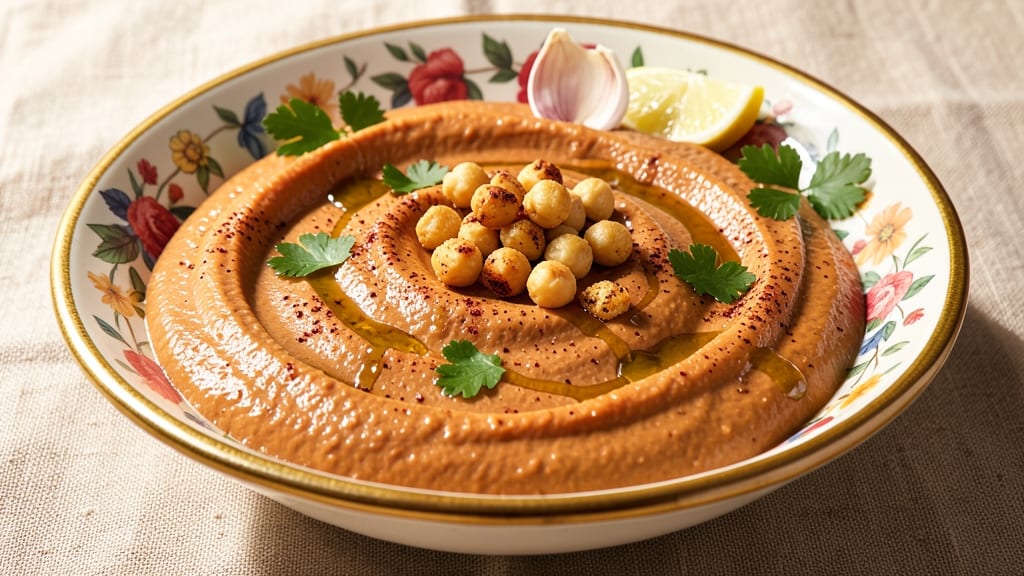
This sweet potato hummus recipe without tahini transforms humble chickpeas into velvety, naturally sweet spread that’s rich, creamy, and packed with roasted depth. The secret? Roasting sweet potatoes until caramelized—this step replaces tahini’s nuttiness with a smooth, velvety texture that blends seamlessly with chickpeas, garlic, and olive oil.
No tahini means no bitter aftertaste, just pure, plant-powered flavor that’s perfect for dipping, spreading, or drizzling.
The magic happens in the blending: cook chickpeas until tender, then purée them with roasted sweet potato, lemon juice, and a touch of smoked paprika for warmth. The result is a hummus that’s creamy yet light, with a natural sweetness that balances the earthy chickpeas.
Unlike traditional hummus, this version stays fresh longer—thanks to the sweet potato’s natural preservative qualities—and pairs beautifully with roasted veggies, crackers, or even as a sandwich spread.
What makes this recipe stand out is its versatility. Use it as a dip for veggie sticks, a spread for toast, or even a sauce for bowls.
The roasted sweet potato adds a caramelized richness that makes this hummus irresistibly smooth, while the lemon and garlic keep it bright and vibrant. It’s the kind of recipe that proves you don’t need tahini—or any special ingredients—to create something extraordinary.
Best of all, it’s ready in under 30 minutes and keeps well in the fridge for up to 5 days. The blending technique ensures no lumps, and the sweet potato’s natural sweetness means you can adjust spices to your taste—smoky, tangy, or slightly spicy. Let’s get blending!
Ingredients for sweet potato hummus recipe without tahini
Eight simple ingredients transform into velvety hummus with caramelized sweetness and no tahini needed.
| Ingredient | Amount | Notes |
|---|---|---|
| Canned Chickpeas 🌱 | 1 ½ cups | Drained, rinsed, and patted dry |
| Medium Sweet Potatoes 🍠 | 2 whole | Peeled, cubed, and roasted |
| Extra-Virgin Olive Oil 🫒 | ¾ cup | High-quality, fruity variety |
| Garlic Cloves 🧄 | 4 cloves | Peeled and roasted with sweet potatoes |
| Fresh Lemon Juice 🍋 | 3 tbsp | Freshly squeezed for brightness |
| Smoked Paprika 🌶️ | 1 tbsp | For depth and warmth |
| Ground Cumin 🌿 | ½ tsp | Toasted for enhanced aroma |
| Sea Salt 🧂 | 1 tsp | Diamond Crystal preferred |
| Cold Water 💧 | ¼ cup | For adjusting consistency |
The sweet potatoes are the star here—roast them until deeply caramelized for that velvety texture. Organic sweet potatoes from Whole Foods or your local market work best; avoid those with soft spots. Roast at 400°F (200°C) until tender and golden, about 25 minutes. The chickpeas should be high-quality, like Banza brand or organic canned varieties, for the creamiest result. Garlic cloves roasted with the sweet potatoes add a subtle sweetness that balances the earthy chickpeas perfectly.
No smoked paprika? Regular paprika plus a pinch of cayenne works in a pinch. Fresh lemon juice is non-negotiable—bottled won’t cut it. For extra richness, add 1 tbsp of cashew butter (blend soaked cashews) or a splash of vegan mayo. If the hummus is too thick, adjust with cold water, 1 tbsp at a time. The sweet potatoes’ natural sweetness means you can reduce salt to taste—start with the full teaspoon, then adjust based on your sweet potato’s sweetness level.
Store in an airtight container with a thin layer of olive oil on top to preserve freshness. Keeps for 5-6 days in the fridge, though it’s best within 3 days for peak creaminess. Freezes beautifully for up to 3 months—portion into ice cube trays for perfect single-serving scoops. The hummus thickens slightly when chilled, so blend briefly before serving if needed.
Why You'll Love This Recipe
- I’ll be real: this recipe saved me after a grocery run where I forgot tahini. Sweet potatoes and chickpeas? Always in stock. The olive oil adds richness, and the garlic-lemon combo makes it taste like you did spend hours on it. Leftovers? Just toss them in a jar—they keep for days, and it’s still just as good cold.
- No Tahini? No Problem: I swear by this version—no nutty aftertaste, just pure sweetness from the roasted sweet potato blending with the chickpeas. The texture stays creamy without relying on tahini, and honestly? It’s the first hummus I’ve made that actually feels lighter but still rich.
- Roast While You Wait: Between us, this is the only hummus that lets you multitask like a boss. Toss the sweet potatoes in the oven while you drain the chickpeas—no waiting around. By the time they’re tender, your kitchen’s already smelling like a cozy autumn day, and the garlic? Oh, it’s just crisped enough to add that little kick.
- Party in a Bowl: This stuff disappears at gatherings—trust me, I’ve tested it. Serve it with pita for a crowd, or let guests scoop it straight from the bowl with veggies. The lemon brightens it up so much that even my picky teen uncle asked for seconds. (Yes, even on a Tuesday night.)
Step-by-step instructions for sweet potato hummus without tahini
Transform humble ingredients into a velvety, naturally sweet hummus with this foolproof method.
🔥 Step 1: Roast the Sweet Potatoes and Garlic Until Caramelized
Preheat your oven to 425°F and line a baking sheet with parchment paper. Toss the cubed sweet potatoes and peeled garlic cloves with 1 tablespoon of the extra-virgin olive oil, ½ teaspoon of the sea salt, and ½ teaspoon of the smoked paprika. Spread them in a single layer, ensuring the garlic cloves are exposed.
Roast for 25-30 minutes, stirring halfway through, until the sweet potatoes are tender when pierced with a fork and the edges are deep golden brown. The garlic should be soft and fragrant with a slight char. Let them cool for 5 minutes before transferring to a food processor—this prevents steam buildup and makes blending easier. Real talk: the deeper the caramelization, the richer the hummus flavor.
👨🍳 Step 2: Blend the Roasted Base with Chickpeas
Add the drained chickpeas, roasted sweet potatoes, garlic cloves, ½ teaspoon of ground cumin, and 1 tablespoon of smoked paprika to the food processor. Pulse 3-4 times to break up the largest chunks, then stop to scrape down the sides. This initial rough blending prevents the processor from overheating and ensures even texture.
With the processor running, slowly drizzle in the remaining ½ cup plus 2 tablespoons of extra-virgin olive oil. The hummus will immediately begin to emulsify, creating a creamy base. Process for another 2-3 minutes until completely smooth, stopping occasionally to press down on the mixture with a spatula. You're aiming for a texture that coats the back of a spoon without being gluey.
🥘 Step 3: Incorporate Acid and Adjust Consistency
Transfer the hummus mixture to a serving bowl and stir in the 3 tablespoons of fresh lemon juice and remaining ½ teaspoon of sea salt. The acid brightens the sweetness and balances the richness. Taste immediately—this is where you'll notice if anything needs adjustment. If the hummus is too thick, add the ¼ cup cold water one tablespoon at a time until it reaches a spreadable consistency that still clings to the back of a spoon.
For the creamiest result, I like to press the hummus through a fine-mesh sieve to eliminate any remaining texture variations. This step ensures a silky mouthfeel that's perfect for dipping or spreading. Cover and refrigerate for at least 1 hour before serving—this allows the flavors to meld completely and the texture to firm up slightly.
Pro Tips For Making Sweet Potato Hummus Recipe Without Tahini
- Roast Sweet Potatoes Twice: I learned this the hard way—roasting sweet potatoes until they’re fork-tender but still hold their shape is key, but if they’re too dry, your hummus will taste like glue. Roast them once at 400°F (200°C) for 25 minutes, flip, then roast another 10 minutes until just soft enough to mash. They’ll still have enough moisture to blend smoothly without needing extra oil.
- Drain Chickpeas Properly: That liquid in the can? It’s not just water—it’s starchy and will turn your hummus into a sad, thin mess. Drain the chickpeas, then rinse them under cold water and give them a good shake in a colander. Pat them dry with a towel if you’re impatient (yes, even if you’re in a rush), or let them sit in a sieve for 5 minutes to drain extra liquid.
- Toast Garlic Until Golden: Raw garlic in hummus tastes harsh and overpowering. Slice those cloves thin, then toast them in olive oil over medium-low heat until they’re golden at the edges—about 5 minutes. Let them cool slightly before blending, or you’ll end up with a bitter, almost almond-like aftertaste that fights with the sweet potato.
- Blend in Stages: Dumping everything in the food processor at once is a recipe for a greasy, uneven disaster. Start with the sweet potatoes, chickpeas, and olive oil, then pulse until combined. Add the garlic, lemon juice, and salt, then blend again—this way, you control the texture instead of ending up with a paste that’s either too thick or too runny.
Regional styles of sweet potato hummus recipe without tahini
Southern U.S. Sweet Heat
In the American South, sweet potato hummus gets a smoky, spicy twist using Cajun seasoning instead of smoked paprika. Swap the 1 tbsp smoked paprika for 1.5 tbsp Cajun seasoning (like Tony Chachere’s) and add ½ tsp cayenne pepper for heat.
Roast the sweet potatoes with 1 tbsp apple cider vinegar for tang, then blend in 1 tbsp hot sauce (like Crystal) at the end. This version shines with cornbread or grilled veggies. 🌶️
Mediterranean Olive Oil Twist
Inspired by Greek and Turkish traditions, this version skips smoked paprika entirely and boosts the olive oil to 1 cup for richness. Add 1 tsp dried oregano and ½ tsp ground coriander to the roasted sweet potatoes, then blend in 2 tbsp tahini-free cashew butter (soaked cashews blended) for creaminess.
Finish with 1 tbsp za’atar and a drizzle of extra-virgin olive oil before serving. Perfect with warm pita or grilled halloumi. 🫒
Mexican-Inspired Chipotle Kick
For a Southwest flair, roast the sweet potatoes with 1 minced chipotle pepper in adobo sauce (seeds removed for mild heat) and 1 tsp ground cumin. After blending, stir in 1 tbsp lime juice (instead of lemon) and ½ tsp ground cinnamon for warmth.
Top with chopped cilantro and a sprinkle of cotija cheese before serving. This hummus pairs perfectly with tortilla chips or black beans. 🌶️
Middle Eastern Tahini-Free
Traditional hummus relies on tahini, but this Middle Eastern-inspired version replaces it with roasted eggplant purée. Blend ½ cup roasted eggplant (skin removed) with the sweet potatoes and chickpeas.
Add 1 tsp ground sumac and ½ tsp ground allspice for depth, then finish with a drizzle of pomegranate molasses. Serve with warm lavash or roasted eggplant slices. 🍇
Asian-Inspired Ginger-Sweet
For an East Asian twist, roast the sweet potatoes with 1 tbsp grated fresh ginger and 1 tsp sesame oil. After blending, stir in 1 tbsp rice vinegar and ½ tsp grated fresh galangal (or extra ginger) for zing.
Top with toasted sesame seeds and thinly sliced scallions. This hummus pairs beautifully with steamed dumplings or rice crackers. 🌿
Nutrition facts
Frequently asked questions
Why does this hummus taste sweeter than traditional hummus?
The roasted sweet potatoes add natural caramelization that replaces tahini’s nuttiness with a subtle sweetness. The key is roasting them until deeply golden—this step transforms their starches into sugars that blend beautifully with the chickpeas. For balance, the lemon juice brightens the flavor while the smoked paprika adds warmth.
Can I use regular potatoes instead of sweet potatoes?
Not recommended! Sweet potatoes provide the natural sweetness and creamy texture that makes this hummus unique. Regular potatoes are starchier and lack the caramelization depth. If you must substitute, try yams—but they’ll still taste different. The recipe relies on sweet potatoes’ natural sugars and moisture for that velvety finish.
How do I fix hummus that's too thick or too thin?
For thick hummus, add cold water 1 tablespoon at a time while blending until smooth. If too thin, stir in 1 extra tablespoon of olive oil or blend in 1 roasted sweet potato (cooled) for body. The ideal consistency should cling to the back of a spoon but still be spreadable. Chilling thickens hummus naturally—let it rest for 30 minutes before assessing.
What's the best way to store leftover hummus?
Store in an airtight container with a thin layer of olive oil on top to preserve freshness. Keeps for 5-6 days in the fridge or 3 months frozen (portion into ice cube trays for easy scoops). For best texture, press through a sieve before freezing. Thaw overnight in the fridge—never at room temperature—to maintain creaminess.
Can I make this hummus without a food processor?
Use an immersion blender for the same creamy results. Roast the sweet potatoes and garlic as directed, then blend directly in the pot with chickpeas, olive oil, and spices. For ultra-smooth texture, strain through a fine-mesh sieve. If you only have a regular blender, work in batches and scrape down the sides frequently to prevent overheating.