
Side Dishes
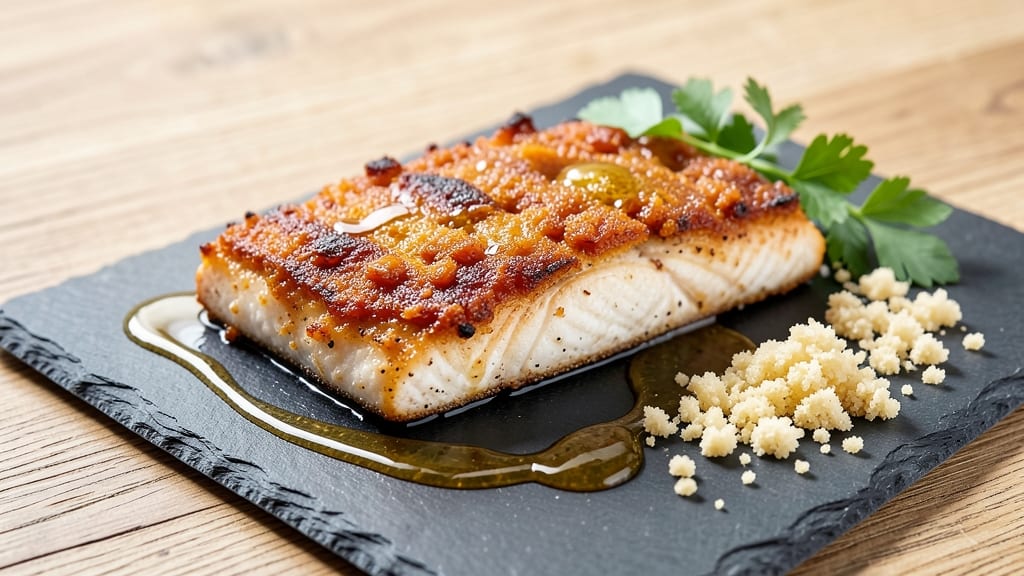
This sweet potato-crusted grouper recipe transforms simple ingredients into a restaurant-worthy dish with crunchy exterior and flaky fish magic. The secret lies in the perfect balance of sweet potato's natural sweetness and the delicate texture of grouper, creating a bite that's both satisfying and elegant.
I've perfected this technique after countless experiments in my kitchen, ensuring every piece delivers that ideal contrast between crispy crust and tender fish.
The beauty of this recipe is its simplicity—just a few key ingredients come together to create something extraordinary. You'll start with fresh grouper fillets, which are gently seasoned before being coated in a mixture of grated sweet potato, breadcrumbs, and egg for binding.
The crust isn't just about flavor; it's about texture, delivering that satisfying crunch with every bite while keeping the fish inside perfectly moist.
What makes this dish truly special is how it elevates a simple seafood meal into something memorable. The sweet potato crust adds a subtle sweetness that pairs beautifully with the mild, delicate flavor of the grouper, while the crispy exterior ensures it holds up against even the most flavorful sides.
This recipe is perfect for a special dinner or a weekend treat, where you want to impress without spending hours in the kitchen.
Serve with a bright citrus salad or roasted vegetables to complement the rich, savory flavors of the crust. The contrast of textures and temperatures makes every bite exciting, proving that even weeknight dinners can feel like a celebration. Here's how to create this showstopping dish in your own kitchen.
Ingredients for sweet potato crusted grouper
Sweet potato crust meets delicate grouper for a restaurant-worthy bite at home.
| Ingredient | Amount | Notes |
|---|---|---|
| Grouper Fillets 🐟 | 4 whole | Skin-on, 6-8 oz each |
| Sweet Potatoes 🍠 | 1 medium | Peeled, grated (about 2 cups) |
| Panko Breadcrumbs 🍞 | ½ cup | For extra crunch |
| Large Eggs 🥚 | 1 whole | Beaten for coating |
| All-Purpose Flour 🌾 | ¼ cup | For dredging |
| Extra-Virgin Olive Oil 🫒 | 2 tbsp | For frying |
| Lemon Juice 🍋 | 1 tbsp | Freshly squeezed |
| Garlic Powder 🧄 | ½ tsp | For seasoning |
| Paprika 🌶️ | ½ tsp | Smoked for color |
| Salt 🧂 | ½ tsp | Kosher or sea |
| Black Pepper 🌶️ | ¼ tsp | Freshly ground |
| Fresh Parsley 🌿 | ¼ cup | Chopped for garnish |
The grouper fillets should be fresh, never frozen—ask your fishmonger for day-boat or sushi-grade quality. Whole Foods or local seafood markets usually carry the best, but any reputable grocery store's seafood counter will do. Look for fillets with a vibrant pink color and firm texture; avoid any with a fishy odor or dull appearance. Sweet potatoes are key here—use orange-fleshed varieties like Garnet or Jewel for the right sweetness. Grate them yourself for the best texture, and pat them dry with a paper towel to remove excess moisture before mixing with breadcrumbs. Panko breadcrumbs are non-negotiable for that perfect crunch—avoid regular breadcrumbs as they won't hold up as well.
No panko? Japanese-style breadcrumbs work in a pinch, but toast them first in a dry pan for 2 minutes to enhance their flavor. Short on sweet potatoes? Substitute with grated yam—it's slightly less sweet but still works. The crust mixture needs to be sticky but not wet, so adjust the egg slightly if your sweet potatoes are particularly juicy. For extra flavor, add 1/4 tsp of ground cumin to the crust mix. The lemon juice is essential—don't skip it, as it brightens the crust and balances the richness of the fish. If you're short on time, pre-grate the sweet potatoes and store them in an airtight container in the fridge for up to 2 days before using.
Grouper fillets keep best in the coldest part of your fridge, used within 1 day of purchase for optimal texture. The crust mixture can be prepped 24 hours ahead and stored in the fridge—just let it sit at room temperature for 10 minutes before using to improve adhesion. Baked crusts reheat beautifully—pop them in the oven at 400°F for 5-7 minutes to revive the crunch. For leftovers, store in an airtight container for up to 2 days, though the crust loses its crispiness after the first day. Freezing isn't recommended for this dish as it compromises the texture of both the crust and the fish.
Why You'll Love This Recipe
- No-Fuss Prep: I’ll be real—this recipe only needs five ingredients plus pantry staples. You’re basically done before the water boils for the sweet potatoes. Just mash, mix, and press—no fancy techniques, no stress.
- Sweet Crunch Magic: That crispy sweet potato crust? It’s the star. The natural sugars caramelize while the panko stays light, and the flaky grouper underneath melts like butter. Honestly, it’s the kind of texture combo that makes you take a second bite without thinking.
- Weeknight to Dinner Party: Make it for Tuesday dinner or impress guests—same effort. The crust holds up beautifully, so it’s great for meal prep (store leftovers in the fridge for up to 3 days) or serving straight from the oven when unexpected company shows up.
- Budget-Friendly Luxury: Grouper stays affordable, and sweet potatoes stretch further than you’d think. I’ve made this for four people for under $20—feels fancy, tastes indulgent, but won’t break the bank. Plus, the crust uses pantry staples, so no extra shopping needed.
Step-by-step instructions for sweet potato-crusted grouper
Here's the method to achieve perfectly flaky grouper with a crispy sweet potato crust every time.
Prepare the Sweet Potato Crust Mixture
Peel the 1 medium sweet potatoes and grate them using a box grater or food processor, yielding about 2 cups of grated sweet potato. Transfer the grated sweet potato to a clean kitchen towel and squeeze out as much excess moisture as possible. This step is crucial—wet crust won't crisp properly.
In a medium bowl, combine the drained sweet potato with 0.5 cup panko breadcrumbs, 0.5 teaspoon garlic powder, 0.5 teaspoon paprika, 0.5 teaspoon salt, and 0.25 teaspoon black pepper. Mix well until the crumbs are evenly distributed. The mixture should look like a coarse, textured paste with visible flecks of spice throughout.
Season and Coat the Grouper Fillets
Pat the 4 whole grouper fillets dry with paper towels—this ensures a better crust adherence. Season both sides generously with additional salt and pepper if needed. Place the fillets in a shallow dish and lightly coat each side with 0.25 cup all-purpose flour, shaking off any excess. This creates a thin barrier that helps the crust stick.
In a separate shallow dish, beat the 1 whole large egg until just combined. Dip each floured fillet into the beaten egg, allowing any excess to drip off. Then press each egg-coated fillet into the sweet potato mixture, coating both sides thoroughly. The crust should adhere firmly—press gently but firmly to ensure good contact.
Pan-Fry to Golden Perfection
Heat 2 tablespoons extra-virgin olive oil in a large skillet over medium heat until shimmering but not smoking. Arrange the coated fillets in a single layer, leaving about 1 inch between each piece to prevent steaming. Cook undisturbed for 3-4 minutes until the crust is golden brown and crispy, and the edges begin to lift slightly from the pan.
Flip the fillets carefully and cook for another 3-4 minutes on the second side, until the crust is evenly golden and the fish is opaque throughout. The internal temperature should reach 145°F when measured with an instant-read thermometer. If the crust browns too quickly, reduce the heat slightly to prevent burning.
Finish with Lemon and Garnish
Remove the fillets from the skillet and transfer them to a serving platter. Drizzle each piece with 1 tablespoon freshly squeezed lemon juice, allowing it to seep into the crust and brighten the natural flavor of the fish. The acidity from the lemon also helps break down any remaining connective tissue, ensuring maximum flakiness.
Sprinkle the fillets evenly with 0.25 cup chopped fresh parsley for a pop of color and freshness. Serve immediately while the crust is still crisp and the fish remains warm. The contrast of the sweet, caramelized crust with the delicate, flaky grouper creates a truly memorable dish.
Pro Tips For Making Sweet Potato Crusted Grouper
- CRUSH THE SWEET POTATOES: I learned this the hard way—don’t just mash them. Roast peeled sweet potatoes at 400°F for 20 minutes first, then mash with a fork until chunky (not smooth). That texture sticks to the grouper like glue, giving you a proper crust instead of a sad, mushy coating.
- SALT THE FISH BEFORE BREADING: Season the grouper fillets generously with salt and pepper right after patting them dry—don’t wait until after dredging. The salt draws out moisture, and the crust will adhere better. (Yes, even if it looks wetter at first.)
- DON’T OVERMIX THE BATTER: The flour-egg-sweet potato mix should coat the fish lightly, not turn it into a sweet potato pancake. Dip the fillet in, let excess drip off, then press gently into the panko. Overmixing = dense, soggy crust. Keep it loose and airy.
- REST THE FISH AFTER CRUSTING: Give the crusted grouper a 5-minute rest on a wire rack before frying. This lets the crust set slightly, so it doesn’t slide off into the oil. (I know, I know—you’re eager to cook it. But trust me, it’s worth the wait.)
Storing and reheating your leftovers
Refrigerator Storage
Store any leftover sweet potato-crusted grouper in an airtight container with parchment paper between layers to preserve crispiness. Keep it refrigerated at 40°F or below for up to 2 days—though I’d recommend eating it sooner, as the crust loses its crunch after 24 hours.
The fish stays moist but the texture changes, so reheating becomes essential. 🥬
Freezer Storage
Freezing isn’t ideal for this dish, but if you must, place the cooked grouper in a single layer on a tray, then transfer to a freezer bag with excess air removed.
Label with the date—it’ll keep for 1 month. Thaw overnight in the fridge before reheating. The crust will be softer after freezing, but a quick oven toast can revive it slightly.
Oven Reheating
For the best results, reheat in a 400°F oven for 5-7 minutes on a wire rack over a baking sheet. This method crisps the crust while keeping the fish tender.
Brush with a tiny bit of olive oil before reheating to help restore crispiness. Avoid covering it—steam will make the crust soggy. 🔥
Microwave Method
If you’re short on time, use the microwave on medium power for 45-60 seconds per fillet. Place the grouper on a microwave-safe plate with a damp paper towel over it to prevent drying.
The crust won’t be as crisp, but the fish will stay warm. Finish with a squeeze of lemon juice to brighten flavors.
Reviving Crust Texture
If your crust loses crispiness after storage, pop it back in the oven for 3-5 minutes at 425°F with a sprinkle of breadcrumbs on top. This works like a mini-breadcrumbs toast, giving you that satisfying crunch. For extra flavor, add a pinch of smoked paprika before reheating. 💫
Nutrition facts
Frequently asked questions
Can I use frozen grouper for this recipe?
Fresh grouper is ideal for this recipe, but if you must use frozen, thaw it completely in the refrigerator overnight. Never thaw at room temperature, as this can lead to uneven cooking and a less crispy crust. The texture of frozen grouper tends to be slightly less tender than fresh, so expect a marginally firmer bite.
What if my sweet potato crust isn't crispy? Over-moisture is usually the culprit!
How do I adjust this recipe for a baked version?
Preheat your oven to 400°F and line a baking sheet with parchment paper. Arrange the coated fillets on the sheet, leaving 1 inch between each. Bake for 12-15 minutes until the crust is golden and the fish flakes easily with a fork. For extra crispiness, broil for 1-2 minutes at the end, watching closely to avoid burning.
What are the best sides to serve with this dish?
Bright, acidic sides complement the rich sweet potato crust beautifully. Try a citrus salad with avocado and lime, roasted asparagus with lemon zest, or garlic sautéed spinach. For a heartier meal, serve with quinoa pilaf or crusty bread to soak up any extra juices. The contrast of textures makes every bite exciting!
Can I make this recipe ahead of time?
Yes! Prepare the crust mixture and coat the fillets up to 24 hours ahead, then refrigerate. Cook just before serving to maintain the crispy texture. The coated fillets can be kept in the fridge for 1 day—just let them sit at room temperature for 10 minutes before cooking. For the best results, never fully cook ahead.