
Side Dishes
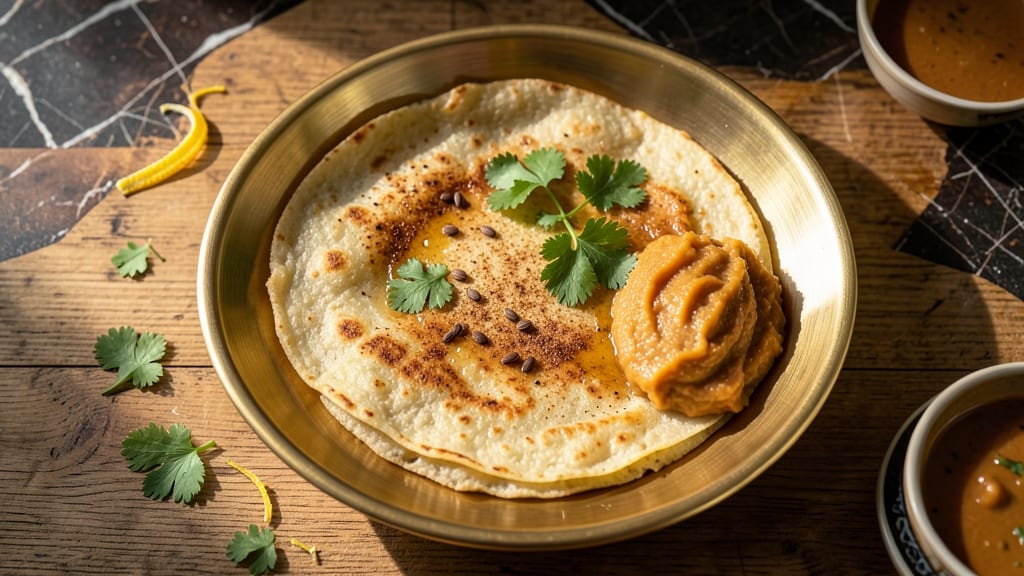
This sweet potato chapati recipe transforms humble flatbread into a flaky, spice-infused masterpiece that bridges comfort and tradition. The secret lies in blending tender sweet potato into the dough, creating layers that crisp beautifully on the tawa while keeping the interior soft and fragrant.
I developed this after years of experimenting with Indian flatbreads—each fold and press matters to achieve that signature flakiness without compromising the dough's integrity.
The dough itself is a study in balance: sweet potato adds natural moisture and subtle sweetness, while whole wheat flour provides structure. A touch of yogurt (or a pinch of baking soda for extra lift) ensures the chapatis puff just enough to create those coveted pockets.
The spices—cumin, coriander, and a hint of garam masala—infuse every bite with warmth, making these chapatis far more than just a side.
What you’ll end up with is a stack of golden, flaky chapatis that crisp at the edges yet stay tender inside, their aroma redolent of roasted spices and caramelized sweet potato.
These are the kind of chapatis that disappear faster than you can say "dinner’s ready," perfect for pairing with yogurt, mint chutney, or a hearty lentil curry. The texture is what makes them unforgettable—each bite reveals layers of crisp and soft, a testament to the care put into every fold.
Whether you’re serving them at a family gathering or simply elevating a weeknight meal, these chapatis bring restaurant-quality results to your kitchen. The dough can be prepped ahead, and the cooking process is quick once you get the rhythm down.
Let’s get started—your taste buds (and dinner guests) will thank you.
Ingredients for sweet potato chapati
Sweet potato brings natural sweetness while whole wheat flour keeps these chapatis hearty and flaky.
| Ingredient | Amount | Notes |
|---|---|---|
| Medium Sweet Potatoes 🍠 | 2 whole | Peeled and boiled until tender |
| Whole Wheat Flour 🌾 | 3 cups | Plus extra for dusting |
| Plain Yogurt 🥛 | ½ cup | Whole milk preferred |
| Ground Cumin 🌿 | 1 tsp | Toasted for deeper flavor |
| Ground Coriander 🌿 | 1 tsp | Freshly ground preferred |
| Garam Masala 🌶️ | ½ tsp | Store-bought or homemade blend |
| Salt 🧂 | ¾ tsp | Diamond Crystal preferred |
| Baking Soda 🧪 | ¼ tsp | For extra flakiness |
| Ghee or Vegetable Oil 🫒 | 2 tbsp | For cooking chapatis |
| Water 💧 | ½ cup | As needed for dough consistency |
The sweet potatoes are the star here—look for vibrant orange ones at the grocery store, not the pale, starchy varieties. Whole Foods or Trader Joe's usually carry the best selection. Peel them before boiling, and cook until fork-tender. Overcooking turns them mushy, which kills the texture. For the flour, King Arthur whole wheat is my go-to—it has just the right balance of protein and moisture. If you can't find whole wheat, all-purpose works in a pinch, but the chapatis won't be as nutritious. Toast your spices lightly in a dry pan before adding to the dough for maximum aroma.
No yogurt? Substitute with plain Greek yogurt or even unsweetened applesauce—though the texture will be slightly different. Running out of garam masala? Mix equal parts cumin, coriander, and turmeric for a close approximation. For extra flakiness, add 1/4 tsp baking soda to the dough (but don't overdo it—too much makes them bitter). The dough should be soft but not sticky—add water 1 tbsp at a time if needed. If you're short on time, you can even use canned sweet potato puree (drained well), though fresh is always better.
Once made, wrap the dough in a damp towel and let it rest at room temperature for 30 minutes—this relaxes the gluten for easier rolling. The chapatis keep well in an airtight container for 3 days in the fridge or 3 months frozen. To reheat, warm in a dry skillet for 30 seconds on each side. I always make a double batch because they disappear so fast—perfect for meal prep. Store cooked chapatis stacked with parchment paper between them to prevent sticking.
Why You'll Love This Recipe
- No Boil, No Peel: I just microwave the sweet potatoes whole—skin and all—until tender. The peel slides right off, and I’m left with silky mash that blends into the dough without a single extra pot to wash. Honestly, this cuts my prep time in half.
- Earthy Sweet Crunch: That roasted sweet potato flavor? It’s like a hug in every bite—naturally sweet but balanced by the warm cumin and coriander. The yogurt keeps it tender, while the edges get just crisp enough to hold up to curries or even a smear of peanut butter.
- Lunchbox Hero: Pack these for work or school—no reheating needed. They stay soft all day, and the kids (or my picky husband) won’t even notice they’re secretly packed with fiber. Between us, I’ve sent these to school with my daughter three days in a row, and she’s still asking for them.
- Pantry Staple Magic: You’re already using flour, yogurt, and spices? This recipe costs me pennies per serving. And the leftovers? I freeze them raw, then cook straight from frozen—no thawing, no fuss. It’s my go-to when I’ve got nothing but basics in the cupboard.
Step-by-step instructions for flaky sweet potato chapatis
Turn humble sweet potatoes into golden, flaky chapatis with these simple steps.
Cook and Mash the Sweet Potatoes
Peel the 2 whole medium sweet potatoes and cut them into even chunks. Place them in a pot of boiling water and cook for 15-20 minutes until fork-tender. You'll know they're done when a knife slides in easily and the edges pull away from the center.
Drain the potatoes and let them cool slightly before mashing them with a fork or potato masher. You want a smooth, lump-free texture—no need to overwork it. The potatoes should be warm but not hot when you mix them with the other ingredients. If they're too hot, they'll cook the flour instead of creating that perfect flaky texture.
Mix the Dough Ingredients
In a large mixing bowl, combine the mashed sweet potatoes with the 3 cups whole wheat flour, 0.5 cup plain yogurt, 1 teaspoon ground cumin, 1 teaspoon ground coriander, 0.5 teaspoon garam masala, 0.75 teaspoon salt, and 0.25 teaspoon baking soda. The baking soda is key here—it reacts with the yogurt to create those signature flaky layers.
Mix everything together with your hands or a wooden spoon until a rough dough forms. If the dough feels too dry, add the 0.5 cup water gradually until it comes together smoothly. You're aiming for a soft, pliable dough that's just slightly sticky—like playdough but not wet. Knead it for 3-4 minutes until it's smooth and elastic. If it sticks to your hands, dust with a little extra flour, but don't overdo it or the chapatis will be tough.
Divide and Roll the Dough
Divide the dough into 8 equal portions (about 2 ounces each) and roll each piece into a smooth ball. Cover the remaining dough with a damp towel to prevent it from drying out. Take one ball and roll it out on a lightly floured surface into a thin, even circle about 6 inches in diameter. The goal is to keep the center slightly thicker than the edges—this helps create those beautiful layers when cooking.
I like to roll the dough from the center outward, rotating it as I go to maintain even thickness. If it tears, just patch it together—it won't affect the final result. Keep the other rolled dough balls covered while you cook to prevent them from drying out.
Cook the Chapatis to Perfection
Heat a clean skillet over medium-high heat and add 1 tablespoon of ghee or vegetable oil. Place one rolled chapati on the skillet and cook for 30-45 seconds until small bubbles form on the surface and the edges start to lift. This is when you'll see those telltale blisters forming—don't press them down or they'll pop and make the chapati tough.
Flip the chapati using a pair of tongs and cook the other side for another 20-30 seconds until it's lightly browned in spots. The chapati should puff up slightly and have a golden hue. Transfer it to a clean towel and cover with another towel to keep it soft. Repeat with the remaining dough balls, adding more oil as needed. The key is high heat and quick cooking—this ensures those flaky layers without drying out the center.
Serve Warm and Enjoy
Serve the chapatis warm, stacked neatly with a dollop of ghee or your favorite accompaniment. They should be soft in the center with slightly crispy edges and those signature flaky layers. If they cool down, you can quickly reheat them in a dry skillet over medium heat for 10-15 seconds per side until warm again.
Here's the thing—these chapatis are best enjoyed immediately while they're still warm and pliable. The sweet potato adds a natural sweetness that balances the earthy spices, making these chapatis uniquely delicious. Store any leftovers wrapped in a clean towel to keep them soft, and reheat in a skillet before serving.
Pro Tips For Making Sweet Potato Chapati
- ROAST THE POTATOES UNTIL TOOTHSOFT: I learned this the hard way—undercooked sweet potatoes mean dough that’s gummy and fights you. Roast them at 400°F (200°C) for 45-50 minutes until a fork slides in like butter. You want them collapsing when pierced, not just slightly tender.
- COOL THE ROASTED POTATOES 10 MINUTES: Hot potatoes steam your dough, making it sticky and impossible to handle. Let them sit wrapped in foil for 10 minutes before mashing—this also lets the skin cool enough to peel cleanly without burning your fingers.
- SALT THE DOUGH LIKE YOU MEAN IT: Sweet potatoes are naturally mild, so the dough needs bold seasoning. Mix in 1.5 teaspoons salt per cup of flour (yes, even if your yogurt is unsalted). This balances the sweetness and makes the chapatis taste like they belong in a meal.
- PRESS THE CHAPATI FAST AND FIRM: Rushing the rolling? Don’t. Press each disc with steady, even pressure for 30 seconds—no flipping or wobbling. A well-compressed chapati cooks evenly and splits open naturally instead of turning into a sad, dense pancake. (Your future self will thank you.)
Wine and beer pairings for this dish
Spiced Red Wine
A medium-bodied Indian red wine like Cabernet Sauvignon or Shiraz complements the sweet potato’s natural caramel notes while standing up to the warm spices. I love a Grapes of Wrath Cabernet Sauvignon from California—its dark fruit and subtle oak bridge the sweetness and earthiness beautifully.
Chill it slightly (but not refrigerated) to let the wine’s tannins soften the chapati’s flakiness. 🍷
Citrusy White Wine
For a lighter pairing, try a dry Riesling or Chenin Blanc with a touch of lemon zest added to the glass. The acidity cuts through the sweet potato’s richness while enhancing the cumin and coriander.
A Chateau Ste. Michelle Riesling from Washington State is my go-to—its crisp finish cleanses the palate between bites. Serve it slightly chilled for the best contrast. 🍋
Craft Beer Pairings
A honey brown ale or amber lager with vanilla and caramel notes mirrors the sweet potato’s natural sweetness while balancing the spices. Look for New Belgium Fat Tire or Allagash White—both have enough body to stand up to the chapati’s texture.
The slight effervescence also helps reset your palate between bites. For a bolder option, try a Belgian-style dubbel like Westmalle Dubbel—its malty depth pairs surprisingly well with garam masala. 🍺
Non-Alcoholic Options
Don’t drink alcohol? A spiced chai tea or ginger lemonade with a pinch of cardamom works beautifully. For a more savory option, try mango lassi—the yogurt base echoes the dough’s ingredients while the fruit’s sweetness complements the sweet potato.
I also love a sparkling mint lemonade with a dash of rose water for a refreshing contrast. 🌿
Regional Pairing Twist
In Punjabi cuisine, these chapatis are often served with mango pickle or boondi raita—both add a tangy contrast. For a South Indian touch, pair with coconut chutney and sambar.
If you’re feeling adventurous, try a tamarind date chutney—its sweet-tart balance elevates the chapati’s flavors. The key is balancing the sweet potato’s natural sweetness with something acidic or herby. ✨
Nutrition facts
Frequently asked questions
Can I use store-bought sweet potato puree instead of fresh?
Yes, but with adjustments! Use 1 cup of unsweetened puree (drained well) for the recipe, but add 1 extra tablespoon of yogurt to compensate for the lack of moisture. Fresh potatoes work best because they have a better texture and flavor, but puree is a convenient shortcut for busy days.
Why are my chapatis tearing when I roll them?
This usually happens when the dough is too dry or too cold. Try dusting your rolling surface with extra flour, or let the dough rest 10 minutes at room temperature before rolling. If it's still too stiff, add 1 teaspoon of water and knead again. Rolling from the center outward helps too!
Can I make these chapatis ahead of time?
The dough can be prepped 24 hours ahead and stored in the fridge. For best results, let it sit at room temperature for 30 minutes before rolling. Cooked chapatis keep for 3 days in an airtight container, or 3 months frozen. Reheat in a dry skillet for 10 seconds per side to restore crispiness.
What if I don't have yogurt in the recipe?
No problem! Substitute with 1/4 cup plain Greek yogurt or 1/4 cup unsweetened applesauce. For a flakier texture, add 1/4 teaspoon baking soda to the dough. The yogurt helps tenderize the dough, so without it, your chapatis might be slightly denser but still delicious.
How do I get extra flaky layers in my chapatis?
The secret is in the cooking technique! Use medium-high heat and wait until you see bubbles form before flipping. Pressing down on the chapati will pop the bubbles, ruining the layers. Also, keep the dough slightly thicker in the center—this creates more steam when cooking, resulting in those signature flaky pockets.