
Side Dishes
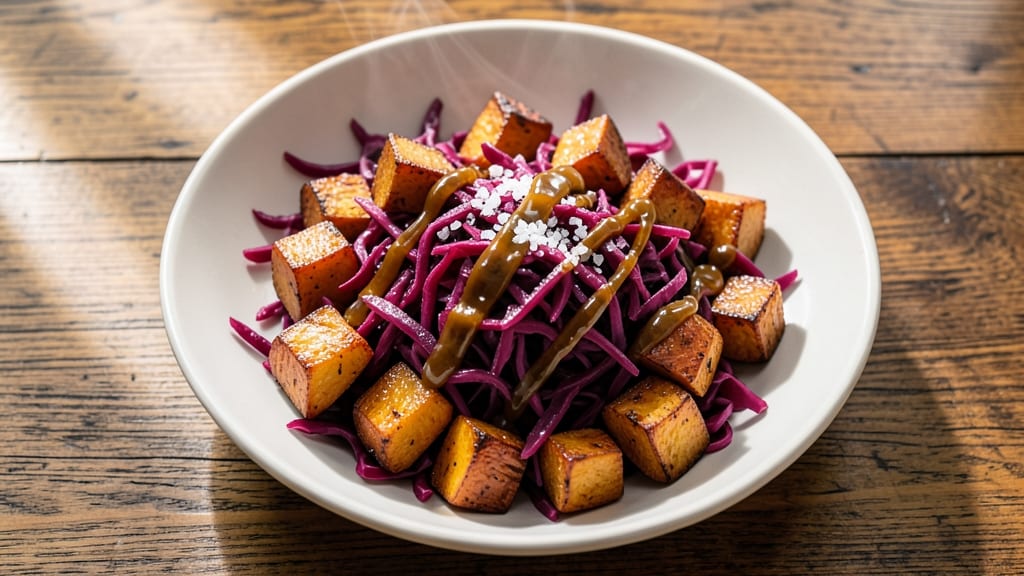
This sweet potato and red cabbage recipe transforms humble ingredients into a vibrant, satisfying dish that balances earthy sweetness with peppery crunch. The secret lies in roasting sweet potatoes until tender and caramelized while sautéing cabbage until just crisp—creating a perfect harmony of textures and flavors.
I developed this recipe after realizing how often roasted vegetables get overlooked in favor of heavier sides, and it’s since become a staple in my rotation for its simplicity and depth.
The beauty of this dish is its versatility—it works as a hearty side for grilled meats, a vegetarian main when paired with grains or beans, or even a base for a fresh salad when served at room temperature.
A touch of apple cider vinegar or balsamic glaze elevates the flavors, adding brightness that cuts through the natural sweetness of the sweet potatoes and the slight bitterness of the cabbage.
The result is a dish that’s both comforting and sophisticated, with just the right amount of effort for impressive results.
What makes this recipe stand out is how it highlights the natural sweetness of sweet potatoes without overpowering the cabbage’s crisp texture.
The key is in the cooking method: high heat for the cabbage to maintain its crunch, and a slow roast for the sweet potatoes to develop that caramelized depth. Together, they create a dish that’s rich in flavor, packed with nutrients, and impossible to resist.
Whether you’re meal prepping for the week or whipping up dinner in under 45 minutes, this recipe delivers.
Serve it warm alongside roasted chicken, grilled fish, or even as a standalone vegetarian plate with a sprinkle of toasted nuts or a dollop of Greek yogurt for extra creaminess. The flavors only get better the next day, making it perfect for leftovers or meal prep.
Let’s get cooking—this dish is a game-changer for anyone looking to elevate their vegetable sides.
Ingredients for sweet potato and red cabbage
Sweet potatoes, red cabbage, and a few simple pantry staples create this vibrant vegetarian dish.
| Ingredient | Amount | Notes |
|---|---|---|
| Sweet Potatoes 🍠 | 1 ½ lb | Medium size, peeled and cubed |
| Red Cabbage 🥬 | 1 small | About 12 oz, thinly sliced |
| Olive Oil 🫒 | ¼ cup | Extra-virgin for roasting |
| Apple Cider Vinegar 🍎 | 2 tbsp | For cabbage dressing |
| Maple Syrup 🍁 | 1 tbsp | For sweetness balance |
| Salt 🧂 | 1 ½ tsp | Kosher or sea salt |
| Black Pepper 🌶️ | ½ tsp | Freshly ground preferred |
| Garlic Cloves 🧄 | 3 cloves | Minced for cabbage |
| Fresh Thyme Leaves 🌿 | ¼ cup | Chopped, or 1 tsp dried |
| Balsamic Glaze 🍷 | 2 tbsp | For finishing touch |
| Toasted Walnuts 🥜 | ¼ cup | Optional garnish |
The sweet potatoes are the star here—organic or heirloom varieties from Whole Foods or your local farmers market have the deepest flavor. Look for firm, smooth-skinned potatoes with no soft spots. For the red cabbage, small heads are perfect—they're easier to slice and store. If you can't find fresh thyme, dried works at one-third the amount. The key to great roasted sweet potatoes is high heat and patience—don't rush the process. I always roast mine at 425°F until they're fork-tender and caramelized.
No apple cider vinegar? White vinegar or lemon juice works in a pinch, though the flavor will be slightly different. Running short on maple syrup? Honey or agave nectar are good substitutes, but remember this is a vegetarian recipe. For the cabbage, if you prefer extra crunch, sauté it for just 3-4 minutes instead of longer. The walnuts can be swapped for pecans or almonds if you have them on hand. And if you're feeling adventurous, try adding a pinch of smoked paprika to the roasting oil for extra depth.
Sweet potatoes keep well in a cool, dark place for about 1 week, but they're best used within 3-4 days for optimal texture. Red cabbage lasts 2 weeks in the fridge when stored properly—wrap it in a damp towel to maintain crispness. The roasted vegetables actually taste better the next day as the flavors meld together. Portion into airtight containers for easy meal prep—this dish reheats beautifully. For longer storage, freeze the roasted sweet potatoes separately for up to 3 months, but the cabbage is best used fresh.
Why You'll Love This Recipe
- One-Pan Magic: I swear by this dish when I can’t be bothered with multiple pots. Toss the cubed sweet potatoes and shredded cabbage on a sheet pan, drizzle with olive oil, and let the oven do the work—no chopping boards left to scrub.
- Sweet-Tart Balance: That caramelized maple syrup glaze on the sweet potatoes? Chef’s kiss. The apple cider vinegar cuts through the richness, making every bite bright and addictive—like dessert had a savory makeover.
- Meal Prep Hero: Between us, this keeps perfectly for four days in the fridge. Reheat the portions, and it’s lunch or dinner with zero effort—ideal for busy mornings or when you just can’t face cooking again.
- Budget Brightener: Sweet potatoes and cabbage stretch my grocery budget like nothing else. A single head of cabbage and a few potatoes feed my family for days, and the maple syrup adds luxury without breaking the bank.
Step-by-step instructions for roasted sweet potatoes with cabbage
This method balances caramelized sweet potatoes with perfectly balanced cabbage—simple steps for maximum flavor.
Prep and Season the Sweet Potatoes
Preheat your oven to 400°F and line two baking sheets with parchment paper. Cut the 1.5 lb sweet potatoes into 1-inch cubes—uniform size ensures even cooking. Toss them in a large bowl with 0.25 cup olive oil, 1 tsp salt, and 0.25 tsp black pepper until evenly coated.
Spread the sweet potatoes in a single layer on the prepared baking sheets, leaving ½-inch space between each cube. This prevents steaming and promotes crispy edges. Roast for 20 minutes, then flip each piece for even browning. You'll see them start to soften and develop golden edges—this is when they're ready for the next step.
Roast Until Caramelized
Continue roasting for another 15-20 minutes until the sweet potatoes are tender when pierced with a fork and have developed deep golden-brown caramelization. The edges should be crispy while the centers remain moist—this balance is key to perfect texture.
If you notice any pieces browning too quickly, rotate the pans or cover them loosely with foil to prevent burning. The sweet potatoes should be fork-tender with a slightly sticky surface from their natural sugars caramelizing. Remove from the oven and let them cool slightly while you prepare the cabbage.
Sauté the Cabbage with Garlic and Thyme
While the sweet potatoes roast, heat 1 tablespoon olive oil in a large skillet over medium heat. Add the 1 small red cabbage, sliced into ¼-inch strips, and cook for 8-10 minutes until the edges begin to soften and turn slightly translucent.
Add the 3 minced garlic cloves, 0.25 cup fresh thyme leaves, 0.5 tsp salt, and 0.25 tsp black pepper. Stir well and cook for another 3-4 minutes until the cabbage is tender but still holds its shape. The mixture should smell deeply aromatic with a balance of earthy thyme and sweet garlic.
Finish with Maple Syrup and Vinegar
Reduce the heat to low and stir in the 2 tbsp apple cider vinegar and 1 tbsp maple syrup. Cook for 2-3 minutes until the cabbage absorbs the flavors and the mixture glistens slightly. Taste and adjust seasoning—you want a balance of sweet, tangy, and slightly peppery notes.
Remove from heat and transfer the cabbage to a serving platter. Arrange the roasted sweet potatoes alongside the cabbage, drizzling with the 2 tbsp balsamic glaze and sprinkling with 0.25 cup toasted walnuts for added crunch and richness. Serve immediately while everything is warm.
Pro Tips For Making Sweet Potato And Red Cabbage
- CUT SWEET POTATOES EVENLY: Uneven slices mean some parts cook mushy while others stay raw—annoying. Use a mandoline or sharp knife to slice them all ¼-inch thick, then soak in cold water for 10 minutes to remove excess starch. Trust me, this keeps them from turning to glue in the pan.
- SAUTÉ CABBAGE IN BATCHES: Tossing the whole head of red cabbage into the pan at once? You’ll steam it instead of searing it. Work in 2-inch chunks, spread them out, and let them brown for 3-4 minutes before stirring. This caramelizes the edges—where all the flavor hides.
- ACIDIFY THE CABBAGE FIRST: I used to add vinegar at the end, but the cabbage never got tender. Toss the raw cabbage with 1 tablespoon vinegar and ½ teaspoon salt before cooking—it softens the fibers faster and balances the sweetness later. Just don’t overdo it, or it’ll taste like a salad.
- MAPLE SYRUP LAST MINUTE: Add maple syrup too early, and it burns before the cabbage cooks. Stir it in only during the final 2 minutes of cooking—just enough time to glaze the edges. If you’re impatient (like me), reduce it slightly first to avoid a sticky mess.
Storing and reheating this recipe
Refrigerator Storage
Store your roasted sweet potatoes and cabbage separately in airtight containers within 4 days of cooking. The sweet potatoes will soften further but maintain their caramelized edges—just reheat gently to restore crispness.
The cabbage stays best when kept in a damp paper towel inside the container to preserve its crunch. 🥬
Freezer Prep Tips
For longer storage, freeze the roasted sweet potatoes in a single layer on a baking sheet for 1 hour to prevent sticking, then transfer to a freezer bag with all air removed.
They’ll keep for up to 3 months. The cabbage doesn’t freeze well, so use it fresh or within 3 days of cooking. Label bags with the date to track freshness!
Reheating for Best Texture
To revive the dish, spread reheated portions on a baking sheet and warm at 350°F for 10-12 minutes—this restores crispiness to the sweet potatoes. For the cabbage, heat in a skillet over medium-low heat with 1 tsp olive oil for 3-4 minutes, stirring occasionally.
Avoid microwaving unless absolutely necessary—it turns the cabbage mushy.
Meal Prep Strategy
Divide portions into individual containers before storing to maintain texture consistency. I like keeping the balsamic glaze and walnuts separate until reheating—this prevents sogginess. For a quick assembly, store the components in stackable containers and toss everything together when ready to eat.
This keeps the dish fresh-tasting for up to 5 days in the fridge. ✨
Reviving Leftovers
If your leftovers lose some crunch, sprinkle with 1 tsp toasted walnuts and a drizzle of balsamic glaze before serving. The acidity in the glaze brightens flavors, while the nuts add fresh crunch.
For extra moisture, add 1 tbsp apple cider vinegar to the reheating pan—it mimics the original tangy balance.
Serving Suggestions
Serve reheated portions alongside grilled chicken or as a vegetarian main with quinoa or farro. The contrast of warm, caramelized sweet potatoes with cool grains creates a satisfying meal.
For a cold twist, assemble components in a bowl with Greek yogurt and extra walnuts—it makes a refreshing lunch option. 🍽️
Nutrition facts
Frequently asked questions
Can I substitute regular potatoes for sweet potatoes in this recipe?
Regular potatoes won't work well—sweet potatoes have a naturally sweeter, creamier texture that caramelizes beautifully when roasted. For a similar flavor, try yams, but they require slightly longer roasting time (30-35 minutes total). Regular potatoes will turn out starchy and dry, lacking the depth this dish needs.
How do I keep the red cabbage extra crisp?
For maximum crunch, slice the cabbage ¼-inch thick and sauté it over medium-high heat for just 5-6 minutes—don't overcook! Add a splash of ice water at the end of cooking, then drain. For even more texture, finish with a sprinkle of toasted nuts or seeds right before serving.
What's the best way to make this vegetarian?
This dish is already vegetarian, but you can boost protein by adding ½ cup cooked chickpeas or ¼ cup crumbled feta. For a heartier meal, serve with quinoa or farro—the nutty grains complement the sweetness perfectly. The walnuts in the recipe also provide healthy fats to round out the meal.
Can I make this ahead for meal prep?
Roast the sweet potatoes and cook the cabbage separately, then store them in airtight containers for up to 5 days. Keep the balsamic glaze and nuts separate until reheating to maintain texture. When ready to eat, toss everything together with fresh glaze and nuts—it reheats beautifully in the oven at 350°F for 10 minutes.
What if I don't have apple cider vinegar?
No problem! Substitute with lemon juice (same amount) or white wine vinegar for brightness. For a sweeter option, use honey or agave instead of maple syrup—just reduce to ½ tbsp since it's more concentrated. The key is balancing the sweetness with acidity to enhance both ingredients.