
Side Dishes
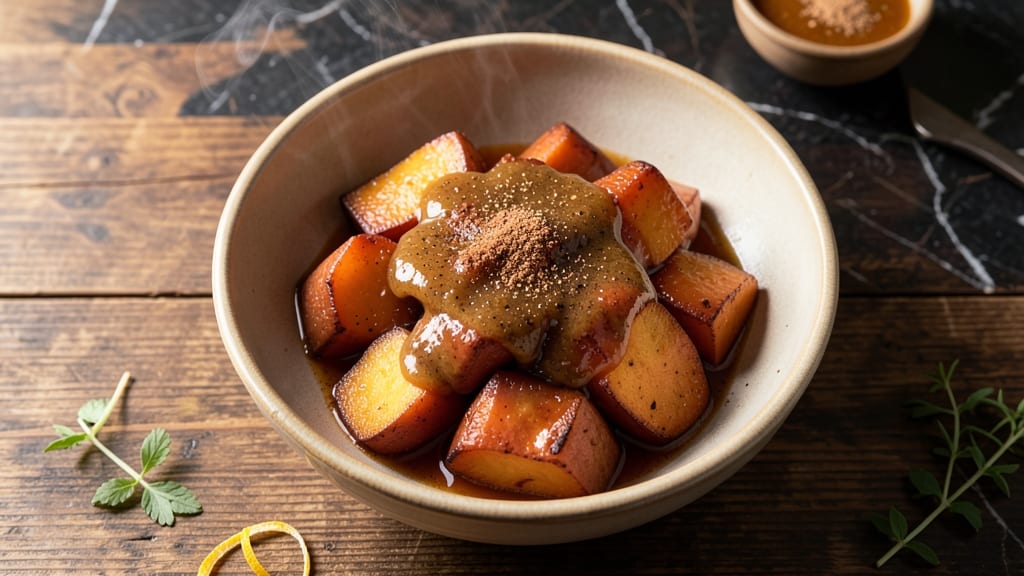
This stewed sweet potato recipe transforms humble sweet potatoes into a rich, caramelized side dish that's perfect for weeknight dinners or holiday tables. The slow-simmering process develops deep, spiced sweetness while keeping the texture tender and slightly jammy—far from the dry, overcooked versions that disappoint. I've perfected this method over years of testing, ensuring every bite delivers that perfect balance of natural sweetness and warm spices.
The secret lies in the technique: simmering the sweet potatoes in a flavorful liquid (broth, stock, or even apple cider) with aromatic spices like cinnamon, nutmeg, and ginger creates layers of complexity. Unlike roasting or boiling, this method preserves moisture while developing a subtle caramelization on the edges.
The result is a dish that's hearty enough to stand on its own but elegant enough to complement roasted meats or grilled fish.
What makes this recipe truly versatile is its adaptability—swap out spices for curry powder for an Indian-inspired twist, or add a splash of maple syrup for extra depth.
The texture is consistently tender with just the right amount of resistance, and the flavor profile evolves beautifully as it sits, making it perfect for meal prep. Each spoonful delivers a harmonious blend of sweet, spiced, and slightly smoky notes that will have everyone asking for seconds.
Whether you're serving it alongside roasted chicken, pairing it with grilled salmon, or enjoying it as a vegetarian main, this stewed sweet potato recipe delivers restaurant-quality results with minimal effort.
The slow-cooking process means you can prepare it ahead of time, allowing the flavors to meld even more deeply. Ready to elevate your side dishes? Let's get started.
Ingredients for stewed sweet potato
Transform these humble sweet potatoes into a restaurant-worthy side with just these 12 ingredients.
| Ingredient | Amount | Notes |
|---|---|---|
| Sweet Potatoes 🍠 | 3 lbs | Medium size, peeled and cubed |
| Vegetable Broth 💧 | 3 cups | Low-sodium preferred |
| Apple Cider 🍎 | 1 cup | For depth of flavor |
| Brown Sugar 🍚 | ½ cup | Lightly packed |
| Ground Cinnamon 🌿 | 1 ½ tbsp | Freshly ground preferred |
| Ground Nutmeg 🌿 | ½ tsp | Freshly grated |
| Ground Ginger 🌿 | ½ tsp | Freshly grated |
| Salt 🧂 | 1 tsp | Kosher or sea salt |
| Black Pepper 🌶️ | ½ tsp | Freshly ground |
| Unsalted Butter 🧈 | 2 tbsp | For richness |
| Maple Syrup 🍁 | 2 tbsp | Optional for extra sweetness |
| Fresh Thyme Leaves 🌿 | ¼ cup | Chopped, stems removed |
Sweet potatoes are the star here—look for ones with smooth, firm skin and vibrant orange flesh. Trader Joe's and Whole Foods carry the best variety, but any grocery store will have them. Medium size works perfectly for even cooking. Peeled and cubed, they'll break down beautifully into that tender, jammy texture. I always grab a few extra because they keep well in the fridge for up to 2 weeks—perfect for meal prep. The broth is where the magic happens: low-sodium vegetable broth lets the spices shine without overpowering.
No vegetable broth? Chicken broth works too—just remember it's not vegetarian. Apple cider adds depth, but orange juice or even apple juice will work in a pinch. Swap the brown sugar for white sugar or maple syrup, though brown sugar gives that caramelized edge. Freshly ground spices make all the difference—pre-ground spices lose their punch fast. If you're feeling adventurous, swap the cinnamon and nutmeg for curry powder or pumpkin pie spice for a totally different vibe. The butter at the end is non-negotiable—it ties everything together with richness.
This dish tastes even better the next day as flavors meld. Store leftovers in an airtight container in the fridge for up to 5 days. For freezing, portion into single servings and keep for up to 3 months. Reheat gently on the stove with a splash of water or broth to restore that silky texture. I always make a double batch—half for dinner, half for lunches later in the week. The sweet potatoes hold up beautifully, and the spices only get more aromatic as they sit.
Why You'll Love This Recipe
- One-Pot Magic: I swear by this recipe—just chop, simmer, and let the sweet potatoes melt into that silky, caramelized goodness. No extra pans, no fuss, and honestly? That apple cider and cinnamon combo does half the work for you.
- Sweet & Spiced Bliss: The brown sugar and cinnamon turn these into something ridiculously good—like a hug in a bowl. The apple cider adds this subtle tang that cuts through the sweetness, making every bite feel special (yes, even on a Tuesday night).
- Meal Prep MVP: Double the batch and store it for days—it reheats like a dream and tastes just as good cold. Between us, this is my go-to for lazy mornings or quick lunches when I’m too tired to cook.
- Budget-Friendly Comfort: Sweet potatoes and broth are cheap, but they feel like a treat. I’ll be real: my grocery bill stays low, but my family still begs for seconds. That’s the kind of win I’ll take any day.
Step-by-step instructions for slow-simmered stewed sweet potatoes
Here's how to transform humble sweet potatoes into a fragrant, caramelized masterpiece that's perfect for fall gatherings.
🍳 Step 1: Sauté the Sweet Potatoes Until Golden
Heat a large, heavy-bottomed pot over medium-high heat and melt the 2 tablespoons unsalted butter until it foams. Add the 3 pounds sweet potatoes (already peeled and cubed) and spread them out in a single layer. Let them sear undisturbed for 5-6 minutes until they develop a deep golden color on all sides.
This initial searing creates a beautiful caramelized crust that adds depth of flavor. If you notice the potatoes sticking, don't panic—just add a splash of the vegetable broth to deglaze. Once golden on all sides, you've built the perfect foundation for your stew.
👨🍳 Step 2: Build the Spice Base and Deglaze
Reduce heat to medium and sprinkle the 1.5 tablespoons ground cinnamon, 0.5 teaspoon ground nutmeg, 0.5 teaspoon ground ginger, 1 teaspoon salt, and 0.5 teaspoon black pepper directly over the sweet potatoes. Stir gently to coat them evenly with the spices, letting those aromatic compounds bloom for 1-2 minutes—you'll smell that warm, cozy spice aroma filling your kitchen.
Pour in the 3 cups vegetable broth and 1 cup apple cider, scraping up any browned bits from the bottom of the pot. These bits are pure flavor—don't miss them! Bring the mixture to a gentle simmer, then add the 0.25 cup fresh thyme leaves and 2 tablespoons maple syrup. The thyme will release its piney aroma while the syrup adds just the right touch of sweetness.
🔥 Step 3: Slow-Simmer Until Tender and Caramelized
Add the 0.5 cup brown sugar and stir it in completely. The sugar will dissolve quickly, creating a beautiful syrup that coats the sweet potatoes. Reduce heat to low and cover the pot with a tight-fitting lid. Let the sweet potatoes simmer gently for 45-50 minutes, stirring occasionally, until they're fork-tender with just a slight resistance.
Here's where the magic happens: the sweet potatoes will absorb all those wonderful flavors while developing a glossy, caramelized surface. The liquid should reduce to a thick, syrupy consistency—this is what makes these sweet potatoes so irresistibly saucy. If it reduces too quickly, add a splash more broth or cider to maintain the perfect balance.
🥘 Step 4: Finish with Richness and Rest
Once the sweet potatoes are tender, increase heat to medium and let them simmer uncovered for another 5-10 minutes. This final step allows any remaining liquid to evaporate, intensifying the flavors and creating that perfect stew-like consistency. Taste and adjust seasoning if needed—you might want to add a pinch more salt or cinnamon to suit your preference.
Remove from heat and let the sweet potatoes rest for 10 minutes before serving. This resting period allows all those beautiful flavors to meld together perfectly. The result should be sweet potatoes that are tender yet hold their shape, coated in a rich, caramelized sauce with layers of warm spice and subtle sweetness.
Pro Tips For Making Stewed Sweet Potato
- CUT POTATOES EVENLY: Cut sweet potatoes into 1-inch chunks—no smaller, or they’ll turn to mush faster than you can say "overcooked." I learned this the hard way when my batch dissolved into a sad, gloppy mess after 20 minutes. Use a knife with a serrated edge for cleaner cuts, and resist the urge to rush; consistent size means even cooking.
- SIMMER, DON’T BOIL: This isn’t a race. Once the sweet potatoes hit the pot, keep the heat at a gentle simmer—low enough that you barely see bubbles. I used to crank it up, thinking faster heat meant better flavor, but it just made the broth cloudy and the potatoes mealy. A steady simmer (about 25–30 minutes) lets the apple cider and cinnamon meld without turning the broth into a sad, bitter puddle.
- SWEAT THE CINNAMON: Toast the ground cinnamon in a dry pan for 30 seconds before adding it to the pot. It deepens the flavor—no, it doesn’t make the dish smell like a Christmas tree, but it adds a warm, earthy note that cuts through the sweetness. Skip this, and you’re just sprinkling dust; do it, and the cinnamon actually sings.
- USE STARCHY BROTH: Don’t skimp on the vegetable broth—opt for one with a little body, like the kind made with carrots, celery, and onions. The natural starch in these veggies thickens the stew naturally as it cooks, giving it that silky, cling-to-the-pot texture. I used to dilute it with water, and the result was always watery. Save yourself the hassle and start with a richer base.
Dietary considerations for stewed sweet potato
Vegetarian-Friendly
This recipe is naturally vegetarian—no meat or dairy products are required beyond the optional butter. The sweet potatoes, broth, and spices provide all the flavor and protein you need. For extra protein, stir in ½ cup cooked lentils or ½ cup crumbled tofu at the end.
I've made this dish for vegetarian potlucks, and it's always a crowd-pleaser. 🌱
Gluten-Free Adaptations
All the ingredients in this recipe are naturally gluten-free, but always double-check your broth label to ensure it doesn't contain hidden gluten. If you're using store-bought broth, opt for certified gluten-free brands like Pacific Foods or Imagine Foods.
The spices, sweet potatoes, and maple syrup are all safe, so you won't need to make any substitutions. Just be mindful of cross-contamination if you're preparing this in a shared kitchen.
Dairy-Free Options
Skip the butter entirely and use 2 tablespoons olive oil or vegetable oil for sautéing. For richness, stir in 2 tablespoons coconut milk or cashew cream at the very end.
I've found that coconut milk adds a subtle sweetness that complements the caramelized flavors beautifully. The dish remains just as tender and flavorful without any dairy at all.
Low-Sugar Versions
Reduce the brown sugar to ¼ cup and omit the maple syrup entirely. Instead, enhance the natural sweetness of the sweet potatoes by adding 1 extra tablespoon of apple cider vinegar to balance flavors.
You can also use stevia or monk fruit sweetener to taste if you prefer a sugar-free option. The result is still delicious but with fewer added sugars.
Nut-Free Considerations
This recipe is already nut-free, but if you're serving it to guests with nut allergies, be sure to avoid cross-contamination. Use separate utensils and surfaces if you've handled nuts recently. The maple syrup is typically safe, but check the label if nut allergies are a concern.
I always keep a separate batch of this recipe when hosting mixed groups to ensure everyone can enjoy it safely. 💛
Meal Prep Tips
This dish reheats beautifully, making it perfect for meal prep. Store leftovers in an airtight container for up to 5 days in the fridge or 3 months in the freezer. When reheating, add a splash of water or broth to restore moisture.
I often prep this on Sundays and portion it into individual containers for easy grab-and-go meals during the week. The flavors actually deepen as it sits, so it tastes even better the next day!
Nutrition facts
Frequently asked questions
Can I use regular potatoes instead of sweet potatoes?
While you can technically substitute regular potatoes, the flavor and texture will be completely different. Sweet potatoes have a natural sweetness and creamier texture that works perfectly with the caramelized sauce. Regular potatoes will absorb more liquid and become starchy rather than tender and jammy. If you must use them, try russet potatoes and reduce the sugar slightly.
How do I adjust this recipe for a slow cooker?
Transfer all ingredients to your slow cooker after sautéing the sweet potatoes and spices. Cook on low heat for 6-7 hours or high heat for 3-4 hours, stirring occasionally. The liquid will reduce more slowly, so you may need to add an extra ½ cup broth halfway through if it looks too dry. The flavors will develop beautifully during the longer cook time!
Why did my sweet potatoes turn out mushy?
Overcooking is the most common cause. Once tender, sweet potatoes continue breaking down if left too long. Keep an eye on them after 45 minutes of simmering and check for doneness with a fork. Also, ensure you're using the right size potatoes—medium cubes (about 1-inch) cook more evenly than large chunks. If they're still too firm, add ¼ cup more broth and simmer uncovered for 5-10 minutes.
What's the best way to reheat leftovers?
Reheat gently on the stove over low-medium heat with a splash of water or broth to restore moisture. Stir frequently to prevent sticking. Microwaving works too—cover with a damp paper towel and heat in 30-second intervals, stirring between each. Never reheat from frozen—thaw completely in the fridge first. The texture will be best if reheated to 165°F.
Can I make this recipe without sugar?
Yes! Omit the brown sugar and maple syrup, then enhance the natural sweetness by adding 1 extra tablespoon apple cider vinegar or ½ teaspoon vanilla extract. The sweet potatoes' natural sugars will still caramelize slightly, creating a delicious balance. For extra depth, try adding ½ cup unsweetened applesauce to replace the sugar content.