
Side Dishes
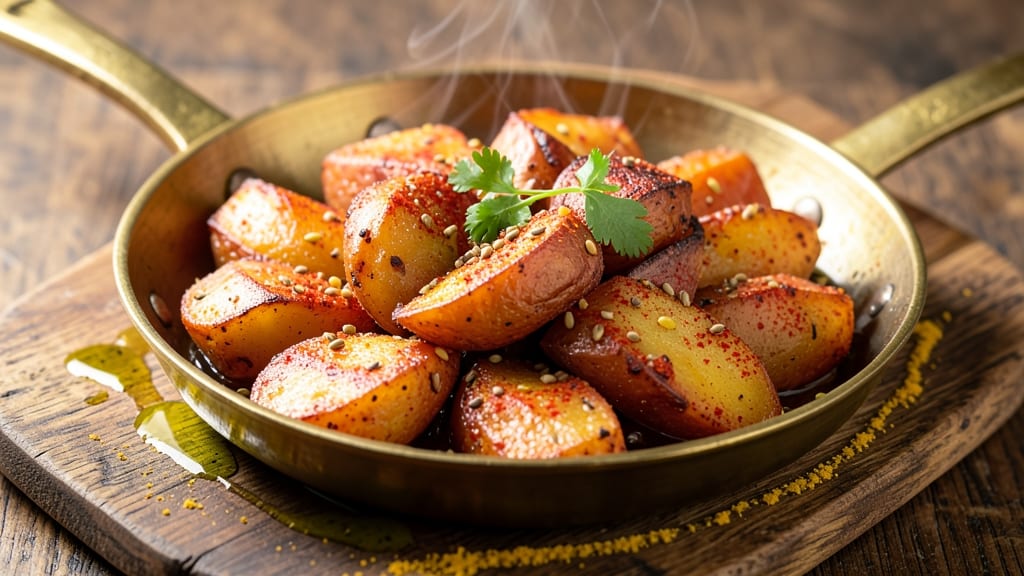
This Bengali potato recipe delivers the perfect balance of crispy, golden edges and tender centers, all kissed with aromatic mustard oil and a tangy tamarind twist. The secret lies in the tempering process—where mustard seeds, cumin, and red chilies sizzle in hot oil until they release their full flavor potential.
I remember the first time I tasted this dish in Kolkata, where it's a staple alongside rice or roti, and it instantly became my go-to comfort food.
The beauty of this recipe is in its simplicity yet depth. You'll start with potatoes cut into even, bite-sized pieces for consistent cooking, then temper them in mustard oil—a technique that infuses every bite with nutty, slightly pungent aroma.
The tamarind adds a bright tang that cuts through the richness, while cumin and turmeric ground the flavors into something truly special. It's the kind of dish that transforms a simple potato into something extraordinary.
By the time you're done, you'll have crispy, caramelized potatoes with a tender interior, all coated in a fragrant mustard oil that makes every bite irresistible. The tangy tamarind glaze ties everything together, creating a balance of flavors that's both comforting and exciting.
This is the kind of recipe that feels like a hug from your favorite Bengali auntie—warm, inviting, and full of love.
Serve this dish alongside steamed basmati rice or warm roti to complete the meal. The contrast of soft rice with the crispy potatoes makes it a match made in heaven. Here's how to bring this classic Bengali flavor to your kitchen.
Ingredients for bengali potato
Simple ingredients that transform into aromatic, crispy potato bites with a tangy twist.
| Ingredient | Amount | Notes |
|---|---|---|
| Russet Potatoes 🥔 | 2 lb | Cut into 1-inch bite-sized pieces |
| Mustard Oil 🫒 | ½ cup | Aromatic, not salad dressing oil |
| Yellow Mustard Seeds 🌱 | 1 tbsp | Whole, for tempering |
| Ground Cumin Seeds 🌿 | 1 tsp | Toasted for deeper flavor |
| Red Chili Powder 🌶️ | 1 tsp | Adjust for heat preference |
| Turmeric Powder 🧡 | ½ tsp | Freshly ground preferred |
| Tamarind Paste 🍋 | 1 tbsp | Or 1 tbsp lemon juice substitute |
| Salt 🧂 | 1 ½ tsp | Adjust to taste |
| Fresh Cilantro 🌿 | ¼ cup | Chopped for garnish |
| Vegetable Oil 🫒 | ¼ cup | For frying potatoes |
| Garlic Cloves 🧄 | 3 cloves | Minced for tempering |
Mustard oil is the heart of this dish. Indian grocery stores carry it in bottles labeled 'mustard oil'—don't confuse it with salad dressing oil. If you can't find it, Kirkland Signature makes a decent substitute, though it lacks the authentic aroma. The potatoes should be Russet or Yukon Gold—their starchy nature helps achieve that perfect crispy-tender texture. For the mustard seeds, yellow mustard seeds are traditional, but brown will work in a pinch. Toast the cumin seeds in a dry pan for 30 seconds before grinding—this releases their nutty aroma and makes all the difference.
No tamarind paste? Lemon juice works in a pinch, though it won't have the same depth of flavor. The red chili powder can be swapped for Kashmiri chili powder if you want a milder, sweeter heat. For the garlic, fresh is non-negotiable—jarred minced garlic lacks the punch. If you're short on time, Trader Joe's sells pre-minced garlic in tubes that work perfectly. The cilantro is purely for garnish, so feel free to skip it if you're not a fan. For extra crispiness, double-fry the potatoes—once to soften, then again to crisp up.
The potatoes stay crispy for about 2 days if stored in an airtight container, but they're best enjoyed fresh. Reheat in a skillet over medium heat for 2-3 minutes to restore that golden crunch. Mustard oil keeps for 6-12 months in a cool, dark place, but once opened, it's best used within 3 months. I always make a double batch—one for this dish, one to drizzle over dal or rice. The leftovers make an amazing next-day breakfast with a fried egg on top.
Why You'll Love This Recipe
- No-Chop Nightmare: I swear, this is the only potato dish where I can skip peeling if I’m lazy—just scrub those Russets, cut into chunks, and toss them in. The mustard oil and cumin do all the flavor work while you’re scrolling through your phone.
- That Mustard Oil Magic: Honestly, nothing else comes close to the way that hot mustard oil—popped with yellow mustard seeds—transforms simple potatoes into something crispy, nutty, and dangerously addictive. The red chili powder? Just the right kick to wake up every bite.
- Lunchbox Hero: Between us, this is my go-to for packed lunches. Cold or reheated, the potatoes hold up perfectly, and the spices keep it from getting bland. My kids actually finish their school lunches now—no small miracle.
- Pantry Staple Savior: You’ve got potatoes? Mustard oil? Cumin? Boom—you’ve got dinner. I made this last week with just those four things when my grocery run got canceled, and it was still the best thing on the table. Budget-friendly doesn’t get much better than that.
Step-by-step instructions for mustard oil-kissed crispy potatoes
Here's how to transform simple potatoes into restaurant-worthy crispy bites with that signature Bengali tang.
Prepare the Potatoes for Perfect Crispiness
Start by peeling the 2 lb russet potatoes and cutting them into 1-inch bite-sized pieces. I like to use a mandoline for even slices, but a sharp knife works too—just be careful those fingers stay clear. Soak the potato pieces in cold water for 20 minutes to remove excess starch. This step is crucial because it prevents the potatoes from turning gummy during frying.
After soaking, drain and pat them completely dry with paper towels. Any moisture left on the potatoes will cause them to steam instead of crisp up. I press down firmly with the paper towels to make sure they're bone dry—this ensures those golden, crunchy bites we're after.
Fry the Potatoes in Vegetable Oil
Heat the 0.25 cup vegetable oil in a deep skillet over medium-high heat until it shimmers but doesn't smoke. Add the dried potato pieces in batches—don't overcrowd the pan or they'll steam instead of fry. Cook the potatoes for 8-10 minutes, stirring occasionally, until they're golden brown and crispy on all sides.
Here's where it gets tricky: you want them cooked through but still slightly firm to the bite. If they're browning too quickly, reduce the heat slightly. If they're not browning enough, increase it. The potatoes should float in the oil when they're ready—this means they're fully cooked inside. Transfer them to a paper towel-lined plate to drain excess oil.
Create the Mustard Oil Tempering
In a small saucepan, heat the 0.5 cup mustard oil over low heat. Add the 1 tbsp yellow mustard seeds and let them sizzle for 30 seconds until they begin to pop. This is where that signature aroma comes from—don't rush this step or you'll miss the flavor development.
Next, add the 3 minced garlic cloves and cook for 30 seconds until fragrant. Then stir in the 1 tsp ground cumin seeds, 1 tsp red chili powder, 0.5 tsp turmeric powder, and 1.5 tsp salt. Cook for another 30 seconds, stirring constantly, until all the spices are toasted and fragrant. Remove from heat and let it cool slightly—this tempered oil is what gives these potatoes their authentic flavor.
Combine Potatoes with Tangy Tamarind Dressing
In a large bowl, mix the crispy potatoes with the tempered mustard oil, making sure each piece is well coated. Add the 1 tbsp tamarind paste and toss gently to combine. The tamarind adds that signature tangy twist that balances the richness of the mustard oil. If you don't have tamarind paste, you can substitute with 1 tbsp lemon juice—it won't be exactly the same, but it'll still work in a pinch.
Let the potatoes marinate in the dressing for 5 minutes to absorb all those wonderful flavors. This resting time also helps the tamarind's tanginess penetrate the crispy exterior. Taste and adjust the seasoning if needed—you might want to add a pinch more salt or chili powder depending on your preference.
Garnish and Serve Immediately
Transfer the potatoes to a serving platter and sprinkle with the 0.25 cup chopped fresh cilantro. The bright green color contrasts beautifully with the golden potatoes and adds a fresh finish. Serve immediately while still crispy—these potatoes are best enjoyed right out of the pan when they're at their crunchiest.
This dish pairs perfectly with yogurt or a simple cucumber salad to cut through the richness. The combination of crispy potatoes, aromatic mustard oil, and tangy tamarind creates a flavor profile that's both comforting and exciting—exactly what makes Bengali cuisine so special.
Pro Tips For Making Bengali Potato
- CUT POTATOES UNIFORMLY: Use a mandoline or sharp knife to slice them paper-thin—about 1/8-inch thick. I learned this the hard way: uneven slices mean some potatoes turn mushy while others stay raw. (Yes, even if it takes 10 minutes to slice them all.)
- HEAT THE OIL RIGHT: Mustard oil should smoke just before you add the seeds—around 325°F (160°C). If it’s too hot, the seeds burn and taste bitter; too cool, and the flavor won’t bloom. A drop of water should sizzle but not ignite.
- DON’T SKIP THE DRY ROAST: Toast the mustard seeds and cumin in oil for 30 seconds until they pop and smell nutty. Skipping this step makes the dish taste flat—like someone forgot the soul. (I know, I’ve made that mistake.)
- SALT THE POTATOES FIRST: Toss the sliced potatoes with salt and red chili powder before frying. This draws out moisture so they crisp up instead of steaming in their own juice. (Your future self will thank you—trust me.)
Perfect pairings for bengali potato
Rice Pairings
Serve these crispy potatoes with steamed basmati rice—the classic Bengali pairing that soaks up the mustard oil's rich aroma. I always cook 1 cup basmati rice with 1.5 cups water and a pinch of salt for a light, fluffy base.
The rice's neutral flavor lets the potatoes shine while providing the perfect contrast to their crispy texture. 💛
Yogurt Dip
A cooling yogurt dip with 1 cup plain yogurt, 1 tbsp tamarind paste, and ½ tsp roasted cumin powder cuts through the richness beautifully. Mix well and chill for 30 minutes before serving.
The tangy yogurt balances the mustard oil's boldness while adding a creamy element. For extra flavor, add 2 chopped mint leaves or 1 tsp chaat masala.
Cucumber Raita
For a refreshing side, blend 1 cup grated cucumber, ½ cup yogurt, ½ tsp roasted cumin, and ½ tsp salt into a smooth raita. Chill for 1 hour to let flavors meld.
The cool cucumber and yogurt create a perfect palate cleanser between each crispy bite. Garnish with cilantro for freshness. ✨
Roti or Paratha
Warm whole wheat roti or aloo paratha makes this dish a hearty meal. The soft, pillowy texture contrasts perfectly with the potatoes' crunch. I like to brush the roti with a little melted ghee before serving—it adds an extra layer of richness that complements the mustard oil. 🥖
Spiced Chana
Add spiced chickpeas for a protein boost. Sauté 1 cup cooked chickpeas with 1 tsp cumin seeds, ½ tsp turmeric, and ½ tsp red chili powder until warm.
The chickpeas add heartiness and a satisfying crunch that pairs well with the potatoes. Toss them together just before serving to keep everything crisp. 🌱
Sweet Finale
End the meal with mango lassi or sweetened condensed milk drizzled over the potatoes. The sweetness contrasts the savory-spicy flavors, creating a balanced finish. For a traditional touch, sprinkle a pinch of saffron into the milk before drizzling—it adds a luxurious aroma that ties the meal together. 🍦
Nutrition facts
Frequently asked questions
Why does mustard oil give these potatoes such a distinct flavor?
Mustard oil's unique aroma comes from its high content of allyl isothiocyanate, which releases when heated. When you temper the seeds in hot oil, they pop and infuse the potatoes with a nutty, slightly pungent flavor that's essential to Bengali cuisine. The oil also has a smoke point of 420°F, making it perfect for high-heat frying while preserving its signature taste.
Can I make this recipe without mustard oil?
Yes! If you can't find mustard oil, use vegetable oil for frying and toasted sesame oil (1 tbsp) for the tempering. For authenticity, add ½ tsp ground mustard powder to the spice mix. The flavor won't be identical, but it'll still be delicious. Just don't substitute salad dressing oil—it lacks the necessary heat tolerance and flavor depth.
How do I prevent the potatoes from turning gummy?
Soak the potato pieces in cold water for 20 minutes to remove excess starch, then pat them completely dry. Frying in small batches at medium-high heat (not too hot) ensures even cooking. If they brown too quickly, reduce the heat slightly. The key is crispy edges with a tender center—this happens when the internal temperature reaches 190°F.
What's the best way to store leftovers?
Keep leftovers in an airtight container for up to 2 days at room temperature, but they're best reheated. To restore crispiness, warm in a skillet over medium heat for 2-3 minutes until golden. For longer storage, freeze for up to 1 month—thaw overnight in the fridge before reheating. The mustard oil flavor actually improves slightly after resting!
Can I make this recipe with sweet potatoes instead?
Sweet potatoes work but require adjustments: reduce cooking time to 6-8 minutes (they cook faster) and add ½ tsp extra salt to enhance their natural sweetness. The texture will be slightly softer, but the mustard oil and tamarind flavors still shine. For best results, use orange-fleshed sweet potatoes—they have a better balance of sweetness and starch.