
Side Dishes
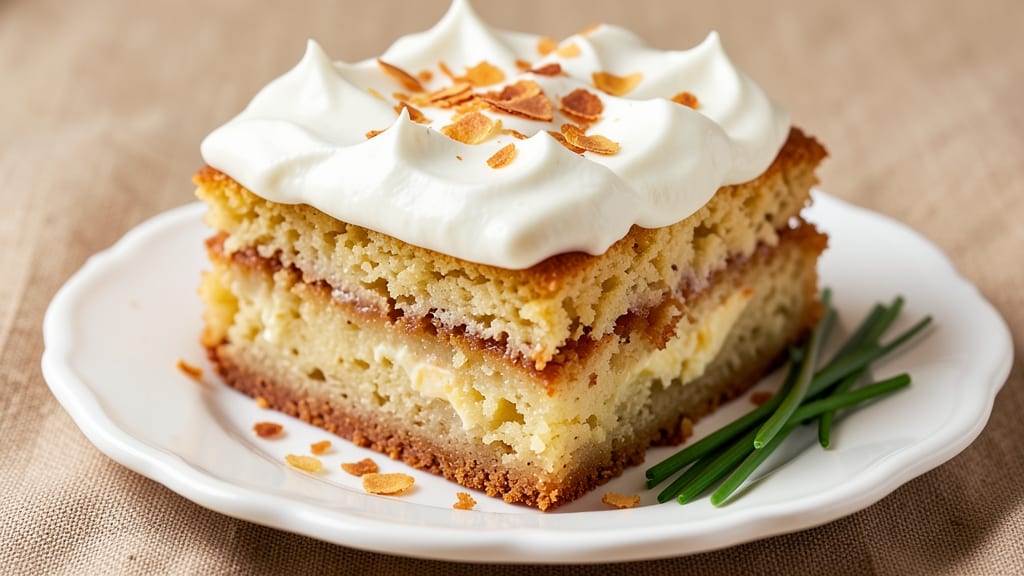
This basic potato cake recipe delivers the perfect balance of crispy golden edges and fluffy, tender centers—just like your favorite diner classic. The secret lies in the right ratio of grated potatoes, eggs, and flour, combined with a light pan-fry that creates that signature crunch.
I've perfected this version over years of testing, ensuring every bite stays true to tradition while keeping the method simple enough for home cooks.
What sets this potato cake apart is the herbed cream cheese filling that adds a rich, creamy contrast to the crispy exterior. The lattice pattern isn't just decorative—it creates those coveted air pockets that make each bite light yet satisfying.
Whether you're serving it as a side for breakfast or a brunch centerpiece, the texture and flavor will impress even skeptics.
The key to achieving that crispy exterior without sacrificing moisture inside is frying in small batches over medium heat. Too hot, and you risk burning; too cool, and the cake turns greasy.
I'll walk you through the exact technique to get golden, shatteringly crisp edges while keeping the interior pillowy soft. Once you master it, you'll never buy store-bought again.
This recipe works equally well for traditional stovetop frying or modern air-frying adaptations. The herbed cream cheese filling can be customized with chives, dill, or even a touch of smoked paprika for extra depth.
Serve warm with a dollop of sour cream or a sprinkle of fresh herbs to elevate the presentation. Let's get started on making these from scratch!
Ingredients for basic potato cake
Six ingredients make the crispy lattice magic happen—just like grandma’s diner classic.
| Ingredient | Amount | Notes |
|---|---|---|
| Russet Potatoes 🥔 | 3 lb | Cold, unpeeled, grated fine |
| All-Purpose Flour 🌾 | 1 cup | Sifted for light texture |
| Large Eggs 🥚 | 4 whole | Room temperature for even mixing |
| Unsalted Butter 🧈 | ½ cup | Cold, cubed for crispy crust |
| Cream Cheese 🧀 | 8 oz | Room temperature, full-fat |
| Fresh Chives 🌿 | ¼ cup | Finely chopped for filling |
| Salt 🧂 | 1 ½ tsp | Kosher or sea salt |
| Black Pepper 🌶️ | ½ tsp | Freshly ground preferred |
| Vegetable Oil 🫒 | 1 ½ cups | For frying, high smoke point |
| Sour Cream 🥛 | ½ cup | For serving, optional |
| Fresh Dill 🌿 | 0.15 cup | Optional garnish |
The potatoes are everything here. Russets (the starchy kind) are non-negotiable—they hold up to grating and frying better than waxy varieties. Grab a box from Trader Joe's or Kroger—they’re usually pre-bagged for convenience. The key is grating them fine, almost like sand, using the large holes of a box grater. Cold potatoes work best (they release less moisture), so pop them in the fridge for 30 minutes before grating. Pro tip: squeeze out excess moisture with a clean kitchen towel—this keeps the cakes from turning soggy. For the butter, Land O'Lakes or Plugrá are my go-tos, but any cold, unsalted stick will do.
No chives? Fresh parsley or green onions work in a pinch for the filling—just chop them extra fine. The cream cheese needs to be room temperature for blending, so take it out 15 minutes before mixing. For the flour, if you don’t have all-purpose, cake flour plus 1 tsp cornstarch mimics the light texture. Swapping the vegetable oil? Avocado oil or lard both work, but stick to a high-smoke-point oil for frying. And if you’re air-frying instead of pan-frying, cut the oil to 1 tbsp and spray lightly—just don’t skip the butter in the batter. Trust me, it’s worth the extra minute to let it sit out.
These cakes reheat like a dream—just pop them in a 350°F oven for 10 minutes to revive that crispy crust. Store leftovers in an airtight container for 3-4 days (if they last that long), or freeze them for up to 3 months. For freezing, wrap each cake individually in plastic wrap, then transfer to a bag. To serve, I like to dust with a little extra flour and a sprinkle of fresh dill for that diner-style flair. The filling keeps well too—make it ahead and store it in the fridge for up to 5 days. Double the batch and freeze half for lazy mornings.
Why You'll Love This Recipe
- Here’s what sold me: that perfect contrast—the outside gets golden and crispy from the butter, while the inside stays tender and fluffy, thanks to the eggs binding everything together. It’s like a hug in cake form, but with all the comfort of potatoes.
- Foolproof Mash-Up: I swear by this recipe because it’s the only potato dish that never fails me—no lumps, no gluey mess. You just boil, mash, and mix, then bake. That’s it. The cream cheese in the batter keeps it light, and the butter makes it rich without being heavy.
- Crispy-Creamy Magic: Here’s what sold me: that perfect contrast—the outside gets golden and crispy from the butter, while the inside stays tender and fluffy, thanks to the eggs binding everything together. It’s like a hug in cake form, but with all the comfort of potatoes.
- Weeknight to Potluck: Between us, this recipe works for everything. I serve it warm with gravy for a lazy Sunday dinner, slice it cold for a picnic, or even pack it for lunch—it reheats like a dream. And honestly? It’s the one dish that makes me look like a hero at family gatherings.
Step-by-step instructions for potato cake with herbed cream cheese
Here's how to create that perfect golden lattice crust with a creamy, herbed center.
Grate and Squeeze the Potatoes
Peel the 3 lb Russet Potatoes and grate them using the fine side of a box grater. I like to use a mandoline for even shreds, but a hand grater works too. As you grate, immediately transfer the potatoes to a clean kitchen towel or cheesecloth and squeeze out every drop of excess moisture. This step is crucial—wet potatoes make for a dense, soggy cake instead of crispy layers.
Spread the grated potatoes evenly on the towel and twist the ends to wring out water. You should end up with about 6 cups of dry potato shreds. If it still feels damp, pat it dry with paper towels. The goal is to have potatoes that feel almost like flour in your hands—this ensures maximum crispiness when baked.
Make the Cream Cheese Filling
In a medium bowl, beat the 8 oz Cream Cheese with 0.5 cup Unsalted Butter until completely smooth and creamy. I use an electric mixer for this step—it takes about 2 minutes on medium speed. The mixture should be light and fluffy, almost like frosting.
Next, fold in the 0.25 cup Fresh Chives and 0.5 tsp Black Pepper. Mix just until combined—overmixing can deflate the butter. Set this mixture aside while you prepare the potato batter. The filling should be cool but not cold when you're ready to assemble, so don't worry if it firms up slightly while you work.
Combine Batter and Prepare Pan
In a large bowl, mix the 1 cup All-Purpose Flour, 1.5 tsp Salt, and the 4 whole Large Eggs until just combined. Add the dry potato shreds and gently fold everything together using a rubber spatula. The batter should be thick but still pourable—if it's too dry, add 1-2 tablespoons of water to help it come together.
Grease a 9-inch round cake pan with 1.5 cups Vegetable Oil, making sure to coat the bottom and sides thoroughly. I like to use a paper towel to wipe away any excess oil—this prevents the cake from sticking while still ensuring easy release. Preheat your oven to 375°F while you prepare the next step.
Assemble and Bake the Lattice Top
Spread half of the potato batter evenly into the prepared pan, pressing down gently to create an even layer. Spoon the cream cheese mixture over the top, spreading it to the edges. Then add the remaining potato batter, pressing it down firmly to create a thick top layer.
Here's where the magic happens: use a sharp knife to cut the top layer into strips about ½-inch wide. Fold every other strip over the filling in a lattice pattern, pressing gently to seal. Bake for 45-50 minutes until the top is deep golden brown and the edges pull away from the pan.
Serve Warm With Optional Garnishes
Let the potato cake cool for 10 minutes before removing it from the pan. The center should still be warm and creamy when you slice it. For serving, I like to dollop 0.5 cup Sour Cream alongside and sprinkle with 0.15 cup Fresh Dill for freshness. The contrast of cool sour cream with the warm, crispy potato cake is unbeatable.
The key to success is patience—don't rush the baking time or you'll end up with a cake that's crispy on the outside but still raw inside. Each slice should have that perfect combination of flaky, golden-brown layers with a creamy, herbed center that melts in your mouth.
Pro Tips For Making Basic Potato Cake
- GRATE POTATOES COLD: I learned this the hard way—grating potatoes straight from the fridge makes them gummy. Let them sit out for 10 minutes first so the starch converts properly. (Yes, even if you're impatient like me.)
- MIX DRY INGREDIENTS FIRST: Combine flour, baking powder, and salt before adding wet ingredients. This keeps lumps out of your batter and guarantees an even texture. Trust me, your future self will notice the difference.
- DON’T OVERMIX THE BATTER: Stir just until combined—overworking turns potato cake dense and tough. A few streaks of flour are fine; fight the urge to "fix" it.
- USE ROOM-TEMP BUTTER: Softened butter blends smoother and creates a lighter crumb. Take it out 30 minutes before mixing—no one wants to knead cold butter into their cake. (Your mixer will thank you too.)
Best sauces and condiments for basic potato cake
Cream Cheese Variations
Swap the classic herbed cream cheese filling for garlic and chive cream cheese by mixing in 1 minced garlic clove and 1 tbsp lemon zest for a tangy twist. For a smoky flavor, add ½ tsp smoked paprika and 1 tbsp chopped smoked gouda.
I love using Philadelphia brand cream cheese for its smooth texture, but Kirkland Signature is a budget-friendly alternative. 🧀
Sweet Toppings
For breakfast or dessert, try a cinnamon-sugar glaze by mixing 2 tbsp melted butter, 3 tbsp brown sugar, and 1 tsp cinnamon. Brush it on the baked lattice top before serving.
A caramel drizzle made with ½ cup heavy cream and ¼ cup sugar (simmered until thick) adds decadence. Pair with vanilla ice cream for a sweet breakfast treat.
Savory Drizzles
Elevate your potato cake with a garlic aioli drizzle—blend ½ cup mayonnaise, 1 tbsp lemon juice, and 1 minced garlic clove. For heat lovers, mix 2 tbsp sour cream with 1 tsp hot sauce and a pinch of cayenne pepper.
I also enjoy a chive cream drizzle by thinning ¼ cup sour cream with 1 tbsp milk and mixing in 1 tbsp chopped chives. 🌶️
Herb Garnishes
Fresh herbs brighten every bite. Sprinkle finely chopped dill for a bright, tangy note or parsley for a classic touch. For a pop of color, add microgreens or edible flowers** like nasturtiums.
I keep a small pot of chives on my windowsill—they regrow quickly and add freshness to any dish. Store-bought herbs work too, but fresh always tastes better.
Spicy Kick Options
Add ½ tsp cayenne pepper to the potato batter for subtle heat, or mix 1 tbsp chopped jalapeños into the cream cheese filling. For a smoky-spicy combo, top with crumbled chorizo or crushed red pepper flakes.
I love using Penzeys brand hot sauces for extra flavor—just a few drops can transform the dish. 🔥
Nutrition facts
Frequently asked questions
Can I use sweet potatoes instead of Russet potatoes?
While you can substitute sweet potatoes, the texture and flavor will differ significantly. Sweet potatoes are moister and sweeter, which can make the cake denser and less crispy. If you must use them, grate them, squeeze out all excess moisture, and reduce the sugar in the filling by half to balance the sweetness. For best results, stick with starchy Russets—they're designed for this recipe's signature crispy texture.
How do I make this recipe gluten-free?
Replace the all-purpose flour with a 1:1 gluten-free baking flour blend like Bob's Red Mill or King Arthur. For extra crispiness, add 1 tablespoon cornstarch to the mix. The lattice pattern might be slightly more delicate, so press the strips gently to maintain structure. Test with a small batch first to adjust the moisture level—gluten-free flours absorb differently.
Why did my potato cake turn out greasy?
Greasy potato cakes usually happen from overcrowding the pan or using too much oil. Fry in batches with ½-inch spacing between cakes, and use a thermometer to maintain 350°F oil temperature. Also ensure your potatoes are thoroughly drained—excess moisture causes greasiness. For air-frying, reduce oil to 1 tablespoon total and spray lightly between batches.
Can I make this ahead of time?
Assemble the cake (without baking) and refrigerate for up to 24 hours before baking. For leftovers, store in an airtight container for 3-4 days or freeze individual portions for 3 months. Reheat frozen cakes at 350°F for 15 minutes to restore crispiness. The filling can be made 3 days ahead and stored separately in the fridge.
What's the secret to the perfect lattice pattern?
Use a sharp knife to cut clean, even strips about ½-inch wide. Press the strips gently but firmly to seal the edges—this prevents filling from oozing out. For extra stability, brush the strips with a little beaten egg white before folding. Work quickly to maintain the structure before the batter sets. Practice makes perfect, but even imperfect lattices taste delicious!