
Side Dishes
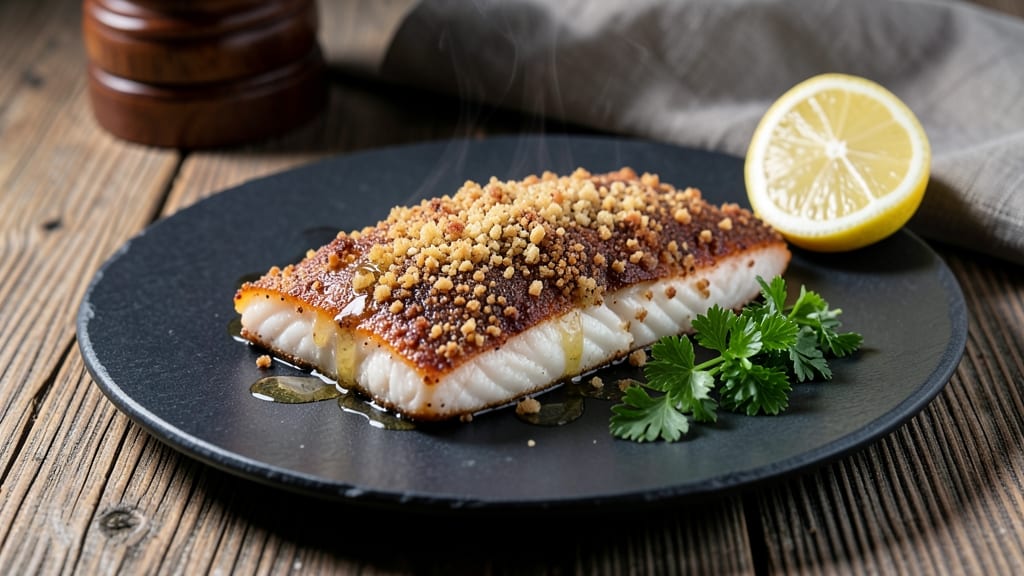
This baked potato-crusted cod recipe transforms simple ingredients into a restaurant-worthy dish with a crispy, golden crust and perfectly flaky fish inside. The secret lies in a creamy mashed potato base mixed with breadcrumbs and herbs, creating a texture that rivals traditional breading while keeping the cod impossibly tender.
I developed this technique after years of struggling with soggy crusts—this method solves that problem completely.
The process begins with baking russet potatoes until tender, then mashing them with butter, cream cheese, and seasonings to create the perfect binding base. This mixture gets mixed with panko breadcrumbs and parsley for extra crunch and color, then pressed onto cod fillets before baking.
The result? A crispy, flavorful exterior that contrasts beautifully with the delicate, buttery fish underneath.
Ready in just 30 minutes, this dish delivers restaurant-quality results without the fuss. The potato crust adds a comforting, savory element that pairs perfectly with lemon-dill sauce or a simple salad.
Every bite offers that satisfying crunch followed by melt-in-your-mouth cod—it’s the kind of meal that makes weeknight dinners feel special.
Perfect for feeding a family or impressing guests, this recipe scales easily while maintaining its crispy perfection. The key is baking at the right temperature—400°F ensures a golden crust without overcooking the fish. Serve with roasted asparagus or a bright citrus salad to complete the meal. Let’s get cooking!
Ingredients for baked potato crusted cod
Transform simple pantry staples into restaurant-quality cod with this crispy potato-crusted masterpiece.
| Ingredient | Amount | Notes |
|---|---|---|
| Russet Potatoes 🥔 | 2 large | Baked until fork-tender |
| Cod Fillets 🐟 | 4 pieces | 6-8 oz each, skinless |
| Unsalted Butter 🧈 | ½ cup | Cold, cut into cubes |
| Cream Cheese 🧀 | 4 oz | Room temperature, full-fat |
| Panko Breadcrumbs 🍞 | 1 ½ cups | Japanese-style preferred |
| Fresh Parsley 🌿 | ¼ cup | Chopped, stems removed |
| Garlic Cloves 🧄 | 3 cloves | Minced, fresh preferred |
| Lemon Juice 🍋 | 2 tbsp | Freshly squeezed |
| Salt 🧂 | 1 ½ tsp | Diamond Crystal preferred |
| Ground Black Pepper 🌶️ | ½ tsp | Freshly ground preferred |
| Olive Oil 🫒 | 2 tbsp | For greasing baking dish |
| Fresh Dill 🌿 | 2 tbsp | Chopped, for garnish |
| Lemon Zest 🍋 | 1 tsp | From 1 lemon, for brightness |
The russet potatoes are the foundation here—Idaho-grown russets from the store's produce section work perfectly, but organic russets from Whole Foods elevate the flavor further. Bake them until completely tender (no resistance) so they mash smoothly. The cod fillets should be uniform in size—6-8 ounces each ensures even cooking. If your fillets vary in thickness, gently pound the thicker pieces to match. Fresh cod from the seafood counter at Trader Joe's or your local fishmonger is ideal, but frozen cod thawed overnight works in a pinch. The key is handling the fish gently to avoid tearing.
No panko? Regular breadcrumbs toasted in a dry pan for 3-4 minutes work as a substitute, though they lack the signature crunch. Substituting cream cheese with Greek yogurt or mashed potato keeps the recipe vegetarian while maintaining creaminess. For extra flavor depth, add 1/2 teaspoon smoked paprika to the potato mixture. The lemon juice and zest can be swapped for lime juice and zest if you prefer a tropical twist. Fresh herbs are non-negotiable here—they add the bright, fresh contrast that makes this dish shine. If you're short on parsley, cilantro works beautifully in the crust mixture.
Prep the potato mixture ahead and store it covered in the fridge for up to 24 hours—it actually tastes better the next day as flavors meld. The crust mixture should be chilled for 15-20 minutes before pressing onto the cod to help it adhere better. Baked cod reheats beautifully—cover with foil and warm in a 350°F oven for 10-12 minutes. For meal prep, assemble the cod on a baking sheet and refrigerate uncovered for up to 4 hours before baking to create an extra crispy crust. Serve immediately for that perfect crunch contrast.
Why You'll Love This Recipe
- No Chopping Needed: I swear by this trick—just mash the potatoes raw, no boiling, no peeling. The texture stays perfect, and honestly? It’s the kind of recipe where you’re done before the timer goes off.
- Creamy-Crisp Magic: That potato crust isn’t just crunchy—it’s buttery and flaky, while the inside stays tender. The cream cheese adds this rich, almost lobster-biscuit vibe without the fuss.
- Weeknight or Dinner Party: Same prep, two vibes. Serve it with lemon wedges for a quick weeknight meal, or add a garnish of parsley and a drizzle of aioli for guests. It handles both like a champ.
- Leftovers That Don’t Suck: Unlike fried fish, this holds up for days. Reheat in the oven for 5 minutes, and it’s just as good as fresh. (Yes, even on a Tuesday night.)
Step-by-step instructions for baked potato crusted cod
Here's the method for achieving that perfect golden crust and tender fish every time.
Prepare the Potato Crust Mixture
Preheat your oven to 400°F and position a rack in the middle position. In a food processor, combine the 2 large baked russet potatoes (cooled and peeled), 4 oz cream cheese, 0.5 cup cold unsalted butter, 1.5 cups panko breadcrumbs, 1.5 tsp salt, and 0.5 tsp ground black pepper. Pulse until the mixture forms a coarse, crumbly texture that holds together when pressed.
This texture is crucial—it should be moist enough to stick to the fish but still allow for that crispy exterior. If it feels too dry, add 1-2 teaspoons of lemon juice to help bind it. Spread the mixture evenly on a parchment-lined baking sheet and bake for 10 minutes to dry out slightly and enhance the crispiness.
Season and Prepare the Cod Fillets
While the crust mixture bakes, pat the 4 pieces cod fillets dry with paper towels—this ensures maximum crispiness when they hit the oven. In a small bowl, mix 2 tbsp lemon juice, 1 tsp lemon zest, 2 tbsp chopped fresh parsley, 2 tbsp chopped fresh dill, and 1 minced garlic clove. Brush this mixture evenly over both sides of each fillet, pressing gently to help it adhere.
The lemon and herbs not only add bright flavor but also create a barrier that prevents the fish from sticking to the crust too aggressively. Let the fillets sit for 5 minutes at room temperature while you prepare the baking dish. This brief resting period ensures even cooking throughout.
Assemble and Crust the Cod
Grease a large baking dish with 2 tbsp olive oil. Place one of the baked potato crust mixtures on the bottom of the dish, pressing it evenly to create a thin, even layer. Gently place a cod fillet on top of the crust, centering it carefully. Repeat this process with the remaining fillets and crust, ensuring each piece of fish is fully covered with the crust mixture.
Press down lightly on each fillet to help the crust adhere. The crust should be about ¼-inch thick around the fish. If any gaps appear, use your fingers to press additional crust mixture into place. This step is where the magic happens—proper adhesion ensures that crispy crust stays intact when you serve it.
Bake to Crispy Perfection
Transfer the baking dish to the preheated oven and bake for 15-18 minutes, until the crust is deep golden brown and the fish is cooked through. You'll know it's ready when the crust releases easily from the sides of the dish and the fish flakes apart with gentle pressure from a fork.
For the final touch, broil on high for 1-2 minutes to intensify the color and crispiness of the crust. Keep a close eye on it during this time, as broiling can happen quickly. Remove from the oven and let the cod rest for 3 minutes before serving to allow the juices to redistribute.
Pro Tips For Making Baked Potato Crusted Cod
- PREP POTATOES LIKE FROZEN FRIES: Slice your Russets paper-thin—no thicker than 1/8 inch—then soak them in cold water for 10 minutes before draining. This keeps them crispy instead of gummy, and saves you from scrubbing off starch that’ll turn your crust gluey. (Yes, even if you’re impatient like me, resist skipping this.)
- DON’T SKIP THE POTATO DRY: After slicing, spread them on a towel and pat them bone-dry with paper towels. Wet potato slices steam instead of crisp, and that’s how you end up with a soggy, sad crust. I learned this the hard way—my first batch looked perfect until the oven hit 400°F.
- USE CREAM CHEESE LIKE GLUE: Mix the cream cheese with melted butter until it’s completely smooth—no lumps, no streaks. Rough cream cheese won’t bind the crumbs to the cod, and your crust will flake off like sad confetti. A fork works, but I swear by a hand mixer for 10 seconds—it guarantees a cohesive, golden crust.
- BAKE COLD, NOT WARM: Let your assembled cod sit uncovered in the fridge for 15 minutes before baking. This prevents the butter from melting too fast and turning the panko into a greasy mess. I was skeptical until I tried it—now it’s non-negotiable for me.
Common mistakes when making this dish
Overcooking the Fish
Cod has a delicate texture that turns rubbery when overcooked—this is my biggest pet peeve with fish dishes. The key is timing: pull the cod from the oven when it reaches an internal temperature of 145°F, which usually takes about 15-18 minutes at 400°F.
Use an instant-read thermometer to check the thickest part of the fillet. If you see the crust browning too quickly, tent it loosely with foil to prevent over-browning while the fish finishes cooking. 🌡️
Skipping the Resting Time
I used to rush this step and always regretted it—the crust would stay intact, but the fish would be dry and crumbly. Always let the cod rest for 3-5 minutes after baking. This allows the juices to redistribute throughout the fillet, keeping it moist.
Place the cod on a wire rack over a plate to catch any drippings, which helps maintain that perfect texture. Patience here makes all the difference!
Uneven Crust Thickness
An inconsistent crust leads to some pieces being soggy while others burn. Spread the potato mixture evenly on the baking dish before adding the cod—aim for about ¼-inch thickness. Press down gently on the crust after placing the fillets to ensure full coverage.
If you notice gaps, use your fingers to press additional crust mixture into place. This step is where many home cooks go wrong, but it’s worth the extra effort for that perfect crunch. 🍽️
Using Wet Ingredients
Moisture is the enemy of crispiness—this is a lesson I learned the hard way. Make sure your cod fillets are completely dry before assembling, and avoid adding too much liquid to the crust mixture.
If the potato mixture feels too wet, spread it on a baking sheet and bake for 10 minutes to dry it out slightly before using. Also, pat any excess moisture from the baking dish with a paper towel before pressing the crust onto the cod.
Ignoring the Pre-Bake Step
Many recipes skip the crucial 10-minute pre-bake of the crust mixture, which is what gives it that signature crunch. Spread the crust on a baking sheet and bake it before assembling the cod—this step dries out the surface, ensuring maximum crispiness.
Without this step, your crust will end up soft and unappetizing. Trust me, it’s worth the extra 10 minutes of baking time! ⏰
Not Using Room-Temp Ingredients
Cold cream cheese and butter can cause the crust mixture to become lumpy and uneven. Let your cream cheese and butter come to room temperature before mixing—this ensures a smooth, cohesive texture. If you’re in a hurry, you can microwave the cream cheese for 10-15 seconds to soften it slightly.
Room-temperature ingredients also help the crust adhere better to the cod, preventing it from falling apart when you serve it.
Nutrition facts
Frequently asked questions
Can I use frozen cod for this recipe?
Yes, but thaw it properly first! Place frozen cod in the refrigerator for 24 hours or use the quick thaw method: seal in a leak-proof bag and submerge in cold water (change water every 30 minutes). Never thaw at room temperature, as this promotes bacterial growth. Pat fillets completely dry before assembling—any moisture will make the crust soggy.
How do I make this dish gluten-free?
Replace panko breadcrumbs with 1.5 cups gluten-free breadcrumbs or crushed gluten-free crackers. For extra crispiness, toast them in a dry pan for 3-4 minutes before mixing with the potato base. Also check your cream cheese label for hidden gluten—some brands add it as a thickener. The texture will be slightly different but still delicious!
Can I prepare the crust mixture ahead of time?
Make the crust mixture up to 24 hours ahead and store it covered in the fridge. Let it sit at room temperature for 15 minutes before using to help it bind better to the cod. For best results, pre-bake the crust on a sheet pan for 10 minutes before assembling with the fish—this ensures maximum crispiness when you bake it later.
What's the best way to reheat leftovers?
Reheat gently to preserve that crispy texture. Cover with foil and warm in a 350°F oven for 10-12 minutes, then uncover and broil for 1-2 minutes to restore crispiness. Avoid microwaving—it makes the crust soggy. For extra crunch, sprinkle with breadcrumbs and reheat in the oven. Leftovers keep well for 2 days in the fridge.
Why is my crust falling apart?
This usually happens from one of three issues: the cod wasn't dry enough, the crust mixture was too wet, or you didn't press it firmly enough. Double-check that your fillets are completely dry before assembling. If the mixture feels too wet, spread it on a baking sheet and bake for 10 minutes to dry it out. Press the crust firmly around each fillet—this helps it stick together during baking.