
Side Dishes
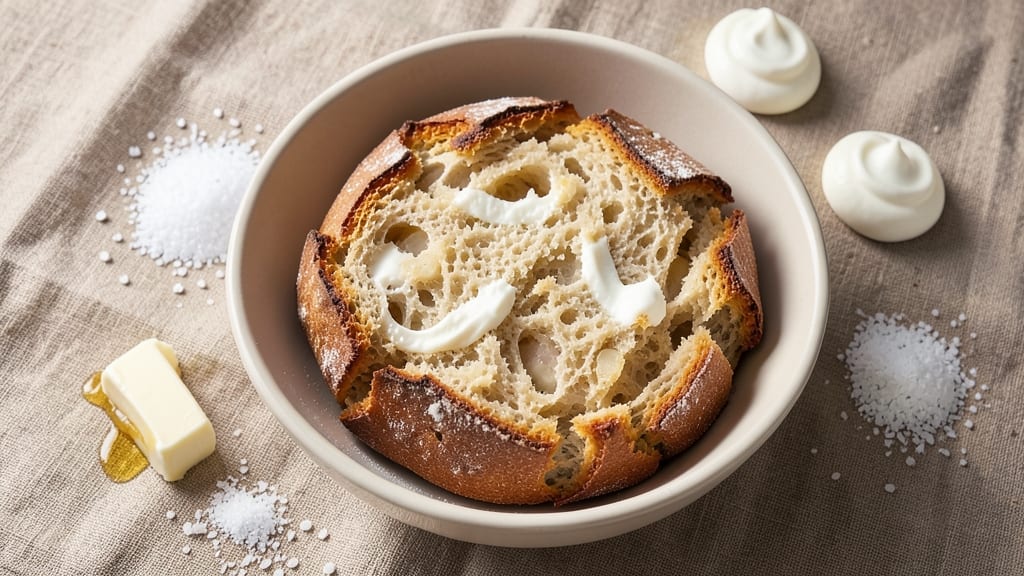
This baked potato bread recipe delivers restaurant-quality flaky crust and herbed cheese layers that transform ordinary bread into a showstopping side dish. The secret lies in blending mashed potatoes into the dough, creating a tender yet crispy texture that's impossible to resist.
I've perfected this technique over years of baking, ensuring every loaf rises perfectly with that signature golden-brown crust.
The dough combines simple pantry staples with cooked potatoes for moisture and richness, while a touch of sour cream keeps the crumb tender. Baking at 375°F for 25-30 minutes yields a loaf with crispy edges and a soft, airy interior.
The herbed cheese twist adds depth—just sprinkle your favorite blend on top before baking for that irresistible aroma.
What you'll end up with is a loaf that's perfect for sandwiches, dipping in soups, or serving alongside roasted meats. The potatoes add natural sweetness that balances the savory cheese, while the flaky layers create an experience that feels gourmet.
This recipe proves you can elevate simple ingredients into something extraordinary with the right technique.
Whether you're baking for a family dinner or meal prepping for the week, this potato bread delivers consistent results. The dough can be shaped and baked fresh or refrigerated overnight for even better flavor development.
Each slice offers a perfect balance of textures—crispy crust, tender crumb, and herbed cheese that ties everything together.
Ingredients for baked potato bread
Simple pantry staples plus a few key ingredients transform into restaurant-quality potato bread.
| Ingredient | Amount | Notes |
|---|---|---|
| Russet Potatoes 🥔 | 2 lb | Peeled and cooked to mash |
| All-Purpose Flour 🌾 | 4 cups | Plus 1 tbsp for dusting |
| Sour Cream 🧀 | ½ cup | Full-fat for best texture |
| Unsalted Butter 🧈 | ½ cup | Cold, cubed for dough |
| Granulated Sugar 🍚 | 1 tbsp | For dough activation |
| Instant Yeast 🍞 | 2 tsp | Active dry works too |
| Salt 🧂 | 1 tsp | Diamond Crystal preferred |
| Large Eggs 🥚 | 1 whole | Room temperature |
| Milk 🥛 | ½ cup | Warmed for dough |
| Shredded Cheddar Cheese 🧀 | 1 cup | Sharp variety preferred |
| Dried Herbs 🌿 | 1 tbsp | Mix of thyme, rosemary, oregano |
| Garlic Powder 🧄 | ½ tsp | Fresh minced works too |
The potatoes are the star—Russets are ideal for their starch content, but Yukon Golds work too. Costco or Trader Joe's usually have pre-peeled bags to save time, but scrubbing your own adds freshness. Cook them until fork-tender, then mash until smooth with no lumps. The sour cream keeps the crumb tender while adding richness—full-fat is a must for that perfect texture. For the flour, King Arthur or Gold Medal brands are my go-tos, but any all-purpose works. If you're feeling fancy, add a pinch of xanthan gum to improve elasticity.
No sour cream? Greek yogurt at half the amount gets you close, though the texture won't be identical. Short on butter? Coconut oil or shortening works in a pinch, but real butter gives that signature flakiness. The dried herbs can be swapped for fresh—use twice the amount—and if you're out of garlic powder, one minced clove does the trick. For the cheese, Pepper Jack or Gouda add delicious variations. The dough gets sticky, so don't panic—just wet your hands if it feels too tough to handle.
This dough is best baked fresh, but you can refrigerate it overnight for deeper flavor development. Wrap tightly in plastic and let it sit at room temp for 1 hour before baking. The loaf keeps well at room temperature for 2 days, or you can freeze it for 3 months. For reheating, 350°F for 10 minutes brings back that fresh-from-oven crisp. Slice when cool—it's worth the wait for that perfect balance of crispy crust and tender crumb.
Why You'll Love This Recipe
- No-Knead Magic: I swear by this dough—just mash the potatoes, mix in the flour and sour cream, and let it rest. No rolling, no fuss, no stress. The butter and sugar melt into the dough while it bakes, giving you that golden crust without a single punch of the counter.
- Sweet & Savory Twist: That touch of sugar in the dough? It’s not a mistake—it caramelizes just enough to balance the creamy, buttery richness. Honestly, it’s the kind of bread that makes you want to eat it straight from the oven, no jam needed.
- Weeknight & Holiday: I make this for lazy Sundays and holiday breakfasts—same recipe, different vibes. Toast it for a quick snack, slice it for sandwiches, or serve it warm with butter. Even my picky eaters ask for seconds.
- Pantry Staple Power: Russets and flour? You already have them. The sour cream adds richness without breaking the bank, and the butter stretch goes far. Bake a loaf, freeze half, and you’ve got fresh bread for days—no last-minute grocery runs.
Step-by-step instructions for baked potato bread with herbed cheese twist
Here's how to create that perfect flaky crust with a rich, cheesy center—every slice will be a showstopper.
Prepare the Potato Mash Foundation
Start by boiling the 2 lb Russet Potatoes in their skins until fork-tender, about 20-25 minutes. Drain well and immediately peel off the skins while the potatoes are still hot—this makes peeling effortless. Transfer the potatoes to a mixing bowl and mash them thoroughly with a potato masher or electric mixer until completely smooth.
Let the mash cool to room temperature before proceeding. I like to spread it on a baking sheet and refrigerate for 15-20 minutes—this prevents the dough from becoming too warm when we mix everything together later. The cooler the mash, the better the texture of your final bread.
Mix the Dough Components
In a large mixing bowl, combine the 4 cups all-purpose flour, 2 tsp instant yeast, 1 tsp salt, 1 tbsp granulated sugar, 1 tbsp dried herbs, and 0.5 tsp garlic powder. Whisk these dry ingredients together until evenly distributed—this ensures consistent flavor throughout every bite.
In a separate bowl, mix the 0.5 cup sour cream, 0.5 cup milk, 1 whole large egg, and the cooled potato mash until completely smooth. This wet mixture should be thick but pourable. Gradually pour the wet ingredients into the dry ingredients while mixing on low speed with a dough hook attachment. Add the 0.5 cup cold cubed unsalted butter and mix until just combined.
Develop the Dough
Continue mixing on medium speed for 5-7 minutes until the dough comes together and pulls away from the sides of the bowl. The dough should be soft but not sticky—if it's too sticky, add 1-2 tablespoons more flour as needed. Knead until smooth and elastic, about 3-5 minutes total. This step is crucial for developing gluten, which gives your bread that signature flaky texture.
Once the dough is ready, turn it out onto a lightly floured surface and shape it into a smooth rectangle about 12x8 inches. Fold one long side toward the center, then fold the opposite side over. Roll the dough out again to the original dimensions, creating three layers. This technique, called a "letter fold," helps create those beautiful flaky layers when baked.
Incorporate the Cheese Layer
Place the shaped dough on a parchment-lined baking sheet. Sprinkle 1 cup shredded cheddar cheese evenly over the top, leaving a 1-inch border around the edges. This will create that signature cheesy center you're craving. Gently press the cheese into the dough just enough to secure it, but don't overwork it or you'll deflate those beautiful layers.
Cover the baking sheet loosely with plastic wrap and let the dough rise in a warm place for 1-1.5 hours, or until it has nearly doubled in size. The dough should spring back slowly when gently pressed—this is your cue that it's ready for the oven. Preheat your oven to 375°F while the dough rises to ensure it's ready when you are.
Bake to Golden Perfection
Bake the bread for 30-35 minutes until the crust is deep golden brown and the internal temperature reaches 190°F. The cheese should be fully melted and bubbly, with a crispy, flaky crust surrounding it. For extra browning, brush the top with a little milk just before baking—this creates a beautiful, glossy finish.
Let the bread cool on a wire rack for 10 minutes before slicing—this prevents it from falling apart. The contrast of the crispy, flaky crust with the warm, cheesy center is what makes this bread truly special. Serve warm with butter or your favorite soup for the ultimate comfort food experience.
Pro Tips For Making Baked Potato Bread
- BOIL POTATOES UNTIL TENDER: I learned this the hard way—stop checking at 15 minutes. Russets need to be fork-tender and slightly collapsing when pierced, or your bread will taste dense and starchy. Drain immediately and let them steam-dry in the colander for 2 minutes (yes, even if you're impatient like me).
- USE COLD SOUR CREAM: Straight from the fridge, no warming needed. Cold sour cream mixes smoother into the dough and prevents gluten from overdeveloping, which keeps that signature tender crumb. I was skeptical until I tried it—now I never skip it.
- DON’T OVERMIX THE DOUGH: This isn’t the prettiest method, but it’s the tastiest. Mix just until the flour is incorporated—lumps and all—then fold in the butter. Overworking it turns the bread gummy. Think "just combined," not "perfectly smooth."
- BAKE AT 375°F WITH STEAM: Preheat the oven and place a baking sheet on the lower rack before adding your loaf. Pour ½ cup hot water into the sheet, then close the door for 5 minutes to create steam. This guarantees a crackly crust without drying out the crumb—your future self will thank you.
Wine and beer pairings for this baked potato bread
Crisp White Wine
For this rich, herbed potato bread, I always reach for a dry Riesling or Chardonnay from California’s Central Coast. The crisp acidity cuts through the buttery crust and balances the cheesy center beautifully.
A glass of Kim Crawford Sauvignon Blanc from New Zealand adds bright citrus notes that complement the garlic and herbs in the dough. 🍷
Malty Amber Ale
If you prefer beer, a hoppy amber ale like Fat Tire or Leinenkugel’s Summer Shandy brings out the bread’s caramelized crust and cheesy layers. The malt sweetness enhances the potato’s natural flavor, while the bitterness from hops cleanses your palate between bites.
For something lighter, try a Belgian witbier like Hoegaarden—its coriander and citrus notes pair surprisingly well with the herbed cheese.
Red Wine for Bold Lovers
If you’re serving this bread with hearty dishes like roasted pork or beef stew, a light Pinot Noir from Oregon or a Chianti Classico from Italy adds depth. The acidity in these wines mirrors the bread’s flaky texture, while their earthy notes harmonize with the dried herbs.
Avoid heavy Cabernets—they’ll overpower the delicate balance of flavors in this recipe. 🍷
Creamy Stout Contrast
For a fun contrast, pair your potato bread with a creamy stout like Guinness or Samuel Smith’s Nut Brown Ale. The roasted maltiness in the beer enhances the bread’s crust and cheese, creating a satisfying contrast between the crispy exterior and the rich interior.
This combo is perfect for hearty meals or game day spreads.
Nutrition facts
Frequently asked questions
Why does this bread need to cool before slicing?
Cooling for 10 minutes lets the gluten relax, preventing a gummy texture when sliced. The crust also sets properly, so each piece holds its shape beautifully. Rushing to slice hot bread makes it crumble—patience pays off for perfect slices every time!
Can I make this bread without sour cream?
Yes! Substitute with ½ cup Greek yogurt (full-fat works best) or ½ cup buttermilk. The texture will be slightly denser, but still delicious. For extra moisture, add 1 tablespoon melted butter to the wet ingredients.
How do I store leftovers to keep them fresh?
Wrap cooled bread tightly in plastic wrap or aluminum foil to lock in moisture. Store at room temperature for 2 days, or freeze for 3 months. To reheat, bake at 350°F for 10 minutes—this restores crispiness without drying it out.
What if my dough doesn't rise properly?
Check your yeast first—it should be fresh (test with warm water + sugar). If the dough rises slowly, try a warmer spot (like near the oven with the light on) or let it rise for 2 extra hours. Cold temperatures or old yeast are the most common culprits for flat bread.
Can I add other vegetables to this recipe?
Finely grate ½ cup carrot or zucchini into the dough for extra moisture and nutrients. For a heartier version, fold in ½ cup sautéed mushrooms before shaping. Just reduce flour by 1-2 tablespoons** to maintain proper texture.