Side Dishes
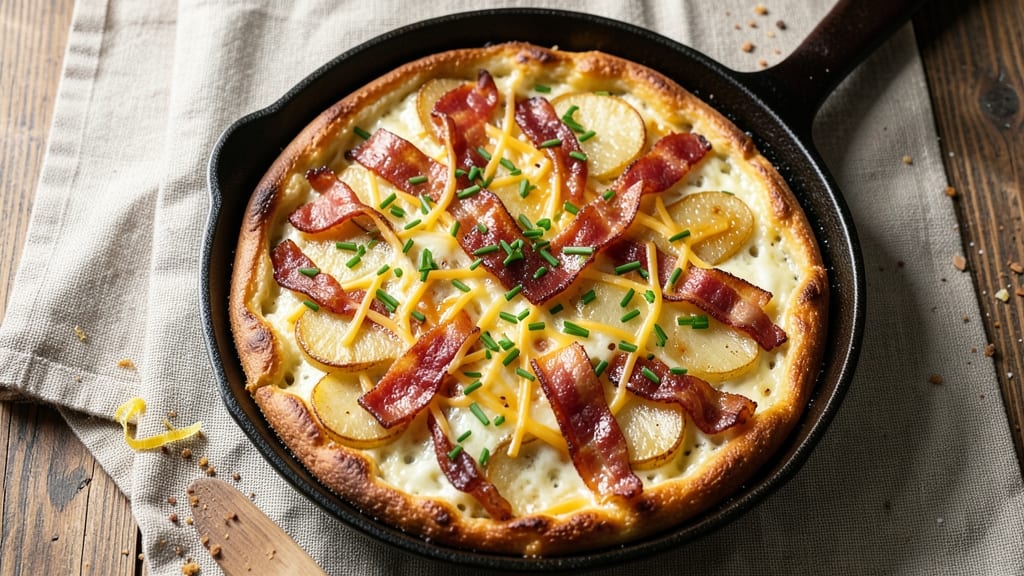
This bacon and potato frittata recipe delivers the perfect balance of crispy edges, crumbled bacon, and fluffy egg—all in one pan. The secret lies in layering thinly sliced potatoes and bacon first, then pouring the egg mixture over them for a golden, satisfying finish.
I’ve perfected this technique over years of weekend breakfasts, and it’s become a family favorite for its simplicity and rich flavors.
The beauty of this dish is its versatility: you can make it on the stovetop for a quick meal or finish it in the oven for extra crispiness. Start by cooking the bacon until crispy, then remove it and set aside.
Sauté the potatoes until tender but not browned, then pour in the beaten eggs with cheese and herbs. The result is a frittata with a crispy top, fluffy interior, and bacon crumbles in every bite.
What makes this recipe stand out is how it transforms simple ingredients into something restaurant-worthy. The potatoes soak up the egg mixture, creating a tender, creamy texture, while the bacon adds smoky depth.
Serve it warm with a side of fresh greens or crusty bread to soak up any extra egg mixture.
This frittata is ideal for brunch, a hearty lunch, or even a light dinner when paired with a simple salad. The best part? It’s ready in under 30 minutes, making it perfect for busy mornings or last-minute gatherings. Let’s get started!
Ingredients for bacon and potato frittata
Six simple ingredients transform into a crispy, bacon-studded masterpiece—perfect for weekend brunch.
| Ingredient | Amount | Notes |
|---|---|---|
| Large Eggs 🥚 | 6 whole | Room temperature for best blending |
| Heavy Cream 🥛 | ¼ cup | Full-fat for rich texture |
| Thinly Sliced Potatoes 🥔 | 2 cups | Russet or Yukon gold, 1/8-inch thick |
| Bacon 🥓 | 6 oz | Thick-cut, chopped into small pieces |
| Shredded Sharp Cheddar Cheese 🧀 | 1 cup | Freshly grated preferred |
| Fresh Chives 🌿 | ¼ cup | Chopped finely for garnish |
| Salt 🧂 | 1 tsp | Kosher or sea salt |
| Ground Black Pepper 🌶️ | ½ tsp | Freshly ground preferred |
| Unsalted Butter 🧈 | 2 tbsp | For crispy potato layer |
| All-Purpose Flour 🌾 | 1 tbsp | For egg mixture |
The bacon and potatoes are the stars here. Grab thick-cut bacon from the meat counter—it stays crispier longer. For potatoes, Yukon Golds give the best texture, but Russets work too (just slice them thinner). I always buy pre-shredded cheddar at Trader Joe's—it's consistent and melts perfectly. The eggs? Room temperature is key for fluffy results. No time to wait? Whisk them vigorously for 30 seconds—it helps. And trust me, the heavy cream makes this frittata restaurant-worthy (don't skip it!).
No thick-cut bacon? Thin-cut works—just cook it until extra crispy. Potatoes too watery? Pat them dry before slicing. Fresh chives wilting? Dried chives at half the amount save the day. For the cheese, Pepper Jack or Gruyère add great flavor twists. The butter matters—unsalted so you control the seasoning. And if you're gluten-sensitive, swap the flour for cornstarch (same amount).
This frittata shines best fresh but reheats beautifully—30 seconds in the microwave or 5 minutes in a skillet. Store leftovers in an airtight container for up to 3 days. Freezes for 1 month if you wrap it tightly. Pro tip: Portion into single servings before freezing—just pop one out for a quick breakfast. The crispy top? That's why we finish it under the broiler for the last 2 minutes—don't skip this part!
Why You'll Love This Recipe
- One-Pan Magic: I swear by this recipe because it’s the rare dish where the prep is just as satisfying as the eating. Thinly slice those potatoes the night before (or even buy pre-sliced for lazy days), cook the bacon straight in the pan, and toss everything together—no extra dishes, no stress.
- Salty-Creamy Crunch: Between us, the combo of crispy bacon, tender potatoes, and that sharp cheddar melting into a golden crust? It’s the kind of flavor that makes you pause mid-bite. The heavy cream gives it a velvety richness, while the potatoes soak up all the savory goodness like a sponge.
- Breakfast or Dinner: Honestly, I make this for both without batting an eye. Serve it warm with a side salad for brunch, or let it cool and pack it for lunch—it’s just as good cold. My college-aged kids grab it on the go, and my husband insists it’s "fancy enough" for date night (he’s not wrong).
- Budget Breakfast Win: This recipe stretches a few simple ingredients into a meal that feels indulgent. A pound of bacon and a bag of potatoes go a long way, and the eggs? They’re the cheapest protein around. Plus, leftovers reheat beautifully—my secret weapon for busy mornings.
Step-by-step instructions for bacon and potato frittata
Here's how to make a restaurant-style frittata with perfectly crispy edges and tender, flavorful fillings.
Cook the Bacon and Potatoes Together
In a 10-inch oven-safe skillet, cook the 6 oz bacon over medium heat until crispy, about 8-10 minutes. Use a slotted spoon to remove the bacon and set it aside on paper towels, leaving the rendered fat in the pan. This bacon fat is pure flavor gold for our potatoes.
Add the 2 cups thinly sliced potatoes to the skillet with the bacon fat and cook for 10-12 minutes, stirring occasionally, until the potatoes are golden brown and tender. They should release easily from the pan when tested with a fork. If the potatoes start sticking, add 1 tablespoon water and scrape up any browned bits from the bottom—they're packed with flavor.
Prepare the Egg Mixture
In a large bowl, whisk together the 6 whole large eggs, 0.25 cup heavy cream, 1 tablespoon all-purpose flour, 1 teaspoon salt, and 0.5 teaspoon ground black pepper until fully combined. I like to beat them vigorously for about 30 seconds to create a slightly frothy texture that will give our frittata a lighter interior. The flour helps create a silky, custard-like consistency.
Here's the thing—room temperature eggs blend better and create a smoother texture. If yours are straight from the fridge, let them sit at room temperature for 10-15 minutes before mixing. This small step makes a noticeable difference in the final texture.
Assemble and Cook the Frittata
Pour the egg mixture evenly over the cooked potatoes in the skillet. Sprinkle 1 cup shredded sharp cheddar cheese evenly over the top, then tilt the skillet gently to distribute the cheese. Return the bacon to the skillet, spreading it evenly over the eggs. The residual heat will help melt the cheese and crisp up the bacon again.
Transfer the skillet to a preheated 375°F oven and bake for 18-22 minutes until the top is golden brown and the center is just set. You'll know it's ready when the edges pull away slightly from the pan and the center doesn't jiggle when the skillet is shaken gently. If the top browns too quickly, tent it loosely with aluminum foil.
Finish with Fresh Herbs and Serve
Remove the frittata from the oven and let it rest for 5 minutes before slicing. This resting period allows the internal heat to distribute evenly, preventing a runny center when you cut into it. While it rests, sprinkle the 0.25 cup fresh chives evenly over the top for a bright, fresh finish that cuts through the richness.
Use a large spatula to slide the frittata onto a cutting board, then slice into 4 equal wedges. The crispy edges should contrast beautifully with the creamy egg center and tender potatoes. Serve immediately while the bacon is still crisp and the cheese is melted—this frittata tastes best fresh out of the oven!
Pro Tips For Making Bacon And Potato Frittata
- CRISP THE POTATOES FIRST: I learned this the hard way—skipping the pre-cook means soggy, gluey potatoes in your frittata. Sauté the thin slices in bacon fat over medium-high heat until golden and tender (about 8-10 minutes), then drain well on paper towels. The extra effort guarantees they stay crispy, not mushy, even after baking.
- SALT THE POTATOES EARLY: My grandmother swore by this, and she was right: Toss those potato slices with a pinch of salt before they hit the pan. It draws out moisture faster, so they crisp up properly instead of steaming in their own liquid. (Yes, even if you're impatient like me—wait the full 8 minutes.)
- USE A CAST-IRON SKILLET: This isn’t the prettiest method, but it’s the tastiest. Cast iron retains heat like nothing else, so you can start your frittata on high to set the bottom quickly, then drop to medium-low to finish cooking. Nonstick pans work, but they won’t give you that perfect crust or even heat distribution.
- DON’T OVERMIX THE EGGS: I was skeptical until I tried it: Whisk the eggs and cream just until combined—no need for fluffy meringue. Overmixing adds air, which can cause the frittata to puff up unevenly and collapse. A few streaks of white are fine; the goal is smooth, not silky.
Troubleshooting your bacon and potato frittata
Eggs Too Runny
If your frittata comes out undercooked with a runny center, it’s usually from uneven cooking or insufficient heat. First, make sure your oven is preheated to 375°F—cold spots can cause this.
I also recommend finishing with a 2-minute broil at the end to set the top completely. For extra insurance, use a meat thermometer to check the center reaches 160°F.
Another common cause is overcrowding the skillet—too much filling can trap steam and prevent even cooking. Stick to a 10-inch skillet and don’t exceed 2 cups potatoes for 6 eggs.
If you’re cooking on the stovetop, reduce heat to low-medium once the eggs start setting to avoid burning the bottom while the center cooks.
Potatoes Too Watery
Soggy potatoes ruin the texture, but this is easy to fix. Always pat your potato slices dry with paper towels before cooking—they release less moisture. I also recommend thinly slicing them (about 1/8-inch thick).
For extra crispiness, parboil the slices in salted water for 2 minutes, drain well, then cook them in the bacon fat until golden.
If your potatoes still turn out watery, try adding 1/4 teaspoon cornstarch to the egg mixture—it helps absorb excess moisture. Another trick? Cook the potatoes first in a dry skillet until they release their starches (about 3-4 minutes), then add the bacon fat.
This creates a crispy base that prevents sogginess.
Bacon Not Crispy
Crispy bacon is non-negotiable in this frittata! If yours comes out chewy, start with thick-cut bacon and cook it in a cold skillet over low heat for the first 2 minutes. This renders the fat slowly without burning.
Once the fat starts sizzling, increase heat to medium and cook until golden and crispy. For extra crunch, finish with 1 minute under the broiler after assembling the frittata.
Don’t skip removing the bacon from the pan before cooking the potatoes—this prevents the potatoes from steaming in excess fat. If your bacon loses crispiness during baking, broil it for 30 seconds at the very end.
Pro tip: Use a wire rack on top of the skillet while baking to keep the bacon crispy instead of soggy.
Cheese Not Melting
Unevenly melted cheese is usually from insufficient heat or not enough time. Make sure your cheese is freshly grated—pre-shredded cheese has anti-caking agents that prevent smooth melting.
For stubborn cheeses like Gruyère, sprinkle it on top after the frittata comes out of the oven and let it melt under the broiler for 1-2 minutes.
Another trick? Mix 1/4 teaspoon baking powder into the egg mixture—it helps the cheese melt more evenly. If your oven runs hot, tent the skillet loosely with aluminum foil during the first 10 minutes of baking, then remove it to let the top brown.
For extra gooey cheese, add a sprinkle of cream cheese along with the shredded cheddar.
Frittata Sticking
A stuck frittata is frustrating, but proper prep prevents this. Always use a well-seasoned cast-iron or nonstick skillet—I recommend Lodge cast iron for its natural nonstick properties. Before cooking, heat the skillet over medium heat for 2 minutes to ensure it’s hot enough.
If your skillet isn’t nonstick, add 1 tablespoon butter to the pan before cooking the potatoes.
For stubborn sticking, don’t scrape the pan too early—let the frittata rest for 5 minutes after baking, then run a thin offset spatula around the edges. If it’s still stuck, place a damp paper towel over the skillet and cover with a lid for 2-3 minutes to steam it loose.
As a last resort, invert the skillet onto a plate and gently tap the bottom to release it.
Nutrition facts
Frequently asked questions
Can I make this frittata ahead of time?
This frittata actually tastes better the next day. Store leftovers in an airtight container in the refrigerator for up to 3 days. Reheat individual portions in a skillet over medium heat for 3-4 minutes or microwave for 30 seconds covered with a damp paper towel. The texture stays moist and the flavors deepen!
What can I substitute if I don't have Yukon Gold potatoes?
Russet potatoes work perfectly—they just need slightly thinner slicing (1/16-inch instead of 1/8-inch) to cook through evenly. For waxy varieties like red potatoes, parboil them for 1 minute first to prevent them from falling apart. Sweet potatoes add a delicious twist too—just reduce baking time by 2-3 minutes since they're denser.
How do I make this frittata without heavy cream?
No problem! Use 1/4 cup whole milk or 2 tablespoons melted butter instead. For extra richness, add 1/4 cup sour cream to the egg mixture. The texture will be slightly less luxurious but still delicious. The flour in the recipe helps create a silky consistency even without cream.
Can I add other vegetables to this recipe?
Bell peppers, onions, or spinach work beautifully. For best results, sauté them with the potatoes until softened, then drain excess moisture before adding the eggs. Mushrooms add earthy depth—just cook them until all liquid evaporates. Keep the total vegetable volume to 1 cup to maintain the perfect egg-to-filling ratio.
Why does my frittata have a rubbery texture?
Overcooking or using cold eggs typically causes this. Always use room temperature eggs and cook until the center reaches 160°F. For stovetop versions, remove from heat when the edges are set but the center still jiggles slightly. The 2-minute broil at the end helps create crispy edges without overcooking the interior.