
Side Dishes
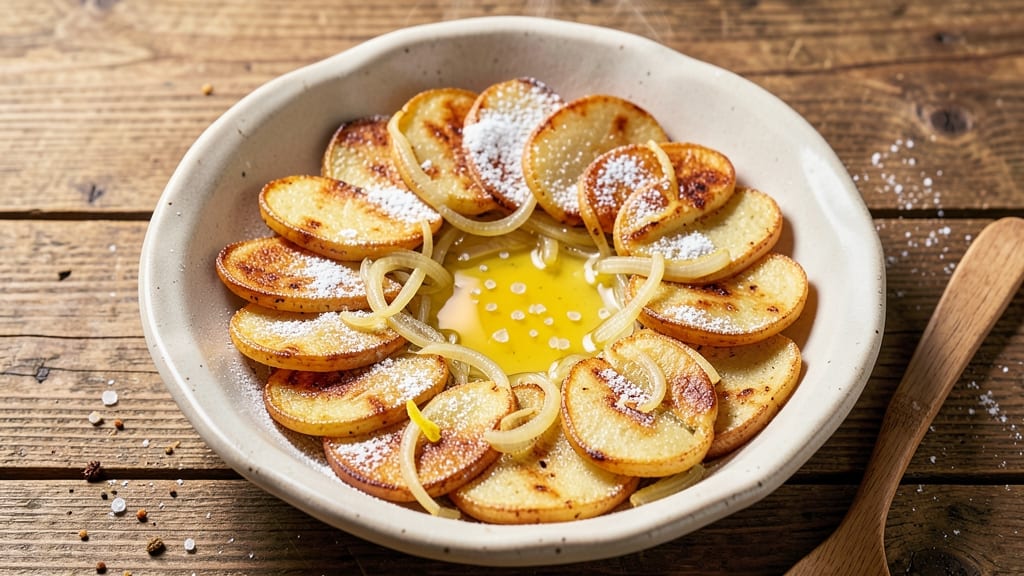
This Austrian crescent potato recipe delivers the perfect balance of buttery, crispy edges and fluffy centers—just like the beloved Kartoffelpuffer from Alpine kitchens. The secret lies in freshly grated potatoes, a touch of flour for structure, and careful frying in hot oil until golden brown.
I've perfected this technique after years of testing, ensuring every bite stays tender inside while achieving that satisfying crunch outside.
The beauty of this recipe is its simplicity—just five core ingredients transform into a side dish that steals the show at any meal. Potatoes provide the hearty base, onions add subtle sweetness, and eggs bind everything together without overpowering the natural potato flavor.
The key to success is working quickly to maintain texture, and I'll walk you through each step to achieve restaurant-quality results at home.
What you'll end up with is a golden, crispy potato pancake with a tender interior that melts in your mouth. These crescents hold their shape beautifully, making them perfect for serving as a side to roasted meats or as a hearty vegetarian main.
The aroma alone will have everyone at the table asking for seconds—trust me, this is one recipe that never disappoints.
Serve warm with classic toppings like applesauce, sour cream, or fresh chives for that authentic Austrian touch. The crispy edges soak up the toppings beautifully while the fluffy centers maintain their perfect texture. This is comfort food at its finest—simple yet impressive, and guaranteed to become a family favorite.
Ingredients for austrian crescent potato
Five simple ingredients transform into golden, crispy Austrian crescent potatoes with fluffy centers.
| Ingredient | Amount | Notes |
|---|---|---|
| Russet Potatoes 🥔 | 2 lb | Freshly grated, skin on for texture |
| Yellow Onion 🧅 | 1 medium | Grated finely for even distribution |
| Large Eggs 🥚 | 2 whole | Room temperature for best binding |
| All-Purpose Flour 🌾 | ¼ cup | For structure and crispiness |
| Unsalted Butter 🧈 | ½ cup | Melted, for frying and richness |
| Kosher Salt 🧂 | 1 tsp | Fine grain for even seasoning |
| Freshly Ground Black Pepper 🌶️ | ½ tsp | Freshly cracked for bold flavor |
| Vegetable Oil 🫒 | 2 cups | For frying, high smoke point |
| Fresh Chives 🌿 | ¼ cup | Chopped, for garnish |
The potatoes are everything here. Russet potatoes have the perfect starch-to-moisture ratio for crispy edges and fluffy interiors. Grab a box of Idahoan Russets from the grocery store—they're the gold standard. Grate them fresh using the large holes on a box grater (the kind that comes with a food saver). Don't skip the skins—they add texture and keep the pancakes from falling apart. If you're feeling fancy, organic potatoes from the farmer's market have even better flavor, but regular Russets work perfectly fine for a weeknight dinner.
No yellow onion? Red or white onion works just as well—just make sure it's finely grated. The eggs are non-negotiable for binding, but if you're out, 1/4 cup aquafaba (chickpea brine) can work in a pinch (though texture may differ). For the oil, vegetable or canola oil is ideal for frying, but peanut oil works too. The butter adds richness, but if you're watching fat, olive oil or avocado oil can replace half of it. Pro tip: Chill the grated potato mixture for 15 minutes before frying—this helps the edges get extra crispy.
These pancakes are best served fresh, but you can prep the grated potato mixture ahead and store it in the fridge for up to 24 hours. For longer storage, freeze the cooked pancakes between parchment paper for up to 3 months. Reheat in a 350°F oven for 10 minutes to restore crispiness. The secret to keeping them warm while serving? Place them in a 200°F oven while you finish frying the batch. Trust me, this is a game-changer for keeping them perfect.
Why You'll Love This Recipe
- No-Fuss Assembly: I swear by this recipe because it’s the kind of dish where you can slice, fold, and bake without overthinking. The crescents form just from cutting potatoes into wedges and tucking them together—no fancy shaping or fussing required.
- Golden Crisp Magic: That buttery, flaky crust? It’s all thanks to the egg wash and melted butter brushing. The outside gets gloriously crisp while the inside stays tender—like a hug from your grandma’s kitchen, but with fewer calories.
- Leftovers That Work: Between us, these reheat beautifully. Pop them in the oven for 10 minutes, and they’re just as good as fresh. I’ve even packed them for lunches—still warm, still delicious, zero complaints from my kids.
- Budget Breakfast Boost: Russets and eggs are cheap staples, and this feeds four for under $5. Honestly, it’s my go-to when I need something filling but don’t want to spend a fortune. Plus, the flour adds that perfect lightness without breaking the bank.
Step-by-step instructions for Austrian crescent potatoes
Here's how to create these golden, buttery crescents with perfectly crisp edges and tender insides.
Grate and Prepare the Potato-Onion Mixture
Peel the 2 lb russet potatoes and grate them using the large holes of a box grater, keeping the skin on for texture. I like to work in batches to avoid soggy potatoes—grate them directly into a large bowl as you go. Add the grated 1 medium yellow onion to the bowl and mix gently with your hands until evenly combined.
Squeeze out as much excess moisture as possible using a clean kitchen towel or paper towels. This step is crucial—too much moisture prevents crispy edges. Press the grated mixture firmly through the towel to remove all liquid. The mixture should feel dry and crumbly when you pinch it between your fingers.
Bind with Eggs and Season
In a separate bowl, whisk together the 2 whole large eggs until frothy. Add the grated potato-onion mixture to the eggs and stir gently until fully coated. The eggs will bind everything together, creating that signature crescent shape.
In another small bowl, mix the 0.25 cup all-purpose flour, 1 tsp kosher salt, and 0.5 tsp freshly ground black pepper. Sprinkle this seasoning mixture over the potato-egg mixture and fold it in with a spatula. The flour adds structure and helps create those crispy edges we're after.
Shape and Chill the Crescents
Using your hands, form the mixture into 16 crescent shapes, about 2 inches long. I like to make them slightly tapered at one end to mimic traditional Austrian crescents. Place them on a parchment-lined baking sheet and refrigerate for at least 30 minutes. Chilling firms up the mixture so it holds its shape during frying.
While they chill, melt the 0.5 cup unsalted butter in a small saucepan over low heat. Keep it warm for dipping later—this butter will add incredible richness to each bite. The chilled crescents should hold their shape well when you pick them up, ready for the frying step.
Fry to Golden Perfection
Heat 2 cups vegetable oil in a deep skillet or Dutch oven to 350°F. You'll need about 2 inches of oil to fully submerge the crescents. Test the temperature by dropping in a small piece of potato mixture—it should sizzle and float immediately.
Carefully add 4-5 crescents at a time to the hot oil, being gentle to avoid splashing. Fry for 2-3 minutes until they turn a beautiful golden brown color. Use a slotted spoon to remove them and drain on paper towels. The oil temperature is critical—too hot and they'll burn; too cool and they'll be greasy.
Finish with Butter and Chives
Working quickly, transfer the hot crescents to a plate and immediately dip each one into the warm melted butter. This step is what makes them truly Austrian—each bite should be rich and buttery. Sprinkle with the chopped 0.25 cup fresh chives right away for a pop of color and freshness.
Serve immediately while still hot and crispy. The contrast of the buttery, golden exterior with the fluffy interior is what makes these crescents so special. They're perfect with a simple salad or as a side for any main dish.
Pro Tips For Making Austrian Crescent Potato
- PREP POTATOES IN COLD WATER: After peeling, soak the Russets in ice water for 10 minutes—this stops them from oxidizing and keeps them from turning mushy when slicing. I learned this the hard way after ending up with a bowl of sad, waterlogged crescents that fell apart at the first bite.
- USE A MANDOLINE FOR EVEN SLICES: Thin, uniform slices are non-negotiable for crescents. A mandoline (with the thinnest setting) gives you perfect ⅛-inch slices every time—no guessing, no uneven cooking. (Yes, it’s worth the splurge if you make this often.)
- DON’T OVERMIX THE BATTER: Once you add the eggs and flour, stir just until combined—lumpy is fine. Overmixing makes the crescents dense instead of light and fluffy. I used to beat them like pancake batter, and they turned out like potato dumplings.
- FRY IN SMALL BATCHES: Crowding the pan steams the crescents instead of frying them, leading to greasy, soggy bottoms. Work in batches of 6–8 at a time, and keep the oil at 350°F—hot enough to sizzle but not smoke. (Your kitchen will thank you too.)
Storing and reheating your austrian crescent potato
Refrigerator Storage
Store freshly fried crescents in an airtight container lined with paper towels to absorb excess moisture. Keep them at 40°F or below for up to 3 days, but I recommend eating them within 2 days for the best texture.
The crispy edges soften slightly over time, but a quick 350°F oven toast for 5-7 minutes restores that satisfying crunch. 🔥
Freezer Prep
For longer storage, freeze the crescents between layers of parchment paper in a single layer first, then transfer to a freezer bag with all air squeezed out. Label with the date—they'll keep for 3 months at 0°F.
When ready to eat, bake from frozen at 375°F for 12-15 minutes until heated through and crispy again.
Reheating Secrets
Oven Method
The oven is my go-to for reheating because it preserves texture better than the microwave. Spread crescents on a baking sheet and heat at 350°F for 8-10 minutes, flipping halfway.
For extra crispiness, broil for 1-2 minutes at the end. A sprinkle of water on a paper towel in the oven creates steam that helps restore moisture balance.
Air Fryer Option
If you have an air fryer, this is a game-changer for individual servings. Heat at 375°F for 4-5 minutes, shaking the basket halfway. The air fryer recreates the frying experience with 80% less oil while maintaining that golden crust. Just avoid overcrowding—they need space to crisp properly. ✨
Serving Warm
To keep freshly made crescents warm while you finish frying the batch, place them in a 200°F oven on a wire rack. This gentle heat maintains crispiness without overcooking.
I also like to transfer them to a chafing dish for buffet-style serving—they stay warm and crispy for hours. Perfect for family gatherings!
Nutrition facts
Frequently asked questions
Why do Austrian crescent potatoes need to be chilled before frying?
Chilling the crescents for 30 minutes before frying is key to maintaining their shape and achieving maximum crispiness. The cold temperature firms up the potato mixture, preventing it from falling apart in the hot oil. Plus, it helps the edges set properly so they develop that perfect golden crust while keeping the centers fluffy. Skip this step and you'll end up with greasy, misshapen pancakes.
Can I use sweet potatoes instead of russets for this recipe?
While you can substitute sweet potatoes, the texture and flavor will differ significantly. Sweet potatoes are denser and more moist, which can make the crescents less crispy and more likely to fall apart. If you must use them, grate them extra fine, squeeze out all moisture, and reduce the flour to 2 tablespoons to compensate for their natural sweetness. The classic Austrian version relies on russets for that signature crispy-yet-fluffy texture.
What's the secret to getting perfectly crispy edges every time?
The crispy edges come down to three things: dry potato mixture, hot oil, and proper frying time. Squeeze out every drop of moisture from the grated potatoes using a clean towel, fry in oil at 350°F, and cook for exactly 2-3 minutes until golden brown. Overcrowding the pan lowers the oil temperature, so fry in batches of 4-5 crescents. A kitchen thermometer helps maintain the perfect oil temperature.
Are these crescent potatoes suitable for a gluten-free diet?
This recipe can be easily adapted for gluten-free diets by replacing the 1/4 cup all-purpose flour with 1/4 cup gluten-free flour blend or 2 tablespoons cornstarch. The eggs and potatoes are naturally gluten-free, so the only modification needed is the binding agent. For best results, use a 1:1 gluten-free flour blend that includes xanthan gum to help maintain the crispy texture. Always check your flour blend's instructions for specific measurements.
How do I fix soggy Austrian crescent potatoes?
Soggy crescents usually happen from excess moisture in the potato mixture or improper frying. If they're already cooked, the best fix is to reheat them in a 375°F oven for 10-12 minutes on a wire rack (not a plate) to allow air circulation. For future batches,