
Side Dishes
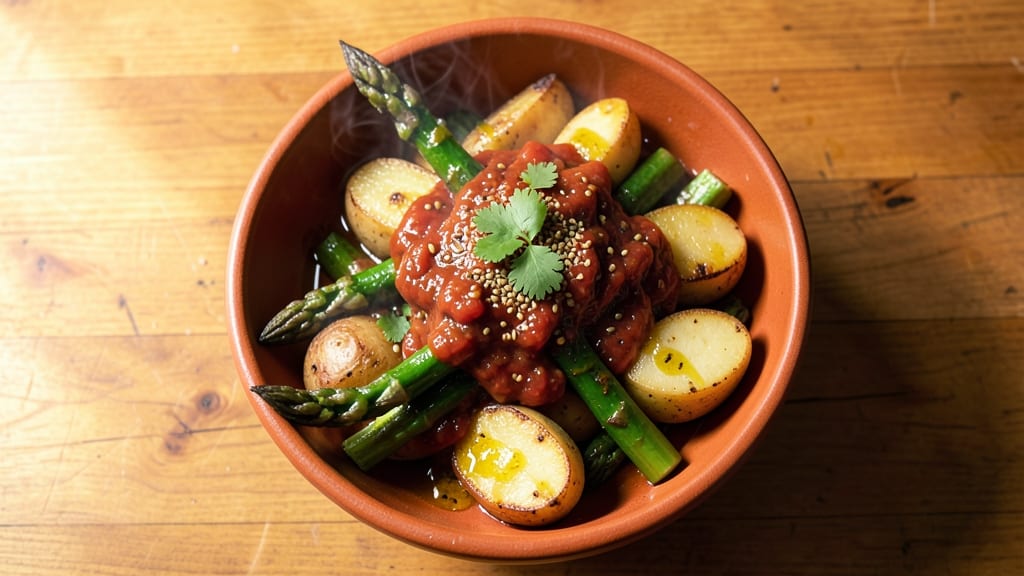
This turmeric-ginger asparagus and potato Indian recipe transforms simple vegetables into a fragrant, aromatic side dish that pairs perfectly with roti or rice. The secret lies in slow-cooked spices that meld into the tender vegetables, creating a dish that's both comforting and vibrant.
I developed this recipe after discovering how well asparagus holds up to Indian spices—its natural sweetness balances the earthy potatoes beautifully.
What sets this dish apart is the tempering technique (tadka), where whole spices bloom in hot oil to release their full flavor. Turmeric and ginger form the aromatic base, while cumin and mustard seeds add depth.
The vegetables cook just until tender-crisp, ensuring every bite delivers both texture and flavor. This method works equally well for North or South Indian variations—just adjust the spice levels to your preference.
The result is a side dish that's restaurant-quality at home, with golden potatoes and bright green asparagus spears bathed in a fragrant, spiced sauce. The aroma alone will have everyone at the table asking for seconds.
Serve it alongside biryani, dal, or grilled meats for a complete meal that feels special yet requires minimal effort.
Perfect for weeknight dinners or special occasions, this recipe scales easily—double the batch for gatherings. The key is patience during the tempering and simmering stages, which allows the spices to develop their full complexity. Trust me, once you try this method, you'll never buy pre-made sides again.
Ingredients for asparagus and potato indian
These aromatic ingredients transform simple vegetables into a restaurant-quality Indian side dish.
| Ingredient | Amount | Notes |
|---|---|---|
| Asparagus Spears 🌿 | 1 ½ lb | Trimmed and cut into 2-inch pieces |
| Baby Potatoes 🥔 | 1 ½ lb | Halved, skin-on for texture |
| Extra-Virgin Olive Oil 🫒 | ⅓ cup | For tempering and sautéing |
| Ground Cumin Seeds 🌿 | 1 tbsp | Toasted for deeper aroma |
| Mustard Seeds 🌶️ | 1 tsp | Whole, for authentic tadka |
| Fresh Turmeric Root 🌿 | 1 tbsp | Grated, vibrant yellow color |
| Fresh Ginger Root 🌿 | 1 tbsp | Grated, aromatic and fresh |
| Green Chili 🌶️ | 1 whole | Slit lengthwise for mild heat |
| Garam Masala 🌶️ | 1 tsp | Ground, for final seasoning |
| Kasuri Methi (Dried Fenugreek Leaves) 🌿 | ½ tsp | Crushed for aromatic finish |
| Salt 🧂 | 1 tsp | Kosher or sea salt |
| Lemon Juice 🍋 | 1 tbsp | Freshly squeezed |
| Fresh Coriander Leaves 🌿 | ¼ cup | Chopped, for garnish |
The spices are where the magic happens. Whole cumin and mustard seeds should be toasted until fragrant in hot oil—this is non-negotiable for authentic flavor. For turmeric and ginger, fresh roots are essential—they release more aroma than powdered versions. Penzeys or local Indian markets carry the best quality, but even grocery store brands work if they're labeled 'fresh.' The asparagus should be bright green, not wilted, and the potatoes should be small and firm. If you can't find baby potatoes, use Yukon golds cut into even halves for consistent cooking.
No fresh ginger? Powdered works at half the amount, but you'll lose that bright, zesty kick. Substitute garam masala with a blend of cinnamon, cardamom, and cloves if needed, though it won't be identical. Kasuri methi is tricky to find outside Indian stores—dried fenugreek leaves crushed in a mortar works as a substitute. The green chili can be omitted entirely if you prefer no heat, or swap for a red chili for a different depth. For extra richness, add a splash of cashew cream at the end, though traditionalists will argue it's unnecessary.
This dish tastes even better the next day as the flavors meld. Store in an airtight container for up to 5 days in the fridge, though the texture may soften slightly. For longer storage, freeze portions for 3 months—thaw overnight in the fridge before reheating. The spices lose potency after opening, so transfer them to small jars for extended freshness. Garnish with fresh coriander just before serving to preserve its vibrant color and aroma.
Why You'll Love This Recipe
- One-Pan Magic: I swear by this—just toss everything on a sheet pan, drizzle with olive oil, and let the spices work their charm. No pots, no pans, no stress.
- Earthy Warmth: That first crackle of mustard seeds in the oil? Pure comfort. The cumin and asparagus create this deep, nutty flavor that sticks with you—like a hug in your mouth.
- Lunchbox Hero: Between us, this keeps perfectly for days. Pack it cold for work or reheat it for dinner—still tastes like you slaved over it. (No one will guess it’s from last night’s leftovers.)
- Budget Bright Spot: Baby potatoes and asparagus stretch farther than you’d think, especially with just a pinch of cumin and mustard seeds. Honestly, it’s the kind of dish that makes grocery day feel like a win.
Step-by-step instructions for turmeric-ginger roasted asparagus and potatoes
This method delivers perfectly tender vegetables with vibrant spices and aromatic depth.
Prepare the Vegetables for Even Cooking
Begin by trimming the tough ends from the 1.5 lb asparagus spears using a sharp knife, leaving you with 2-inch pieces. For the 1.5 lb baby potatoes, halve them lengthwise while keeping the skins intact—this preserves their natural texture. Place both vegetables in a large bowl and toss gently with ½ tablespoon of the 0.33 cup extra-virgin olive oil. This light coating prevents sticking and promotes even browning during roasting.
Real talk: Don't skip the tossing step. Uneven oil distribution leads to some pieces drying out while others remain soggy. Spread the vegetables on a baking sheet in a single layer, ensuring they don't overlap. This allows hot air to circulate freely, which is crucial for developing that perfect golden crust we're after.
Develop the Spice Base in Olive Oil
Heat the remaining 0.28 cup extra-virgin olive oil in a large skillet over medium heat until shimmering. Add the 1 tbsp ground cumin seeds and toast for 30 seconds until fragrant—you'll smell that warm, earthy aroma. Immediately add the 1 tsp mustard seeds and 1 whole green chili (slit lengthwise), cooking for another 30 seconds until the mustard seeds begin popping audibly.
Here's where it gets aromatic: Add the 1 tbsp grated fresh turmeric root and 1 tbsp grated fresh ginger root, stirring constantly for 1 minute until the mixture becomes vibrant yellow. The turmeric should dissolve completely into the oil, creating a bright, fragrant base. Remove from heat and set aside—this spice infusion will carry through the entire dish.
Roast Until Tender with Perfect Crispness
Preheat your oven to 400°F. Transfer the prepared vegetables to a parchment-lined baking sheet. Spread them in an even layer, ensuring no pieces touch. Roast for 25-30 minutes, stirring halfway through, until the potatoes are golden brown and tender when pierced with a fork, and the asparagus is bright green with slightly charred tips.
This is the moment that matters: The potatoes should yield slightly when pressed but still hold their shape. If they're browning too quickly, tent with foil for the last 10 minutes of cooking. The asparagus should be fork-tender with a slight resistance—overcooking turns them mushy. Remove from oven and immediately transfer to a serving platter.
Finish with Aromatic Seasonings
Return the skillet with the spice base to medium-low heat. Add the roasted vegetables and toss gently to coat them evenly in the fragrant oil. Sprinkle with 1 tsp garam masala, 0.5 tsp crushed kasuri methi, and 1 tsp salt, tossing again to distribute the spices uniformly. Cook for 1-2 minutes until everything is heated through and the spices meld into the vegetables.
Remove from heat and stir in the 1 tbsp freshly squeezed lemon juice. This brightens the dish and cuts through the richness of the spices. The lemon juice should integrate completely, leaving a tangy finish that balances the earthy spices. Garnish immediately with 0.25 cup chopped fresh coriander leaves for a fresh, herbal touch.
Serve Immediately for Maximum Freshness
Transfer the dish to a warm serving platter and serve while still steaming hot. The vegetables should be tender yet firm, with vibrant colors and an aromatic spice crust. Each bite should deliver the warm turmeric-ginger aroma, the earthy cumin-mustard depth, and the bright lemon finish in perfect harmony.
This dish works beautifully as a side for grilled meats or as a vegetarian main when served with crusty bread. The key to success lies in the balance of spices and the precise cooking time—don't rush the roasting, and always taste as you go. The result should be a symphony of textures and flavors that's both comforting and sophisticated.
Pro Tips For Making Asparagus And Potato Indian
- CRANK THE HEAT FIRST: When toasting the mustard and cumin seeds, start with the pan on full blast—those seeds need to sizzle immediately or they’ll just sit there like sad, undercooked raisins. After 20 seconds, drop the heat to medium; this prevents burning while still getting that nutty aroma locked in.
- PEEL THOSE POTATOES LAST: Baby potatoes are stubborn little devils to peel cleanly. Do it right before adding them to the pan—even a minute earlier means they’ll absorb oil and steam instead of crisping. I’ve learned this the hard way: over-peeled potatoes turn to mush when they hit the spice mix.
- DON’T CROWD THE ASPARAGUS: Pile those spears too tightly in the pan, and they’ll steam instead of sear. Spread them out in a single layer, stems-down first, so they get golden in 3-4 minutes. If you’re impatient (like me), work in batches—overlapping is the enemy of crispy edges.
- SALT THE POTATOES TWICE: First, salt the raw baby potatoes generously before cooking—they’ll absorb flavor deep down. Then, after they’ve roasted, give them another sprinkle when they’re nearly done, right before adding the asparagus. This two-step method guarantees they’re not bland, even if you forget the final seasoning.
Wine and beer pairings for this recipe
Crisp White Wine
For this aromatic dish, I reach for a dry Riesling from Germany or a Sauvignon Blanc from New Zealand—both bring bright acidity that cuts through the rich spices and complements the lemon finish.
The crispness mirrors the dish's tangy brightness, while the wine's mineral notes harmonize with the earthy potatoes and asparagus. 🍷
Spiced Beer Pairing
A German-style Hefeweizen with citrusy notes works surprisingly well, especially if you add a squeeze of fresh lime to your glass. The beer's subtle sweetness balances the dish's spice, while the yeasty character echoes the garam masala's warmth.
For a darker option, try a lightly spiced amber ale—the caramel malt notes play beautifully with the roasted vegetables.
Indian-Inspired Cocktail
Create a refreshing Mango-Ginger Fizz by muddling ½ cup fresh mango chunks with 1 tbsp grated ginger, then adding 1.5 oz vodka, ½ oz lime juice, and ½ oz honey syrup.
Top with chilled sparkling water and garnish with a lime wheel. The tropical sweetness contrasts the dish's spice while the ginger ties back to the recipe's aromatic base. 🍹
Herbal Tea Harmony
Pair with a fennel-infused chai tea—steep black tea with 1 tsp crushed fennel seeds and a pinch of cardamom. The anise notes in fennel enhance the dish's earthy spices, while the warmth of the tea complements the roasted vegetables.
For a caffeine-free option, try hibiscus tea with a splash of lemon—its tartness mirrors the dish's bright finish.
Regional Beer Adaptations
In North India, where heavier spices dominate, a dark lager like Kingfisher provides malty balance. For South Indian flavors, opt for a lightly hopped IPA—the citrus hop notes echo the green chili and lemon.
In the US, Sierra Nevada Pale Ale (with its caramel and citrus) works beautifully, while Deschutes Mirror Pond IPA adds a modern twist with its piney, tropical profile. 🍺
Non-Alcoholic Sparkling
For a celebratory touch without alcohol, serve sparkling water infused with 2 slices of cucumber and 1 tbsp fresh mint. The effervescence cleanses the palate between bites, while the cucumber's coolness contrasts the dish's warmth.
For extra flair, add a splash of pomegranate juice—its tartness complements the lemon and green chili perfectly. ✨
Nutrition facts
Frequently asked questions
Can I use regular potatoes instead of baby potatoes?
Yes, but you'll need to adjust the cooking time. Cut larger potatoes into 1-inch cubes so they cook evenly with the asparagus. They'll take about 5-10 minutes longer to reach tender perfection. The key is maintaining the same single-layer roasting technique to ensure even browning.
What if I can't find fresh turmeric root?
Use 1 teaspoon of ground turmeric as a substitute, but expect slightly less vibrant color and aroma. For extra depth, add ½ teaspoon of turmeric powder + ½ teaspoon of ground coriander to mimic the fresh root's complexity. The dish will still taste delicious—just with a more muted yellow hue.
How can I make this dish spicier?
Add ½ teaspoon of cayenne pepper or 1-2 extra green chilies (seeds in for heat) to the tempering stage. For smoky depth, toast ½ teaspoon of smoked paprika with the mustard seeds. Always taste as you go—Indian spices build flavor gradually, so start with less if you're sensitive to heat.
Why did my asparagus turn mushy?
Overcooking is the most likely cause—asparagus should be fork-tender with slight resistance, not completely soft. Roast for 25-30 minutes max at 400°F and check frequently. If using thicker spears, reduce time by 2-3 minutes. For extra protection, tent with foil after 20 minutes to prevent over-browning.
Can I make this ahead of time?
Cook and cool the vegetables completely, then store in an airtight container for up to 5 days. Reheat gently in a skillet with 1 tablespoon fresh oil over medium-low heat for 5-7 minutes, adding a splash of water if needed. The flavors actually improve overnight as the spices meld.