
Side Dishes
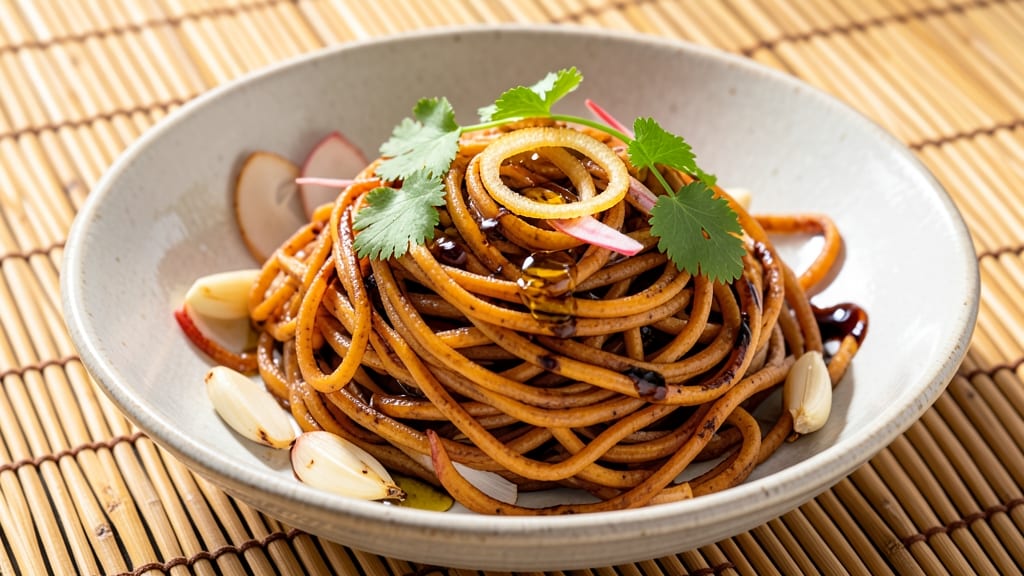
This Asian sweet potato noodle recipe delivers a perfect balance of caramelized edges and tender centers, where sticky-sweet glaze meets savory umami in every bite. The secret lies in wok-frying the noodles just right—high heat transforms simple sweet potatoes into a dish that feels restaurant-worthy.
I developed this version after years of testing, ensuring the glaze caramelizes without burning while keeping the noodles al dente.
What sets this recipe apart is the harmony of flavors: natural sweetness from the sweet potatoes pairs beautifully with soy sauce, garlic, ginger, and a touch of chili for depth.
The technique is straightforward—store-bought or homemade noodles get tossed in a quick stir-fry with the glaze, creating that signature caramelized crust. For extra protein, tofu or shrimp can be added without overpowering the dish.
The result is a sticky-sweet, umami-rich noodle dish that’s crispy on the edges yet tender inside, with a glaze that clings perfectly to each strand. Garnish with green onions or crushed peanuts for texture, and serve alongside grilled meats or as a standalone meal.
This recipe works for Thai, Japanese, or Korean-inspired twists—each variation brings its own cultural flair.
Ready in under 30 minutes, this dish is perfect for weeknight dinners or meal prep. The glaze can be made ahead, and the noodles reheat beautifully while maintaining their texture. Whether you're serving a crowd or treating yourself, this recipe delivers bold, satisfying flavors with minimal effort.
Ingredients for asian sweet potato noodle
Sweet potatoes, aromatic glaze, and wok-frying create this restaurant-worthy Asian-inspired dish in minutes.
| Ingredient | Amount | Notes |
|---|---|---|
| Sweet Potato Noodles 🍠 | 12 oz | Store-bought or homemade, cut into thin strands |
| Extra-Virgin Olive Oil 🫒 | 2 tbsp | High smoke point for wok-frying |
| Soy Sauce 🍶 | 3 tbsp | Light or dark, to taste |
| Garlic Cloves 🧄 | 4 cloves | Minced for aromatic base |
| Fresh Ginger 🌿 | 1 tbsp | Grated, for zesty depth |
| Honey 🍯 | 2 tbsp | For caramelizing glaze |
| Sesame Oil 🌱 | 1 tbsp | Toasted sesame for aroma |
| Red Chili Flakes 🌶️ | ½ tsp | Adjust for heat preference |
| Green Onions 🧅 | 3 whole | Thinly sliced for garnish |
| Crushed Peanuts 🥜 | ¼ cup | Optional for texture contrast |
| Vegetable Oil 🫒 | 1 tbsp | For high-heat stir-frying |
| Salt 🧂 | ½ tsp | Kosher or sea salt |
| Black Pepper 🌶️ | ¼ tsp | Freshly ground for finish |
| Tofu or Shrimp 🍤 | 8 oz | Optional protein addition |
The sweet potato noodles are the foundation—look for pre-cut strands at Asian markets or spiralize your own for homemade texture. For extra caramelization, pat them dry before cooking. If using homemade, ensure even thickness for consistent doneness. The glaze's magic lies in the balance of honey and soy sauce—Kikkoman or Pearl River Bridge brands deliver reliable umami depth. Fresh ginger and garlic should be vibrant; brown spots mean it's past its prime. Toast your sesame oil separately to preserve its delicate aroma, as adding it raw can overwhelm the dish.
No soy sauce? Coconut aminos or tamari work as substitutes, though flavor will differ slightly. Short on honey? Maple syrup or agave nectar provide similar sweetness, though caramelization may be less pronounced. For extra protein, firm tofu pressed and cubed or shrimp sautéed separately add texture without overpowering. The red chili flakes can be omitted entirely for a milder version, or swapped for gochugaru (Korean chili flakes) for a distinct smoky heat. If using shrimp, pat dry thoroughly to ensure proper searing.
Store cooked noodles in airtight containers with a thin layer of oil on top to prevent drying. The glaze can be made 2 days ahead and reheated gently—just add a splash of water to restore consistency. For optimal texture, reheat in a wok or skillet rather than microwave. Garnishes like green onions and crushed peanuts add freshness and crunch; toast peanuts separately for enhanced flavor. This dish reheats beautifully, making it ideal for meal prep—portion into containers with glaze on top to maintain caramelized edges.
Why You'll Love This Recipe
- No-Chop Needed: I swear, the prep here is almost laughably simple—just spiralize those sweet potatoes (or grab pre-made noodles if you’re really short on time), toss them in olive oil, and let the garlic and ginger do their magic in the pan. That’s it. Honestly, I’ve made this on nights when I forgot to meal prep and still felt like I’d cooked a whole restaurant dish.
- Umami Bomb: The combo of soy sauce and fresh ginger? It’s like a flavor explosion in your mouth—salty, bright, and just a little sweet from the sweet potatoes. Between us, I’ve had people ask if I used some fancy sauce, and I just smile while secretly loving how foolproof this is.
- Lunch or Dinner: This dish works everywhere. Pack it cold in containers for a hearty lunch, or serve it warm over rice for a full dinner. I’ll be real: my college-aged son takes it to his dorm for “fancy” roommate meals, and my mom makes a double batch on Sundays because it reheats like a dream.
- Budget Win: Sweet potatoes are cheap, olive oil lasts forever, and a little soy sauce goes a long way. I’ve made this for under $3 per serving, and it still feels like a treat. Plus, leftovers taste just as good the next day—no sad, soggy noodles here.
Step-by-step instructions for Asian sweet potato noodles
Master this technique and you'll achieve perfectly caramelized edges with a sticky-sweet glaze every time.
🍳 Step 1: Prepare the Protein and Aromatics
Start by prepping your protein if using. For tofu, press it between paper towels for 20 minutes to remove excess moisture, then cut into ½-inch cubes. For shrimp, peel and devein, leaving the shells on for stock if desired. Set aside.
In a small bowl, combine the minced garlic cloves and grated fresh ginger. This aromatic base forms the flavor foundation of your dish. Set aside for now—you'll add it after cooking the noodles to preserve its freshness.
🍳 Step 2: Stir-Fry the Noodles and Protein
Heat a large wok or skillet over high heat until smoking. Add 1 tablespoon vegetable oil and swirl to coat. Add the 8 oz tofu or shrimp and cook for 3-4 minutes until golden brown. Remove and set aside.
In the same pan, add 2 tablespoons extra-virgin olive oil and the 12 oz sweet potato noodles. Stir-fry for 2-3 minutes until the noodles soften slightly but remain al dente. This high-heat cooking prevents mushiness while developing flavor.
🍳 Step 3: Create the Sticky-Sweet Glaze
Reduce heat to medium-high and add the garlic-ginger mixture, cooking for 30 seconds until fragrant. Pour in the 3 tablespoons soy sauce and 2 tablespoons honey, stirring constantly. Let it simmer for 1-2 minutes until slightly thickened.
Add the 0.5 teaspoon red chili flakes and 1 tablespoon sesame oil, stirring to combine. The glaze should coat the back of a spoon with a glossy sheen. If it's too thick, add 1 tablespoon water to achieve a pourable consistency.
🥘 Step 4: Combine and Caramelize
Return the protein and noodles to the pan, tossing to coat evenly in the glaze. Cook for 2-3 minutes until the edges of the noodles begin to caramelize and develop a golden-brown color. This is where the magic happens—the Maillard reaction creates that irresistible texture.
Season with 0.5 teaspoon salt and 0.25 teaspoon black pepper, tossing gently to distribute evenly. The dish should have a perfect balance of sweet, savory, and slightly spicy flavors.
🍽️ Step 5: Finish and Serve
Transfer the noodles to serving plates and garnish with thinly sliced green onions and 0.25 cup crushed peanuts for texture contrast. The peanuts add a satisfying crunch that balances the soft noodles and sticky glaze.
Serve immediately while the caramelized edges are still crisp. The noodles should be tender yet retain some bite, coated in a glossy sauce that clings beautifully to each strand. Each bite delivers perfect harmony of textures and flavors in every mouthful.
Pro Tips For Making Asian Sweet Potato Noodle
- Sear the Garlic Fast: Toss minced garlic into the hot oil immediately after it shimmers—don’t wait for the oil to stop dancing. I learned this the hard way: letting it sit too long turns your aromatic base into bitter soap. Keep the heat high and move quick.
- Rinse Noodles Cold: Drain the sweet potato noodles, then plunge them into ice water for 30 seconds before draining again. This stops the cooking process and keeps them from turning into mush when you toss them later. (Yes, it feels like overkill, but trust me—your noodles will thank you.)
- Salt the Soy Sauce: Skip the plain soy sauce and use light soy sauce (or add a pinch of salt to regular soy). Sweet potato noodles already pack natural sweetness, and unsalted soy can leave your dish tasting flat. A little extra salt here makes a real difference.
- Toast the Ginger First: Grate the ginger, then toss it into the oil before the garlic—let it sizzle for 10 seconds until fragrant. This builds layers of flavor without overpowering the dish. (And no, you don’t need to burn it—just warm it through.)
Serving suggestions for asian sweet potato noodle
Garnish Like a Pro
Fresh green onions sliced into ¼-inch pieces add a bright, oniony crunch that cuts through the richness. I like to sprinkle them just before serving so they stay vibrant. For extra flair, add a few cilantro leaves torn by hand—their citrusy notes complement the sweetness beautifully. 🧅
Texture Contrast
Crushed peanuts toasted in a dry skillet for 2-3 minutes until golden add a satisfying crunch. Use ½ cup for garnish, but save extra for topping other Asian dishes. For a nutty alternative, try toasted sesame seeds—sprinkle 1 tablespoon over each serving for a subtle nutty depth.
Sauce Pairings
Serve with a side of sriracha mayo (mix 2 tbsp mayo with 1 tsp sriracha) for dipping—it balances the sweetness perfectly. A cool cucumber salad with rice vinegar and sesame oil provides refreshing contrast. For heat lovers, offer chili crisp on the side for an extra kick. 🌶️
Protein Upgrades
Add seared scallops or grilled chicken alongside for a heartier meal. If keeping it vegetarian, boost with crispy tofu or mushrooms sautéed in the same glaze. The key is to cook proteins separately and add them back just before serving to maintain texture.
Side Dish Harmony
Pair with steamed bok choy or quick-pickled vegetables to round out the meal. A simple miso soup with silken tofu adds umami depth. For a complete spread, include sticky rice or warm dumplings to soak up the glaze. The combination creates a balanced, satisfying plate. 🍚
Nutrition facts
Frequently asked questions
Can I make these noodles without a wok?
A large skillet or even a deep frying pan works perfectly. The key is using high heat to achieve that caramelized texture. Just make sure your pan is heavy-bottomed to prevent hot spots. If your pan isn't wide enough, cook the noodles in batches to avoid overcrowding.
How do I store leftovers to keep them crispy?
Store cooked noodles in an airtight container with a thin layer of oil on top to prevent drying. For reheating, use a wok or skillet over medium heat with a splash of water to restore moisture and crispiness. Avoid microwaving as it makes them soggy—always reheat on the stovetop for best results.
What's the best way to make the glaze thicker or thinner?
If your glaze is too thin, simmer it uncovered for 1-2 extra minutes to reduce. For a thicker consistency, reduce the honey by ½ tablespoon or add ½ teaspoon cornstarch mixed with water. If it's too thick, thin with 1 teaspoon water at a time until pourable but still coats the back of a spoon.
Can I use regular sweet potatoes instead of sweet potato noodles?
While you can spiralize regular sweet potatoes, they won't have the same texture or flavor as store-bought sweet potato noodles. For best results, stick with pre-cut noodles or make your own using a spiralizer. If using regular sweet potatoes, cook them separately until tender before adding to the stir-fry.
How spicy should the dish be?
The recipe includes 0.5 teaspoon chili flakes for mild heat, but you can adjust to taste. For Thai-inspired spice, add 1 teaspoon chili paste or ½ teaspoon gochugaru (Korean chili flakes). If you prefer no heat, simply omit the chili flakes entirely—the dish will still be delicious with just the sweet-savory balance.